
At the heart of the South Pacific, a small archipelago in Polynesia deserves our attention. Tuvalu, made up of nine atolls, is home to about 11,000 inhabitants. This island nation is located between Hawaii and Australia.
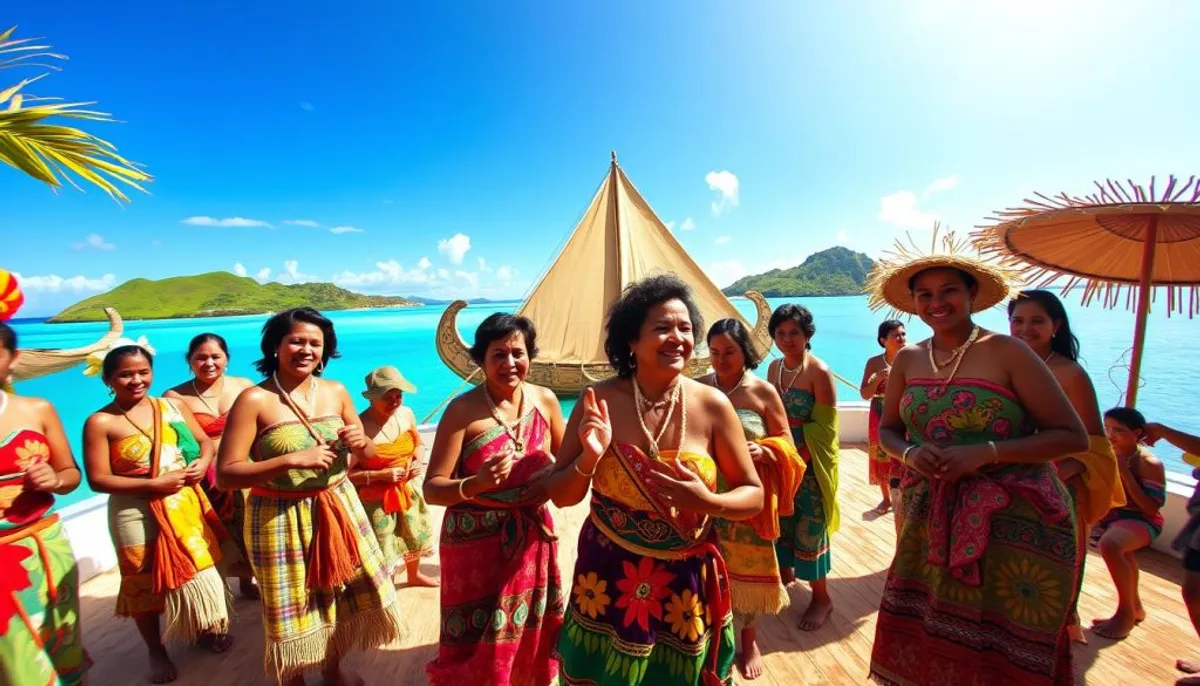
Despite its modest size and geographical isolation, Tuvalu has an exceptional cultural heritage. Ancestral traditions are passed down from generation to generation. This richness deserves to be discovered and preserved.
Current environmental challenges make this preservation even more crucial. Tuvaluans maintain their identity in the face of global transformations. Their cultural resilience is remarkable.
This article invites you to explore the different facets of this unique island culture. We will discuss history, traditions, and contemporary issues. Discover how this people preserve their heritage.
Key Points to Remember
- Tuvalu is a Polynesian archipelago of nine atolls in the South Pacific
- The population is about 11,000 inhabitants spread across the islands
- The cultural heritage is rich despite the small size of the country
- Ancestral traditions have been passed down for generations
- Environmental challenges make cultural preservation crucial
- Tuvaluans maintain their identity in the face of global changes
- This article explores history, traditions, and current issues
Introduction to Tuvaluan Culture
Lost between Hawaii and Australia, this small oceanic state maintains its traditions in the face of modern challenges. Its geographical isolation has preserved a unique heritage that fascinates visitors and embodies the surf lifestyle.
Geographical and Demographic Context
Tuvalu consists of nine inhabited coral atolls with about 11,000 people. This population forms a close-knit and welcoming community. The islands are accessible only by a 2.5-hour flight from Fiji.
This isolation has allowed for the preservation of intact ancestral practices. The inhabitants live in harmony with their marine environment. Their way of life remains deeply rooted in traditions.
Contemporary Cultural Issues
The nation faces several challenges in the current world. The rising sea levels observed since the 1990s threaten the very existence of the territory. Some scientists estimate that it could become uninhabitable by 2100.
This situation creates tensions between modernity and the preservation of values. The question of identity becomes crucial for a people whose physical territory may disappear. Despite these challenges, the community remains attached to its traditions while adapting to global changes.
The Origins and History of Tuvalu
The Polynesian roots of this archipelago date back several centuries. The first inhabitants arrived by boat from other islands in the Pacific. They developed a unique society adapted to their environment.
Colonial Heritage and External Influences
In the 19th century, Tuvalu became a British colony. This period lasted several years and left traces in modern administration. Despite these influences, local traditions have remained vibrant.
The people have managed to preserve their identity while integrating some external elements. This cultural resilience shows their deep attachment to their heritage.
Evolution in the Face of Climate Challenges
Since the 1990s, a major change has affected the territory. The rising sea level threatens the very existence of the atolls. This phenomenon is accelerating with climate change.
| Historical Period | Significant Events | Impact on Society |
|---|---|---|
| Before 1800 | Polynesian migrations | Foundation of traditional society |
| 1892-1978 | British colonization | External administrative influences |
| Since 1990 | Observable rising sea levels | Environmental urgency and adaptation |
This situation creates an existential challenge for the nation. The preservation of heritage becomes more crucial than ever.
Tuvaluan Culture: A Pillar of Identity
In this Polynesian archipelago, the immaterial heritage forges social cohesion. It represents the heart of the national identity and unites the insular community.
Ancestral Traditions and Ceremonies
Traditional ceremonies shape the lives of the inhabitants. They are an essential part of the living heritage. These gatherings strengthen social bonds.
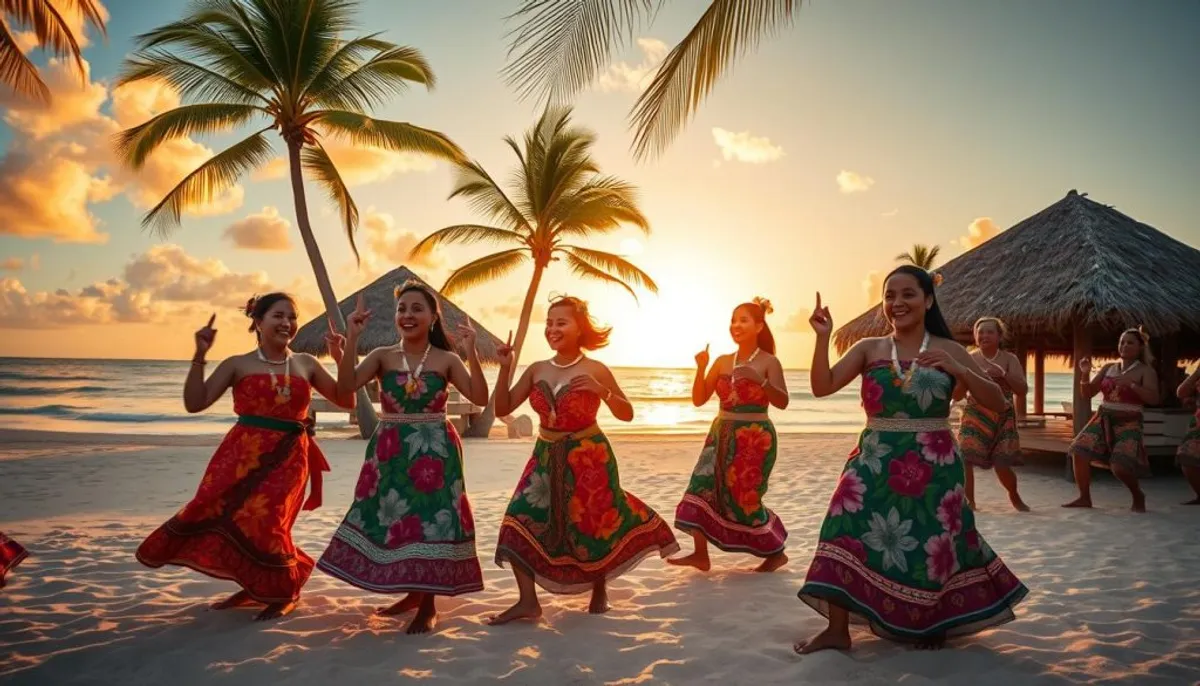
The extended family occupies a central place. Several generations share the same living space. This structure fosters the transmission of knowledge.
Intergenerational Knowledge Transmission
Young people learn traditions from their elders. This transmission occurs naturally in daily life. It preserves traditional dances, stories, and tales, including traditional dance and music.
Minister Simon Kofe stated his desire to “carry the very soul of Tuvalu”. His digital archives project preserves this precious heritage. This initiative ensures the longevity of the cultural legacy.
Traditions and Customs Embedded in Tuvaluan Life
At sunrise, a particular harmony animates the homes of this South Pacific archipelago. The days follow an immutable rhythm dictated by centuries of traditions.
Local Rituals and Celebrations
Daily rituals structure collective existence. Each gesture reflects values deeply rooted in the history of the islands.
Celebrations regularly bring the entire community together. These events strengthen social ties among the inhabitants. They are privileged moments of sharing.
Symbols and Community Values
The extended family represents the heart of social organization. Several generations coexist in the same space. This structure promotes the transmission of ancestral knowledge.
Women play a fundamental role in this collective life. Their days begin around 4 a.m. They take care of meals, cleaning, and children until late at night.
These customs distinguish this culture from other Polynesian nations. Despite modern influences, traditions continue to guide daily life.
The Immaterial Heritage and Arts of Tuvalu
Traditional arts constitute the living expression of Tuvaluan heritage. This immaterial heritage forms the heart of the collective identity.
It encompasses dances, music, and oral traditions passed down for generations. These artistic expressions maintain a deep connection with the natural environment.
Traditional Dances and Enchanting Music
The choreographed movements tell the story of this unique Polynesian island. Each gesture carries a symbolic meaning inherited from ancestors.
The melodies accompany important community ceremonies. They express the emotions and values shared by all.
Arts, Crafts, and Folk Tales
Local craftsmanship, showcasing fijian craftsmanship, reflects remarkable ancestral know-how. Artisans use natural materials available on site.
Traditional tales transmit wisdom and knowledge to younger generations. These stories constitute an essential part of the oral heritage.
In the face of environmental challenges, preservation initiatives are emerging. Minister Simon Kofe declares his intention to “carry the very soul of Tuvalu”.
Our digital archives project preserves traditional dances and stories.
This digitization ensures the longevity of the culture even if the physical territory were to disappear.
Island Cuisine and Palusami
Among the culinary treasures of the Pacific, Palusami holds a special place. This traditional dish embodies Polynesian identity through its authentic flavors.
It represents an important part of the gastronomic heritage of the islands. Its preparation follows carefully preserved ancestral methods.
Origins and Preparation of Palusami
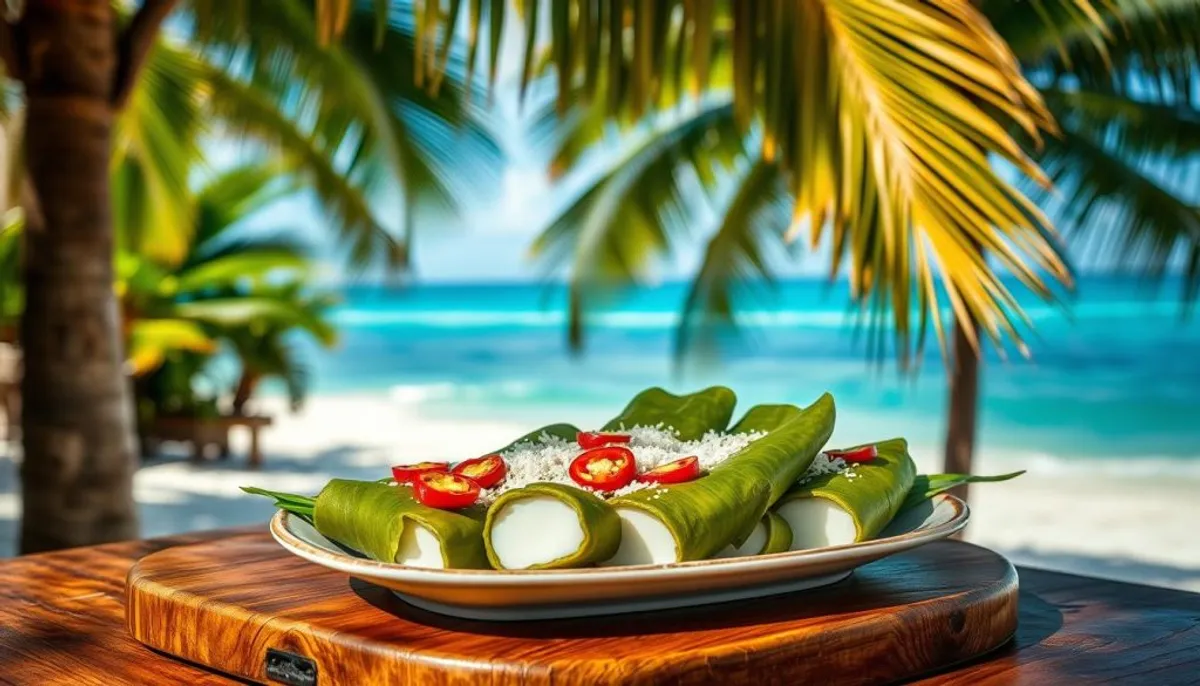
Palusami arises from the intelligent use of local resources. Taro leaves and coconut milk form its essential base.
Slow cooking in an earth oven called umu lasts several hours. This method allows the flavors to develop fully.
Samoin mythology attributes divine origins to the ingredients. The coconut is said to come from a legendary eel.
The taro is considered a gift from the ancient gods. These beliefs enrich the symbolic dimension of the dish.
Its Role in Community Gatherings
Palusami unites the community during important celebrations. Its collective preparation strengthens social bonds.
Each time it is served, it creates lasting memories. Families gather around this iconic dish.
For Tuvaluans living elsewhere in the world, it evokes the warmth of family reunions. It serves as a bridge to their island roots, connecting them to the broader paluan diaspora.
Contemporary Challenges and Social Life in Tuvalu
In the face of 21st-century challenges, Tuvalu demonstrates remarkable resilience by adapting its social structures. This small population of 11,000 inhabitants navigates between modernity and identity preservation.
Innovative initiatives are emerging to address inequalities and environmental crises. Social change becomes a vital necessity for the archipelago.
Feminist Action and the Fight Against Inequalities
Filiga Taukiei Nelu founded the Fatu Lei organization in 2019. Its goal is to promote equity in a society where the word “feminism” carries a negative connotation.
The government marked a turning point in May 2024 with its first national gender equality policy. Named Paatagasi (equity), it addresses an alarming rate of domestic violence.
44% of women have experienced such violence according to a 2019-2020 survey. Prime Minister Feleti Teo publicly laments the complete absence of women in Parliament since 2024.
Migration Issues and Digital Initiatives
Australia granted climate asylum to Tuvaluans in November 2023. This agreement allows the migration of 280 people per year, offering a partial solution to rising sea levels.
This situation reflects a global challenge: 32.6 million climate refugees were recorded worldwide in 2022. The government responds with a bold initiative.
It announces the creation of a digital nation in the metaverse to preserve the sovereignty of the country. This innovation could safeguard Tuvaluan identity even if the physical territory disappears.
Preserving Heritage in the Face of Climate Change
The waves that erode the coastline also threaten the transmission of traditional knowledge. This unprecedented environmental change forces a rethink of the conservation of immaterial heritage.
Environmental Impacts on Traditions
The rising saltwater directly affects community gathering places. The sacred sites where ancestral ceremonies take place are gradually being submerged.
This erosion of land jeopardizes the very existence of cultural practices. Traditional dances and stories lose their natural framework of expression.
Initiatives to Safeguard Cultural Heritage
In response to this urgency, leaders have alerted the world several times. Minister Simon Kofe made a memorable statement at COP27 in November 2022.
Filmed with his feet in the ocean, he delivered a historic message. His project aims to create digital archives to preserve dances and stories.
| Year | Event | Preservation Action |
|---|---|---|
| 2009 | First international alert | Global awareness |
| 2021 | COP26 in Glasgow | Strengthening alerts |
| 2022 | COP27 speech in the water | Launch of the digital project |
Our land, our ocean, our culture are the most precious assets of our people. To protect them, we will move them to the cloud.
This innovative approach includes a digital passport on blockchain. It guarantees the survival of national sovereignty despite environmental challenges.
Conclusion
The history of Tuvalu teaches us that the identity of a nation transcends territorial boundaries. This archipelago in the South Pacific, including the micronesian islands, represents much more than just a country.
Despite its small population, Tuvalu offers the world a valuable example of cultural resilience. The government and the community work together to preserve their heritage.
They combine traditional approaches with digital innovations. Australia commits to recognizing the independence of this nation even if the land disappears.
Tuvalu illustrates the complex struggle between ecological survival and technological solutions. Technology offers preservation tools but also contributes to emissions.
Recent social progress, particularly on gender equality, shows a dynamic community life. This example reminds us of the urgency to protect immaterial heritages.
For the first time in history, island nations risk losing their native land. Preserving this culture is an essential part of our global diversity.
FAQ
What are the main cultural issues facing the Tuvaluan community today?
The island nation must preserve its heritage while adapting to climate changes and external influences. The population works to maintain its unique identity, particularly through digital initiatives to safeguard traditions.
How do the government and the islands protect their culture in the face of environmental challenges?
Programs for safeguarding immaterial heritage are being implemented. For example, digital archives preserve dances and stories. The community remains united to adapt its practices while honoring its roots.
What role does cuisine, such as Palusami, play in social life in Tuvalu?
Palusami is much more than a dish. It symbolizes sharing and strengthens bonds during gatherings. It is a key element of identity that unites people, especially during celebrations.
Why are artistic traditions, such as dance, important to Tuvaluans?
Traditional dances tell the story of the islands and transmit values. They are a pillar of cultural life, allowing each generation to connect with its heritage.
How do the United Nations and other countries help Tuvalu preserve its culture?
International support exists for climate resilience and cultural documentation projects. This assistance aims to protect the heritage of the archipelago for years to come, in partnership with the local government.