
Welcome to the Fiji Islands, a dream destination in the heart of the South Pacific. This archipelago is famous for the authenticity of its hospitality and the richness of its heritage. Visitors discover a world where smiles are genuine and customs are deeply rooted.
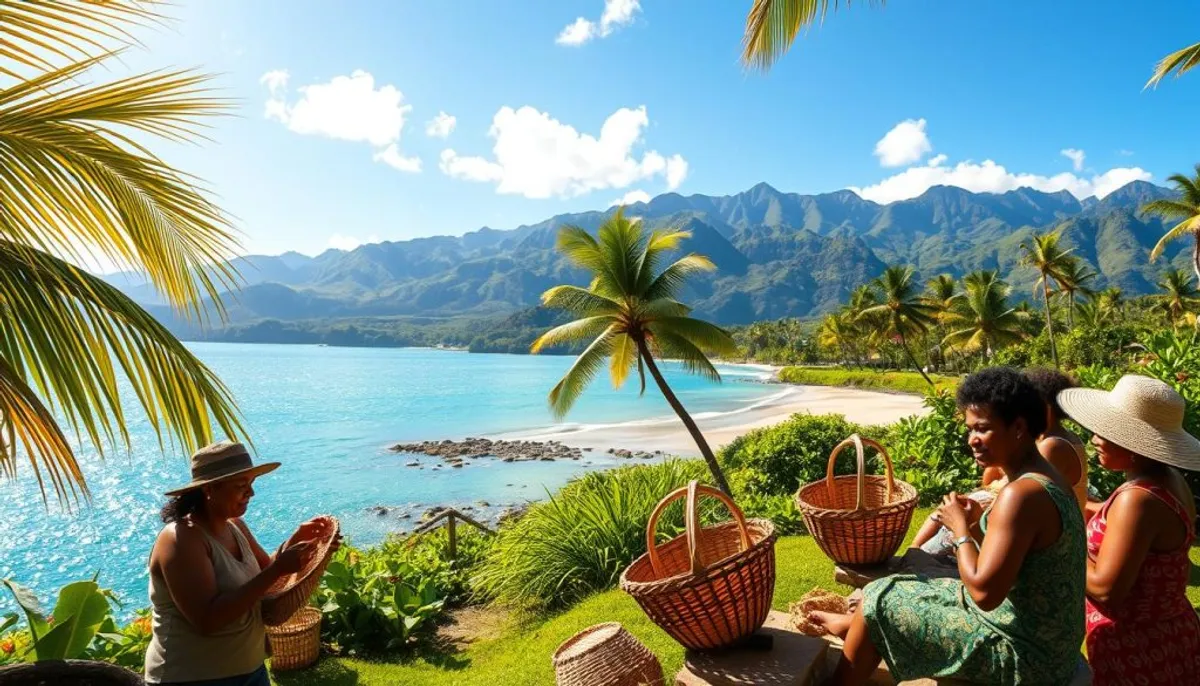
The country consists of 333 islands, but only one third are inhabited. This unique geography has shaped a remarkable identity. Melanesian, Polynesian, and Indian influences blend harmoniously.
Daily life is marked by respect for traditions. Elders play an essential advisory role. Practices such as dance and song remain very much alive. They animate the villages and towns, creating a strong social bond.
Let’s embark on a journey to discover this unique culture. Understanding its history means appreciating the human warmth that makes this paradisiacal archipelago renowned.
Key Points to Remember
- The Fijis are renowned for the authenticity of their welcome and hospitality.
- The archipelago consists of 333 islands, with a rich cultural diversity.
- Millennia-old traditions remain alive and structure social life.
- Society values the advisory role of elders.
- Dance and song are central cultural expressions.
- Several ethnic communities coexist harmoniously.
- This heritage makes it an exceptional destination for cultural immersion.
Origins and History of the Fiji Islands
Dive into the rich and complex past of this volcanic land, where myths and reality intertwine harmoniously. The history of the Fiji archipelago begins long before the arrival of Europeans, and understanding the omani history can provide valuable insights into the cultural dynamics of the region.
Foundational Legends and Myths
According to oral tradition, the great chief Lutunasobasoba led his people from North Africa about 3,500 years ago. These epic voyages aboard gigantic canoes mark the beginnings of settlement.
The first inhabitants arrived from Asia over 3,000 years ago. They gradually settled on these southern Pacific islands. Around year 500, Melanesian tribes pushed the Polynesians eastward.
| Period | Major Event | Historical Figure | Lasting Impact |
|---|---|---|---|
| 3500 BC | Legendary Arrival | Lutunasobasoba | Mythological Foundation |
| 1642 | First European Contact | Abel Tasman | Discovery by the West |
| 1874 | British Colonization | King Cakobau | Political Change |
| 1970 | Independence | Fijian Government | National Sovereignty |
The Colonial Era and Independence
The country became a British colony in 1874. From 1879 to 1916, thousands of Indian workers arrived for the plantations. This migration profoundly transformed the population.
Independence was achieved in October 1970. Today, nearly three-quarters of the population live on Viti Levu, the largest island. The nation continues to build its multicultural future.
The Traditions of Fijian Culture: Rituals and Customs
Fijian villages preserve a unique cultural heritage where every gesture has its meaning. These practices are not mere spectacles but form the foundation of contemporary identity.
The Role of Traditional Chiefs and the “Bure” House
Local chiefs hold significant authority in daily life. They uphold the ancestral Melanesian principles that govern society.
The traditional house, called Bure, remains widely used in communities. Built from wood and natural materials, it symbolizes authentic architecture.
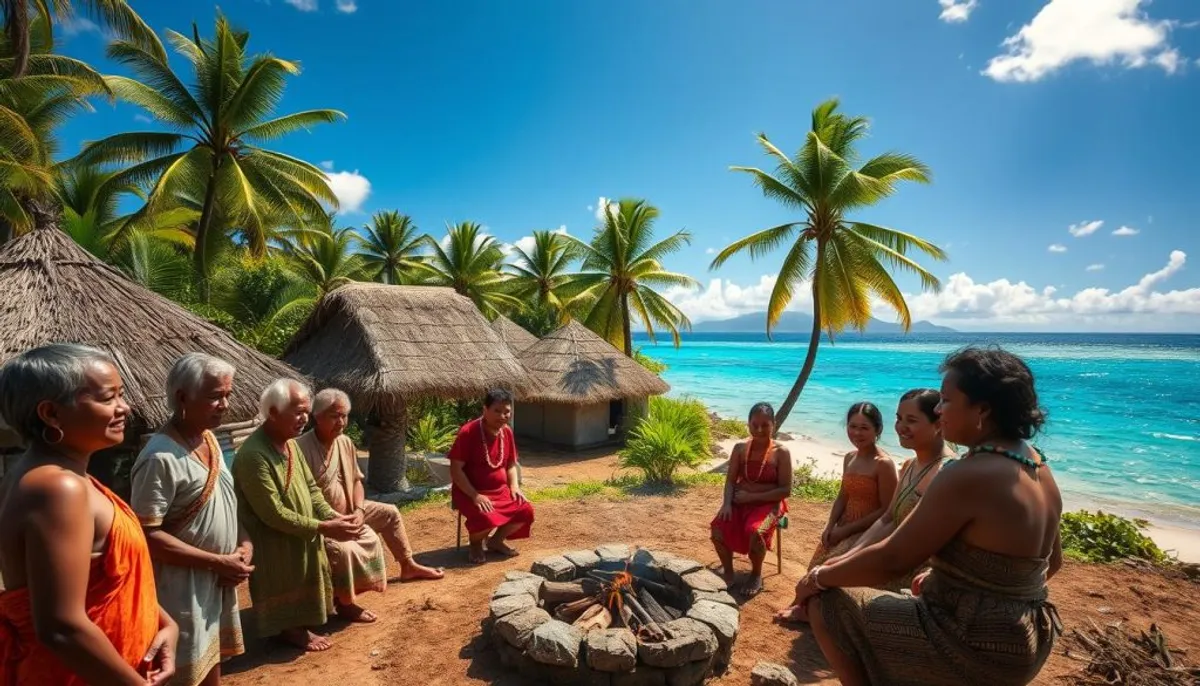
The inhabitants cultivate individual plots but share the harvests. This community system forms the basis of social solidarity.
Cultural Expressions: Dance, Song, and Hospitality
Song punctuates every moment of life for the Fijians. It can be heard at the market, in church, and in the fields, creating a joyful atmosphere.
The legendary hospitality is expressed through the warm Bula that welcomes every visitor. Smiles are genuine, and the welcome is familial.
Respect guides all social interactions. Certain essential rules must be observed by visitors.
| Traditional Practice | Social Significance | Rules of Respect |
|---|---|---|
| Authority of Chiefs | Upholding traditions | Listening and Deference |
| Architecture of the Bure | Connection with Nature | Remove your hat |
| Community Singing | Joyful Expression | Respectful Participation |
| Hospitality Bula | Warm Welcome | Do not touch the head |
These living traditions show how the Fijians harmonize modernity with ancestral heritage. Each village offers an authentic immersion into this unique culture, reflecting the essence of emirati culture as well.
Traveling Through the Villages and Islands of Fiji
Exploring the Fiji Islands offers a unique adventure blending land and sea discoveries. This paradisiacal destination reveals its treasures to curious travelers.
Discovering Authentic Villages
Your journey becomes rich in encounters when you visit traditional villages. Respect these essential rules for a successful immersion.
Always ask for permission from the chief before entering. Wear clothing that covers shoulders and legs. Remove shoes and hats in the homes.
The sevusevu ceremony marks your welcome. You present an offering of yaqona (kava root) to the elders. This ritual creates an immediate bond with the community.
Sea Experiences and Exploring the Archipelago
The archipelago has two main islands to discover. Viti Levu is home to the capital Suva and Nadi Airport. Vanua Levu offers wilder nature.
Sea excursions reveal island paradises. Boats take you to pristine beaches. Snorkeling and diving are exceptional there.
This unique destination harmoniously alternates between cultural visits and beach relaxation, showcasing the vibrant art and culture in luxembourg. Each island has its own character. Your journey to Fiji will be unforgettable.
The Influence of Mythology and Local Legends
At the heart of the Fijian archipelago, ancestral legends continue to give meaning to the world around us. These stories explain the origins of names and the deep significance of landscapes.
The Legend of Katonimana, the “Box of Blessings”
According to tradition, Chief Lutunasobasoba sailed to a mythical island. His armada carried a precious treasure: the Katonimana.
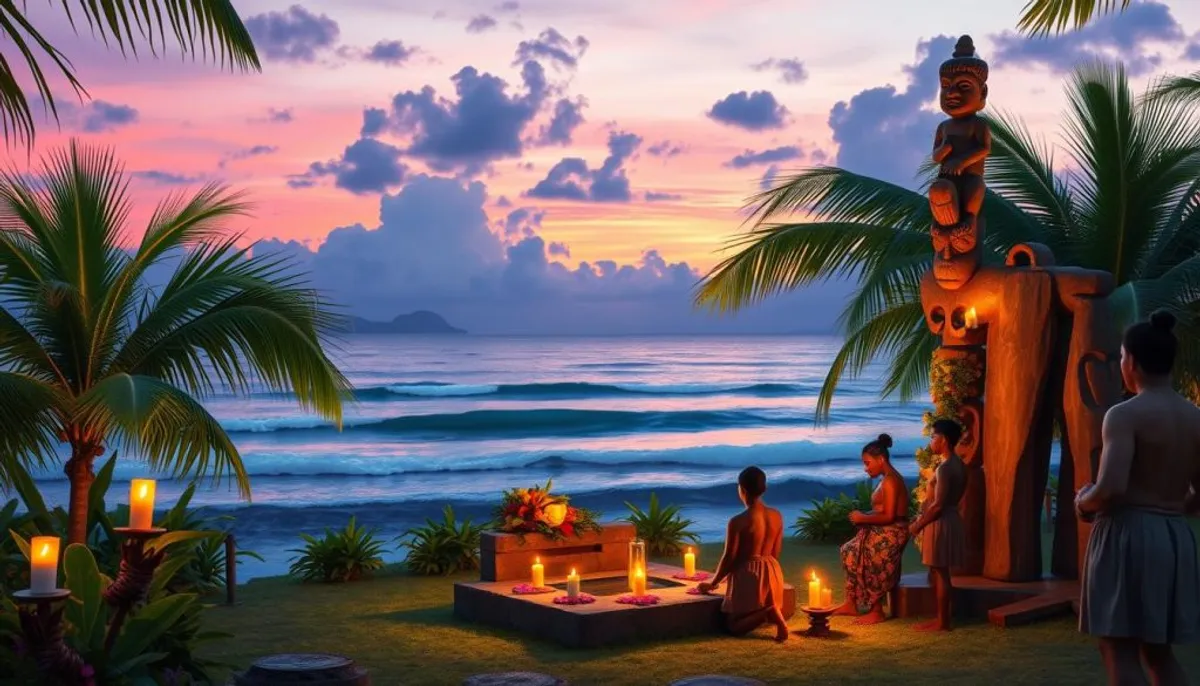
This sacred box contained artifacts from the Temple of Solomon. It slipped into the rough sea near the Matamanoa and Mana islands. Lutunasobasoba accepted this loss as a divine sign.
General Degei attempted to retrieve it against orders. The gods transformed him into a serpent for this disobedience. He still wanders in a marine cave in the Yasawas.
| Island | Mythological Significance | Connection to the Legend |
|---|---|---|
| Matamanoa | “Eye of the Strong Wind” | Place of Storms |
| Mana | “Magic” | Where the box fell |
| Likuliku | “Calm Waters” | Return to Calm |
| Malolo | “Rest of the Sun” | Island created by the gods |
The inhabitants believe that the box still rests at the bottom of the ocean. Two giant clams protect it between Likuliku and Mana. It would bring prosperity to the villages and visitors.
The expression “na siga e dromu i Malolo” means “Malolo is where the sun comes to rest.” This belief shows the spiritual connection with the land and the sea.
These foundational myths continue to influence contemporary life. They teach respect for divine decisions and ancestors.
Practical Discovery: Travel Tips and Local Customs
Before you set off to explore the Fiji Islands, some essential tips will help you prepare your journey. This land of the South Pacific offers a unique experience that deserves good organization.
Preparing Your Trip to Fiji: Steps and Tips
Your passport must be valid for six months after your return. A four-month visa is issued free upon arrival. The best time to visit this country is from May to September.
The population is about 940,000 inhabitants. It is mainly composed of Melanesian Fijians and Indo-Fijians. This diversity enriches daily life.
Cuisine, Accommodation, and Transportation on Site
The cuisine blends Indian, Chinese, and Melanesian influences, including traditional bahraini cuisine. Try the kokoda or the palusame. Accommodation offers standard hours.
The international airport is located in Nadi on Viti Levu. Driving is on the left. Avoid driving at night for safety.
| Practical Aspect | Important Details | Travelers' Tips |
|---|---|---|
| Entry Formalities | Free 4-month visa | Passport valid for 6 months |
| Best Time | May to September | Ideal dry season |
| Local Currency | Fijian Dollar | Cards accepted |
| Time Zone Difference | +11 hours in winter | Gradual adaptation |
Customs and Rules of Etiquette in Fijian Villages
Respect for traditions is fundamental in every village. Remove your shoes before entering a home. Never wear a hat in the presence of elders.
Religion plays a central role in the life of the Fijians. Observe local customs with care. Always ask for permission before taking photos of people or their homes.
These simple rules form the basis of harmonious interaction with the Fijian people. Your journey will be all the richer for it.
Conclusion
At the end of this journey through Fijian heritage, one certainty stands out: this unique destination transforms its visitors. The mosaic of Melanesian, Polynesian, and Indian influences creates a vibrant and authentic culture, including elements of mongolian art.Traveling with respect and an open mind allows you to fully appreciate the millennia-old traditions. The legendary hospitality and sincere smiles create unforgettable memories.
This country offers much more than beautiful landscapes. Spirituality and community values remain at the heart of national identity.
Understanding local customs greatly enriches the experience. It allows for genuine exchanges with the locals.
The Fiji Islands invite you to an exceptional human adventure. Immerse yourself personally in this destination that leaves a lasting impression with its natural beauty and cultural richness.
FAQ
What are the most important tips to follow when visiting a Fijian village?
Respect is essential. It is polite to present an offering, such as kava roots. Wear modest clothing and remove your hat upon entering. Always ask for permission before taking photos of the locals or their homes.
What is the best time of year to visit the Fijian archipelago?
The dry season, from May to October, is ideal for travel. The climate is cooler and less humid, perfect for exploring the islands and enjoying the sea. Avoid the rainy season if you plan many outdoor activities.
Does religion play an important role in daily life in Fiji?
Absolutely. Faith is a central pillar of society. Christianity is widely practiced, and Sunday is a sacred day of rest. You will often hear gospel songs. Respect for customs related to spirituality is highly appreciated.
Is it easy to travel between the different islands of the archipelago?
Yes, there are several options. Ferries connect Viti Levu, the main island, to nearby islands like Ovalau. For more distant islands, domestic flights with airlines like Fiji Airways are available. Water taxis are also common.
What culinary specialties should not be missed in this country?
The local cuisine is delicious! Try the “Kokoda,” raw fish marinated in coconut milk and lemon. The “Lovo” is a traditional meal cooked in an underground oven. And of course, don't miss participating in a kava ceremony.