
Welcome to the fascinating universe of Cape Verde! This archipelago off the coast of West Africa consists of ten volcanic islands. Each has its unique character. Together, they form a nation with a rich heritage.
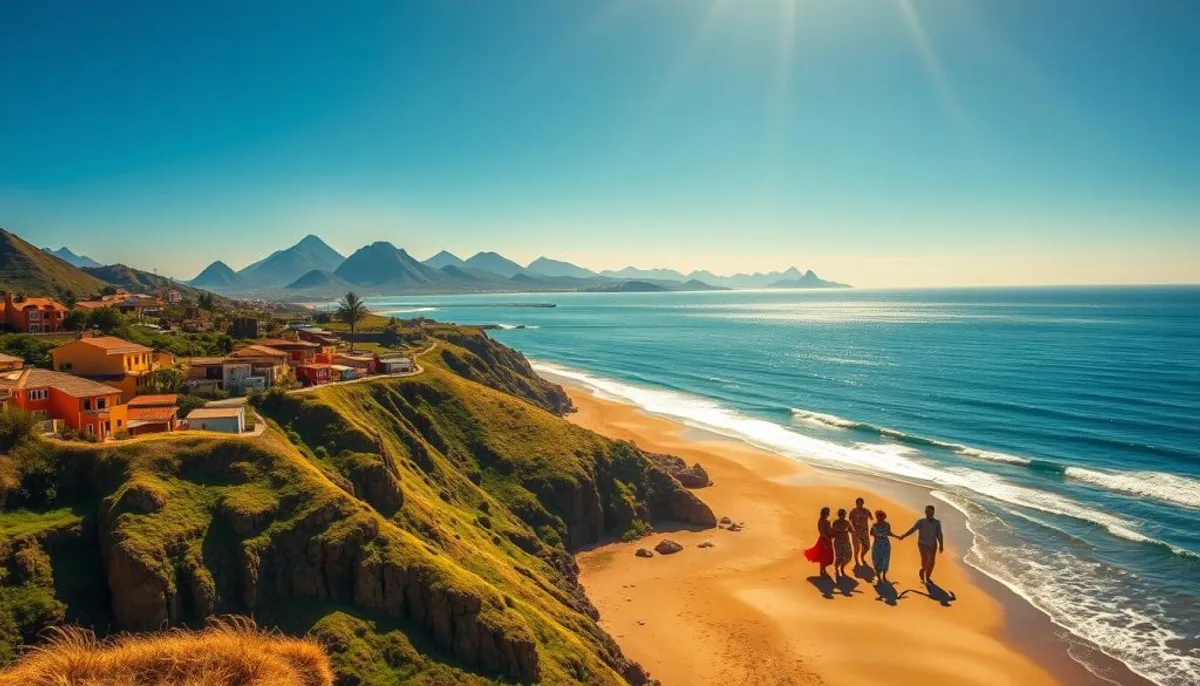
The population of this country is a true melting pot. Approximately 600,000 inhabitants live here. The majority are mixed-race, a result of centuries of blending. This diversity creates an exceptional identity.
The Portuguese colonial history has profoundly influenced this culture. The independence achieved in 1975 opened a new chapter. Today, a significant diaspora shines throughout the world. It keeps ancestral traditions alive.
Each island of this archipelago brings its unique touch. From music to cuisine, everything reflects this duality. We invite you to discover how these traditions interact with modernity.
Key Points to Remember
- Cape Verde is an archipelago made up of 10 main islands
- The population of around 600,000 inhabitants is predominantly mixed-race
- A significant diaspora lives in Europe and North America
- The country gained independence from Portugal in 1975
- Each island contributes to the national cultural richness
- Cape Verdean culture blends African and Portuguese heritages
- This unique identity attracts visitors from all over the world
The Origins and History of Cape Verdean Culture
It was in the mid-15th century that this archipelago entered modern history. European navigators explored these lands between 1456 and 1460.
The Beginnings: Discoveries and Portuguese Colonization
The Portuguese settled in 1462 on the island of Santiago. They founded Ribeira Grande, the first European city under the tropics.
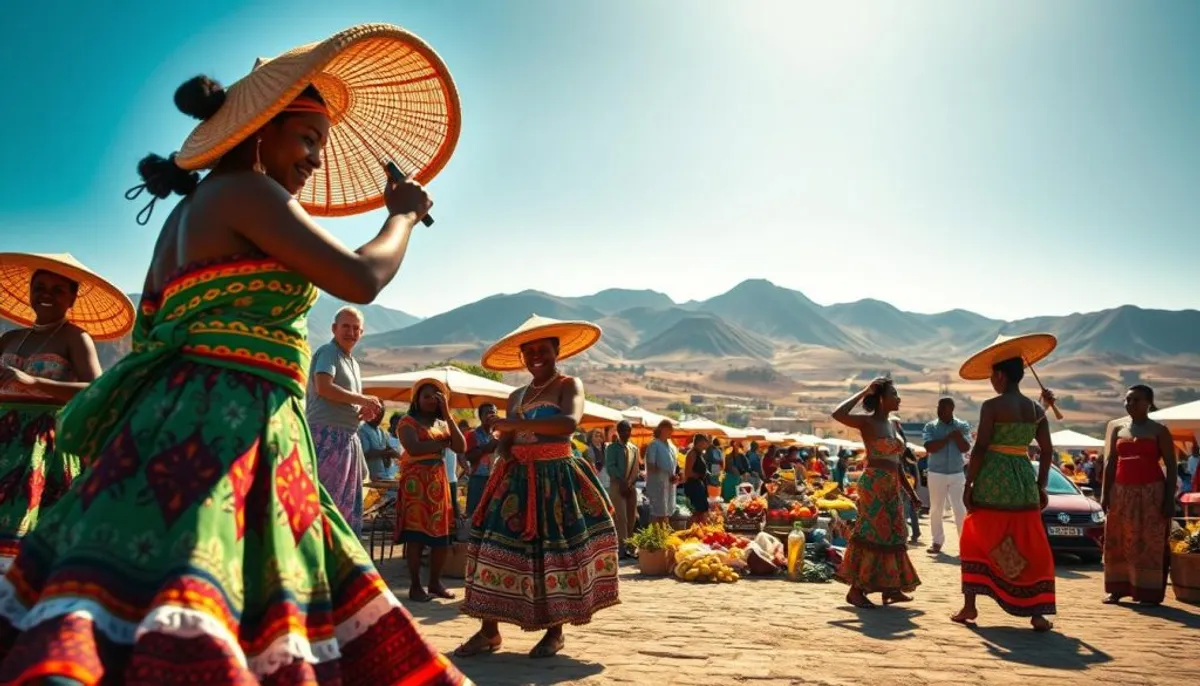
This locality is now home to Praia, the capital of the country. Its ruins are classified as a UNESCO World Heritage site.
From Slavery to Independence: Historical Evolution
The archipelago quickly became an important center for the slave trade. This dark period profoundly influenced the population.
The abolition in the 19th century transformed the economy. The country then faced difficulties and catastrophic droughts.
In the 20th century, the independence movement took shape with the PAIGC. Independence was achieved on July 5, 1975.
This date is now celebrated by all inhabitants. The Portuguese legacy still marks daily life.
Artistic and Festive Expressions
The archipelago reveals its vibrant soul through its artistic creations and festive celebrations. These events rhythm the social life and testify to a rich heritage.
Music: From Morna to Modern Rhythms
Music is the beating heart of this archipelago. Morna, born in Boa Vista in the 18th century, symbolizes the melancholic soul of the islands.
Eugénio Tavares and B. Leza transformed this genre by focusing on love themes. Their contributions gave morna its definitive form.
Cesária Évora brought this music to the world. Other dynamic genres complement the musical landscape.
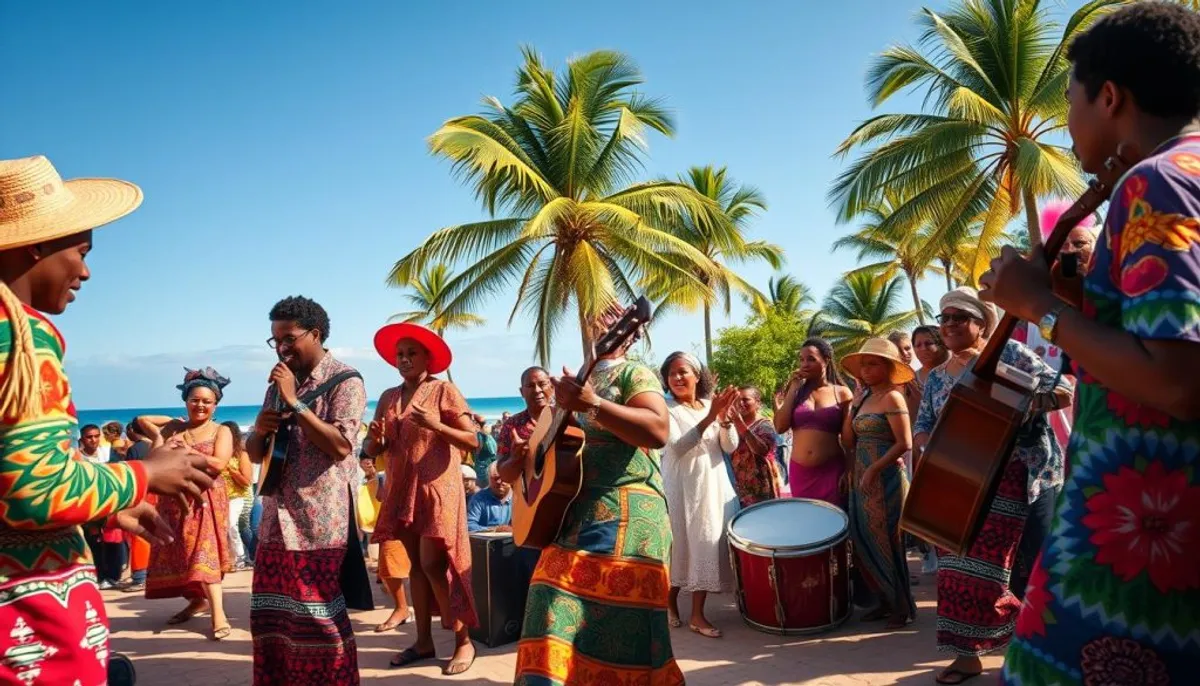
Funaná, coladeira, and batuque offer infectious rhythms. These musics reflect various African and Brazilian influences.
Festivals and Carnivals: Oral Traditions and Celebrations
Festivals enliven the archipelago throughout the year. The carnival in February is among the most spectacular in Africa.
Mindelo and Praia host colorful parades that attract crowds. Each part of the archipelago has its own celebrations.
The Tabanka, celebrated in May-June on São Tiago and Fogo, combines fasting and music. These festivals keep local traditions alive.
The oral tradition also enriches this heritage with tales like Ti Lobo. The magazines Claridade and Certeza have marked intellectual development.
Everyday Cape Verdean Culture: Language, Cuisine, and Heritages
Daily life in Cape Verde is expressed through its flavors and words. These two fundamental aspects reveal how traditions persist in modern life.
Cuisine and Specialties: From Cachupa to Local Drinks
Cape Verdean cuisine finds its emblem in cachupa. This savory stew made with corn and black beans varies according to available resources.
In the morning, inhabitants enjoy cachupa guisado. It is served with onions and fried eggs. Other dishes like pastel con diablo dentro enrich this gastronomy.
Traditional drinks complete the culinary experience. Grogue, made from sugarcane, and Fogo coffee are particularly appreciated.
The Linguistic Wealth: Portuguese and Creole in Service of Identity
Portuguese remains the official language of the country. However, Cape Verdean Creole dominates daily communication.
Sometimes called Kriolu, this language is spoken by 98% of the population. It represents much more than just a communication tool.
In the restaurants of Praia and Mindelo, this linguistic duality creates a unique atmosphere. It testifies to the richness of this heritage.
Conclusion
This Atlantic archipelago offers travelers an authentic cultural experience. Each island reveals a harmonious blend of African traditions and Portuguese influences.
Your stay will lead you from enchanting music to delicious cuisine. The fascinating history unfolds over the days of exploration.
Contemporary vitality is expressed through a free press and recognized literature. UNESCO inscriptions testify to the heritage importance of this archipelago.
Bring back authentic souvenirs like batik or cavaquinho. These items reflect the unique identity of this part of the world.
We invite you to personally discover the capital Praia and the other islands. Experience an immersive journey into this exceptional Cape Verdean culture.
FAQ
What is the official language spoken in the archipelago?
Portuguese is the official language of the country, used in administration and education. However, Cape Verdean Creole is the language of the heart, spoken daily by the population and a true pillar of national identity.
What is the national dish of Cape Verde?
Without a doubt, cachupa! This savory stew, made from corn, black beans, vegetables, and often meat or fish, is the emblematic dish of local cuisine, reflecting the life and resources of the islands.
What are the most well-known traditional music styles?
Morna, often compared to Portuguese fado for its melancholic character, is the most famous music. Funaná, more rhythmic, is also very popular. These musics enliven festivals and carnivals.
What can one visit during a stay in the capital, Praia?
In Praia, the historic plateau offers a journey back in time with its colonial architecture. Restaurants allow you to discover local cuisine. The city is also an excellent base for exploring other islands of the archipelago.
Is there a typical drink that must be tasted?
Yes! Grogue, a spirit distilled from sugarcane, is the national drink. It is enjoyed neat or used in the famous ponche. The local coffee is also excellent.