
At the heart of Central Africa lies a fascinating country, a true crossroads between the Arab world and sub-Saharan Africa. This landlocked territory has seen diverse civilizations blend over the centuries.
Chad currently has 18 million inhabitants, a remarkable growth from the 10 million recorded in 2006. This nation is home to an exceptional ethnic mosaic with over 140 different languages and dialects.
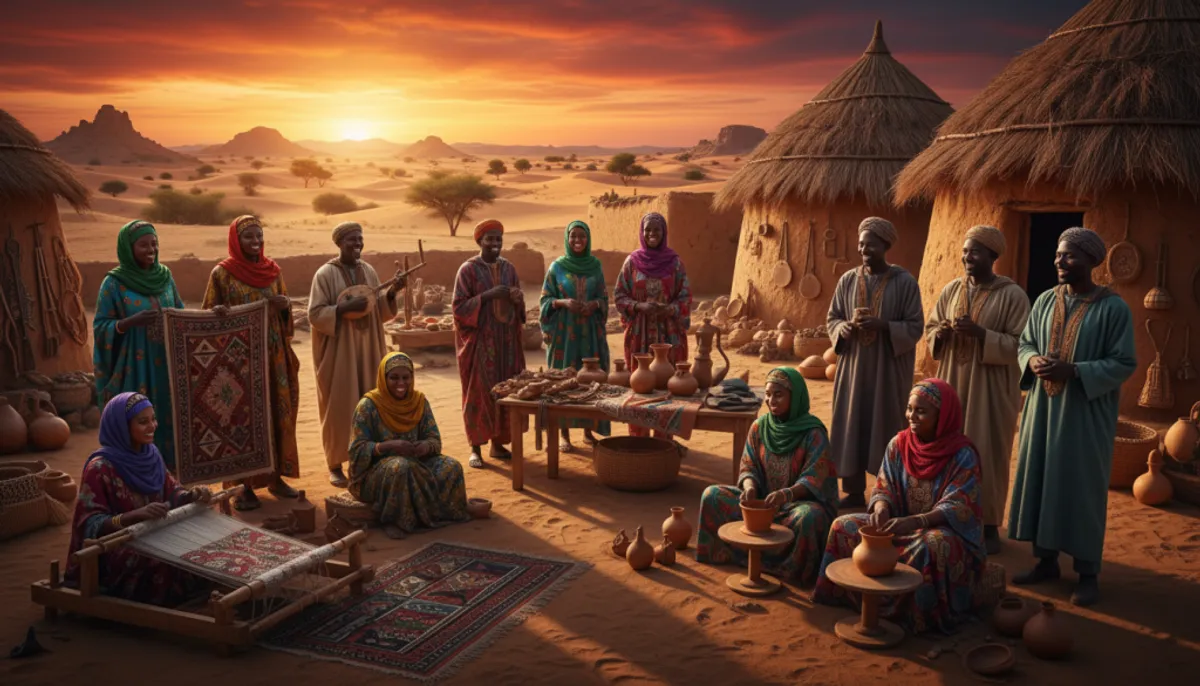
The unique geography of this territory, divided into three distinct zones, has shaped varied lifestyles. From the sedentary south to the Sahara, each region has its ancestral traditions.
The religious diversity further enriches this cultural wealth. Muslims (53.1%) and Christians (40%) coexist harmoniously, creating a unique social fabric. This living heritage continues to evolve while maintaining its deep roots.
Key Points to Remember
- Chad represents a cultural crossroads between the Arab and sub-Saharan Africa
- The country has a growing population of 18 million inhabitants
- Over 140 languages and dialects coexist within the territory
- Three distinct geographical zones influence lifestyles
- A unique religious diversity with Islam and Christianity as the majorities
- A rich cultural heritage combining traditions and modernity
Introduction to Chadian Culture
With 18 million inhabitants recorded in 2022, Chad presents a unique demographic composition. This remarkable growth contrasts with the 6.28 million individuals counted during the first census in 1993.
The history of ghana reveals successive waves of migration. These population movements have created an exceptional blend of traditions and customs.
Trans-Saharan trade played a decisive role in this evolution. Current cultural practices are the result of this long history of exchanges.
The geographical distribution shows striking contrasts. More than half of the peoples are concentrated in the southernmost 10% of the territory.
| Year | Total Population | Under 15 Years | Urban Population |
|---|---|---|---|
| 1993 | 6,280,000 | Not available | Not available |
| 2009 | 11,030,000 | 50.6% | 22% |
| 2022 | 18,000,000 | Estimated >50% | On the rise |
Daily life remains rooted in centuries-old traditions. Despite a high illiteracy rate, intergenerational transmission endures over time.
History and Cultural Evolutions of Chad
For millennia, Chadian territory has been the scene of decisive cultural encounters. These exchanges have shaped a unique history marked by diversity.
Origins and Historical Influences
Trans-Saharan trade played a crucial role. For centuries, it created bridges between different worlds. The caravans transported much more than goods.
Three great kingdoms marked this period. Kanem-Bornu, Baguirmi, and Ouaddaï established lasting political structures. Their social organization still influences some practices today.
Key Periods and Transformations
French colonization, although brief, profoundly changed the country. It introduced new forms of administration. This period marked a turning point in the history of the country.
Independence in 1960 opened a new era. Modern Chad has since sought to reconcile tradition and modernity. This quest for balance characterizes our time.
The north and south developed distinct systems. In the north, hierarchical monarchies. In the south, more egalitarian organizations based on age classes. This difference clearly shows the complex part of the historical heritage.
Chadian Culture
Chad boasts one of the richest linguistic tapestries on the African continent. This diversity reflects the complexity of the ethnic groups that make up the nation.
Diversity of Languages and Peoples
Three language families structure the soundscape of the country. Nilo-Saharan, Afro-Asiatic, and Niger-Congo languages encompass around 140 different dialects.
French and Arabic serve as official languages for administration. However, local languages like Sara remain dominant in the daily lives of the populations.
Cultural Practices and Ancestral Values
Traditional practices continue to structure social organization, including the rich tapestry of savoie traditions. Family and clan represent the fundamental value for all Chadian peoples.
Initiatory rites provide an important framework for expression from childhood. These complex practices transcend differences between communities.
These ancestral values persist despite growing urbanization. They constitute the invisible cement that unites the different cultural values of the country.
Customs and Traditional Rites
Initiation ceremonies represent pivotal moments in the life of each individual. These ancestral traditions deeply structure social identity.
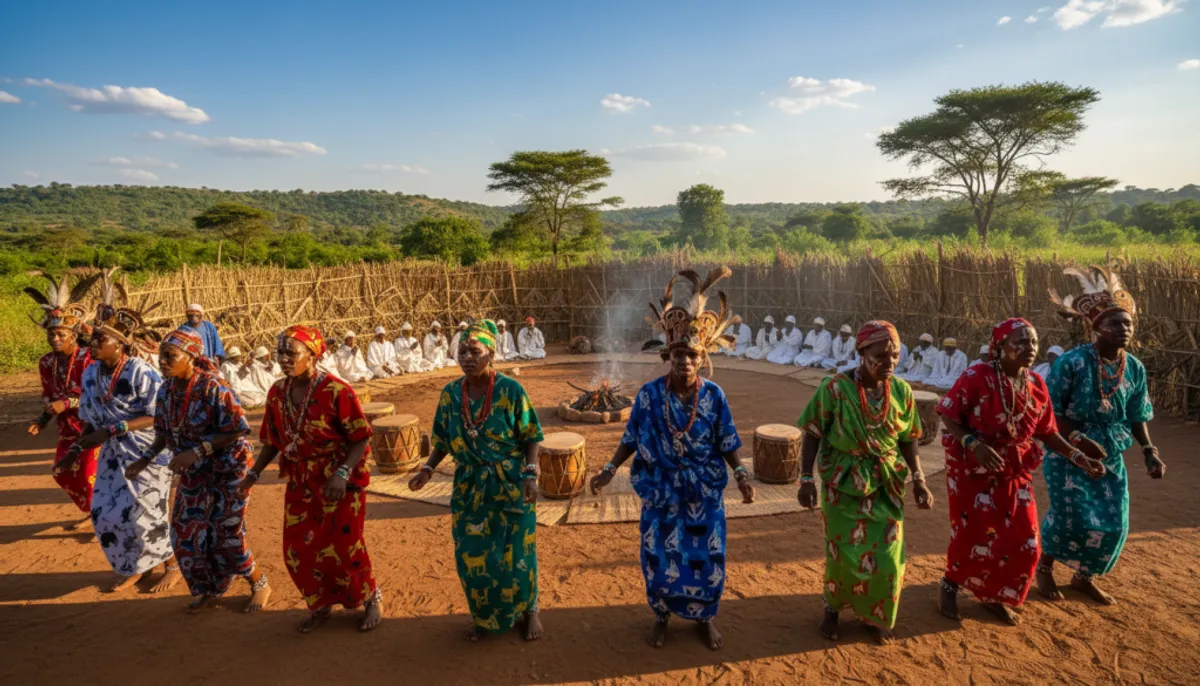
Initiation Rituals and Ancestral Ceremonies
The yondo ritual marks the passage from childhood to adulthood. The child undergoes a symbolic death, presented naked with the body coated in ochre. This initiatory transformation teaches respect for the elders.
Young men learn about suffering and community values. They discover a secret language and reject violence. This process forges their identity as responsible men.
Celebrations, Festivals, and Dietary Restrictions
The annual calendar combines national and religious festivals. Independence Day on August 11 and National Day on December 1 bring together the communities. Agricultural celebrations honor the cycle of the land.
Each ethnic group observes specific dietary restrictions. These prohibitions respect the history of the ancestors and strengthen family ties. Mourning periods remain important moments of gathering.
Cultural and Artistic Heritage
Beyond oral traditions and rites, this country reveals its splendor through a range of remarkable artistic expressions. This artistic heritage testifies to exceptional creativity passed down from generation to generation.Traditional Crafts and Ancestral Techniques
Artisans master ancestral techniques in wood, metal, and pottery work, contributing significantly to art education. The famous Sao ceramics represent a valuable archaeological heritage. Textiles like the Abéché carpets and basketry demonstrate remarkable expertise.
The Kélou Fashion Collective modernizes these skills while respecting their traditional essence. These creations harmoniously blend functionality and aesthetic beauty.
Visual Arts, Graphics, and Decorative Arts
Contemporary artists like Apolinaire Guidimbaye and Tallafe enrich the visual art landscape. The Dabanga collective, founded in 2010, brings together several innovative creators.
Photography is thriving thanks to talents like Abdoulaye Barry. They sensitively capture the diversity of the country. Rock art and petroglyphs complete this fascinating artistic panorama.
Traditional Music and Dances
Traditional rhythms and melodies constitute the vibrant soul of Chadian celebrations. This music holds an essential place in the lives of the communities.
Instruments and Regional Sounds
In the south of the country, the Sara use a wide variety of instruments. Drums, harps, and whistles accompany the famous koundou, a portable xylophone.
In the west, the populations have developed a unique style. High-pitched flutes of the Kotoko and horns of the Kanembou create distinctive sounds.
In the north, professional musicians perpetuate the traditions. They master instruments like the geïta to narrate historical epics.
Dance Movements and Folk Performances
Three major ballets stand out for their spectacular choreographies. The National Ballet, founded in 1989, represents the country internationally.
This ballet has won prestigious awards thanks to its performances. The Francophonie Festival in Canada and the Black Arts Festival in Lagos.
The different regions preserve their ancestral dances. These movements narrate the history of tunisia and values of the communities.
The Ballet Loma and the Ballet Té Bé Bar complete this choreographic panorama. They keep this exceptional heritage alive.
Chadian Literature and Theater
From ancestral tales to contemporary novels, Chadian literature traces a rich and engaged path. For a long time, transmission was primarily oral.
Talented writers later gave a written voice to this heritage. They use French or Arabic to share their vision of the world.
Authors, Playwrights, and Oral Tales
Joseph Brahim Seid, born in 1927, is considered the father of modern literature. His work “A Child from Chad” (1967) captures the beauty of his country.
The generation of the 1970s-1980s produced engaged writers. Antoine Bangui-Rombaye and Maoundoé Naindouba denounced political injustices.
Baba Moustapha, a theater specialist, left a mark with his impactful plays. His work denounces the dictatorships that affect the lives of the populations.
The capital is home to several dynamic theater troupes today. The Living Theater Baba Moustapha and The Contemporaries offer original performances.
The French Institute actively supports this artistic sector. It provides national and international visibility to local talents.
Cinema and Performing Arts
Despite modest means, the country's film production has conquered the international stage. This part of contemporary art represents a remarkable success.
Directors and Notable Films
Mahamat Saleh Haroun dominates the landscape with award-winning works. His film “A Man Who Shouts” won the jury's grand prize at Cannes in 2010.
Issa Serge Coelo sensitively explores social realities. His creations like “Daresalam” testify to a deep commitment.
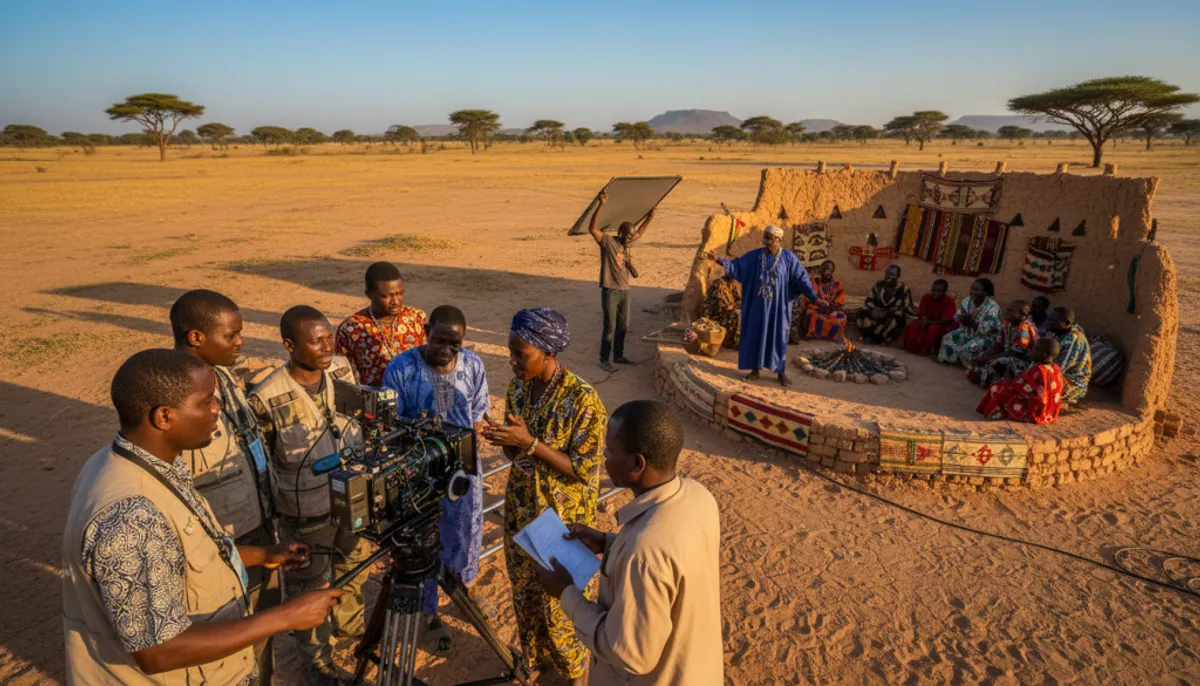
Edouard Sailly was a pioneer from the 1960s. He dedicated a part of his career to documenting the beauty of the territory.
Talented actors have made their mark in this art. Youssouf Djaoro and Mounira Mitchala have delivered memorable performances.
Over time, this cinema has become an essential voice. It offers an authentic perspective on realities while exploring universal themes.
Influence of Islam and Other Religions
At the crossroads of spiritual influences, this country presents an exceptionally rich religious landscape. Islam dominates with 53.1% of adherents, while Christianity gathers 40% of the population.
Impact of Faith on Cultural Practices
Islam transformed political structures as early as the 11th century. It introduced hierarchical monarchies inspired by Eastern models. This religion plays a central role in daily life.
The five daily prayers and dietary restrictions structure time. Religious holidays like Eid bring communities together. Christianity mainly influences the south and the capital.
Coexistence of Traditional and Modern Beliefs
A unique syncretism characterizes this nation. Animist cults persist among some populations. The men of the south maintain their ancestral traditions.
Despite historical tensions, this diversity constitutes an essential part of national identity. Muslims and Christians often share the same spaces. They participate in each other's celebrations.
Social Life and Family Traditions
The Chadian social fabric finds its strength in family ties that transcend generations. The extended family and clan represent the fundamental pillars of any organization.
Role of Family Ties and Communities
Being born and giving birth constitutes the most important reality. This fundamental value structures all spheres of existence.
The family plays a determining role in marriage alliances. Polygamy is still practiced, particularly in Muslim communities.
Ethnic differences influence practices. The uncircumcised bilala woman is more sought after for marriage. Her dowry price reflects this particularity.
Villages function as extended families. Mutual aid systems support daily life. This solidarity is essential for 83% of the active population dependent on agriculture.
| Aspect of Life | Percentage | Social Impact |
|---|---|---|
| Traditional Housing | 88.6% | Maintenance of ancestral lifestyles |
| Consumption of Unsafe Water | 76.4% | Constant Health Challenges |
| Access to Electricity | 1% | Precarious Living Conditions |
In the south, social organization revolves around age classes. Initiated men and women create lasting bonds. These parallel networks strengthen cohesion.
Family life navigates between traditions and cultural modernity. Ancestral values persist despite contemporary challenges. The family remains a refuge in difficult conditions.
Diversity of Regions and Populations
The geography of Chad outlines a demographic map with striking contrasts. The 2009 census reveals a very uneven distribution of the population across the territory.
More than half of the inhabitants are concentrated in only 10% of the country, primarily in the south. This southern part forms the true national granary.
Population densities vary greatly from one area to another. The Western Logone reaches 52.4 inhabitants/km² while the desert north does not exceed 0.1 inhabitants/km².
Focus on the South, North, West, and the Rest of the Country
In the south, sedentary peoples like the Sara dominate agriculture. They represent 34% of the total population and cultivate fertile land.
The Sahelian north is home to nomadic communities adapted to arid conditions. Their pastoral herding constitutes the main economic activity.
In the west, there is a remarkable ethnic mosaic:
- The Kanembou practice agriculture and herding around Kanem
- The Bilala live off fishing and rice cultivation near Lake Fitri
- The Kouka combine crops and livestock between Ati and Oum Hadjer
The central regions like Ouaddaï have 721,000 inhabitants. The Hadjeray inhabit the Guéra mountains, preserving mountain traditions.
Each people has developed lifestyles adapted to their land. This diversity creates an exceptional human wealth across all regions of the country.
Cultural Tourism and Historical Attractions
Visitors to Chad discover an exceptional heritage that deserves international recognition. Despite some security limitations, the country offers authentic experiences to intrepid travelers.
Heritage Sites and National Museums
The National Museum located in the capital preserves valuable archaeological collections. UNESCO sites testify to the historical richness of this African land.
The Abéché Mosque and traditional round huts illustrate architectural diversity. The Tessaly sites reveal fascinating prehistoric remains.
Tourist Routes and Local Experiences
The guelta of Archei offers landscapes of rare beauty with its camels coming to drink. Tours allow for the discovery of local crafts and folk dances.
Meetings with artisans occupy a central place in the tourist experience. Visitors discover local gastronomy through authentic traditional dishes.
This promising sector values a living heritage that enriches the art of traveling in Central Africa.
Conclusion
This comprehensive panorama demonstrates that Chad is home to remarkable cultural diversity, the result of centuries of exchanges and mixing. This country constitutes a true crossroads between the Arab and sub-Saharan worlds, creating a unique identity and serving as a source of creative inspiration.
Despite certain limitations imposed by economic challenges, the cultural heritage testifies to exceptional resilience. Ancestral traditions coexist harmoniously with modernity.
The transmission to future generations represents a crucial issue. Thanks to artists and artisans, each person contributes their part to this preservation over time.
In the face of contemporary challenges like urbanization, fundamental values persist. The attachment to the land and solidarity guide the people in this changing world.
This dynamic culture has the power to adapt without losing its soul. This capacity for evolution constitutes its greatest strength for the 21st century.
FAQ
What is the most spoken language in Chad?
French and Arabic are the two official languages. However, there are over 120 local languages! Sara is very present in the south, while Chadian Arabic is widely used for trade throughout the country.
How is family perceived in Chadian society?
The family plays a central role. Family and community ties are very strong. Important decisions often involve the entire extended family, and respect for elders is a fundamental value.
What are the typical dishes to try in Chad?
The cuisine is delicious and varied! Boule, a dough made from millet, is the staple food. It is often accompanied by sauces, such as peanut sauce or okra sauce. Grilled meat from livestock is also highly appreciated.
Is Chadian craftsmanship renowned?
Absolutely! Craftsmanship is a living heritage. Artisans excel in leatherwork, basketry, and pottery. Each region has its specialties and ancestral techniques, creating uniquely beautiful objects.
What are the major traditional festivals?
Celebrations punctuate life. There are religious holidays, like the end of Ramadan, and ancestral ceremonies, such as initiation rituals. These events are marked by music and dance, as well as beautiful traditional outfits.
Can we visit important historical sites?
Yes, the country is full of treasures! The archaeological site of Ouara, the rock engravings of Ennedi, and the national museum in N'Djamena, the capital, immerse you in a rich and fascinating history.