
Welcome to a journey to the heart of a millennial treasure. Nestled in South Asia, Bangladesh reveals a heritage of extraordinary richness. This country captivates with its authenticity and vibrant diversity.
Its unique identity has been shaped over more than 2,500 years of history. Multiple religions and civilizations have left their mark. This fusion has given birth to a remarkable cultural expression.
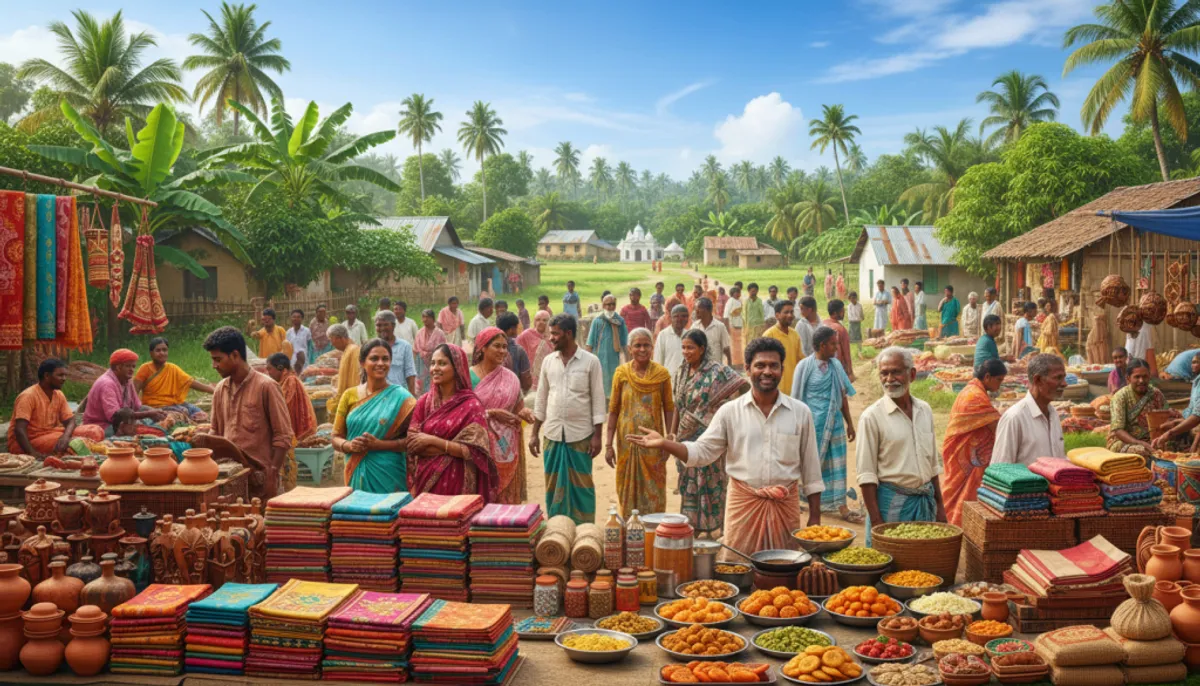
This culture embodies much more than a simple set of traditions. It represents the soul of a resilient nation. It has managed to preserve its heritage while engaging with the modern world.
Prepare to explore a society where spirituality, art, and language intertwine. Every aspect of daily life reflects a rich and complex history. This article guides you to grasp its full depth.
Key Points to Remember
- Bangladesh has a millennial cultural heritage of great diversity.
- Its identity is the result of 2,500 years of history and multiple influences, reflecting its rich history and heritage.
- The culture is vibrant, combining heritage preservation with adaptation to the present.
- It is a vibrant society where spirituality, arts, and traditions are closely linked.
- The independence of 1971 marked a crucial step in the construction of national identity.
- Every detail of daily life reflects the richness and complexity of this history.
Introduction to Bangladeshi Culture
Imagine a country where nearly 162 million inhabitants share a common language and history. This culture is a complex blend, 2,500 years old.
Defining "Bangladeshi Culture"
It integrates several religions and traditions that coexist. Islam is practiced by the vast majority of the population.
There are also Hindu and Buddhist communities. The country is ethnically homogeneous, with 98% Bengalis. This unity facilitates remarkable social cohesion.
Historical and Geographical Context
Modern history is marked by the Partition of 1947. It divided Bengal. Bangladesh finally gained its independence in 1971 after a war.
Geographically, the country is located in the fertile delta of the Ganges. This position has influenced its exchanges with neighboring civilizations.
The Bengali language unites citizens. It is a fundamental pillar of national identity.
History and Heritage of Bangladesh
The soil of Bangladesh holds traces of civilizations that have succeeded one another for over two millennia. This heritage continues to shape the identity of the nation today.
From Ancient Civilizations to Modern Influences
The history dates back over 2,500 years. Sites like Mahasthangarh show continuous human occupation.
Buddhism first marked the country for several centuries. Then, Hinduism brought its own influence.
Bengali architecture later integrated Islamic styles. The British colonial period lasted nearly two hundred years.
Historical Sites and Iconic Monuments
The ruins of Paharpur testify to the golden age of Buddhism. This monastic site is impressive.
Bagerhat houses over 50 Islamic monuments from the 15th century. Its mosque with sixty domes is famous.
The Lalbagh Fort in Dhaka dates back to the 17th century. It perfectly illustrates Mughal architecture adapted to Bengali traditions.
These places are not just stones. They are living witnesses of a unique heritage. They tell a rich history that still inspires national pride.
Diversity of Traditions and Customs
A year in Bangladesh is marked by a succession of celebrations that transcend religious differences. This unique festive calendar in South Asia illustrates remarkable peaceful coexistence.
Festivals, Rites, and Celebrations
Pohela Boishakh marks the first day of the Bengali calendar. All citizens celebrate it together, regardless of their religion. This ancestral tradition symbolizes strong national unity.
Islamic festivals like Eid al-Fitr enliven the religious life of the majority. On the other hand, Durga Puja remains the main celebration for Hindu communities. Millions participate each year.
Traditional weddings last several days. They include gaye holud, beeya, and bou bhaat. Each stage has a profound meaning.
The Independence Day and Language Movement Day honor modern history. In the Chittagong Hill Tracts, Buddhism maintains its living practices.
These events strengthen social cohesion. They allow for valuable transmission between generations. Each tradition thus contributes to preserving a common heritage while respecting diversity.
Religions and Spirituality in Bangladeshi Culture
The spiritual landscape of Bangladesh is shaped like a rich and complex mosaic. Religion occupies a central place, influencing social values and daily life.
Islam, Hinduism, and Other Faiths
Islam is practiced by the vast majority of inhabitants, about 90.4%. This practice is often moderate. It blends Sufi traditions and local customs.
Hinduism constitutes the second faith in the country with 8.5% of the population. Hindu communities keep their ancestral rituals alive.
Buddhism, although a minority (0.6%), holds historical significance. Buddhists are primarily found in the Chittagong hills.
Christians (0.4%) and followers of movements like the Baul enrich this picture. This coexistence demonstrates remarkable spiritual pluralism.
| Religion | Approximate Percentage | Notable Characteristic |
|---|---|---|
| Islam | 90.4% | Majority religion, often moderate practice influenced by Sufism. |
| Hinduism | 8.5% | Second religion in the country, vibrant traditions in certain regions. |
| Buddhism | 0.6% | Historical significance, strong presence in the Chittagong hills. |
| Christianity & Others | ~1% | Small dynamic communities and syncretic Bengali folk religions. |
Bengali Languages and Literature
The history of the Bengali language is a tale of resistance and rebirth.
Language Evolution and Literary Expression
In the 19th century, a division existed. The Muslim aristocracy favored Persian and Urdu. The peasant masses spoke only Bengali.
The issue was resolved around 1930. But after 1947, the Pakistani power tried to impose Urdu. This sparked fierce opposition.
The 1952 language movement became an eternal symbol. Students died defending their right to speak Bengali.
The final victory came in 1972. The new Constitution made Bengali the sole national language.
Literature has experienced golden ages. The Middle Bengali period (15th-18th centuries) was followed by the Renaissance.
Rabindranath Tagore is the most famous figure. Later, the Hungry Generation movement (1960s) brought a rebellious breath.
In the 19th century, the sādhu bhāṣā, a highly Sanskritized form, alienated many Muslims. They later fully reinvested in this literature.
Today, English coexists in higher education. But it does not threaten the predominance of Bengali in everyday life.
This language remains a living pillar of artistic expression and collective identity.
Visual Arts and Traditional Crafts
The creative hands of Bangladesh have shaped an artistic heritage of stunning beauty. This visual and manual heritage tells centuries of history and innovation.
It embodies the soul of a people through vibrant forms and colors.
Painting, Sculpture, and Architecture
Modern visual arts owe much to Zainul Abedin. Considered the father of modern art, he inspired an entire generation.
Masters like Quamrul Hassan and SM Sultan followed. Their work merges local traditions with 20th-century currents.
Their distinctive style reflects both social realities and the surrounding nature. Architecture bears witness to a unique blend of influences.
From ancient temples to Mughal mosques, each era has left its mark. Architect Muzharul Islam symbolizes this evolution towards modernity.
Textiles, Pottery, and Jewelry
Craftsmanship plays a vital role in the transmission of culture. Ancestral know-how is passed down from generation to generation.
The Jamdani textile is world-renowned. This embroidered muslin has been listed as UNESCO heritage since 2013.
The nakshi kantha, an embroidered patchwork, transforms old fabrics into narrative works. Pottery, metalwork, and jewelry also thrive.
These traditional arts elegantly adapt to contemporary tastes. They thus ensure their survival over time.
Music and Dance: Artistic Expressions
From mystical chants to contemporary rhythms, music tells the soul of a nation. The art of performance is structured around three major pillars.
They reflect different facets of life and collective identity. Each style has its own emotional language.
Classical, Folk, and Modern Styles
The classical style draws its influence from the traditions of the Indian subcontinent. It incorporates refined dances like bharata natyam and kuchipudi.
These forms retain a deep spiritual essence. Popular dances, such as monipuri and santal, enrich the national repertoire.
The folk music tradition is exceptionally rich. It includes genres like folk music, bhatiali, baul, marfati, and bhawaiya.
Their lyrics evoke spirituality, mysticism, and love. Legendary figures have marked this heritage.
Philosopher-poet Lalon Shah, Hason Raja, and Abbas Uddin are pillars. Their work continues to inspire today's artists.
Rabindra Sangeet and the compositions of Kazi Nazrul Islam form a pillar of Bengali musical literature, reflecting the rich literary tradition of the region.
Unique instruments bring these melodies to life. The bamboo flute (banshi), drums (dole), and the ektara produce characteristic sounds.
Modern dance and music integrate Western elements. Bengali rock bands create innovative fusions.
This creative vitality testifies to a culture of artistic renewal. It engages with contemporary life while honoring its roots.
Bengali Cuisine: A Culinary Journey
Prepare your taste buds for an unforgettable culinary adventure in Bangladesh. Every meal is a celebration of bold flavors and fresh ingredients.
This cuisine forms an essential part of national identity. It reflects the generosity of the local nature and the warmth of its people.
Iconic Dishes and Regional Specialties
Fish plays a central role in daily nutrition. The rivers and the sea provide an incredible variety.
Rice forms the base of every meal. It is cultivated in the fertile plains of this country.
Specialties vary from one region to another. The north offers spicy dishes, while the south provides milder flavors.
Bangladeshi biryani is the ultimate festive dish. It combines fragrant rice, meat, and a sophisticated blend of spices.
Curries, with their rich sauces, are a staple of family life. They pair perfectly with plain rice.
The sweet part of the meal is just as important. Desserts like rasgulla and chomchom, made from milk, crown the feasts.
Each region has its recipes passed down from generation to generation. They narrate the history and resources of this country.
This culinary diversity enriches social life and moments of sharing. It is the beating heart of a living tradition.
Everyday Life and Sociocultural Practices
Every day in Bangladesh illustrates a unique balance between ancestral customs and modernity. Life is organized around the extended family, a fundamental pillar of society.
Several generations often coexist under one roof. Members share responsibilities and resources in a spirit of solidarity.
The elderly enjoy particular respect. They actively participate in major decisions regarding education or marriage.
The rhythm of time is marked by the five daily prayers for the Muslim majority. These moments create spiritual pauses that punctuate activities.
The traditional domestic space fosters community life. An inner courtyard often serves as a setting for family gatherings and exchanges.
The Bengali language permeates all aspects of life. From household conversations to market transactions, it unites the members of society.
Politeness codes are refined. Hospitality towards guests is a cardinal value.
Leisure time is dedicated to discussions over tea, visits, or community events. Modern technologies are also transforming lifestyles.
| Aspect of Daily Life | Traditional Characteristic | Modern Influence |
|---|---|---|
| Family Structure | Coexistence of multiple generations, roles defined by age. | Smaller apartments in the city, maintaining strong ties. |
| Daily Rhythm | Punctuated by calls to prayer and family meals. | Fixed working hours, use of apps to manage time. |
| Domestic Space | Central courtyard as a vital part of the house. | Modern living rooms, but preservation of a common space. |
| Leisure and Communication | In-person visits, prolonged conversations. | Use of social media and phones to stay connected. |
This part of existence thus combines traditions and adaptations. It preserves the values of family while engaging with the present.
Traditional Sports and Recreation
In Bangladesh, sports are much more than mere entertainment. They are a powerful vector of national unity and collective pride. Sports activities bring together all generations.
Cricket has become a true passion for the population. Since gaining full membership in the International Cricket Council in 2000, the country has participated in the world's biggest competitions. Matches of the national team create moments of shared joy.
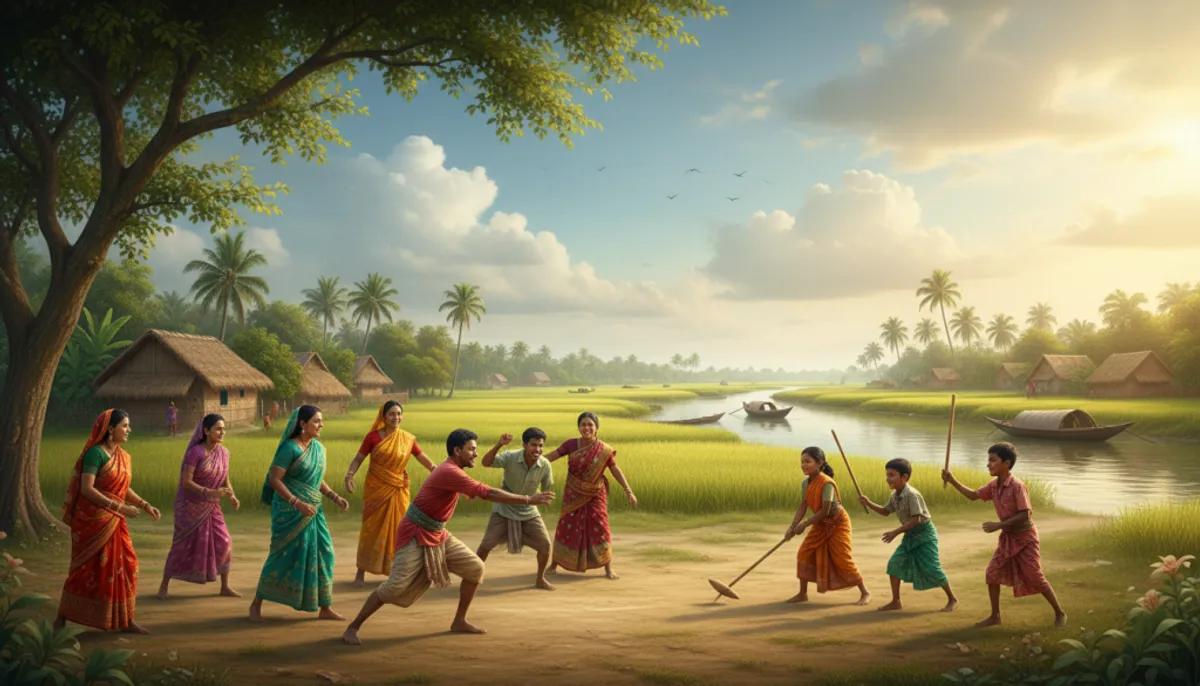
Football also plays a significant role in sporting life. The Bangladesh Football Federation organizes a dynamic national championship. Clubs excite fans across the territory.
Kabaddi remains very popular, especially in rural areas. This traditional sport represents a strong link to ancestral customs. It embodies an important part of regional identity.
The Bangabandhu National Stadium in Dhaka is the temple of national sport. This iconic place hosts major events and symbolizes collective pride. It testifies to the importance of physical activities in this country.
Athletes regularly participate in the Olympics and Commonwealth Games. These competitions offer a valuable international showcase. They allow local talents to shine on the world stage.
Traditional leisure activities also include nuntaa and various outdoor games. These playful practices keep Bengali traditions alive. They contribute to social cohesion and offer moments of sharing.
The Role of Women and Men in Society
The dynamic between women and men in Bangladesh is evolving, blending traditional heritage with modern aspirations.
Traditional Evolutions and Contemporary Influences
The role of women has significantly changed over time. Once centered around the family, they now actively participate in education and the economy.
Their political rise is remarkable. Two women, Sheikh Hasina and Khaleda Zia, have held the position of Prime Minister.
In ceremonies like marriage, the place of the future bride remains central. The gaye holud celebrates her with henna application. Her explicit consent is required before the kazi.
The man often retains traditional economic responsibility. This dynamic evolves with urbanization and women's work.
He also participates in nuptial rituals. The government promotes equality through scholarships for girls.
The society is undergoing a transition. Generational tensions coexist with mutual respect within family life.
| Aspect | Traditional Role | Contemporary Evolution |
|---|---|---|
| Economic Role | The man as the primary provider. | Increasing participation of women in the labor market. |
| Political Sphere | Predominantly male domain. | Access to the highest level, with two female Prime Ministers. |
| Marriage Ceremony | Strict gender roles (ghotok, dot). | Explicit consent of the woman valued, contestation of the dowry. |
| Education | Priority often given to boys. | Government scholarship programs boosting girls' education. |
| Family Structure | Patriarchal authority, defined place. | Negotiation of roles, seeking complementarity. |
This evolution gradually redefines positions in society, in harmony with its fundamental values.
Bangladeshi Culture and Its Influence in South Asia
Bangladesh occupies a unique place on the cultural map of South Asia. Its independence in 1971 affirmed a distinct identity rooted in its ancient civilization. It stands out from India and Pakistan while sharing historical ties.
Regional Comparisons and Influences
This identity radiates beyond borders. It creates a transnational Bengali space with Indian West Bengal. About sixty million people there speak the same language.
The vast majority of Bengalis, around one hundred twenty-five million, live in Bangladesh. This makes it the main guardian of this tradition on a global scale.
Regional influences are numerous. The country shares artistic and literary traditions with India. Its specificity lies in its majority Muslim identity.
An official report from 1989 recommended establishing links with three entities.
Bangladesh should connect with the Western world, the Far East, and the Muslim world.
The geographical nature, the Ganges delta, has always favored exchanges. This region of South Asia is extraordinarily diverse. The country contributes with its unique synthesis of heritages.
It thus exerts an influence that transcends its borders. It is a vibrant and influential part of all of South Asia.
Cultural Heritage Transmission
From museums to festivals, various channels ensure the vitality of heritage. This transmission benefits from international recognition and concerted local actions.
Museums, Festivals, and UNESCO Initiatives
UNESCO has inscribed intangible treasures. These include the Baul songs (2008) and the art of Jamdani weaving (2013).
The Mangal Shobhajatra of the Bengali New Year (2016) and the weaving of shital pati (2017) are also recognized. These labels protect a living heritage.
Museums, like the Zainul-Abedin Museum, preserve major works. They allow young people to discover their heritage.
Popular festivals, such as Pohela Boishakh, mobilize millions of people. They create strong moments of collective celebration.
Government Actions and Civil Society
The government established a National Commission for Culture in 1988. Chaired by Syed Ali Ahsan, it published a comprehensive report in 1989.
This document covered all domains: language, literature, arts, and research. It laid the foundations for cultural policies.
The Bangla Akademi, supported by the state, actively promotes the language and literature. It organizes awards and publishes fundamental works.
Civil society and members of artistic communities are essential. They carry the traditions of traditional crafts and evolve them with their time.| Actor / Initiative | Concrete Example | Impact on Transmission |
|---|---|---|
| UNESCO | Inscription of Jamdani and Baul songs | Global recognition and official protection framework. |
| National Museums | Zainul-Abedin Museum | Preservation and exhibition of artistic treasures for education. |
| Government | National Commission for Culture (1988) | Development of a comprehensive cultural policy covering all domains. |
| Civil Society | Pohela Boishakh Festival | Massive celebration and living transmission of identity through participation. |
Together, these efforts ensure that the rich heritage remains a dynamic force. It renews itself for generations to come.
Theater and Cinema: A Living and Engaged Scene
The stage and the silver screen vibrate to the rhythm of social concerns in Bangladesh. Theater draws from both a rich local heritage and Western influences.
Jatra, a traditional art folk form, is performed outdoors. It captivates audiences with its tales of mythological heroes and romantic dramas.
Modern theater, influenced by English traditions, is decidedly engaged. It serves as a platform to denounce injustices.
The stage is an arena where society confronts itself and questions its contradictions.
The country's cinema also has a rich history. Talented directors have created acclaimed works, often centered on pressing social issues.
| Aspect | Traditional Theater (Jatra) | Modern Theater & Cinema |
|---|---|---|
| Performance Space | Outdoor stage, community space. | Equipped halls, cinemas, international festivals. |
| Themes Addressed | Mythology, folk tales, tragic love. | Social critique, poverty, women's rights, national identity. |
| Stylistic Influences | Oral narratives, local music and dance. | Western dramaturgy, auteur cinema, neorealism. |
| Social Role | Popular entertainment and transmission of ancestral narratives. | Vector of awareness, mirror of contemporary issues. |
These performing arts form a vibrant culture. They create a permanent dialogue between tradition and modernity, essential for understanding the country in the present time.
Cultural Policies and Governance
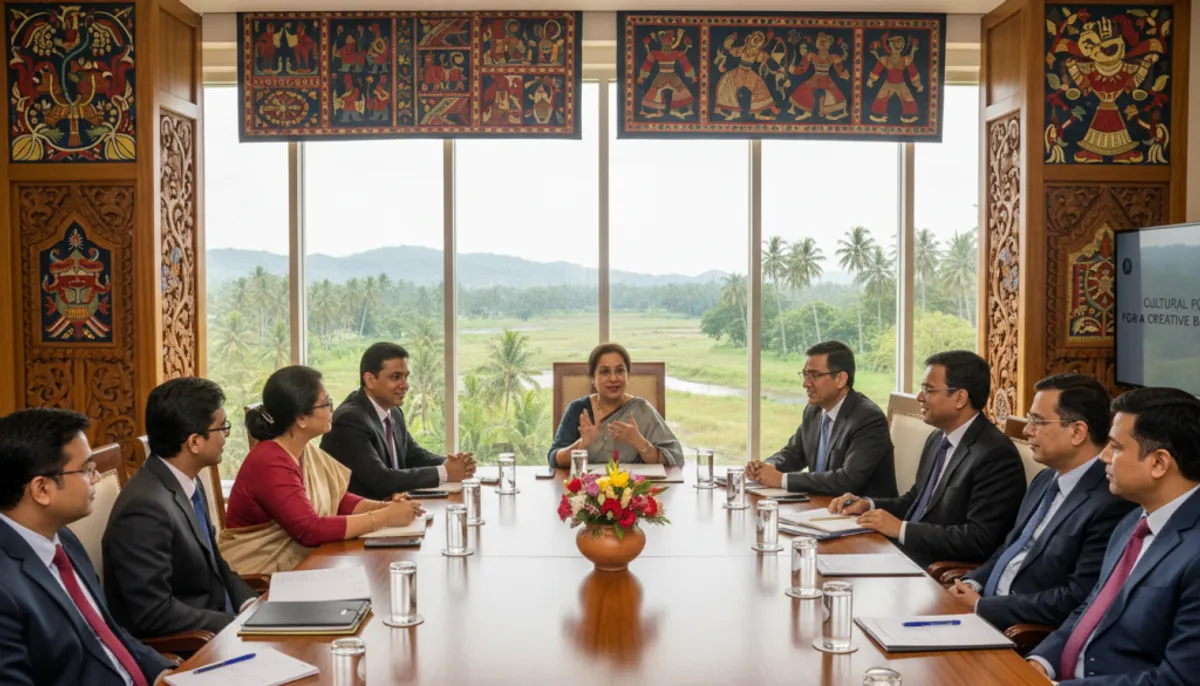
The legal definition of national identity has been a burning political issue since 1971. Fundamental texts have evolved significantly, reflecting deep tensions.
From Post-Independence to Recent Reforms
At independence, Sheikh Mujibur Rahman's government set four principles. These were nationalism, socialism, democracy, and secularism. Islam was not mentioned.
This framework radically changed a few years later. In 1977, Ziaur Rahman introduced Islam into the Constitution. He replaced secularism with faith in Allah.
This movement also changed the term for citizenship. It shifted from "Bengali" to "Bangladeshi." The official reason was the pressure from tribal minorities.
The real objective was a cultural separation from Indian Bengal. General Ershad intensified this direction in 1988. He declared Islam the state religion through constitutional amendment.
These changes in the political domain had a clear cause. They aimed to forge a distinct identity, blending Bengali heritage and belonging to the Muslim world.
This constitutional movement still shapes debates today. The balance between secular and Islamic visions animates the political scene. It continues to shape the identity of the country in the 21st century.
Conclusion
At the end of this exploration, the extraordinary richness of Bangladesh stands out as an undeniable fact. Its heritage, forged over more than two thousand five hundred years, forms a living and dynamic legacy.
Each domain described – from arts to cuisine, from spirituality to daily life – attests to remarkable creativity. The inhabitants have managed to integrate diverse influences over the centuries.
They have preserved the essence of their Bengali identity. This culture is not a frozen museum, but a force in motion.
It engages with the modern world while honoring its roots. Current challenges, such as globalization, are also opportunities for innovation and radiance.
Understanding this country is primarily about appreciating the vibrant soul of its inhabitants and the depth of their shared history.
FAQ
What is the main religion practiced in Bangladesh?
Islam is the majority faith, practiced by a large part of the population. Hinduism constitutes the main religious minority. This coexistence profoundly influences traditions, festivals, and social life in the country.
What language is spoken in Bangladesh?
The official language is Bengali, an Indo-Aryan language with a rich literature. English is also used in administration, business, and higher education, playing an important role in the professional world.
What are the most important festivals?
Major celebrations reflect the diversity of inhabitants. Eid, the Bengali New Year (Pohela Boishakh), and Durga Puja are significant moments. These festive activities strengthen community ties and highlight the living heritage of the region.
How is the family structured in society?
The extended family occupies a central place, often multigenerational. Members maintain strong ties, with traditional roles evolving under the influence of modern urban life. Respect for elders is fundamental.
What traditional arts are famous?
The country is renowned for its textile arts, such as Jamdani, and its craftsmanship. Classical music (Rabindra Sangeet) and folk dances also occupy an essential cultural space. Theater and cinema play an engaged social role.
What sport is a true national passion?
Cricket is much more than a game; it is a unifying passion. Football and kabaddi, a traditional contact sport, are also very popular. These activities bring together all generations.
How is cultural heritage preserved?
Preservation occurs through museums, education, and festivals. The government and organizations support initiatives, some in collaboration with UNESCO, to protect historical sites and know-how against the challenges of time.