
Welcome to a captivating exploration of the unique identity of New Zealand. This island nation in the South Pacific enchants travelers with its harmonious blend of ancestral traditions and modernity.
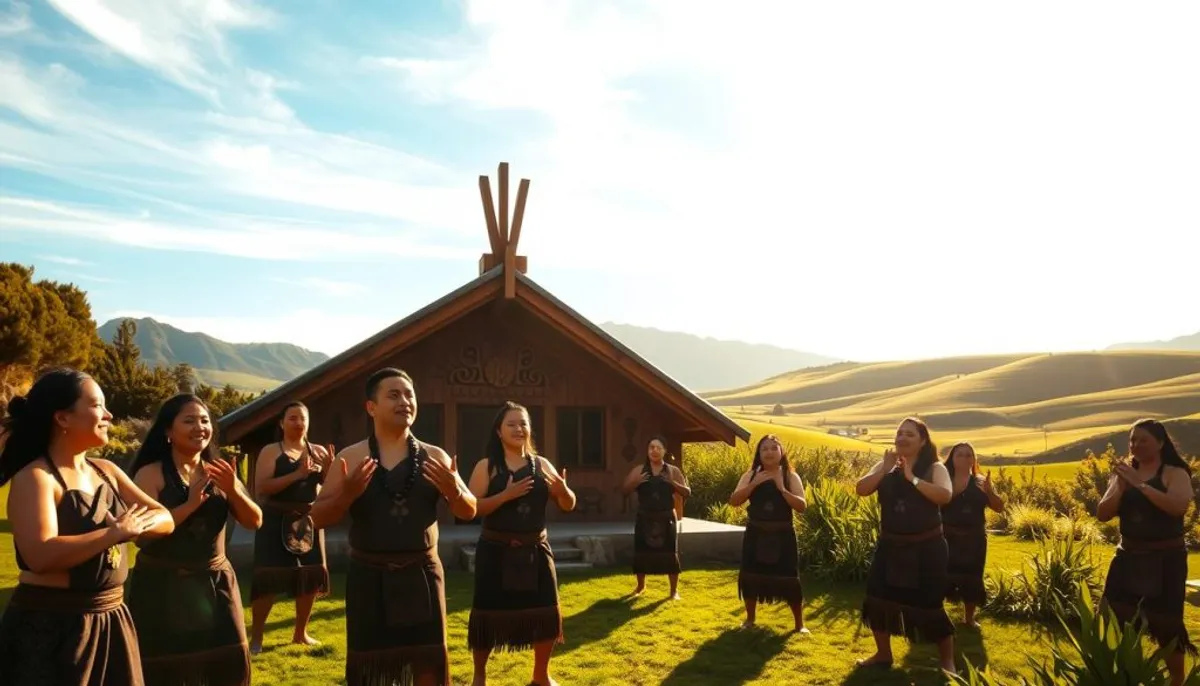
You will discover a universe where the rich and vibrant Māori heritage coexists with British influence. This fusion creates an open and warm society.
Beyond the breathtaking landscapes, daily life reflects values of equality and respect. Prepare for your journey or simply enrich your knowledge.
This guide accompanies you in discovering a country where friendliness and authenticity reign. Dive into the heart of the New Zealand experience.
Key Points to Remember
- New Zealand offers a unique culture, a blend of Māori heritage and British influence.
- It is a destination that attracts with its authenticity and sense of escape.
- The modern society values equality, friendliness, and openness to the world.
- The country is much more than its landscapes; it is a true cultural laboratory.
- This guide is designed for travelers and the curious who wish to deepen their knowledge.
- The respect for traditions coexists harmoniously with a contemporary way of life.
- Additionally, the fnac acceptance of cultural vouchers provides an opportunity for visitors to engage with the local arts and culture.
Introduction to New Zealand Culture
The history of New Zealand is a recent epic, marked by the meeting of two worlds. To grasp the essence of this country, it is essential to dive into its unique past.
Historical and Identity Context
Human occupation here is very young. The first Polynesians arrived only eleven centuries ago. They developed a rich society, the Māori.
In the 19th century, British settlers landed. Their arrival disrupted island life. From these sometimes difficult exchanges, a common identity emerged.
Presentation of the Cultural Melting Pot
This dual origin is the foundation of a fascinating blend. Māori culture and British heritage form the bedrock.
Today, this mosaic has been enriched. It now includes significant Asian and Pacific influences.
The current population reflects this diversity:
- A majority of European descent (Pākehā)
- 16.5% Māori
- Dynamic Asian and Polynesian communities
This coexistence creates a unique New Zealand society, where tradition and modernity engage in dialogue. The country is a true social laboratory, and understanding the criteria to obtain the culture pass can enhance your experience here.
Māori Heritage and Ancestral Traditions
Māori traditions are not mere relics of the past but living practices. They still structure community life today around fundamental values.
Rituals and Sacred Symbols
Society is organized into iwi (tribes), hapu (clans), and whanau (families). This structure strengthens the bonds between generations.
Two concepts guide behaviors: mana (spiritual prestige) and tapu (sacredness). They influence social relationships and respect for traditions.
The Importance of Marae and Powhiri
The marae is much more than a gathering place. It is a sacred space where important ceremonies take place.
The powhiri, a welcoming ceremony, combines speeches, songs, and dances. It symbolizes hospitality and creates an immediate bond with visitors.
The hongi, a traditional greeting, unites people through the sharing of breath. These rituals hold a place of essential importance in contemporary society.
Pākehā Culture: Traditions and Modernity
Beyond Māori heritage, the culture of European settlers has profoundly shaped contemporary society. The Pākehā represent the majority of the population of British descent.
Their identity has gradually built since the arrival of the first settlers in the 19th century. These pioneers imported their Victorian traditions and Christian values.
British Influences and Cultural Evolution
Over time, this culture developed distinctive traits. Marked egalitarianism and a practical mentality have emerged.
Adapting to living conditions in this isolated country has fostered the emergence of a strong community spirit. Resourcefulness has become a central value.
“The Pākehā identity is not a copy of England, but an original creation born of distance and necessity.”
Traditional Aspect Modern Characteristic Notable Evolution Strict Victorian heritage Pronounced social egalitarianism Towards a more horizontal society Strong religiosity Decline of religious practices Progressive secularization Attachment to the "motherland" Asserted New Zealand identity Cultural emancipation Elitist culture Valuing pragmatism Relative anti-intellectualism The Kiwiana of the 1950s illustrates this very visible popular culture today. It contrasts with the relative discretion of more traditional arts.
This evolution reflects the unique history of a people that has managed to create its own path. The debate on Pākehā identity remains vibrant and enriching.
Official Languages and Their Richness
Three languages coexist officially on this island territory of the Pacific. This unique recognition reflects the complex history and commitment to diversity.
New Zealand English and Its Particularities
English remains the dominant language, spoken by over 3.6 million people. This variant has distinct phonetic characteristics.
Its accent shows Scottish and Irish influences. The flatter "i" constitutes its most marked difference. Many Māori words enrich everyday vocabulary.
The Māori Language and NZSL
Te reo Māori has experienced a spectacular renaissance since the 1970s. It became an official language in 1987, and today has about 157,000 speakers.
The New Zealand Sign Language (NZSL) complements this unique trio. Officially recognized in 2006, it incorporates local concepts while sharing 62% similarities with British Sign Language.
Beyond these three languages, the country hosts 176 different languages. This linguistic diversity reflects the multicultural character of its population.
Rugby and the Spirit of the All Blacks
The All Blacks represent much more than a sports team for this nation. Rugby is taught from primary school and has 600,000 practitioners among 4.5 million inhabitants.
The Haka: Expression of Pride and Challenge
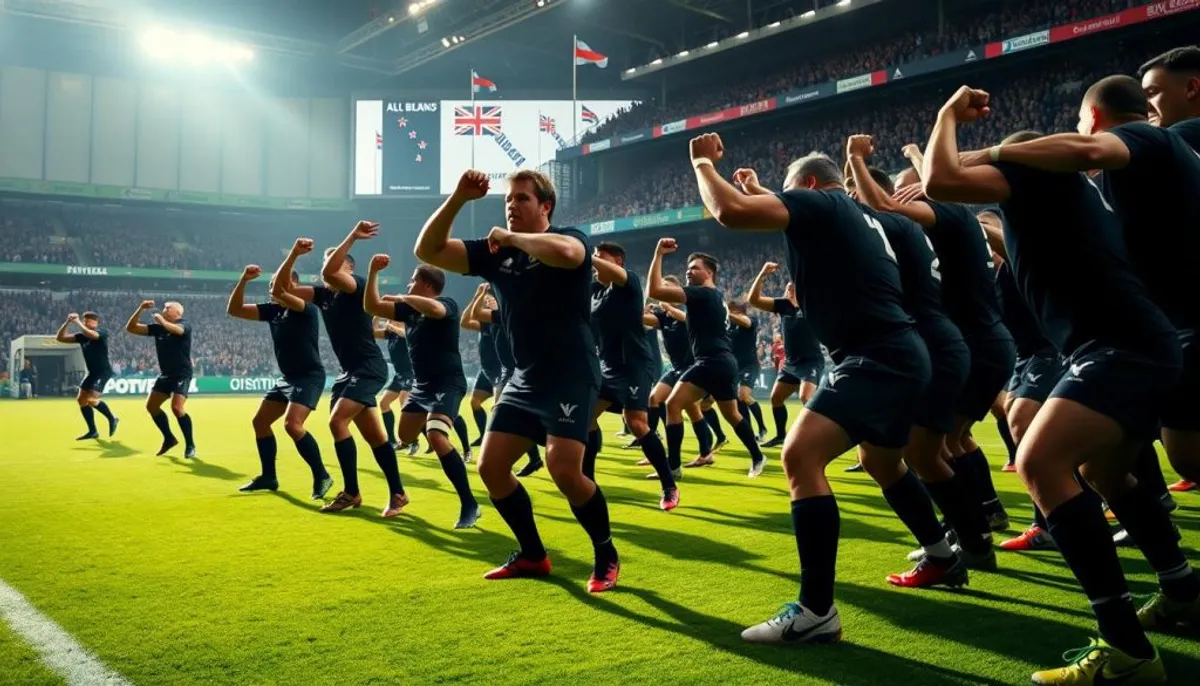
This traditional warrior dance has been practiced since 1905. It has become systematic before every international match since 1987.
Wayne “Buck” Shelford taught the haka to his teammates in the 1980s. He explained to them the deep meaning of the words and gestures.
The All Blacks perform two versions: Ka Mate and Kapa o Pango. This ritual is anticipated by fans worldwide.
The haka embodies the authentic integration of Māori culture into New Zealand sport. It transcends the ethnic origins of the players.
Visual Arts and Cinema in New Zealand
The artistic scene of this island nation has been built around a quest for a unique identity. Unlike Europe, there is no established tradition of “high culture.”
Most of the consumed works were imported from the UK and the US. This situation pushed local creators to develop their own voice.
The Emergence of Distinct Art
Pre-colonial Māori visual arts were limited to weaving and wood carving. European settlers introduced Western traditions.
In the early 20th century, Apirana Ngata initiated a renaissance of traditional techniques. Artists like Rita Angus used landscapes to create an authentic New Zealand style.
Peter Jackson and International Impact
Cinema underwent a revolution in the 1990s. Peter Jackson literally put the country on the map with his epic film.
The Lord of the Rings trilogy revealed the beauty of the landscapes to the world. This monumental film generated billions of dollars in tourism revenue.
Other directors like Jane Campion have also contributed to international prominence. But Peter Jackson remains the iconic figure of local cinema.
His vision transformed Lord of the Rings into a cultural ambassador. The legacy of Peter Jackson continues to inspire new generations of filmmakers.
New Zealand Music: From Traditional to Modern
From ancestral waiata to contemporary hip-hop, sounds evolve but the identity remains strong. This music scene, along with various finnish festivals, perfectly reflects the multicultural character of the country.It blends Polynesian heritages, Western influences, and a vibrant local creativity.
Māori Rhythms and Hip-Hop
Traditional Māori music, with its ceremonial chants and instruments like the putorino, retains an important place in traditional ireland. It is practiced during community gatherings.
Hip-hop has found a powerful resonance with younger generations, particularly Māori and Polynesian. It has become a means of expressing their experiences and identity.
This genre has developed a unique style, incorporating Pacific rhythms and lyrics in te reo Māori.
The following table illustrates this rich musical diversity:
Musical Genre Main Characteristics Notable Examples Māori traditional music Waiata chants, instruments like poi and putorino, ceremonial function Practiced in marae Local hip-hop Pacific influences, engaged lyrics, linguistic mixing Expression of young New Zealand Polynesians Independent rock Characteristic “Dunedin Sound” of the 1980s, introspective melodies Groups like The Chills International pop Viral success on digital platforms, accessible sound Benee and her hit “Supalonely” known worldwide This artistic vitality, from opera with Kiri Te Kanawa to modern pop stars, showcases a dynamic and outward-looking music scene.
International Influences and Cultural Diversity
Over the decades, the Pacific archipelago has transformed into a vibrant cultural mosaic, enriched by various international contributions. Since the 1970s, successive waves of immigration have profoundly reshaped the face of this society.
Polynesian communities have developed remarkable solidarity. Samoans, Tongans, and other island groups cooperate beyond historical rivalries of their homelands.
American influence profoundly marks daily life. Cinema, music, and media create fascinating hybrids integrated by all communities.
Asian contributions significantly enrich the country. Chinese gardens, Indian festivals, and culinary diversity color urban centers.
Spoken Language Number of Speakers Represented Community Samoan 85,428 Polynesia French 53,757 Europe and Pacific Hindi 44,589 South Asia Cantonese 44,154 East Asia This linguistic richness includes 176 different languages. It reflects the vitality of the immigrant communities that make up the current population.
Despite its geographical isolation, the territory remains connected to the world. Media and the internet facilitate constant exchanges with other countries.
This international openness defines contemporary New Zealand identity. It creates a dynamic culture where local traditions and global influences engage in harmonious dialogue.
Discovering Local Customs and Rituals
Dive into the heart of the living norwegian traditions that rhythm the daily life of the inhabitants of this Pacific country. These ancestral practices offer a fascinating window into the deep values of society.Respect, hospitality, and sharing occupy a central place in daily life. Each ritual gesture carries a particular meaning.
Māori Ceremonies: Powhiri and Hongi
The powhiri is one of the most authentic experiences when meeting a community on a marae. This welcoming ceremony follows strict protocols.
It begins with the call (karanga) made by a woman. This is followed by formal speeches (whaikorero) and songs (waiata).
The hongi seals the acceptance of visitors. More than just a greeting, it represents a sacred moment of sharing the breath of life.
This practice creates a deep spiritual bond between people. It symbolizes unity among individuals.
The Hangi: Ancestral Culinary Tradition
The hangi transforms a meal into a true community event. This cooking method uses the heat of volcanic stones in an underground oven.
The food cooks slowly for three to four hours. Meats and vegetables develop unique smoky flavors.
This culinary tradition is particularly vibrant in Rotorua, where you can also explore the rich flavors of Croatian cuisine. The city is home to the largest Māori community in the country.
Participating in these rituals allows one to understand the deeply spiritual side of New Zealand identity. Each experience becomes an authentic immersion.
Architecture and Iconic Cultural Spaces
Architecture reveals the soul of a nation through its most significant constructions. New Zealand cities offer a journey through time where each building tells a part of the country’s history.
Te Papa and Innovative Museums
Wellington is home to the national museum Te Papa Tongarewa, whose name means “Our Place”. This revolutionary establishment embodies a modern vision of spaces dedicated to arts and culture.
Unlike traditional museums, Te Papa prioritizes interactivity and accessibility. Its immersive exhibitions include earthquake simulations and present artifacts in a lively manner.
Free entry allows everyone to discover these national treasures. This inclusive approach occupies a central place in the philosophy of contemporary institutions.
The downtown areas elegantly preserve their Victorian architectural heritage. These buildings dating from the colonial era create a unique charm where history and modernity meet.
New Zealand architecture has had to adapt to seismic risks. Many historical buildings use Kauri wood for its flexibility, such as the old Parliament.
The Māori wharenui, with their bright colors and elaborate carvings, represent tribal identity. These community houses are photogenic architectural jewels.
Daily Life and the Spirit of Kiwiana
At the heart of the Kiwi experience lies a relaxed way of life that transforms daily gestures into moments of sharing. This approach to life values authenticity and simple pleasures.
Friendly Habits and the Barbecue
The barbie, as it is affectionately called, represents much more than a cooking method. It is a true social institution that brings families and friends together every weekend.
Generous portions and warm hospitality are legendary. Even in the rain, this tradition continues, reflecting a typical optimism.
Housing reflects this way of life. Single-story houses with gardens are the norm, providing the necessary space for friendly gatherings.
Kiwiana refers to those iconic objects that hold a special place in the hearts. Vegemite, Hokey Pokey, and Jandals are part of the emotional heritage.
Conversations often revolve around rugby, the weather, or DIY projects. Restoring classic cars is even a very popular national pastime.
This relaxed spirit shows an authentic side of society. It prioritizes friendliness and simple pleasures over seriousness and ostentation.
The Roots and Evolutions of New Zealand Culture
The foundations of contemporary identity trace back to a dramatic demographic transformation. Until the 1840s, Māori civilization reigned supreme over this Pacific archipelago.
The massive arrival of British settlers from England created a radical upheaval. The discovery of gold from 1860 accelerated this change, attracting thousands of Europeans and Chinese.
Very quickly, the indigenous population found itself in the minority in its own country. This numerical inversion profoundly altered social dynamics.
The early years saw relatively voluntary exchanges. The Māori adopted certain Western aspects, including Christianity as early as the 1830s.
The situation evolved dramatically after 1860. The Native Schools Act of 1867 imposed English as the dominant language, progressively marginalizing Māori.
The 20th century marked an important turning point with the emergence of an indigenous protest movement. Since the 1970s, this cultural renaissance has transformed society.
Today, this evolution continues to shape New Zealand identity. The recognition of bicultural heritage represents a fundamental issue for this modern country.
- Radical demographic transformation in the 19th century
- Period of voluntary exchanges followed by imposed assimilation
- Māori cultural renaissance since the 1970s
- Progressive recognition of bicultural heritage
Contemporary Challenges and Cultural Resilience
Behind cultural recognition lie persistent social inequalities that deeply affect indigenous communities. This modern country still faces delicate issues inherited from its history.
Statistics reveal significant disparities. Although representing 16.5% of the population, Māori occupy a disproportionate place in the judicial system.
They make up half of the prisoners and 52% of convictions. These alarming figures show a systemic exclusion that persists.
The following table illustrates these glaring disparities:
Indicator Māori Average National Average Unemployment Rate 2x higher Reference Median Income 88% 100% Prison Population 50% Proportional Social issues particularly affect youth in urban and rural areas. The presence of gangs remains a concern in certain regions.
The education system struggles to bridge the gaps despite reforms initiated since 2013. Access to higher education remains limited for many.
The protest movements of the 1970s marked a turning point. They raised national awareness of these fundamental issues.
The resilience of New Zealand communities inspires new generations. The path to real equality requires concrete actions.
Global Influence and Internationalization
The 21st century has marked a decisive turning point in the international recognition of New Zealand. This previously isolated country has become a sought-after cultural destination.
The creative export to other countries has transformed its global image. Cinema and music play a key role in this metamorphosis.
Exporting Cinema and Music
Peter Jackson's trilogies have revolutionized the perception of the country. The film The Lord of the Rings revealed breathtaking landscapes to the world.
The mountains of the South Island and the volcanoes of the North Island have become icons. Millions of fans now visit these mythical places.
The following table shows the tourism impact of film productions:
Region Filming Location Annual Tourist Influx North Island Hobbiton 500,000 visitors South Island Queenstown 300,000 visitors Wellington Weta Studios 200,000 visitors New Zealand music is also experiencing global success. Benee conquered the world with her viral hit during the pandemic.
One in four tourists participates in an activity related to local traditions. This openness to other countries shows the vitality of New Zealand identity.
Tips for Traveling and Immersing in the Kiwi Universe
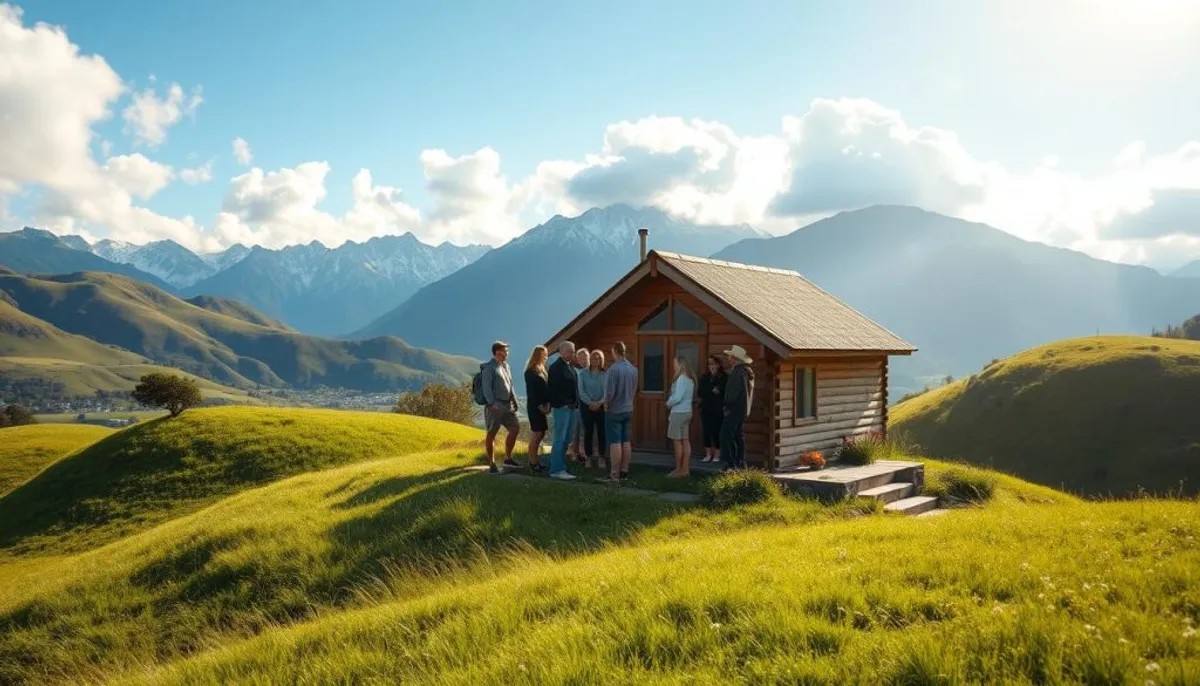
Your cultural journey in this island country requires a strategic approach to maximize discoveries. Good organization will allow you to experience authentic meetings with the different facets of local identity.
Cultural Itineraries and Must-See Places
The North Island constitutes the historical Māori heart. Rotorua concentrates traditional performances and vibrant communities. Waitangi, in the Bay of Islands, is home to the famous Whare Runanga.
Wellington, the capital on the Cook Strait, deserves several days. Explore Te Papa, the free national museum. Enjoy its dynamic artistic scene.
Auckland, a cosmopolitan metropolis, reveals contemporary diversity. Its strong Polynesian community enlivens ethnic neighborhoods. Quality museums complete the experience.
Film fans will trace their path across both islands. Hobbiton near Matamata, Tongariro (Mordor), Queenstown in the south. These mythical locations offer cinematic immersion.
For an optimal experience, favor slow transportation. Campervans, stops, or local buses encourage spontaneous meetings. The locals are known for their hospitality towards travelers.
Your journey through these cities and regions will reveal every part of New Zealand identity. The South Island will complete this exploration with its breathtaking landscapes.
Conclusion
The New Zealand experience transcends mere tourism to become a true immersion in a multicultural society in constant reinvention.
Your journey will reveal how ancestral traditions and contemporary creativity nourish each other. Māori culture constitutes a living pillar of this unique identity.
Films like Once Were Warriors by Lee Tamahori and The Piano by Jane Campion illustrate this artistic richness and the spirit of artistic rebellion. They touch the universal by starting from the particular.
Whether you explore the majestic landscapes of the South Island or participate in a traditional hangi, each moment brings you closer to the deep soul of this country and its rich slovak gastronomy.Contemporary challenges remind us that cultural appreciation must be accompanied by social justice. This awareness is an integral part of national evolution.
Ultimately, this land at the antipodes invites you to an authentic human encounter. The New Zealanders proudly share their unique heritage, the result of a respectful coexistence that continues to evolve.
FAQ
What are the official languages spoken in New Zealand?
The country has three official languages: English, te reo Māori, and New Zealand Sign Language (NZSL). English is the most widely spoken, but Māori is experiencing significant revival.
Is the haka only performed by the All Blacks?
No, the haka is an ancestral Māori dance with many variations. Although made famous worldwide by the All Blacks, it is performed during various ceremonies, such as powhiri, to welcome guests.
Who is the most internationally known New Zealand director?
Without a doubt, Peter Jackson. He put the country on the global cinema map with his *Lord of the Rings* trilogy. Others like Jane Campion and Lee Tamahori have also found great success.
What is a “marae” and what is its role?
The marae is the sacred meeting place at the heart of Māori communities. It is a space where important ceremonies take place, discussions are held, and where tradition and history are preserved and shared.
Is Kiwi culture influenced by other countries?
Absolutely! The British heritage of the settlers is very present, but society is a true melting pot. There are Polynesian, Asian influences, and a unique creativity that has emerged over the years, creating a distinct identity.