
Welcome to the heart of South America, where a country with exceptional heritage is nestled. Bolivia, with its 11 million inhabitants, opens the doors to a fascinating world. Its Bolivian culture is a living treasure, deeply rooted in a millennia-old legacy.
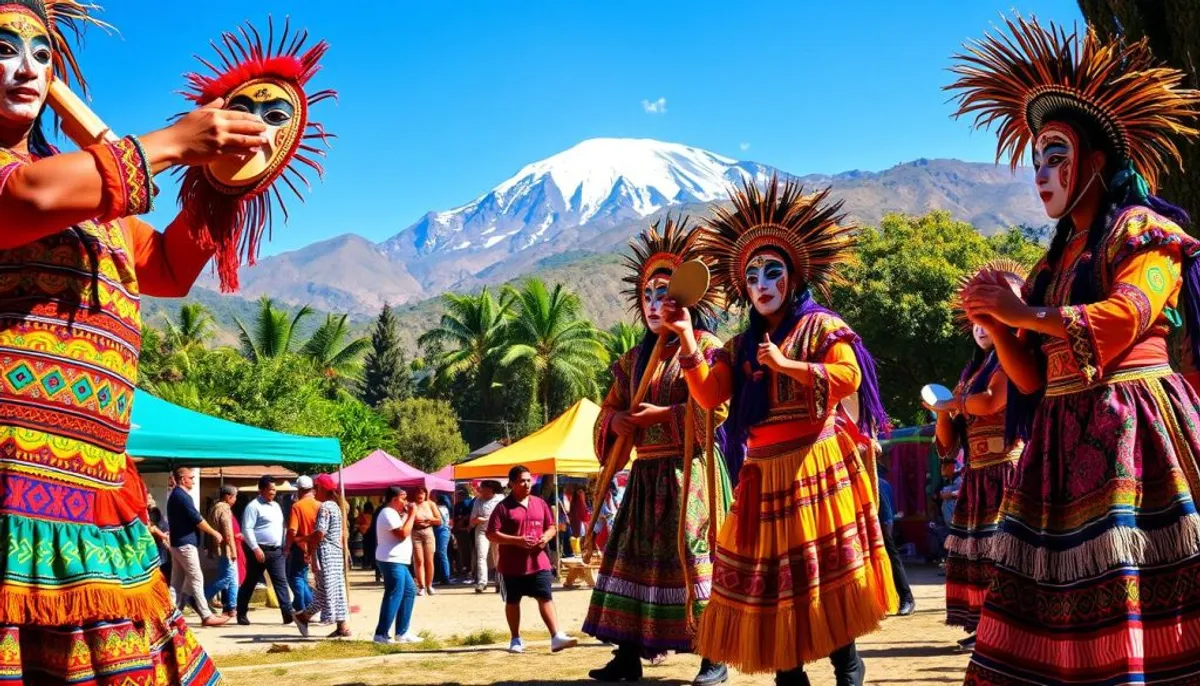
Imagine a true mosaic where indigenous and colonial influences harmoniously blend. This fusion creates a vibrant and unique identity on the continent. The inhabitants proudly uphold ancestral traditions.
These customs come to life during colorful festivals and through remarkable craftsmanship. Thirty-six different ethnic groups contribute to this extraordinary richness. From the high plateaus of the Altiplano to the Amazonian forests, each community brings its uniqueness.
This article offers you a journey to discover the many facets of this culture. We will explore its history, arts, gastronomy, and spiritual beliefs. Prepare to be enchanted by a heritage of incredible vitality.
Key Points to Remember
- Bolivia has a rich and ancestral culture, inspired by pre-Columbian civilizations.
- It is the most indigenous country in South America, with great ethnic diversity.
- Traditions are very present in daily life, especially in religious and gastronomic aspects.
- Its unique identity is the result of a harmonious blend of indigenous and colonial influences.
- Bolivian culture manifests through colorful festivals, remarkable craftsmanship, and enchanting music.
- This article will explore in detail the different expressions of this fascinating culture.
Introduction to the Heritage of Bolivian Culture
The Bolivian heritage has its roots in a millennia-old past, long before the arrival of the conquistadors. This country has a fascinating history marked by brilliant pre-Columbian civilizations.
The Historical and Cultural Context
Sites like Tiwanaku testify to an impressive architectural heritage. The exact origin of the first indigenous peoples remains shrouded in mystery.
The Spaniards were mainly concerned with looting, neglecting to document the history of the civilizations they encountered. The population has seen remarkable growth, from one million inhabitants in 1830 to nearly 11 million today.
Distinctive Elements and Heritage
Handweaving with symbolic patterns and colorful clothing are strong markers. Spiritual rituals remain deeply rooted in daily life.
The current heritage is a unique fusion. It combines pre-Columbian traditions, colonial influence, and African contributions. Catholicism has syncretized with Andean beliefs, creating a religiosity where the Virgin Mary and Pachamama coexist.
The 2009 Constitution marked a turning point. It officially recognizes the 36 ethnic groups and languages of the country, thus valuing an exceptional heritage.
Origins and Influences of Bolivian Culture
In the heart of the Bolivian Andes, three major indigenous civilizations shaped the national identity. Their rich history dates back centuries before the arrival of colonizers.
The Indigenous and Colonial Roots
The Aymara represent a major ethnic group in northern Bolivia. Their exact origin is still debated among historians.
Some place their cradle on the shores of Lake Titicaca. Others believe they come from northern Argentina. Recent research suggests the Peruvian valleys.
The Quechua constitute the majority group in South America. They have over two million speakers in the country. This people is the origin of the Kingdom of Cusco.
The Guarani inhabit the south-east of Bolivia. They maintain an ancestral communal way of life.
The Impact of Cultural Exchanges
The arrival of the Spaniards in the 16th century disrupted social organization. The conquistadors imposed Catholicism and their language.
The Inca Empire had conquered these territories in the 15th century. Unlike other empires, it respected local cultures. The conquered peoples retained their traditions.
Today, Bolivia recognizes 36 different ethnic groups. This diversity reflects the richness of cultural exchanges.
Rituals, Festivals, and Ancestral Traditions
The Bolivian calendar resembles a permanent fireworks display where each month brings its unique celebration. These events harmoniously blend Catholic religion and ancestral Andean beliefs.
Festive Celebrations, Carnivals, and Ceremonies
The Oruro Carnival represents the flagship event of the country. Listed by UNESCO, this spectacle lasts a full week.
Dancers in spectacular costumes parade through the streets. The Diablada and Morenada impress with their bright colors.
January hosts the Alasitas festival with its symbolic miniatures. In June, the Aymara New Year celebrates the winter solstice.
The month of August concentrates several major festivals. Pachamama and Independence create a special atmosphere.
Beliefs, Myths, and Traditional Symbols
The mother earth Pachamama occupies a central place in local spirituality. Bolivians regularly offer her gifts.
This goddess embodies fertility and protection. Her worship shows a deep attachment to pre-Columbian traditions.
Animal symbols adorn masks and costumes. They represent the connection with nature and the cycle of life.
Bolivian Culture: Between Daily Traditions and Modernity
Modern life in Bolivia harmoniously intertwines with age-old customs passed down through generations. This unique fusion creates a remarkable balance between identity preservation and openness to the contemporary world.
Daily Life and Transmitted Heritage
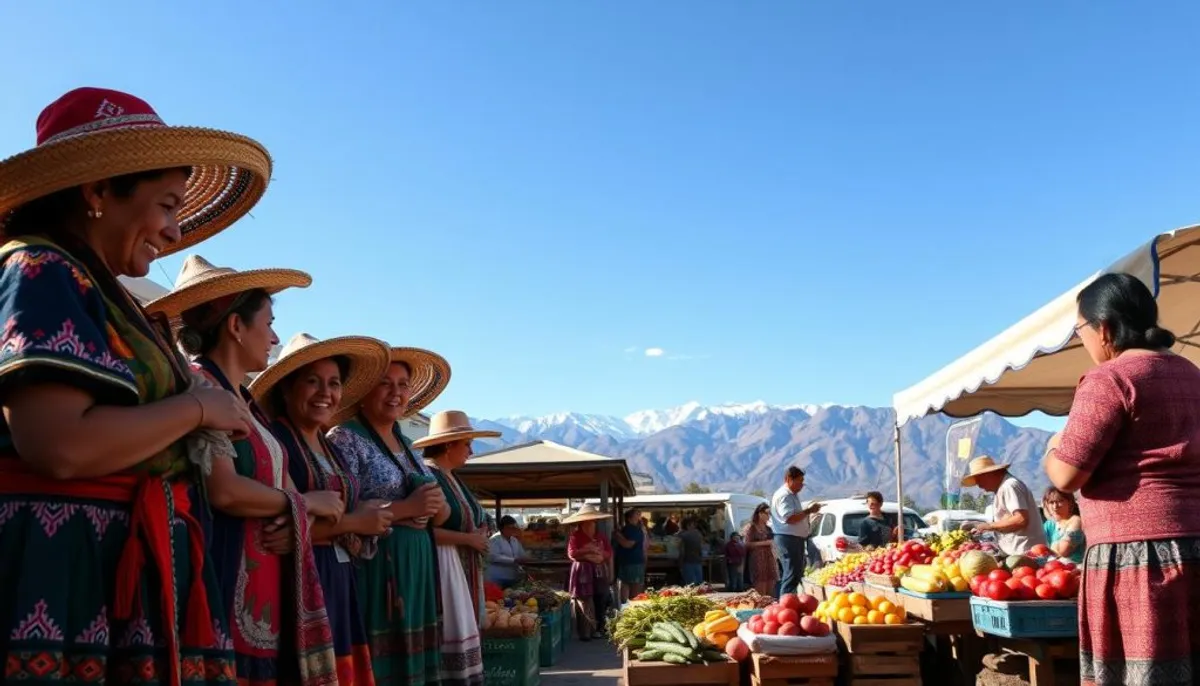
Traditional markets like that of Punata remain essential social spaces. Artisans and farmers perpetuate ancestral community exchanges there.
The coca leaf occupies a central place in Bolivian life. Sold in specific markets, it serves both as a traditional remedy and a social cohesion element.
Andean weaving represents a precious heritage passed down through families. Each ethnic group develops its own symbolic patterns and distinctive techniques.
Contemporary Evolutions and Present Challenges
The 2009 Constitution marked a historic turning point for the country. It officially recognizes the 36 ethnic groups and their languages, ensuring self-governance for indigenous communities.
The election of Evo Morales in 2005 symbolizes this political recognition. The first indigenous president, he embodies the valorization of traditional peoples after centuries of marginalization.
The K'oa ritual illustrates this continuity in modernity. This monthly blessing for new acquisitions shows the adaptation of ancestral beliefs.
The country must now navigate between the preservation of traditions and global integration. This crucial year will determine the future of this unique heritage.
Arts, Crafts, and Cultural Expressions
From ancestral rhythms to artisanal creations, Bolivian artistic heritage captivates with its authenticity. This diversity reflects the richness of influences that have shaped the country over the centuries.
Music, Dances, and Street Festivals
Ernesto Cavour revolutionized folk music with his inventions of unique instruments. His museum in La Paz showcases over 2000 pieces reflecting this creativity.
Street festivals transform cities into giant stages. Masked dancers and orchestras animate these celebrations with dazzling colors.
| Traditional Dance | Origin | Characteristics |
|---|---|---|
| Tinku | Potosí Region | Ritual warrior dance |
| Saya | Yungas | Afro-Andean heritage |
| Diablada | Oruro | Devil-angel confrontation |
| Pujllay Ayarichi | Tarabuco | Agricultural celebration |
Craftsmanship, Know-How, and Original Creations
Traditional craftsmanship includes weaving with symbolic patterns and pottery inherited from Tiwanaku. These techniques are passed down from generation to generation.
Edgar Arandia captures urban life in La Paz in his works. His art reflects the socio-cultural tensions of Bolivian modernity.
Jorge Sanjinés, considered the greatest filmmaker in the country, uses non-professional actors. His activist films constitute an important part of Latin American cinema.
Language, Cuisine, and Art of Living
The linguistic and culinary diversity of Bolivia offers a unique window into the soul of the country. This richness manifests in every aspect of daily life.
Linguistic Wealth and Language Diversity
The country officially recognizes thirty-seven national languages since 2009. Spanish dominates as the lingua franca, spoken by 61 to 75% of the population.
The main indigenous languages include Quechua (16-25%) and Aymara (10-16%). This remarkable diversity coexists with thirty-three other minority languages.
“The linguistic plurality of Bolivia represents a living heritage that defies global uniformity.”
| Language | Percentage of Speakers | Status |
|---|---|---|
| Spanish | 61-75% | Official Language |
| Quechua | 16-25% | National Language |
| Aymara | 10-16% | National Language |
| Guaraní | 1% | Regional Language |
Local Flavors, Gastronomy, and Culinary Traditions
Cochabamba, a renowned city, embodies the national culinary capital. The pique macho symbolizes culinary creativity.
The coca leaf occupies a central place in the art of living. Consumed as tea against altitude sickness, it represents an essential part of social rituals.
Traditional dishes like salteña and sopa de mani structure the daily meals. Each region offers its specialties, reflecting the diverse geography.
Personalities and Iconic Figures
The faces that have shaped modern Bolivia tell stories of resistance and creativity. These exceptional individuals have marked their era through remarkable political, artistic, or social engagements.
Cultural Leaders, Artists, and Creators
Domitila Barrios De Chungara, a modest miner's wife, became an international symbol of resistance. Her book “If I Am Given a Voice” revealed to the world the living conditions of Bolivian workers.
Evo Morales embodies the historic rise of indigenous peoples to power. A former coca grower, he became the first indigenous president in 2005.
In the artistic field, Francisco “Panchi” Maldonado gives voice to urban youth. His group Atajo blends jazz-blues-rock rhythms with Andean sounds.
Inspiring Stories and Major Contributions
Paulino Esteban has been perpetuating the ancestral art of totora balsas since he was 12. His know-how enabled Thor Heyerdahl's transoceanic expeditions.
Jorge Sanjinés, considered the greatest filmmaker in the country, creates engaged cinema. He uses non-professional actors to capture the authenticity of the inhabitants.
These figures illustrate the diversity of contributions to the national culture. Their journeys show how individuals can influence the fate of an entire world.
Conclusion
The cultural resilience of Bolivia offers valuable lessons for our time. This country demonstrates how to preserve a millennia-old heritage while evolving with its time.
The balance between ancestral traditions and modernity remains remarkable. Thirty-six ethnic groups coexist harmoniously, each contributing to this exceptional richness.
The unique syncretism where Pachamama and Catholic saints intertwine enriches humanity throughout its history. Despite contemporary challenges, the Bolivian people proudly maintain their identity.
Through its colorful festivals and delicious gastronomy, this culture invites exploration. It shines well beyond the borders of the country, offering the world an inspiring example.
The importance of this cultural diversity far exceeds the Andean region. It represents a living heritage to be preserved for future generations.
FAQ
What are the main influences that have shaped the heritage of the country?
The heritage of the country is a fascinating blend! It draws its roots from indigenous peoples, such as the Mayans, and has been enriched by contributions from Spanish and British colonizers. This unique exchange is felt in language, music, and traditions throughout the year.
Are there any important festivals or celebrations not to be missed?
Absolutely! The San Pedro Carnival is a must-see event, full of colors and rhythms. Other celebrations, like the Independence Day festivities in September, showcase the joy of life of the inhabitants through unique dances and music.
The official language is English, but what other languages are heard in daily life?
This is an excellent question that highlights linguistic diversity! Although English is the official language, Spanish is widely spoken. You also hear Kriol (Belizean Creole) and Mayan languages like Kekchi or Mopan, creating incredible richness.
How does local craftsmanship stand out?
Craftsmanship reflects history and land. You will find beautiful works like woven baskets, wooden sculptures, and jewelry. These original creations often use natural materials and perpetuate a know-how passed down from generation to generation.
Does Belizean cuisine have typical dishes?
Gastronomy is an adventure! Local flavors mix Caribbean and Central American influences. Dishes like rice and beans, gibnut (a rodent), or fresh seafood are culinary experiences to discover. It’s a true journey for the taste buds!