
Welcome to this fascinating exploration of a unique French territory in South America. Guyana opens the doors to a universe where more than twenty different communities meet.
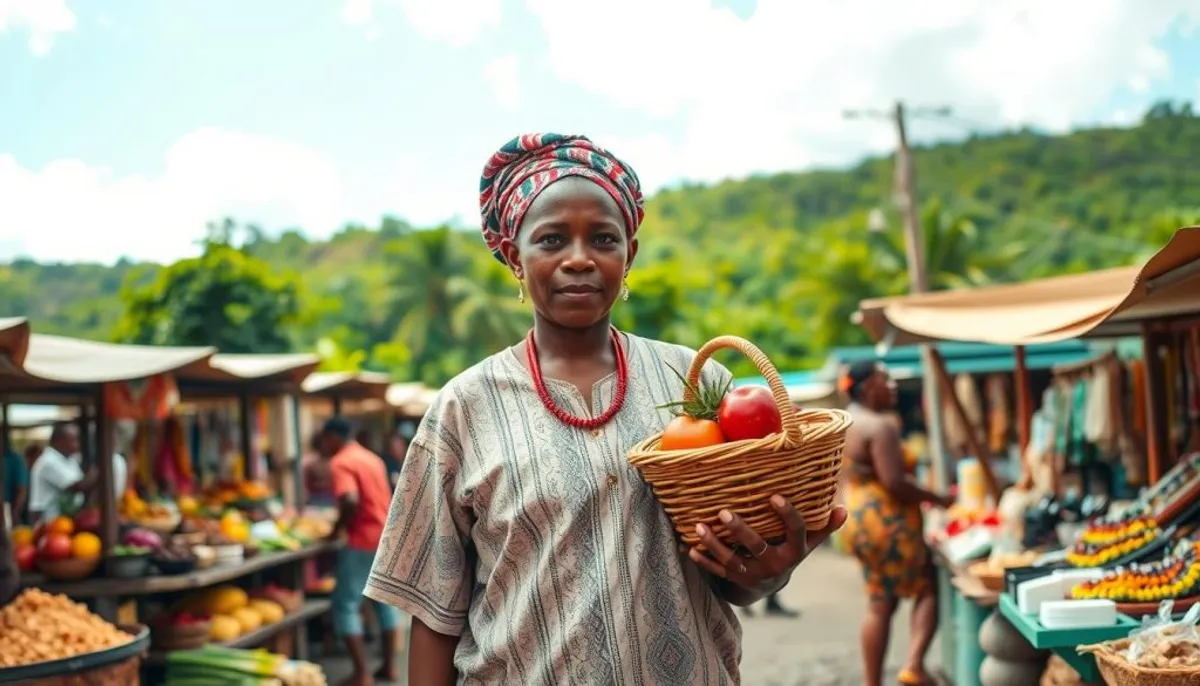
This overseas department is home to around 300,000 inhabitants, each contributing to the richness of the local heritage. Diversity is truly at the heart of this exceptional identity.
You will discover how Amerindian, European, African, and Asian influences blend harmoniously. This encounter creates a remarkable mixture visible in all aspects of daily life.
From ancestral traditions to contemporary artistic expressions, each community adds its stone to the common edifice. Get ready for a captivating journey through the history and customs of this exceptional territory.
Key Points to Remember
- Guyana has more than 20 different communities coexisting
- A unique cultural mixture born from multiple influences
- A population of around 300,000 inhabitants in 2022
- Traditions that blend modernity and ancestral heritage
- A rich cultural expression through crafts and gastronomy
- A French territory at the heart of South America
Introduction to Guyanese Culture
Discover an exceptional territory where more than twenty different communities meet. This French region in South America offers a fascinating human landscape.
Geographical and Demographic Context
The department is located between Suriname and Brazil. Its Amazon rainforest covers 90% of the area. The majority of the inhabitants live along the coastal strip.
The population has experienced remarkable growth since the 1960s. This demographic expansion is primarily due to migratory flows. New arrivals have contributed to economic development.
| Characteristic | Value | Importance |
|---|---|---|
| Forest area | 90% | Preserved ecosystem |
| Total population | ~300,000 | Continuous growth |
| Coastal municipalities | 12 main ones | Human concentration |
Cultural Wealth and Diversity
This territory serves as a bridge between Europe and South America. Cultural exchanges constantly enrich local life. An extraordinary human mosaic can be found here.
The peaceful coexistence of multiple communities creates a unique identity where every tradition finds its place.
The Guyanese value this plurality expressed in colorful markets. Multicultural festivals and diverse restaurants testify to this richness. Different languages and music resonate in the neighborhoods.
History and Mixing in Guyana
Let’s dive into the fascinating history that has shaped the human composition of this territory. Settlement dates back to the Amerindian communities established for millennia.
Kali'na, Wayana, and other groups have developed societies adapted to the Amazon. Their presence predates the European arrival in the 17th century.
Indigenous Peoples and Migrations
French colonization transformed local society. African slavery introduced new populations for plantations.
The marooning represents a crucial chapter. Enslaved people fled to the forest to create free communities.
These Bushinengué groups have preserved their traditions while adapting to the Amazonian environment. Their unique cultural heritage endures today.
Colonial Influences and Maroon Heritage
After the abolition of slavery in 1848, Asian workers arrived. The 20th century saw the settlement of Hmong, Brazilians, and other migrants.
This complex history, including the history of lesotho, has created strong cross-border ties. Constant exchanges enrich the local heritage.
| Population Group | Arrival Period | Current Contribution |
|---|---|---|
| Amerindian peoples | For millennia | Amazonian know-how |
| Maroon communities | 17th-18th centuries | African-Amazonian heritage |
| Contemporary migrants | 19th-21st centuries | Cultural diversity |
Today, around 300,000 people coexist harmoniously. This human plurality forms a dynamic and open society.
Languages and Communities in Guyana
The streets resonate with an extraordinary linguistic symphony. This territory has more than forty different languages spoken daily.
Linguistic Diversity and Creoles
The Guyanese creole serves as a bridge between populations. One in five residents uses it in their professional and family life.
The creoles with a French lexical base dominate urban exchanges. The Haitian creole is spoken by 10% of residents.
Along the Maroni River, the nenge languages show their vitality. Sranan Tongo is spoken by 19% of the local population.
| Language | Speakers | Main Region |
|---|---|---|
| Guyanese creole | 20% | Entire territory |
| Portuguese | 10% | Brazilian border |
| Bushinengué languages | 35% | Lower Maroni |
| Amerindian languages | 3% | Forest interior |
Plurality of Communities and Identities
Each group preserves its mother tongue while sharing common space. This coexistence forges a unique plural identity.
Seven out of ten people listen to music in a language other than French. This reality shows how sounds unite the communities.
The media reflect this diversity with programs in several creoles. Information circulates in all the languages of the territory.
Focus on Guyanese Culture
Daily life in Guyana revolves around vibrant traditions that unite the populations. These habits show how ancestral heritage nourishes modernity.
Emblematic Cultural Practices
Religious beliefs structure the existence of the inhabitants. Catholics, evangelicals, and shamanic traditions coexist peacefully.
Syncretism characterizes this spiritual approach. Many practice multiple rites simultaneously without contradiction.
The Role of Traditions in Daily Life
Community events punctuate the year. Religious festivals and family gatherings create social bonds.
Mutual aid remains a fundamental value. Solidarity systems complement official institutions.
| Type of Practice | Frequency | Social Impact |
|---|---|---|
| Religious ceremonies | Weekly | Community strengthening |
| Family gatherings | Monthly | Intergenerational transmission |
| Medicinal practices | Occasional | Preservation of knowledge |
These habits forge a unique collective identity. They allow each group to contribute to the common wealth.
Carnival and Traditional Festivities
An explosion of colors and music fills the streets for several weeks. This carnival represents the most important event of the year.
The festivities begin in early January after Epiphany. They continue until Ash Wednesday in February or March.
Parades, Costumes, and Festive Rituals
Every Sunday afternoon, groups parade through the main streets. The decorated floats and spectacular costumes attract thousands of spectators.
Guyanese women wear beautiful traditional dresses. Their outfit includes the Kanmza tied at the waist and the Lachat headdress.
Guyanese men wear white shirts and trousers with the Matchoukann belt. These costumes reflect the richness of the local heritage.
The Guyanese carnival unites all generations around a vibrant and joyful tradition.
Ash Wednesday and Carnival Celebrations
The end of the festivities arrives with the incineration of King Vaval. This effigy symbolizes the spirit of the carnival since its crowning.
Ash Wednesday marks a cathartic moment. The population thus prepares for the Lenten period.
| Element | Period | Participation |
|---|---|---|
| Sunday parades | January to March | Thousands of spectators |
| Masked balls | Saturday night | Touloulous and Tololos |
| King Vaval | Beginning and end | Central symbol |
Nearly half of the inhabitants have already participated in this Guyanese carnival. This tradition remains deeply rooted in collective life.
Art, Crafts, and Visual Arts in Guyana
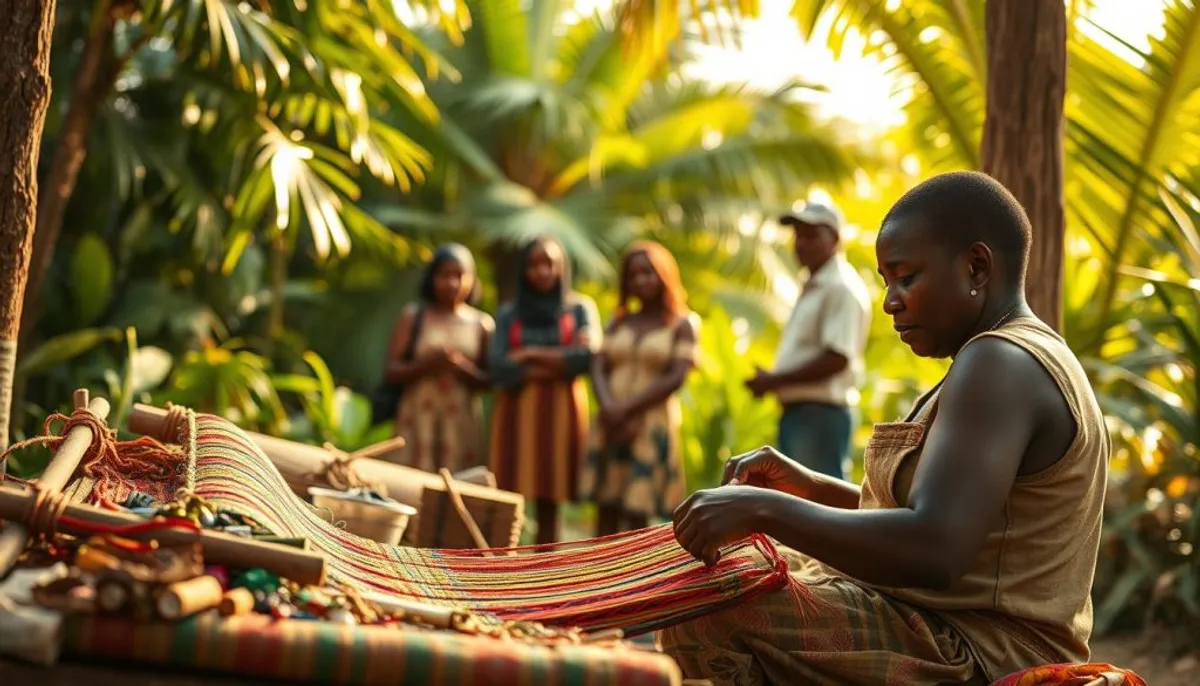
The skilled hands of artisans transform natural resources into exceptional works of art, including sudanese traditional art. This territory rich in tropical forest offers unique materials for creation.
Tembé Art and Martial Expressions
The tembé art represents a remarkable visual expression of Bushinengué communities. Its geometric patterns in bright colors adorn doors, canoes, and textiles.
The djokan perfectly illustrates cultural fusion. This art martial combines Amerindian, Creole, and Bushinengué techniques.
Craftsmanship and Traditional Sculptures
Sculptors perpetuate ancestral traditions with local wood. Makosi, Kafé, and Kenneth Solega create works inspired by maroon heritage.
The construction of carbets and the making of canoes demonstrate exceptional craftsmanship. These techniques use vines and palm leaves.
The whole of these expressions contributes to enhancing the cultural heritage. Contemporary artists like José Legrand enrich this dynamic art scene.
Gastronomy and Culinary Traditions
The Guyanese table offers a sensory journey across continents. It harmoniously brings together the culinary legacies of all the communities of the territory, including the rich flavors of surinamese cuisine.
Typical Dishes and Local Ingredients
Manioc forms the basis of many traditional dishes. The inhabitants transform it into couac, cassava, or tapioca using ancestral methods.
Among the emblematic specialties, the awara broth mixes palm fruit, crab, and smoked meats. The iguana fricassée and comtesses illustrate the diversity of flavors.
| Traditional Dish | Cultural Origin | Main Ingredient |
|---|---|---|
| Awara broth | Creole | Palm fruit |
| Kalawangg | Bushinengué | Manioc |
| Pimentade | Amerindian | Smoked fish |
Multicultural Influences in Cuisine
The local population benefits from an exceptionally varied culinary offer. Creole, Chinese, and Brazilian restaurants coexist in the towns.
This gastronomic richness is expressed during events like the Awara Broth Festival. The inhabitants then share their family recipes.
The cuisine perfectly reflects the mixing of cultures that characterizes this French region. Each meal becomes a celebration of Guyanese diversity.
Sports, Leisure, and Traditional Practices
The Guyanese territory vibrates to the rhythm of its sports activities that bring together all generations. These practices reflect the diversity of influences that characterize this region.
Modern Sports and Local Competitions
Football dominates the Guyanese sports landscape with an active league for many years. Players like Florent Malouda and Bernard Lama have made their mark on the history of French sport.
Cycling also attracts much enthusiasm with the Tour de Guyane. This event gathers local and international riders every year.
Women are gradually asserting themselves in all disciplines. Lucie Decosse in judo and Malia Metella in swimming set the example.
Traditional Games and Ancestral Know-How
Canoe races represent an emblematic practice of the riverside communities. Masters of the paddle and Rames Guyane animate the Maroni and Oyapock rivers.
The djokan, a unique martial art, combines ancestral and modern techniques. This discipline has especially attracted young people in recent years.
Men and women participate together in the Kali'na Games. These competitions preserve Amerindian traditions.
These Guyanese sports activities create bonds between different communities. They ensure the transmission of know-how for the next years.
Media, Education, and Cultural Heritage
Information and culture circulate at their own rhythms in this Amazonian territory. The media practices reveal a reality distinct from that of metropolitan France.
Media Practices and Oratory Art
Only 38% of the Guyanese listen to the radio daily, compared to 60% in metropolitan France. Guyane 1ère dominates the landscape with 55% radio audience.
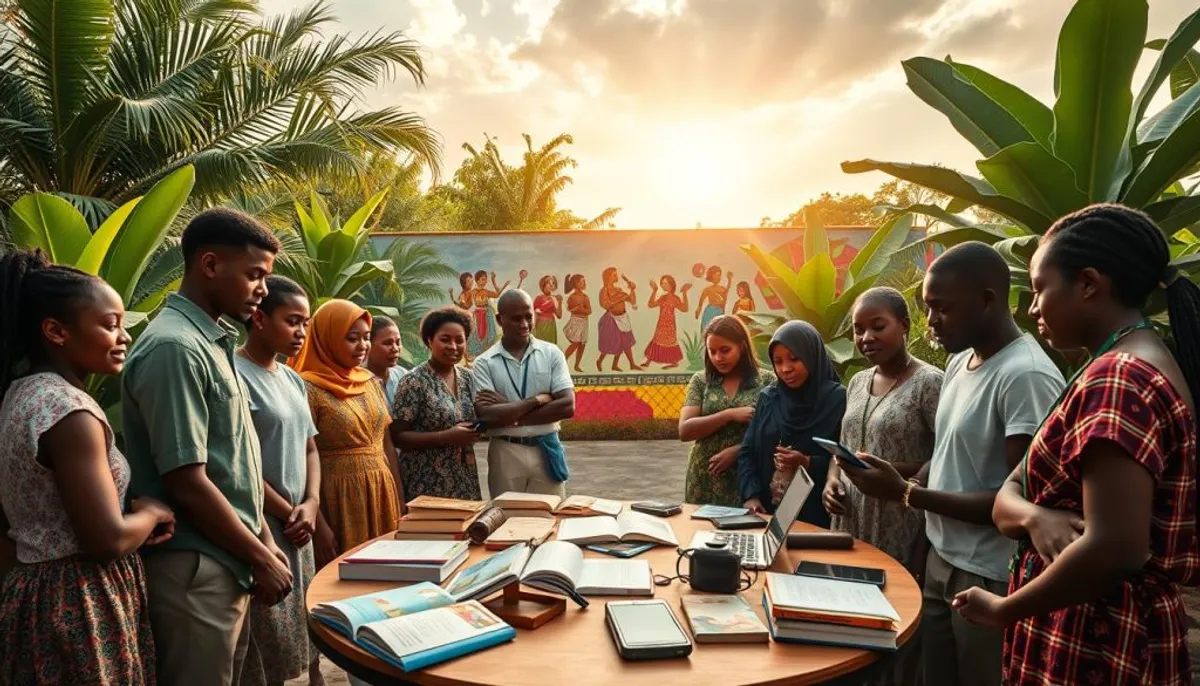
Access to the Internet varies significantly by area. Lower Maroni reaches 90% connectivity compared to 66% in the Savanes.
Young people aged 15-39 years are eight times more likely to use music streaming. This digital adaptation compensates for the limitations of access to infrastructure.
Educational Initiatives and Heritage Transmission
The University of Guyana, autonomous since 2014, develops innovative programs. Native language speakers facilitate learning in schools.
Cultural transmission occurs through orality. Storytelling festivals perpetuate tales in Guyanese creole, valuing a living heritage.
Nearly 40% of people read books despite obstacles. This thirst for knowledge reflects remarkable cultural vitality.
Conclusion
The overseas department of Guyana perfectly illustrates the ability of societies to create common ground from plurality. This exceptional diversity forges a unique collective identity.
The inhabitants of this territory experience this multicultural richness daily. Despite challenges in access to facilities compared to metropolitan France, local creativity more than compensates.
Music and art testify to this vitality. The younger generations, especially those aged 15-39 years, skillfully blend tradition and modernity.
At the end of this exploration, it appears that Guyana represents a true laboratory of living together. This country within the French Republic continues to invent its cultural future.
FAQ
How many people live in Guyana and what is their origin?
The population is very diverse. There are Creole, Amerindian, Bushinengué communities, as well as inhabitants of metropolitan, Brazilian, and Haitian origin. This diversity enriches the territory.
What languages are spoken in this French department?
French is the official language, but Guyanese creole is widely spoken daily. Other creole languages, such as Haitian creole, and languages of indigenous peoples can also be heard.
Is the carnival the most important celebration for Guyanese people?
Yes, it is a major event! It lasts several weeks, with colorful parades and ends with Ash Wednesday. It is a significant moment that brings the whole society together.
What is Tembé art?
Does Guyana have a typical cuisine?
Absolutely! The local cuisine is a delicious blend of influences. You can taste dishes made with fish, manioc, and spices, reflecting the mixing of cultures in the territory.