
Welcome to this immersion in the heart of a fascinating universe where religious traditions, wine heritage, and historical narratives intertwine harmoniously. This comprehensive guide invites you to discover a millennial legacy that spans continents and eras.
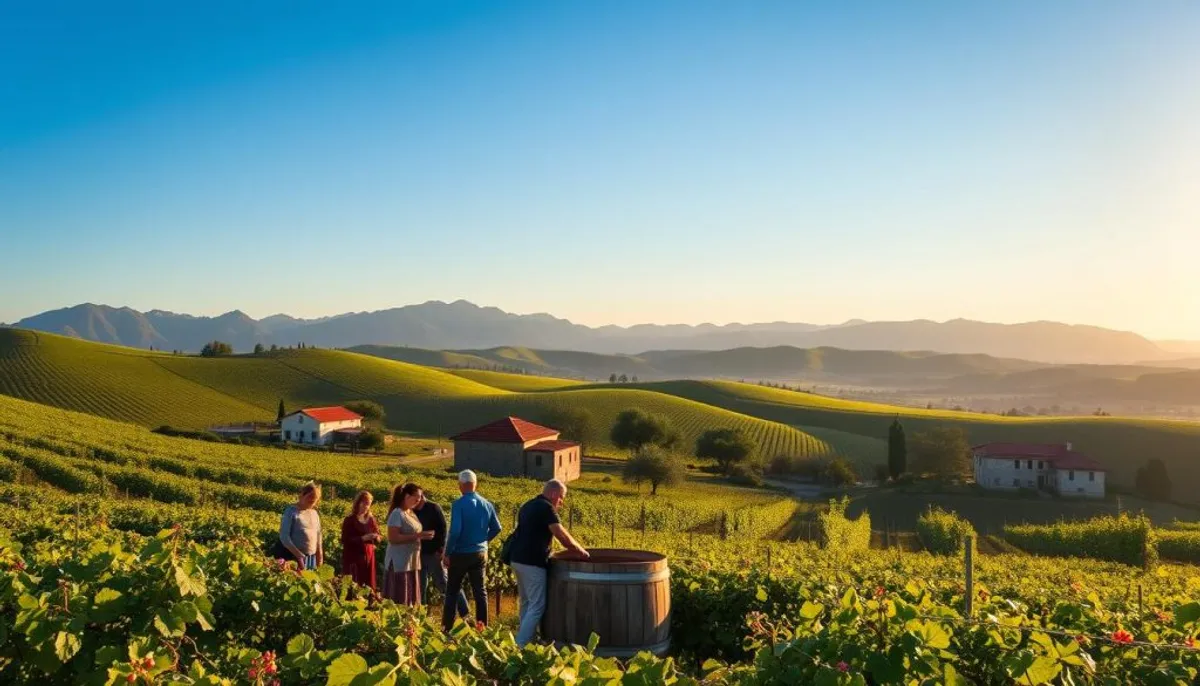
We will explore two exciting dimensions of this heritage. On one hand, the extraordinary journey of Saint Vincent, this Christian martyr of the 3rd century who became the protector of winemakers around the world. His influence still endures today in contemporary vineyards.
On the other hand, we will discover the fascinating history of Saint Vincent and the Grenadines. This Caribbean nation carries the traces of migrations, mixing, and the quest for independence. Its people have managed to preserve unique traditions despite historical upheavals.
This journey will reveal how faith, ancestral customs, and the art of wine create surprising connections. Prepare to explore a heritage where legends and realities meet, where each ritual tells a captivating story.
Key Points to Remember
- Discovery of a millennial heritage linked to viticulture
- Exploration of the role of Saint Vincent as the protector of winemakers
- Understanding of the religious traditions associated with the vine
- Journey through the multicultural history of the Caribbean
- Learning about contemporary wine celebrations
- Decoding the symbols related to wine heritage
- Immersion in a universe where traditions and modernity coexist
General Overview and Historical Context
Two parallel stories have shaped the unique identity of this tradition across continents. This dual origin explains the richness and complexity of this heritage.
Origins and Multiple Influences
The Caribbean island was successively populated by different groups of Indigenous peoples. The Cibonay arrived about 7000 years ago, followed by the Arawaks in the 3rd century.
The warrior Caribs settled in the 14th century after sailing from South America. Each group brought its customs and know-how.
The Role of Colonization and Migrations
The shipwreck of a Dutch vessel in 1675 marked a turning point. African survivors settled and merged with the local populations.
This union created the Garifuna people, also known as "Black Caribs". The Afro-Indigenous mixing forged a distinctive identity.
The French and British colonizations profoundly transformed social structures. These European influences added to the existing mix.
| Period | People | Main Influence |
|---|---|---|
| 5000 BC | Cibonay | First Settlement |
| 3rd century | Arawaks | Developed Agriculture |
| 14th century | Caribs | Warrior Traditions |
The current inhabitants reflect this diversity with over 116,000 people. The population combines descendants of Africans, Indigenous peoples, Indians, and Europeans.
Vincentian Culture: Between Heritage and Traditions
At the heart of this tradition are unique cultural expressions that tell a story of resilience and adaptation. This rich mosaic reflects a fascinating blend of multicultural influences.
Symbols, Rituals, and Cultural Expressions
Vincentian Creole represents the most authentic expression of national identity. Spoken by 98% of the population, it combines African, English, and Caribbean linguistic influences.
Once stigmatized, this language is now proudly claimed. Younger generations see it as an expression of their unique heritage.
Traditional rituals pay homage to ancestors and previous generations. Each celebration strengthens community bonds.
The Influence on the Wine World
Saint Vincent occupies a central place as the patron protector of winemakers. This association dates back to medieval legends.
Processions and blessings of the vines create a deep spiritual connection. This association transcends geographical boundaries.
Winemakers honor their saint with special masses and convivial festivities. These age-old traditions unite a global community.
Iconic Figures: Saint Vincent and His Legends
The story of Vincent of Saragossa takes us back to the 3rd century, where Christian faith and wine traditions begin their fascinating alliance. This Spanish deacon distinguished himself by his generosity towards the needy.
The Martyr and the Protection of Vineyards
During the persecutions under Emperor Diocletian, Saint Vincent refused to renounce his faith. Despite horrific tortures, he maintained his convictions until martyrdom.
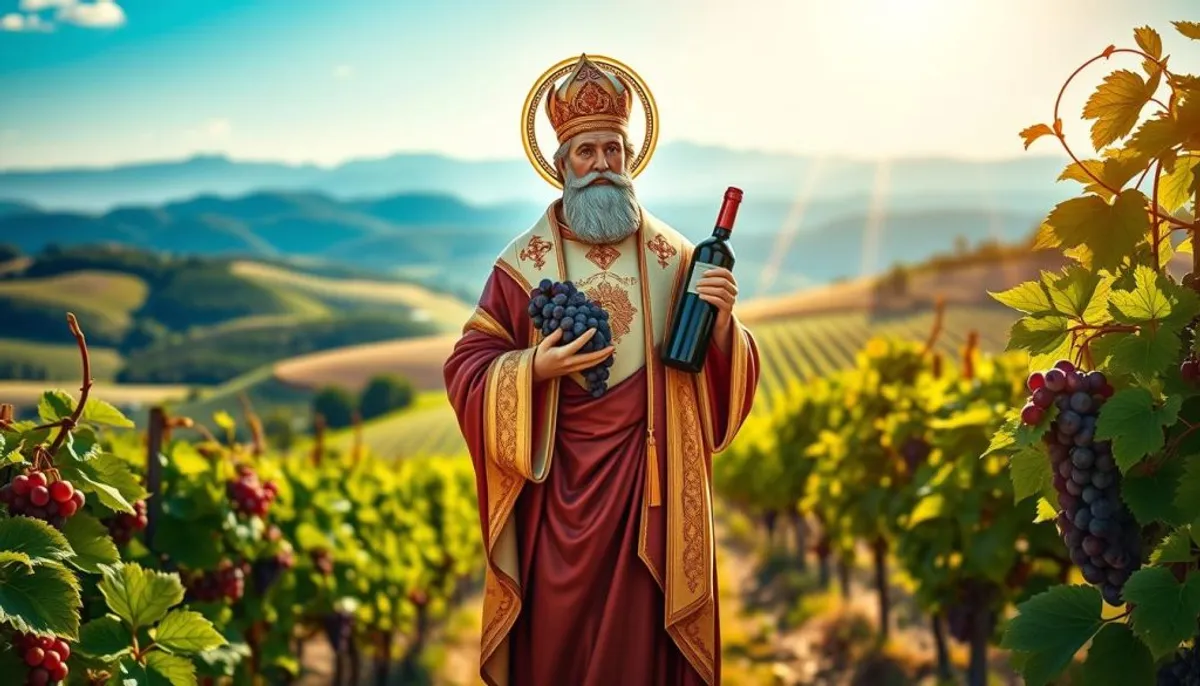
Legend has it that after his death, Saint Vincent miraculously protected the vineyards of his native region. A disease threatened the crops, but his divine intervention saved the harvests.
Vincent of Saragossa, Patron Saint of Winemakers
This account establishes Vincent of Saragossa as the heavenly protector of the vines. Winemakers began to invoke his intercession for abundant harvests.
Over the centuries, his status as patron saint of winemakers has strengthened throughout Europe. The feast on January 22 still gathers wine professionals today.
External Influences: Cultural Exchanges and Growth
The island of Saint Vincent has been built through extraordinary human encounters that have forged its unique identity. These exchanges have created a rich heritage where each group has contributed its traditions.
The shipwreck of a Dutch vessel in 1675 marked a turning point. The Caribbean inhabitants welcomed the African survivors, initiating an Afro-Indigenous mixing that gave birth to the Garifuna people.
Impact of Migrations and Mixing
This long process of integration profoundly transformed society. Intercultural marriages combined African, Indigenous, and European traditions into an original synthesis.
After the abolition of slavery in 1834, Indian workers arrived as agricultural laborers. Portuguese traders settled in the 19th century, adding new influences to this already diverse melting pot.
These people from different backgrounds created a unique multicultural society. Their heritage is now spreading throughout the world through Vincentian traditions.
| Period | Population | Cultural Contribution |
|---|---|---|
| 1675 | African Survivors | Afro-Indigenous Mixing |
| 1719-1763 | French Colonists | European Influences |
| 1834 | Indian Workers | New Agricultural Traditions |
| 19th century | Portuguese Traders | Trade Networks |
The veneration of Saint Vincent as the protector of the vines has spread in the wine world thanks to these exchanges. Each region has adapted these traditions while preserving their spiritual essence.
Historical Heritage of Saint Vincent and the Grenadines
The historical heritage of Saint Vincent and the Grenadines reveals a journey marked by resistance and diversity. This Caribbean nation has managed to transform challenges into vital strengths.
Demographic and Linguistic Data
In 2001, the country had 115,942 people. This population forms a unique ethnic mosaic.
| Ethnic Group | Percentage | Main Characteristics |
|---|---|---|
| Blacks | 66% | Descendants of Africans |
| Mulattos | 19% | Afro-European Mixing |
| Indians | 6% | Post-Slavery Workers |
| Indigenous Peoples | 2% | Caribbean Heritage |
| Whites and Others | 7% | Complementary Diversity |
The Creole language unites 98% of the population. English remains used for official services.
Steps Toward Independence and Stability
The year 1797 witnessed the tragic deportation of the Garifunas. More than half perished during this journey.
The 20th century brought major changes. Independence was achieved in 1979.
In 2009, a referendum to modify the political system narrowly failed. This colonial heritage still influences every area of current society.
The Wine Universe and Winemaker Tradition
Every year, January 22 marks a sacred moment for wine professionals who honor their ancestral protector. This symbolic date brings an entire community together around shared values.
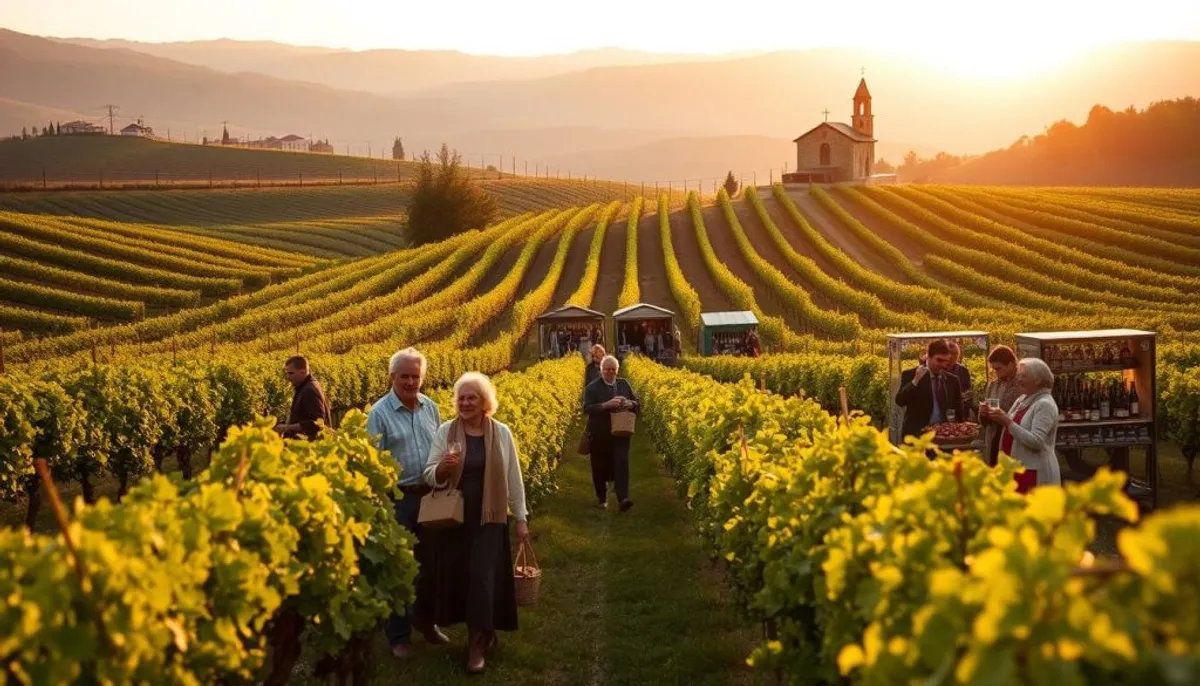
The Rituals of Saint Vincent in the Vineyards
The winemakers start this special day with a solemn mass. They bring their best wines for a blessing that symbolizes the offering of their work.
After the religious celebration, colorful processions traverse the villages. Participants wear traditional costumes, creating a vibrant spectacle that unites all generations.
The central ritual remains the blessing of the vines. Accompanied by priests, the winemakers walk through the plots, sprinkling the rows with holy water.
These ceremonies reinforce the sense of belonging to a united community. They celebrate both the sacred and the social aspects of the profession.
Convivial banquets allow the winemakers to share their productions. These moments of exchange strengthen professional ties around their patron saint of winemakers.
The attachment to Saint Vincent reflects a spirituality of working the land. This harmonious relationship with nature has endured for centuries.
Events and Festivities in France
France vibrates to the rhythm of wine celebrations every month of January, honoring a centuries-old tradition. These events gather hundreds of enthusiasts around a living heritage.
Celebration of Saint Vincent in Médoc and Graves
The Commandery of Bontemps organizes a grand feast each year in honor of Saint Vincent. This celebration alternates between different prestigious appellations.
In January 2025, Saint-Estèphe welcomed over 600 people for 15 investitures. The event begins with a solemn mass celebrated by the Archbishop of Bordeaux.
Statistics show consistent participation: 650 people in Léognan in 2024, 700 in Saint-Estèphe in 2017. The winemakers thus maintain a living tradition.
The Saint Vincent Tournante in Burgundy
In Burgundy, the Saint Vincent Tournante represents an even more spectacular event. Each year, a different village becomes the wine capital for a day.
Wineries open their doors to visitors while parades and ceremonies animate the streets. This festival attracts thousands of people who come to pay homage to the winemakers.
These celebrations in January go beyond the religious framework to become true professional parties. They unite the entire wine sector around Saint Vincent.
The Art and Culture in Wine Rituals
Artistic representations of Saint Vincent offer a unique bridge between Christian spirituality and wine traditions. These works transform simple rituals into profound cultural experiences.
Artistic Representations and Religious Symbolism
In the churches of wine regions, one discovers a remarkable iconographic heritage. Paintings, sculptures, and stained glass depict the saint martyr with a bunch of grapes or a vine branch.
These symbols visually establish the link between his holiness and his protection of the vineyards. Statues in the cellars hold a place of honor, serving both as spiritual protection and decorative elements.
The blessing of the new wine during the January celebration symbolizes sacred transformation. This ritual constitutes a true homage to the heavenly protector.
Traditional processions create a living art where costumes and songs perpetuate the heritage. Each artistic representation expresses gratitude for the quality of the wines produced.
These works tell the story of the martyrdom of Saint Vincent while inspiring respect for the land. They testify to a deep recognition towards this patron of winemakers.
Contemporary Issues of Vincentian Culture
In the face of the changes of the 21st century, Vincentian tradition navigates between ancestral heritage and modern challenges. The winemakers must reconcile spirituality and global competitiveness.
The quest for quality in wines becomes a spiritual commitment. These professionals view their work as a devotion to Saint Vincent.
Environmental sustainability represents a crucial issue. Inspired by respect for the land, the winemakers adopt ecological practices.
The wine services evolve with wine tourism and organic certifications. These innovations accompany the transition towards responsible viticulture.
In the educational field, Saint Vincent and the Grenadines confront linguistic challenges. English dominates public services despite the prevalence of Creole.
The long process of recognizing Garifuna heritage remains relevant every year. These issues demonstrate the ongoing vitality of this culture throughout the world.
Conclusion
From the ancient martyr to the protector of modern vineyards, Saint Vincent embodies a living heritage. This patron of winemakers has united spirituality and land work for centuries.
Celebrations like the January feast in France showcase this dynamic tradition. Each event brings the wine community together around shared values.
These gatherings constitute a true homage to the patron of winemakers. They strengthen the bonds between passionate professionals.
The influence of Saint Vincent transcends geographical boundaries. It inspires a respectful approach to viticulture today.
This heritage reminds us that wine is much more than a product. It is an art of living rooted in history and spirituality.
FAQ
Who was Saint Vincent and why is he important for winemakers?
Vincent of Saragossa was a martyr deacon from the 4th century. He became the patron of winemakers because his feast day, January 22, traditionally marked the beginning of work in the vineyard. Winemakers asked for his protection for their harvests.
How is Saint Vincent celebrated today in France?
The celebration is very lively! It takes two main forms. In Burgundy, the Saint Vincent Tournante is a large itinerant festival where a different village hosts the event each year. In Bordeaux, as in Médoc, locals organize processions and wine tastings in his honor.
Does Vincentian culture still influence wine production?
Absolutely! This heritage is not just a memory. The rituals of Saint Vincent reinforce cohesion among professionals in the field. These age-old traditions perpetuate a know-how and respect for the vine that has been passed down for centuries.
Is there a link between Saint Vincent and the country Saint Vincent and the Grenadines?
It’s a historical coincidence! Christopher Columbus named the island in honor of Saint Vincent of Saragossa because he discovered it on January 22, the day of his feast. The culture of the archipelago is thus linked to its history and its patron, but it has developed independently of European wine tradition.
How to participate in a Saint Vincent Tournante festival?
It’s simple and friendly! The Brotherhood of Winemakers in each region announces the program on its website. You just need to go to the host village for the year. On-site, a volunteer association guides people for tastings and activities. It’s a unique experience to discover the wines and camaraderie of winemakers.