
Nestled in the heart of South America, this landlocked country is home to approximately 11 million inhabitants. Its heritage is one of the most fascinating on the continent.
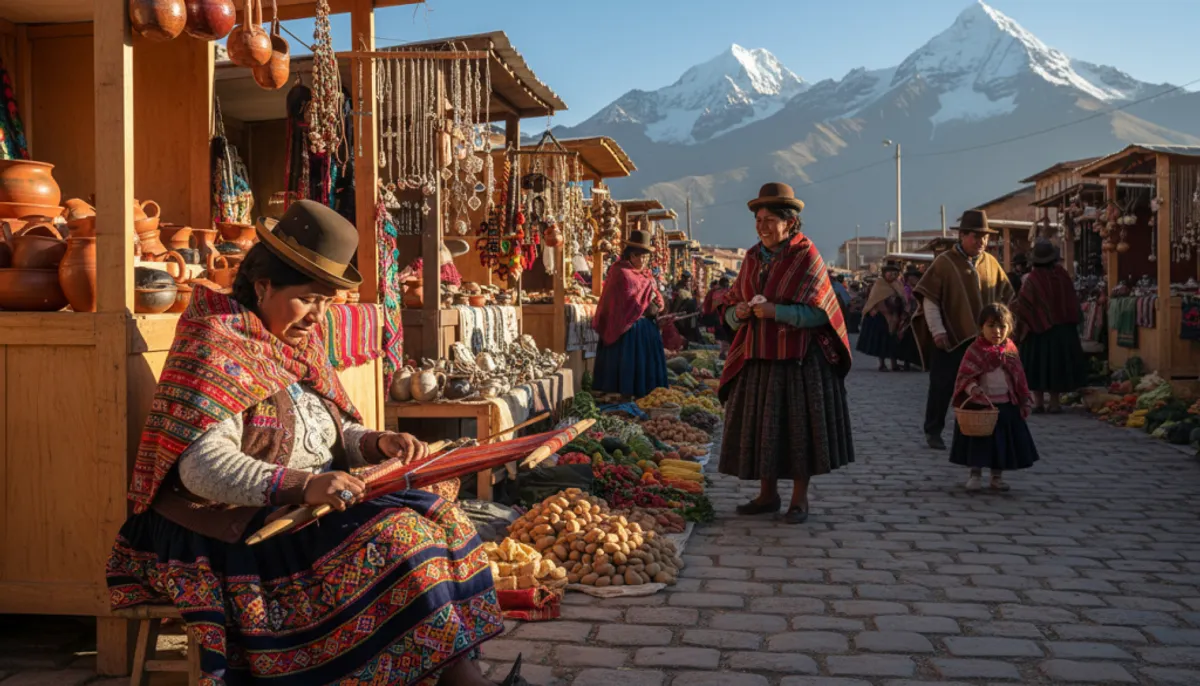
This culture draws its roots from ancient pre-Columbian civilizations. Ancestral traditions remain very much alive today, influencing daily life.
Bolivia is often called the true rainbow nation. This diversity is explained by the presence of 36 different ethnic groups throughout the territory.
The inhabitants are deeply attached to their customs. This attachment is evident in gastronomy, religious festivals, and crafts, such as vibrant color weaving.
Key Points to Remember
- Bolivia has a rich and diverse culture, deeply rooted in a pre-Columbian heritage.
- It is considered the most indigenous country in South America, with two-thirds of its population claiming this origin.
- The territory is home to 36 distinct ethnic groups, contributing to a unique cultural mosaic.
- Ancestral traditions and colonial influences create a fascinating cultural syncretism.
- The varied topography of the country has shaped distinct regional cultures.
- The attachment of Bolivians to their customs is reflected in clothing, cuisine, and festivals.
The Origins and History of Bolivian Culture
Discover how the ancestral peoples laid the foundations of this multicultural society. Their history dates back millennia before the arrival of Europeans.
Pre-Columbian Civilizations and Their Heritage
Tiwanaku represents a major civilization that thrived near Lake Titicaca. It left impressive monuments and advanced agricultural techniques.
The origin of the Aymaras remains a subject of debate among historians. Some place them on the shores of the lake, while others suggest migrations from Argentina or Peru.
The Incas conquered the region in the 15th century with a unique approach. They imposed their power but allowed the peoples to retain their traditions.
The Influence of Spanish Conquest and Colonization
The arrival of the Spanish in the 16th century radically transformed society. This era saw the imposition of Catholicism and intensive mining exploitation.
The mines of Potosi became the center of a colonial exploitation system. Thousands of indigenous people and African slaves worked there under terrible conditions.
| Period | Civilization | Main Heritage |
|---|---|---|
| 1500 BC – 1200 AD | Tiwanaku | Monumental architecture |
| 15th century | Inca Empire | Cultural syncretism |
| 16th century | Spanish colonization | Mining exploitation |
This complex history has created a unique blend where ancestral traditions, including swedish traditions, and European influences have harmoniously combined, much like the rich cultural tapestry found in norway.
The relationship with this tumultuous past continues to shape modern identity. Pride in indigenous roots coexists with colonial heritage.
The Languages and Peoples of Bolivia
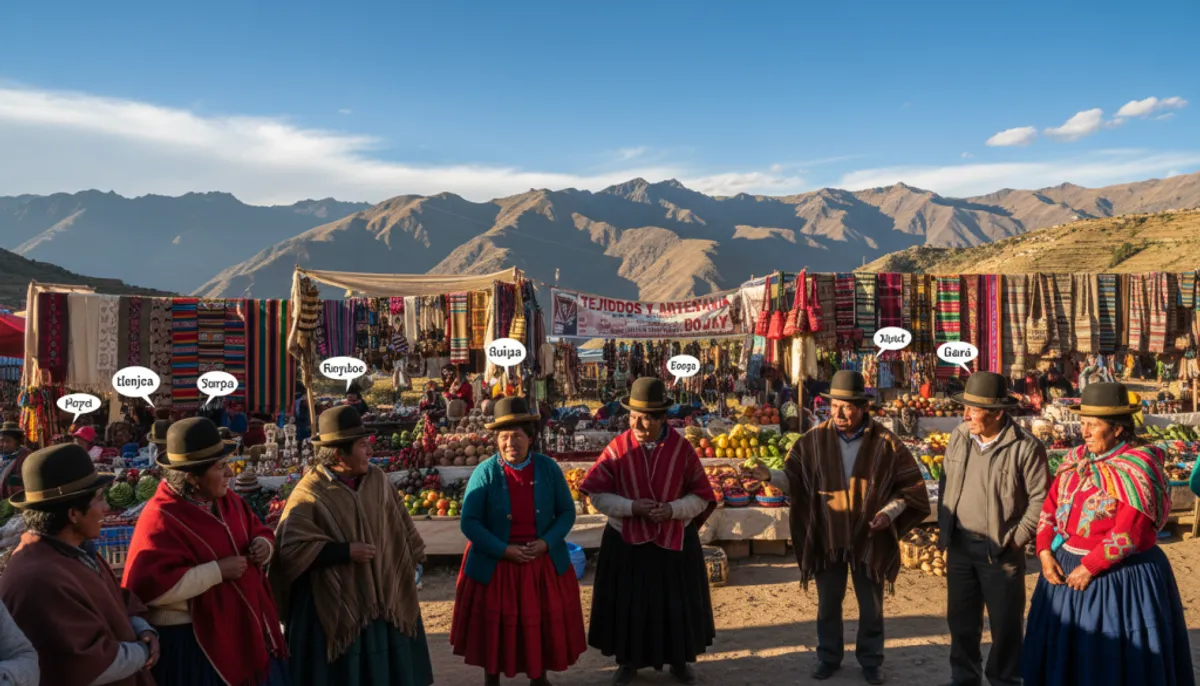
The human mosaic of this Andean territory is revealed through its extraordinary linguistic diversity. This plurality makes the country one of the most multilingual nations in the world.
Linguistic Diversity and Indigenous Languages
Spanish dominates with 61-75% of speakers, followed by Quechua (16-25%) and Aymara (10-16%). The 2009 Constitution officially recognizes 37 national languages.
This recognition includes 36 indigenous languages alongside Spanish. However, the situation of many indigenous languages remains concerning.
| Language | Percentage of Speakers | Status |
|---|---|---|
| Spanish | 61-75% | Majority language |
| Quechua | 16-25% | Vigorous language |
| Aymara | 10-16% | Vigorous language |
| Other indigenous languages | Less than 1% each | Mostly endangered |
This linguistic richness represents a unique living heritage in Latin America.
The inhabitants are divided into several main ethnic groups. The Quechuas represent 30% of the population, followed by Mestizos (30%) and Aymaras (25%).
Each community contributes its distinctive part to the national identity. The different groups maintain their linguistic traditions despite modern challenges.
Traditional Traditions and Beliefs
A unique religious syncretism characterizes the spiritual practices of this mountainous region. The Catholic religion coexists harmoniously with ancestral beliefs, creating a distinctive spirituality.
The Role of Religion and Ancestral Rituals
Catholicism remains predominant, but the 2009 Constitution established the separation of Church and State. This evolution recognizes the legitimacy of indigenous spiritualities.
The worship of Pachamama, the goddess of fertility, remains central to community life. Offerings include coca leaves, alcohol, and symbolic foods.
Popular Festivals and Ceremonies
The Oruro carnival, classified as a world heritage site, illustrates this cultural blend. The Alasitas festival honors Ekeko, the god of abundance, with symbolic miniatures.
These celebrations show a deep attachment to the land and traditions. They punctuate the year and strengthen social bonds.
Andean Myths and Legends
The collective imagination is enriched by figures such as Viracocha and Ekeko. These stories convey values and explain the origin of the world.
Modern heroes also inspire current generations. Their memory contributes to identity construction.
Bolivian Art and Craftsmanship
Artistic expression is a fundamental pillar of national identity. It draws its sources from a millennia-old heritage, from pre-Columbian civilizations to the contemporary scene.
This rich tradition manifests through a diversity of forms, from vibrant paintings to intricate textiles.
Visual Arts and Traditional Painting
Contemporary art is marked by emblematic figures. Roberto Mamani Mamani celebrates Aymara cosmovision through vibrant colors and symbolic patterns.
Edgar Arandia, for his part, captures the essence of urban life. His works depict the social contradictions of La Paz, reflecting the effects of modernization.
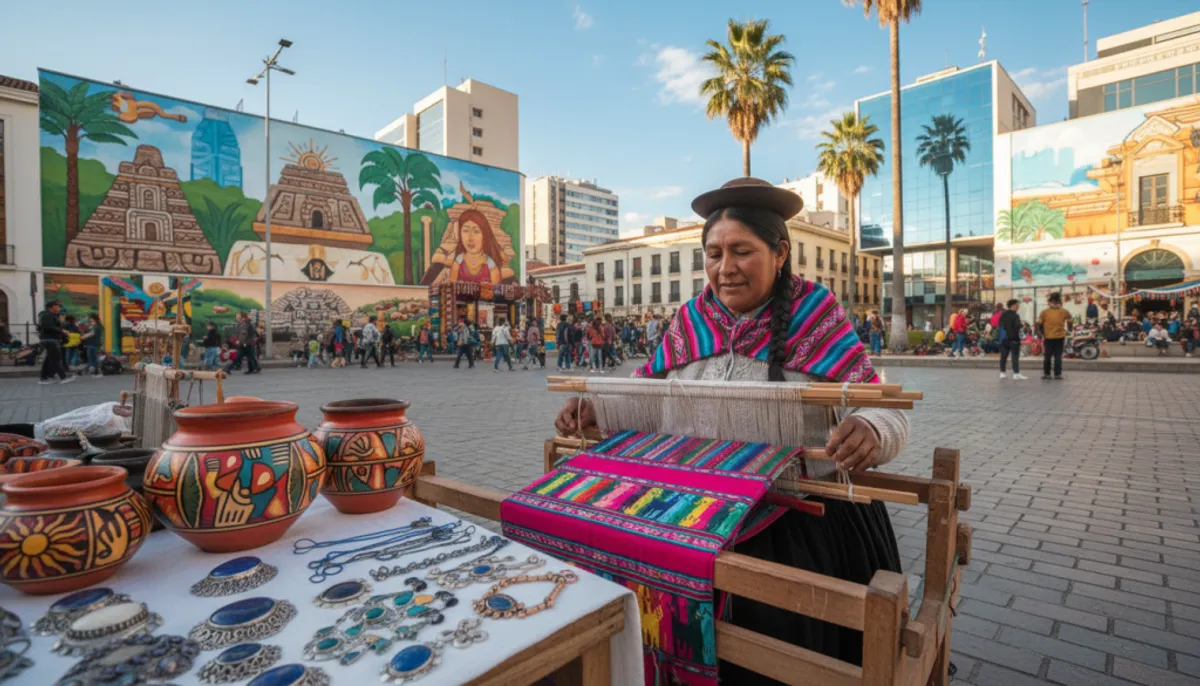
Graciela Rodo Boulanger has gained international acclaim. Her art captivates audiences worldwide.
Craftsmanship, Costumes, and Ancestral Know-How
Traditional craftsmanship represents an invaluable intangible heritage. Weaving alpaca wool allows for the creation of brightly colored ponchos.
Each ethnic group has its unique visual codes. The woven patterns and symbols tell a specific worldview.
The costumes of the Cholitas, with their bowler hats and polleras, are iconic. The folk masks used in dances are true works of art.
| Period | Dominant Style | Main Characteristics |
|---|---|---|
| Pre-Columbian | Tiwanaku Art | Geometric patterns, religious symbolism |
| Colonial | Andean Baroque | Fusion of Catholic and indigenous iconography |
| Contemporary | Neo-Andean | Vibrant colors, social critique, reinterpreted traditional motifs |
The transmission of these skills faces modern challenges. Their preservation is crucial to maintaining the diversity of this unique culture.
Music and Dance in Bolivian Culture
The local artistic scene pulses to the rhythm of ancestral melodies and spectacular choreographies. These artistic expressions constitute a universal language that transcends generations.
Traditional Instruments and Iconic Musicians
Ernesto Cavour revolutionized traditional music with his remarkable inventions. His star charango and double-neck guitar fascinate music lovers around the world.
The group “Los Jairas” popularized Andean folklore in Europe. Francisco Maldonado represents the contemporary scene with his group Atajo.
Popular Dances: Diablada, Tinku, and More
The Diablada from the Oruro carnival features spectacular masks. This dance symbolizes the struggle between good and evil with remarkable visual intensity.
The Morenada evokes the tragic fate of African slaves. The Tinku narrates the ritual conflicts between indigenous communities.
These artistic expressions enrich the heritage of the country, including influences from places like norway. They testify to an exceptional creativity that deserves to be discovered.
Cuisine and Beverages: Authentic Flavors
Bolivian gastronomy offers a sensory journey through the authentic flavors of the Andes, much like the insights found in popular science books. This extraordinarily rich cuisine reflects the geographical diversity of the territory.
Traditional Dishes and Regional Specialties
Cochabamba stands out as the ultimate gastronomic city. Its emblematic dish, pique macho, combines meat, sausages, and vegetables on a generous plate.
The salteña represents the national dish. This stuffed pastry is traditionally consumed mid-morning. Each region develops its own culinary specialties.
Around Lake Titicaca, trout is a local delicacy. This specialty reflects the influence of the highest navigable lake in the world.
| Specialty | Region of Origin | Main Characteristics |
|---|---|---|
| Salteña | National | Stuffed pastry with meat and vegetables |
| Pique Macho | Cochabamba | Generous mix of meats and fries |
| Trout from Lake Titicaca | Andean region | Fresh fish from the sacred waters |
| Saice | Tarija | Spicy minced meat with rice |
Traditional beverages complement this culinary experience. Coca tea and api pair perfectly with meals. These drinks are an integral part of the gastronomic heritage.
Every year, new flavors emerge while respecting ancestral traditions. The transmission of recipes ensures the sustainability of this rich heritage.
The Challenges of Preserving Bolivian Culture
The protection of Bolivian cultural heritage is a crucial issue for future generations. This unique wealth faces significant contemporary challenges that threaten its sustainability, including the need for cultural offers 2026 that can help promote and preserve these traditions.
The Challenges of Modernization and Globalization
The advance of modernization jeopardizes ancestral know-how. Many artisanal techniques have already disappeared without sufficient documentation.
The linguistic situation reveals an absolute urgency. According to Ethnologue, sixteen languages are on the verge of immediate extinction.
Local Initiatives to Promote Heritage
The 2009 Constitution marked a decisive turning point. It officially recognizes traditional medicines and guarantees self-government for indigenous peoples.
Local initiatives are multiplying to safeguard this heritage:
- Language revitalization programs in communities
- Community museums dedicated to traditional crafts
- Cultural festivals highlighting ancestral practices
The Importance of Transmitting Traditions to Younger Generations
Transmission to the youth is the key to cultural survival. New generations grow up in a connected world where Western values exert a strong attraction.
Every year brings its share of challenges, but also opportunities. The balance between modernity and traditions must be found to ensure the continuity of this exceptional culture, including the cado culture bimpli user experience.Conclusion
In conclusion, the intangible heritage of this South American nation represents a unique living treasure. This fascinating mosaic draws its roots from a millennia-old heritage, creating one of the most important expressions in Latin America.
Emblematic figures like César Brie have revolutionized theater by performing in the streets of villages. Domitila Barrios De Chungara symbolizes the struggle of the mines, showing how social engagement is an integral part of this identity.
The festive calendar rhythms life throughout the year. Celebrations in June and August attract visitors from around the world, while the coca leaf occupies a central place in rituals.
Preserving this exceptional wealth in the face of modernization remains crucial. The transmission to younger generations will ensure the sustainability of a heritage that makes this country a cultural reference in Latin America.
FAQ
What is the influence of pre-Columbian civilizations in the country today?
The legacy of civilizations like the Tiwanaku is very present. It can be seen in crafts, myths, and even agriculture. The goddess Pachamama, or Mother Earth, remains central to the beliefs and rituals of many communities.
How many languages are spoken in Bolivia?
The nation recognizes 37 official languages! Spanish is the majority, but Quechua, Aymara, and Guarani are widely used. This linguistic diversity reflects the richness of the peoples and their history.
What is the most important festival of the year?
The Oruro Carnival, in February or March, is a spectacular event classified as a UNESCO heritage site. It blends Catholic religion and ancestral rituals through dances like the famous Diablada.
What typical dishes must be tasted?
The salteña, a type of stuffed pastry, is a must-try. The silpancho, a hearty dish from Cochabamba, and cassava soup are also delicious specialties that tell the story of the land.
How do younger generations perpetuate customs?
Despite modernization, many initiatives are emerging. Schools teach indigenous languages and traditional dances. Families also pass on skills, such as weaving, so that this art does not get lost.