
Welcome to the heart of the Gulf, where a small island kingdom reveals unsuspected treasures. Bahrain presents itself as a fascinating country, at the crossroads between ancient traditions and vibrant modernity.
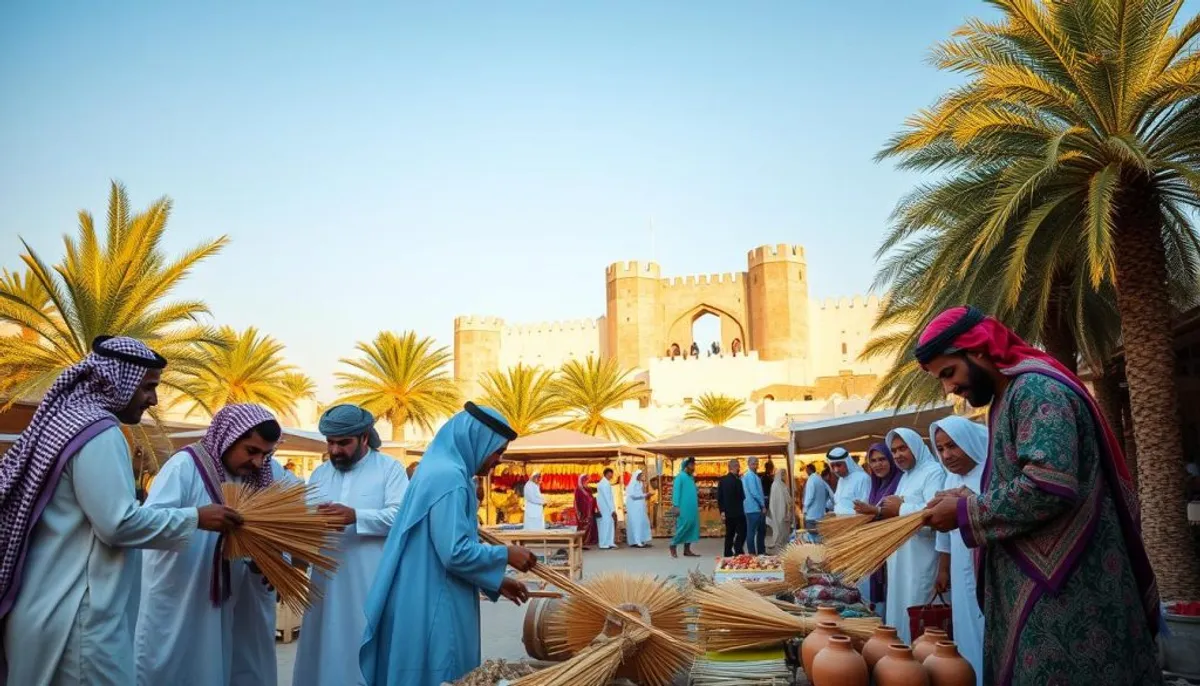
This nation, although modest in size, possesses extraordinary historical wealth. Its heritage dates back thousands of years, making it an essential trading crossroads. This unique position has forged an open and welcoming identity.
Today, this balance between past and present creates a unique experience for visitors. The inhabitants have managed to preserve their customs while embracing innovation. This harmony is reflected in every aspect of daily life.
From colorful festivals to artisanal practices, every detail tells a story. We invite you to discover how this small state shines well beyond its borders. Its influence extends throughout the Arab world and beyond.
Key Points to Remember
- Bahrain harmoniously combines millennia-old traditions and modernity
- The country is a historical crossroads that has shaped a unique identity
- Bahraini society is recognized for its openness and tolerance
- The island preserves a rich heritage while constantly innovating
- Its geographical position makes it a bridge between civilizations
- The local culture stands out for its liberal character in the region
The Historical Heritage of Bahrain
Since the Bronze Age, this maritime territory played a crucial role in ancient trade exchanges. Its fascinating history dates back over 4000 years.
The Dilmun civilization thrived as early as the end of the 3rd millennium BCE. It served as a bridge between Mesopotamia and the Indus.
The strategic position of the islands explains their historical importance. Their unique environment combines saltwater and freshwater springs.
| Historical Period | Duration | Importance |
|---|---|---|
| Dilmun Civilization | 2500-1800 BCE | Major trading center |
| Tylos Period | 323 BCE-622 CE | Greek and Roman influence |
| Islamic Era | 629 CE to present | Religious transformation |
Cuneiform texts from 1861 mention “Oupéri, king of Dilmun, whose palace is located 30 double-hours in the middle of the sea.”
Antiquity and the Dilmun Civilization
Archaeological discoveries reveal the importance of this ancient site. Over 170,000 burial mounds testify to a thriving population.
Influences from Conquests and Ancient Exchanges
The conquests of Alexander transformed the archipelago once more. The Tylos period marked a new era of cultural exchanges.
This rich history of bolivia continues to influence the identity of the country. The archaeological sites still attract researchers today.
Diving into Authentic Bahraini Culture
Diving into the Bahraini cultural universe means exploring a remarkable balance between respect for traditions and openness to the world. This harmony deeply characterizes contemporary society.
Historical Roots and Founding Myths
The Dilmun civilization owes its rise to an exceptional strategic position. Over the years, various influences have enriched the local heritage without altering it.
The inhabitants have integrated Persian, Portuguese, and British elements. This creative fusion has shaped unique customs in the region.
Evolution of Cultural Practices Over the Centuries
The 19th century saw the arrival of musical instruments from East Africa. For the past twenty years, pop/rock elements have animated some urban festivals.
| Period | Major Influences | Cultural Evolution |
|---|---|---|
| Antiquity | Dilmun Civilization | Mythological foundations |
| Middle Ages | Persian Culture | Artistic enrichment |
| Modern Era | Western influences | Fusion of tradition and innovation |
Bahraini men and women are renowned for their legendary hospitality. This warm welcome facilitates integration into this dynamic society.
Religious aspects coexist harmoniously with an assumed modernity. This unique cultural site stands out for its liberal character in the Gulf.
Iconic Festivals and Celebrations
These festivities regularly transform the urban landscape into scenes of joyful gatherings. They punctuate the year and reinforce national identity.
Spring of Culture Festival and International Events
The Spring of Culture Festival lights up every winter. It attracts artists from around the world between January and February. This flagship event highlights both heritage and innovation.
The Formula 1 Grand Prix in March/April goes beyond a simple car race. It creates a festive atmosphere with concerts and shows. The Pearl Festival celebrates the history of fishing on its historic site.
Religious Celebrations: Ramadan, Eid, and Gargee'an
Ramadan completely transforms the rhythm of life. It is a sacred moment of fasting and prayers. Families gather for iftar in a warm atmosphere.
The Gargee'an, celebrated in the middle of Ramadan, is particularly anticipated. Children in traditional attire roam the neighborhoods. They sing and receive treats from house to house.
These local maltese festivals confirm the kingdom's position as a major cultural center. They create a unique bridge between local traditions and international influences.
The Influence of Oral Traditions and Arts
The performing arts are a fundamental pillar of national identity, transmitting values and stories across generations. These artistic expressions create an emotional bridge between the past and the present.
Poetry and Oral Transmission
Poetry occupies a central place in the local heritage. Modern poets perpetuate ancient forms while addressing contemporary themes.
This oral tradition ensures the intergenerational transmission of collective emotions. It represents an integral part of family and national celebrations.
Folkloric Dances and Khaleeji Music
Khaleeji music is distinguished by its polyrhythms influenced by African music. The fidjeri, the song of pearl fishermen, symbolizes the ancestral connection to the sea.
The ardha is a spectacular male dance where men in traditional attire express collective pride. Accompanied by drums and poet-singers, these performances enliven the festivals.
These artistic traditions strengthen intergenerational dialogue throughout the Arab world. They preserve a unique culture while evolving harmoniously.
Daily Customs and Social Codes
Understanding the daily customs of Bahrain means discovering a society where every interaction is imbued with respect and human warmth. These social practices create a harmonious framework for collective life.
Bahraini Social Practices and Hospitality
Social relationships in this country are built on trust and closeness. When invited to a family home, it is customary to bring a small gift such as sweets or fruits.
Removing shoes at the entrance of a house shows respect for local bosnian traditions. This legendary hospitality strengthens community bonds between men and women of the kingdom.
Traditional Attire and Clothing Modernity
Clothing perfectly reflects the balance between tradition and modernity. Some men wear the dishdasha while others opt for Western clothing.
For official events, the thobe remains the reference outfit. Women often choose the abaya in public places or the jallabiya during celebrations.
This flexible clothing plan allows everyone to express their identity while respecting established customs.
Historical and Heritage Sites
Exploring the historical sites of Bahrain reveals unique architectural treasures. These exceptional monuments testify to the millennia-old richness of this island country.
Must-See Visits: Qal'at al-Bahrain and Bab Al Bahrain
Qal'at al-Bahrain, the “fort of Bahrain,” represents a major site of 20 hectares. This ancient fortified capital housed public buildings in its center.
Bab Al Bahrain, built in the 1940s, marks the entrance to Manama. Inhabitants and visitors discover a lively market with local crafts.
The Necropolises and Tumuli of Dilmun
The necropolises of Dilmun tell a story thousands of years old. These burial mounds are an integral part of the archaeological heritage.
The Pearl Path, classified as a UNESCO site, illuminates the pearling heritage. It traverses the historic city of Muharraq with its restored houses.
| Heritage Site | Historical Period | Main Feature |
|---|---|---|
| Qal'at al-Bahrain | Dilmun Civilization | Ancient fortified capital |
| Bab Al Bahrain | 1940s | Gateway to Manama |
| Pearl Path | Pearling Era | UNESCO Heritage |
These sites create a tangible link between the glorious past and the dynamic present. Each monument tells a different facet of the history of the islands.
The Bahraini Culinary Experience
Tasting the cuisine of Bahrain is to embark on a sensory journey through the centuries of history of the archipelago. The flavors are a living heritage of exchanges with the Arab, Persian, Indian, and African worlds. This art of the table is an integral part of social life.
Traditional Dishes and Local Street Food
The day often begins with a tasty breakfast. The balaleet, sweet vermicelli served with an omelet, is a perfect example of this sweet-salty mix. The khubz, a flatbread, is enjoyed with cheese or mahyawa sauce.
Lunch is the main meal. The most emblematic dish is the machboos, spiced rice with chicken, lamb, or fish. It is enjoyed by all, both men and women. Seafood, such as safi fish, is also very popular.
In the evening, meals are lighter. Street food is omnipresent and very accessible. You can find samboosa (stuffed pastries), shawarmas, and grilled kebabs. For desserts, halwa and luqaimat (doughnuts) are must-tries.
Dates have an important place in the diet. They are an ancient culinary tradition and a nutritional staple. Their presence on the table is a respected custom.
Historical Influences on Gastronomy
The kingdom's position as a crossroads has directly influenced its gastronomy. Each invasion and trade exchange brought new spices and techniques. This history has created a unique cuisine, both rooted and open to the world.
Today, this diversity is also reflected in high-end dining. Establishments like Fusions by Tala or Cut by Wolfgang Puck offer an experience of international quality. They brilliantly blend local flavors with global influences.
| Meal Type | Main Dish | Characteristic |
|---|---|---|
| Breakfast | Balaleet, Khubz | Sweet-salty mix, simple base |
| Lunch | Machboos, Biryani | Spiced rice, heartiest meal |
| Street Food / Light Dinner | Samboosa, Shawarma | Quick, tasty, and accessible |
Craftsmanship and Traditional Know-How
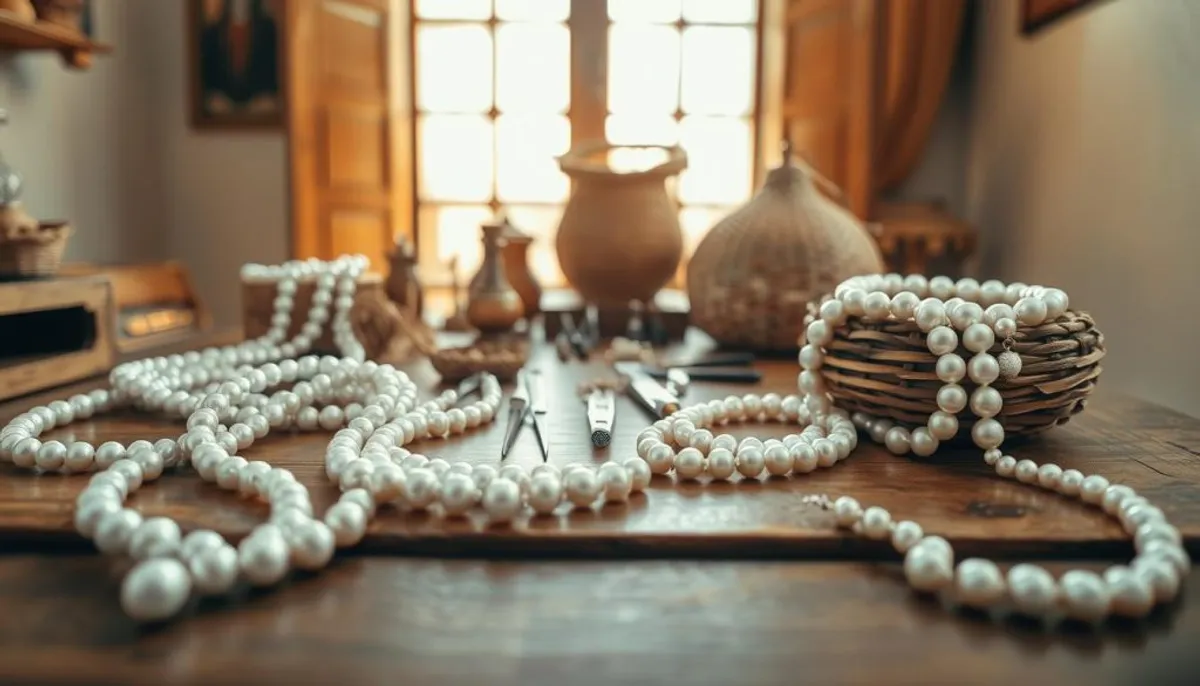
The skilled hands of Bahraini artisans perpetuate ancestral know-how passed down from generation to generation. These crafts, including costa rican craftsmanship, tell the story of the kingdom through unique creations.
Pearl Fishing and Local Craftsmanship
Pearl fishing constitutes a millennia-old heritage. This activity dates back to antiquity in the waters of the Gulf. It has shaped the economy for many years.
Despite the decline in the 1920s, this tradition remains alive. The Pearl Path, classified as a UNESCO site, testifies to this history. The inhabitants celebrate this heritage during the annual festival.
The fidjeri, the song of fishermen, expresses the connection to the sea. Men practiced this song during their expeditions. It accompanies traditional drums.
| Type of Craftsmanship | Specificity | Transmission |
|---|---|---|
| Pearl Fishing | Millennia-old heritage | Heritage initiatives |
| Traditional Pottery | Ancestral techniques | Family workshops |
| Shipbuilding | Wooden boats | Master craftsmen |
| Arabic Calligraphy | Decorative art | Specialized schools |
These various types of craftsmanship can be discovered in workshops. Visitors can learn the techniques. This cultural influence in luxembourg cultural site preserves an exceptional heritage.
Transmission occurs from master to apprentice. It ensures the sustainability of these rare trades. Each creation tells a part of the island's history.
Religion and Spiritual Practices
Sacred rituals form the invisible foundation that unites the population around common values. This small island state presents a remarkable model of religious diversity.
Islam is the dominant religion, but Christian, Hindu, and Buddhist communities coexist peacefully. This harmony strengthens inter-community bonds in society.
Observances of Ramadan and Religious Rituals
Ramadan represents a particularly sacred moment in the year. During this month, daily life completely adjusts to the rituals of fasting.
Every day, the faithful observe fasting from dawn until sunset. Expatriates are not required to fast but respect local customs.
The Ghabga evenings, organized after iftar, create unique convivial moments. Families and friends gather around light meals until the pre-dawn meal.
Children actively participate in the celebrations, especially during Gargee'an. These traditions strengthen the bonds within each family.
At the end of Ramadan, Eid celebrations bring together extended families. These joyful celebrations mix prayers, festive meals, and community sharing.
The Strategic and Economic Role of Bahrain
Geography has provided Bahrain with a unique advantage that has determined its economic destiny for millennia. Located halfway between the confluence of the Tigris-Euphrates and the Strait of Hormuz, the archipelago occupies an exceptional strategic position.
This central position in the Gulf has made these islands a natural trading crossroads. Since the Bronze Age, maritime routes connecting the Near East to the Indian subcontinent converged towards this country.
Geographical Position and Historical Trading Crossroads
The local environment presents a remarkable dual asset. In addition to its privileged maritime position, Bahrain has immense aquifer reserves. These artesian springs have attracted populations for thousands of years.
The local population has managed to take advantage of these natural benefits. For centuries, it controlled trade throughout the Gulf region. This activity has firmly established its role as a commercial hub.
The sea has always been at the heart of the economy of this archipelago. From ancient trade routes to pearl fishing, water represents a fundamental element. This maritime connection is an integral part of the economic identity.
In the face of crises, the country has demonstrated remarkable resilience. In the 1920s, the invention of cultured pearls threatened the traditional economy. Later, the depletion of oil wells posed a new challenge.
Bahrain stands as a pioneer in the Arab world. It was the first in the region to exploit oil. This ability to seize opportunities characterizes its modern economic approach.
Cultural Events in a Modern Perspective
Current cultural events in Bahrain perfectly illustrate the dynamic between heritage and innovation. Defining the issue, the kingdom faces the challenges of globalization with a balanced approach.
For the past twenty years, an increasing integration of pop/rock elements has animated some urban festivals. This evolution transforms cultural life day by day.
Modernization and Fusion Between Tradition and Contemporary
Younger generations show a keen interest in events that merge local traditions and international expressions. They actively participate in major national celebrations at least once a year.
The Spring of Culture Festival fosters fruitful dialogue between past and present. It widely involves youth and families in its programming.
Impact of Festivals on Current Society
The Bahrain Summer Festival offers shows, workshops, and activities for the whole family. It creates a joyful atmosphere during the summer season.
The Bahrain Music Festival showcases a wide variety of musical genres. From traditional Khaleeji to international jazz, it enhances appreciation for diversity.
| Festival | Period | Main Feature |
|---|---|---|
| Spring of Culture | Winter | Dialogue between tradition and modernity |
| Bahrain Summer Festival | Summer | Varied family activities |
| Bahrain Music Festival | Annual | International musical diversity |
| The Nest in Adliya | Winter | Local crafts and live music |
The Nest in Adliya brings together local artisans in a warm atmosphere. Music, food, and handcrafted items create an immersive experience.
These festivals strengthen national identity and social cohesion. All traditional and modern aspects coexist harmoniously.
Multicultural Influences and International Exchanges
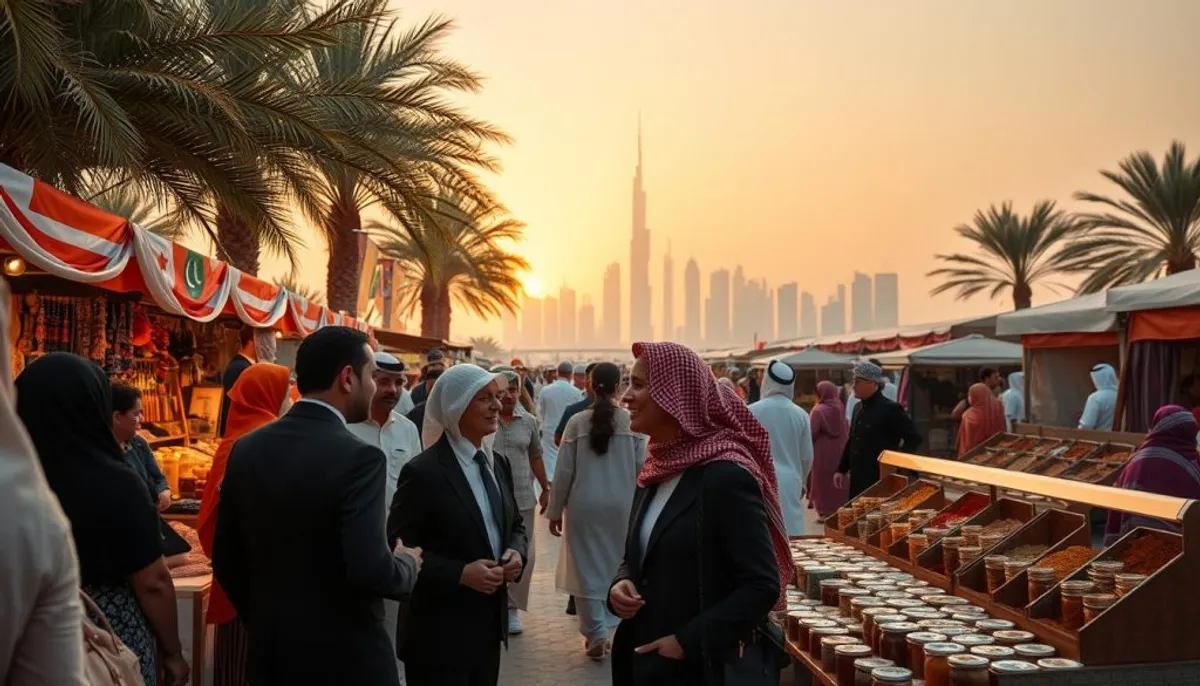
Over the centuries, this island nation has developed an identity marked by exchange and intercultural dialogue. Its strategic position makes it a natural center for meetings between traders and travelers from around the world. This historical openness profoundly characterizes contemporary society.
Cultural Merging and Diversity of Influences
The mixing of populations has created a unique culture, enriched multiple times by different civilizations. Arab, Persian, South Asian, and African influences blend harmoniously. This diversity is reflected in architecture, gastronomy, and social practices.
The kingdom occupies a special place in the Gulf region. Its liberal approach and openness make it a bridge between East and West. International festivals perfectly illustrate this dynamic.
| Cultural Influence | Current Manifestation | Impact on Society |
|---|---|---|
| Arab and Islamic | Traditional architecture | Religious and social foundations |
| Persian | Decorative arts and music | Artistic enrichment |
| South Asian | Spicy cuisine | Culinary diversity |
| African | Musical rhythms | Festive expressions |
Historical trade networks have evolved into contemporary cultural exchanges. These connections are an integral part of modern identity. International partnerships strengthen this global dimension.
Practical Guide to Experiencing Authentic Bahrain
Fully experiencing your stay in this kingdom requires a practical and immersive approach. This guide helps you create memorable memories.
Tips for Expatriates and Travelers
Interacting with locals transforms your experience. Participate in local craft workshops.
Talk to artisans and share a traditional meal. These moments create authentic bonds.
Expat clubs facilitate social integration. They offer an excellent example of a welcoming community.
| Type of Club | Annual Cost (BHD) | Main Activities |
|---|---|---|
| British Club | 50-150 | Social events, sports |
| Bahrain Rugby Club | 30-80 | Rugby, fitness, events |
| Dilmun Club | 40-100 | Family activities |
“The best way to understand a people is to share their daily life and traditions.”
Cultural Itineraries and Local Recommendations
Discover iconic sites such as the National Museum. The National Theatre offers quality performances.
For families with children, Al Areen Wildlife Park is ideal. The beaches of Zallaq offer water sports.
An excellent plan combines historical visits in the morning. Have lunch in a traditional restaurant in the afternoon.
Explore the souks in the evening. This part of your journey will be particularly enriching.
These discovery networks optimize your life in this welcoming country. They help you face the challenges of cultural immersion.
Conclusion
Bahrain perfectly embodies a nation's ability to honor its past while building its future. This small island kingdom has managed to preserve its unique identity while opening up to the contemporary world.
From the millennia-old history of Dilmun to the living traditions passed down through generations, every aspect reveals a remarkable balance. Bahrainis, proud of their slovenian heritage, have always managed to face challenges while retaining their distinctive soul.
The legendary hospitality and openness to international influences make this country an exceptional meeting place. We encourage you to discover this fascinating culture for yourself.
Visit the historical sites, participate in colorful festivals, or connect with the local population. Bahrain is constantly evolving while preserving the essential part of its identity, creating a living bridge between yesterday and tomorrow.
FAQ
What are the most important historical sites to visit in the kingdom?
Don't miss the Fort of Bahrain (Qal'at al-Bahrain), a UNESCO site, and Bab Al Bahrain, the historic gateway to Manama. The ancient mounds of the Dilmun civilization are also fascinating.
How is hospitality manifested in local society?
Hospitality is an integral part of customs. It is common to be invited to share coffee or a meal. Respect for elders and warm welcomes are fundamental values.
What major cultural festivals animate the country?
The Spring of Culture Festival features international arts. Religious celebrations such as Ramadan and Eid, as well as the popular Gargee'an festival, are highlights of the year.
Is pearl fishing still practiced today?
Although less widespread, this historical tradition endures. It symbolizes the kingdom's connection to the sea and its rich past. You can discover this craft in some museums and sites.
What traditional dishes should one definitely try?
Try the Machboos (spiced rice dish with meat or fish) and fresh dates. Street food also offers unique flavors, marked by regional influences.
How does the population combine modernity and traditions?
The country is open to the world while preserving its roots. This fusion is seen in art, festivals, and daily life, where ancient social codes coexist with modernity.