
Welcome to this comprehensive guide dedicated to discovering a unique Mediterranean treasure. This small archipelago in the heart of the Mediterranean deserves your full attention, whether you are planning a visit or a move.
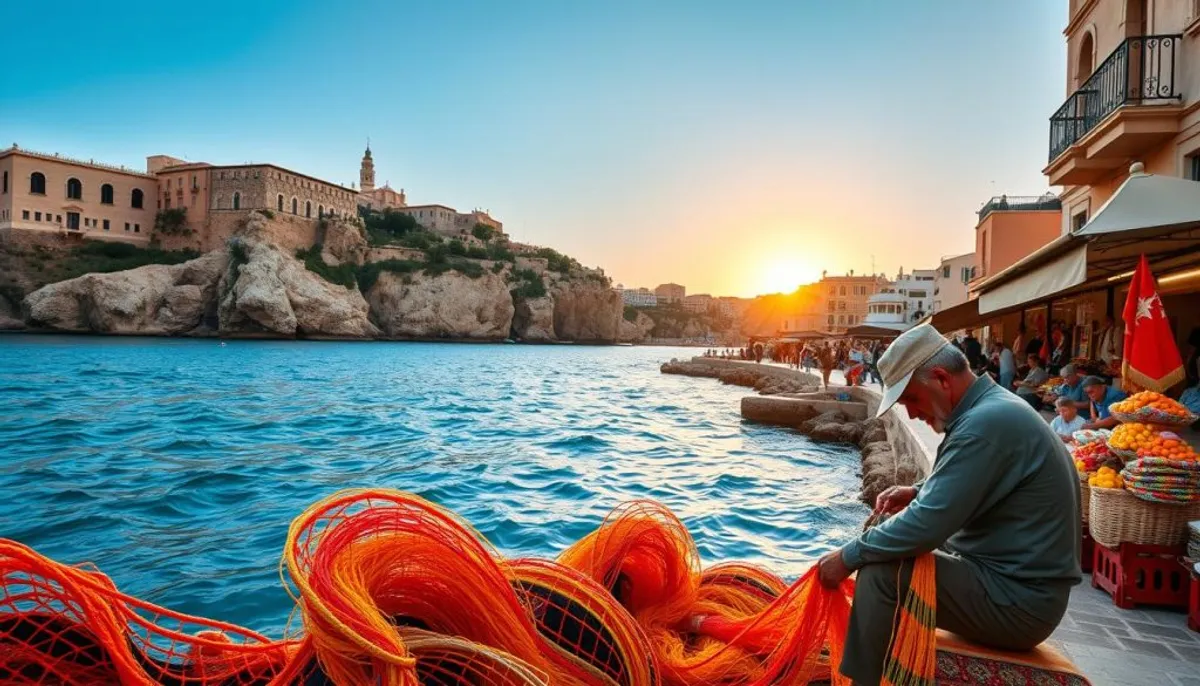
We will guide you through the many facets of this extraordinary island nation. Its identity is nourished by Latin, British, and Arab influences, creating a truly unique harmony.
This guide allows you to understand the soul of the island and its ancestral customs. You will discover a millennia-old heritage and a warm way of life that attracts many visitors each year.
From local gastronomy to traditional festivities, and a rich history, we will explore together all the captivating aspects of this destination. This article provides you with all the keys for a successful immersion.
Key Points to Remember
- Malta is a Mediterranean archipelago with a unique cultural heritage
- Its identity harmoniously blends various influences
- The guide covers all aspects of local life
- Ideal for preparing a trip or an expatriation project
- Discovery of millennia-old heritage and living traditions
- Focus on gastronomy and traditional festivities
Welcome to Malta: An Archipelago with Many Facets
Let’s discover an archipelago with many faces. This small island state has many surprises in store for you with its unique characteristics.
Malta, its landscapes and Mediterranean climate
The archipelago consists of several main islands. Malta, Gozo, and Comino each offer spectacular coastal landscapes.
The crystal-clear waters and preserved nature invite exploration. The Mediterranean climate ensures generous sunshine all year round.
Pleasant temperatures in every season make this country a favored destination. The quality of life by the sea attracts many visitors.
Historical and cultural influences: Latin, British, and Arab
The history of this archipelago dates back over 7000 years. Many civilizations have marked its development over time.
The Latin heritage of the Romans and Italians coexists with British influence. The English presence lasted over 150 years until 1964.
The Arab roots are evident in the language and architecture, as well as in the rich tapestry of luxembourgish folklore. This fusion creates a unique identity where traditions and lifestyles coexist harmoniously.
Living here means experiencing this fascinating mix daily. Mediterranean friendliness meets Anglo-Saxon pragmatism in an enchanting setting.
The Traditions and Festive Events of the Island
At the heart of the island's identity are rich and varied festive traditions. These celebrations enliven the calendar throughout the year and reveal the vibrant soul of this destination.
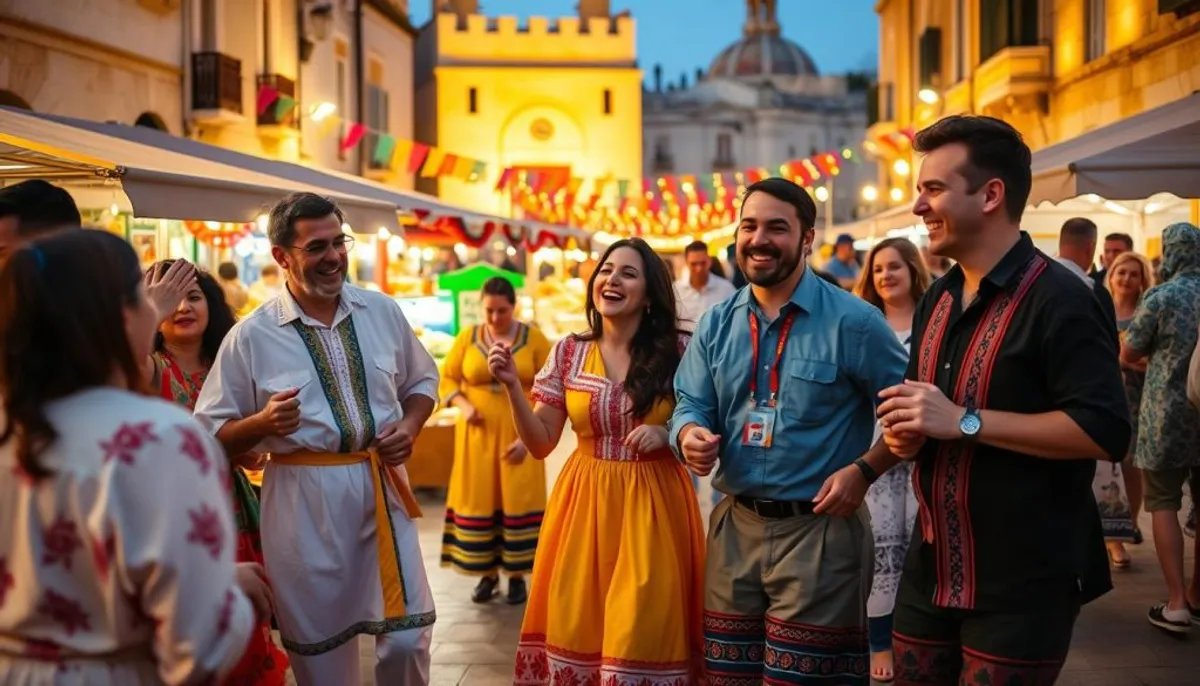
The locals place particular importance on their celebrations. Each season brings its share of colorful festivities that gather communities and visitors.
Iconic Festivals, festas, and Carnivals
The carnival dates back to 1535 and transforms the archipelago for five days in February. Spectacular parades and masked balls create a unique atmosphere.
The feast of Saint Paul in Rabat on February 10 commemorates the saint's shipwreck. Solemn processions and concerts enliven the entire town.
| Event | Period | Location | Highlights |
|---|---|---|---|
| Malta Carnival | February | Floriana | Parades, fireworks |
| Nadur Carnival | February-March | Gozo | Mysterious atmosphere |
| Village festas | June-September | Villages | Local patron saint |
| Christmas Markets | December | Mdina | Living nativity scenes, crafts |
Rural Festivals and Local Celebrations
From June to September, each village honors its patron saint during festas. Sumptuous decorations and delicious stands fill the streets.
The Victoria Agricultural Fair in August showcases Gozo's heritage. You can discover the region's crafts and authentic products.
The strawberry festival in Mgarr attracts thousands of people each year. Pies and flavored cakes delight food lovers.
Exploring Maltese Culture
Discover the riches of a civilization with roots deeply anchored in history, including cultural sites accepting illicado culture. This exploration reveals an exceptional heritage.
A Millennia-Old and Historical Heritage
The archipelago has some of the oldest megalithic temples in the world. These constructions date back over 7000 years.
Each era has left its unique architectural imprint. From medieval fortifications to baroque palaces, the landscape testifies to a rich past.
| Historical Period | Iconic Monuments | Architectural Influences |
|---|---|---|
| Prehistory | Megalithic Temples | Mediterranean Megalithic |
| Middle Ages | Fortifications | Defensive Architecture |
| Baroque Period | Palaces and Churches | Sicilian Baroque Style |
| British Era | Kazinis | Colonial Architecture |
The Heritage of Oral and Musical Traditions
Musical traditions hold a central place in local life. L-ghana, an improvisational song, represents a jewel of the oral heritage.
Our cultural pride is passed down from generation to generation through these living traditions.
The kazinis serve as true cultural centers. Each club has its band that animates village festivities.
In recent years, there has been a revival of traditional instruments. Young musicians are bringing ancestral bagpipes and tambourines back to life.
Gastronomy and Culinary Delights in Malta
The authentic flavors of this island destination tell a unique culinary story. Each dish reveals the blend of influences that have shaped the local identity over time.
Must-Try Specialties: Pastizzi, Fenek, and Imqaret
Pastizzi are the emblem of local street food. These small crispy pastries filled with ricotta or peas can be found on every corner.
Fenek, a slowly simmered rabbit stew, is considered the national dish. Locals traditionally enjoy it on Sundays with family.
Imqaret, fried date pastries dusted with sugar, offer a sweet touch during village festivities.
Artisanal Ice Cream and Other Street Delights
Ice creams are a true institution thanks to Italian influence. Gelaterias offer homemade creations with endless flavors.
Traditional trucks still roam the seafront, perpetuating a multi-generational culinary tradition.
| Specialty | Type | Ideal Period | Tasting Location |
|---|---|---|---|
| Pastizzi | Savory | All year round | Street stalls |
| Fenek | Main dish | Sunday | Village restaurants |
| Imqaret | Sweet | Local festivals | Traditional markets |
| Artisanal Ice Cream | Dessert | Warm months | Gelaterias and trucks |
To discover the best addresses, equip yourself with a good guide or the Le Petit Maltais map. It offers over 200 discounts at the island's gastronomic establishments.
Local Life and the Maltese Way of Living
Beyond monuments and gastronomy, it is in human relationships that the true soul of this destination lies. The authenticity of the experience reveals itself daily, and the local gamer community in pont audemer adds a unique layer to these interactions.
Maltese culture places a paramount importance on family ties and natural friendliness. These values deeply shape the rhythm of life on the archipelago.
Friendliness, the Importance of Family and Encounters
Sundays by the sea perfectly illustrate this philosophy. Entire generations gather to share whole days around barbecues.
Young people generally stay at home until they start their own families. This tradition strengthens intergenerational bonds.
Meeting Places: il-kazin and Other Cultural Spaces
Each village has its kazin, a true social institution. These clubs welcome all generations to chat or play cards.
The spontaneous kindness of the locals makes integration into this country easier. A simple hello is often enough to create a warm connection.
The new generation explores the world while maintaining a connection to the traditions of the island. This openness enriches local life without erasing its unique character, and it also embraces aspects of geek culture that resonate with their globalized interests.
The Impact of Modernization on Traditions and the Environment
The Maltese archipelago today navigates between traditional heritage and modern transformations. These changes profoundly affect the way of life and the identity of the country.
The present time reveals tensions between preservation and progress. This pivotal period influences all aspects of society.
Generational Changes and the Decline of Maltese
A gap separates the generations. Those over 40 retain traditional values.
Young people adopt globalized passions and interests. This openness changes their relationship with local history.
The Maltese language is experiencing a worrying decline. Many families now prefer English.
Some schools even eliminate Maltese language teaching. This linguistic erosion threatens a unique heritage.
Environmental Challenges and the Evolution of Eating Habits
The state of the environment represents a major challenge. The country lags behind Europe in ecological matters.
The sea suffers from pollution from waste and fuels. Pesticides remain massively used in agriculture.
Eating habits evolve differently. Healthy cuisine mainly interests expatriates.
Many locals suffer from overweight. The state does not conduct active prevention campaigns.
| Aspect | Traditional Practice | Modern Practice | Impact |
|---|---|---|---|
| Language | Maltese spoken daily | Predominance of English | Identity loss |
| Food | Balanced family cooking | Snacking and heavy meals | Health issues |
| Environment | Respect for natural spaces | Marine and urban pollution | Ecological degradation |
| Transport | Local movements on foot | Car dependency | Carbon footprint |
Conclusion
At the end of this exploration, the richness of Maltese identity reveals itself in all its complexity. This guide has provided you with a comprehensive overview of this unique Maltese culture, harmoniously blending ancestral traditions, including traditional bosnian music, and modernity.
This article has accompanied you through the many facets of this exceptional destination. From colorful festivities to authentic flavors, each aspect contributes to a truly enriching immersive experience.
Whether your project is a discovery stay or a sustainable move to the island, understanding local customs will transform your experience. The natural friendliness of the inhabitants facilitates integration into this welcoming society.
To deepen your exploration, the map Le Petit Maltais becomes your valuable ally. It opens access to over 200 discounts on the archipelago, allowing you to experience Malta authentically.
This immersion is just an introduction to the fascinating world that awaits you. The true discovery begins by creating bonds with the Maltese themselves.
FAQ
What is the best time of year to visit Malta?
Spring (April-June) and autumn (September-October) are ideal. The weather is mild and perfect for exploring the island. You will also avoid the intense summer heat.
What are the typical dishes to absolutely try on site?
Don't miss the pastizzi (cheese pastries), fenek (rabbit), and imqaret (date pastries). They are true delights that tell the story of the country.
How do local celebrations, like the 'festas', take place?
The festas are very lively parish festivals! They combine religious processions, fireworks, music, and a very friendly street atmosphere. It's a real spectacle.
Where can we meet the locals and discover daily life?
Head to a "il-kazin," a village social club. These places are at the heart of social life and are perfect for chatting and sharing a simple moment.
Is the Maltese language difficult to learn for a visitor?
It's a unique language, a mix of Arabic and Italian influences! A few basic words are easy to remember, and the Maltese love it when visitors make the effort to use them.
What are the main challenges facing the archipelago today?
Malta must reconcile modernization with the preservation of its rich heritage. Protecting the environment and maintaining traditions in the face of changes are major issues.