
Welcome to this fascinating exploration of a country that achieves the perfect balance between ancestral heritage and modernity. Qatari culture represents a unique bridge between Bedouin traditions and the 21st century.
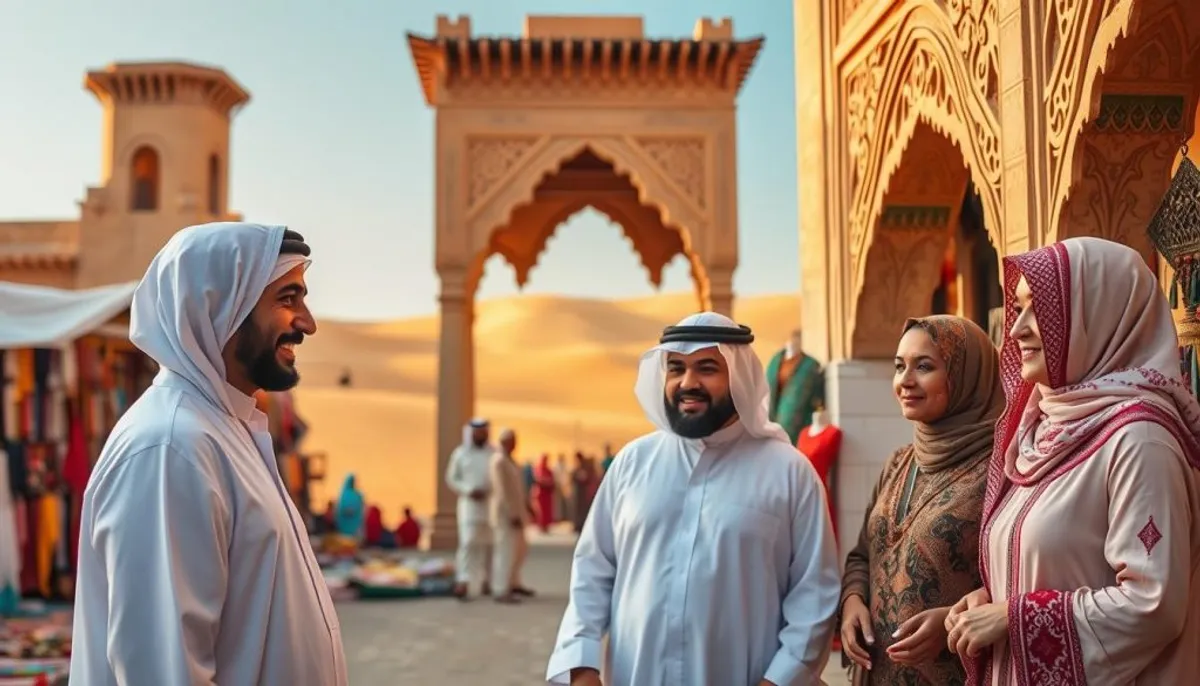
Despite its rapid transformation into one of the richest nations in the world, Qatar proudly maintains its deep roots. Oil and gas resources have propelled its development, but have not erased its identity.
Together, we will discover the rich history of this peninsula, its fundamental family values, and its authentic social customs. Bedouin heritage continues to influence contemporary society, particularly through legendary hospitality and community solidarity.
The Katara Cultural Village and the Museum of Islamic Art testify to the efforts to preserve this identity. Qataris navigate harmoniously between respecting traditions and adopting modern lifestyles.
Key Points to Remember
- Qatari culture blends Bedouin tradition and modernity
- The country preserves its identity despite rapid development
- Hospitality and solidarity are fundamental values
- Bedouin heritage still influences contemporary society
- Cultural projects preserve ancestral traditions
- A harmonious balance between past and present
- A wealth of culture discovered during international events
Historical Roots and Bedouin Influences
To understand today's Qatar, one must trace back to the Bedouin roots that have marked its development. This rich history goes back to the nomadic tribes that roamed the desert.
The country was then inhabited by communities living in harmony with their environment. They depended on natural resources for survival.
The Heritage of Nomadic Tribes
Before the discovery of oil, daily life revolved around three main activities. Camel herding, pearl diving, and fishing constituted the local economy.
The pearl diving industry represented an important part of the income. Values of hospitality and solidarity were essential for survival in the desert.
These traditions have profoundly influenced contemporary culture. Ingenuity in the face of natural challenges remains an admired quality.
The Impact of Oil Discovery
The mid-20th century marked a decisive turning point in the history of Qatar. The discovery of oil radically transformed the economy and society.
In just a few decades, the country transitioned from a modest community to a modern state. This transition preserved the Bedouin heritage while opening new opportunities.
Contemporary Qataris maintain a remarkable balance. They honor their roots while enjoying the benefits of modernity.
Religion at the Heart of Qatari Culture
The Islamic faith serves as the spiritual foundation that animates contemporary society. This religion directly influences social norms and the legal system.
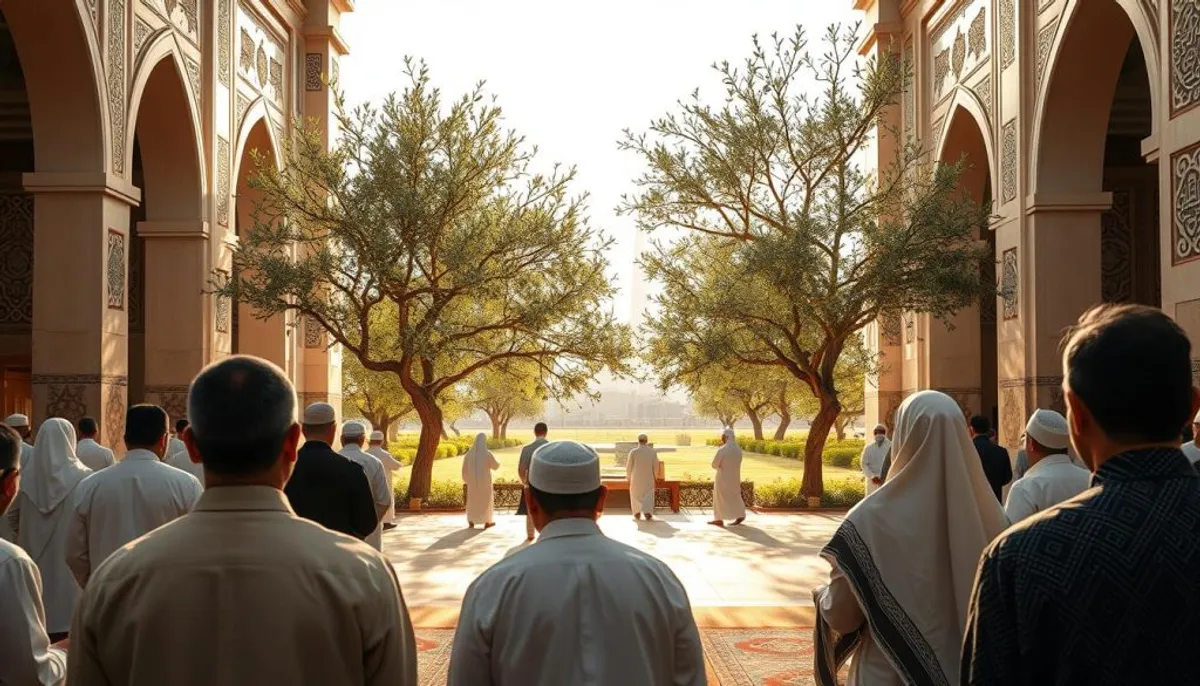
The majority of the population follows Sunni Islam. Their practice integrates harmoniously into daily life.
The Importance of Daily Prayers
The call to prayer resonates five times a day. Muslims interrupt their activities for these sacred moments.
Mosques become essential gathering places. On Fridays, collective prayers hold particular significance.
Islamic Festivals and Celebrations
Ramadan represents a month of fasting and spiritual reflection. Families gather to break the fast after sunset.
Eid al-Fitr marks the end of this sacred period. Celebrations include communal prayers and community sharing.
Eid al-Adha commemorates the sacrifice of Ibrahim. This festival reinforces family values and solidarity.
Family Structure and Social Norms
Family ties form the foundation upon which the entire Qatari social fabric rests. This organization profoundly influences relationships and collective values.
The Importance of Family Bonds
The extended family unit brings together several generations. Grandparents, uncles, aunts, and cousins actively participate in daily life.
This closeness strengthens solidarity among members. Regular gatherings maintain strong connections across all generations.
Respect for Elders and Social Hierarchy
The traditional structure grants authority to the father or the eldest male. Important decisions regarding marriage or education require his approval.
Women hold a respected place as mothers and guardians of traditions. Their educational and professional roles have significantly evolved.
| Family Aspect | Tradition | Modern Evolution | Social Impact |
|---|---|---|---|
| Power Structure | Patriarchal Authority | Collective Consultation | Balance of Decisions |
| Role of Women | Mothers and Educators | Professional Careers | Diversification of Skills |
| Marriage Process | Arranged Marriages | Increased Personal Choice | Adaptation of Traditions |
| Respect for Elders | Absolute Veneration | Intergenerational Dialogue | Transmission of Values |
Family values persist despite rapid social changes. The 2003 Constitution recognizes equality while maintaining certain traditions.
This gradual adaptation shows how Qatari society preserves its heritage, including elements of costa rican folklore. The balance between tradition and modernity characterizes the evolution of relationships between men and women.
Hospitality and Local Customs
In Qatar, hospitality is not just a courtesy but a deeply ingrained tradition. This fundamental value dates back to Bedouin times when survival depended on mutual aid.
Local customs of hospitality follow precise rules. Removing shoes before entering shows respect for the host's space.
The Ritual of Arabic Coffee
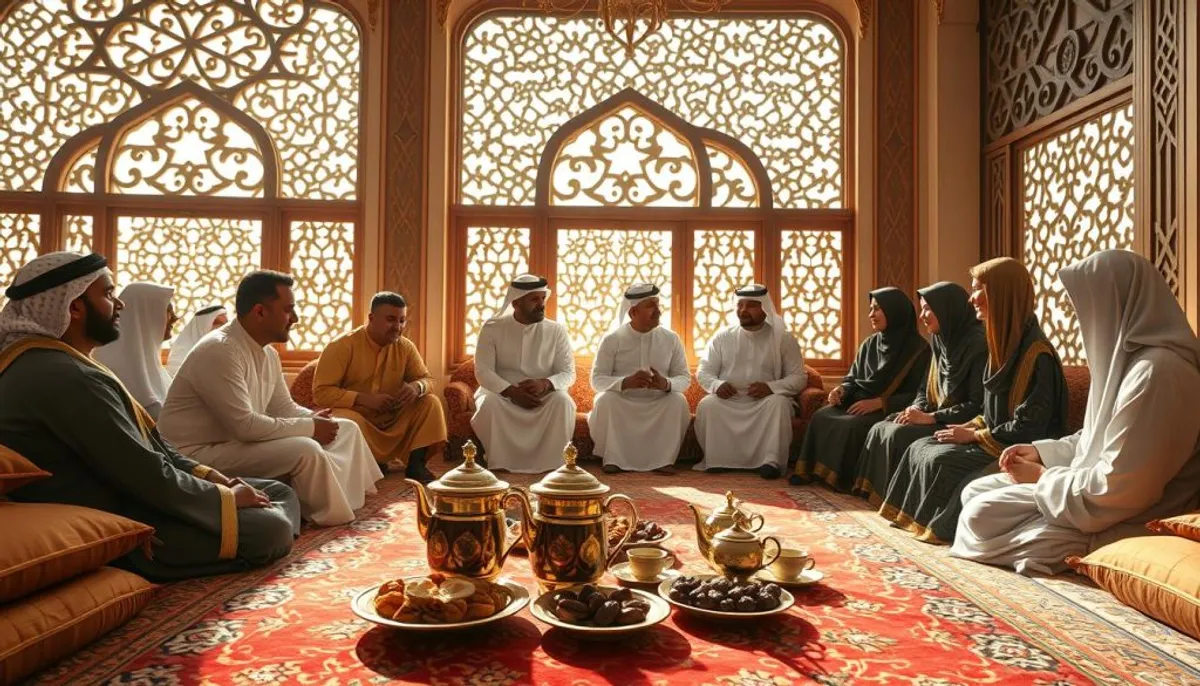
Arabic coffee, called gahwa, symbolizes Qatari hospitality. Prepared with cardamom, it is served in a traditional pot called dallah.
This drink represents an essential part of any gathering. Guests must drink at least once to honor the hospitality.
The Majlis: A Place of Fellowship
The majlis serves as a traditional social space. Men gather there to discuss over Arabic coffee and dates.
These customs create strong bonds among participants. Hospitality is also expressed through welcoming perfumes and incense.
| Hospitality Element | Traditional Meaning | Current Practice |
|---|---|---|
| Arabic Coffee (gahwa) | Symbol of Generosity | Mandatory Welcome Ritual |
| Shoe Removal | Respect for Domestic Space | Maintained Gesture of Politeness |
| Majlis | Men's Discussion Space | Mixed Socialization Place |
| Welcoming Perfumes | Mark of Honor towards the Guest | Preserved Tradition |
Refusing hospitality would be considered impolite. These local customs reflect a society where welcoming remains sacred.
Traditional Attire and Dress Codes
Clothing serves as a silent yet powerful language in the Arabian Peninsula. Traditional garments express fundamental values of modesty and respect.
These dress codes reflect a rich culture where appearance signifies character. Every detail of attire carries deep meaning.
The Thobe and Abaya: Symbols of Modesty
Qatari men proudly wear the thobe, an immaculate long white robe. This outfit is complemented by the ghoutra and agal, creating a distinctive silhouette.
For women, the abaya represents modest elegance. This long black robe is worn with the shayla, forming a harmonious ensemble.
These traditional outfits adapt perfectly to the desert climate. They offer comfort and protection while affirming identity.
The Evolution Towards Modern Dress Norms
Today, women often personalize their abayas with delicate embroidery. Men maintain the thobe as their primary daily attire.
Visitors should pay special attention to dress codes. Women are encouraged to wear covering clothing in public places.
This emphasis on modest dress shows deep respect for local traditions. Qatari culture values this discreet elegance.
Arts, Music, and Cultural Expressions
Artistic expressions, including maltese art, are a fundamental pillar of national identity in Qatar. They serve as a bridge between ancestral traditions and contemporary creativity.
Traditional Poetry and Music
Nabati poetry tells stories of love and honor. This Bedouin form has been passed down for generations.
Traditional instruments play an essential role. The oud and tabla create enchanting melodies.
Music is the soul of the desert that sings through the centuries.
The Influence of Contemporary Arts
The country is developing a dynamic artistic scene. International festivals attract talents from around the world.
The film industry is experiencing remarkable growth. Men and women actively participate in this creative renaissance.
Dance as an Expression of National Pride
Al Ardha represents a spectacular dance. Men perform synchronized movements with swords.
This performance symbolizes national unity. It fits perfectly into important celebrations.
| Artistic Form | Instrument/Element | Performance Context | Cultural Significance |
|---|---|---|---|
| Nabati Poetry | Vocal Recitation | Social Gatherings | Transmission of Values |
| Khaliji Music | Oud and tabla | Ceremonies and Festivals | Emotional Expression |
| Al Ardha Dance | Traditional Swords | National Celebrations | Pride and Unity |
| Arabic Calligraphy | Pen and Ink | Modern Architecture | Link Tradition-Modernity |
These artistic expressions preserve heritage while innovating. They allow younger generations to maintain a strong connection to their roots.
Qatari Culture: Traditions and Values
Contemporary Qatari society offers a fascinating example of balance between tradition and innovation. This harmony defines national identity in a world that is constantly evolving.
Fundamental Values and Heritage
Ancestral values continue to guide daily life. Hospitality, family solidarity, and religious respect form the foundation of this Qatari culture.
Despite rapid urbanization, traditional social norms persist. The extended family remains central, even as historical family neighborhoods have changed.
Modernity and Preservation of Traditions
The country is developing initiatives to strengthen national identity. Camel races and traditional boat competitions enliven cultural life.
The National Day on December 18 celebrates the founding of the state. Parades and fireworks honor this precious heritage.
International recognition is considered a mark of honor. It values Qatari culture in the eyes of the world.
To learn more about this unique society, explore how each tradition can be appreciated as a window into cultural evolution.
Conclusion
Ultimately, Qatar presents a unique cultural model in the world. This country successfully achieves the delicate balance between ancestral traditions and advanced modernity.
The Islamic faith remains at the heart of this society, guiding men and women in their daily lives. The principles of hospitality and family solidarity endure despite changes.
This article has shown how families maintain their customs while adapting. Visitors discover a vibrant culture that evolves without renouncing its roots.
Qatar thus carves its original path, hand in hand with its people. This nation inspires with its ability to preserve its identity while engaging with the whole world.
FAQ
What are the main influences that have shaped Qatari society?
The lifestyle has been profoundly marked by Bedouin heritage and the values of nomadic tribes. More recently, the discovery of oil has transformed the country, but local customs remain rooted in this heritage.
What is the role of religion in daily life?
The Islamic faith is at the heart of practice. Daily prayers structure the days, and major religious celebrations, such as Ramadan and Eid, are very important family and community moments.
How is the family structured and what are the social norms?
Family ties are extremely strong. Members of the same family often live close to one another. Respect for elders and a certain social hierarchy are fundamental principles.
What are the most common hospitality customs?
Hospitality is an essential value. Offering Arabic coffee is a welcome ritual. The majlis, a traditional sitting room, is a central place for hosting guests and discussing.
What do traditional garments like the thobe and abaya represent?
These garments symbolize modesty and national identity. The thobe, a long white robe for men, and the abaya, a black robe for women, are very widespread, even as dress codes evolve with modernity.
How do the arts and music express national pride?
Poetry, traditional music, and dance, such as Al Ardha, are vibrant cultural expressions. They tell the story of the country and its pride while opening up to influences from contemporary arts. The history of luxembourg also serves as an example of how cultural narratives shape national identity.