
Nestled in the heart of Southeastern Europe, this fascinating territory is home to approximately 4.2 million inhabitants. Its unique geographical location makes it a true crossroads of influences.
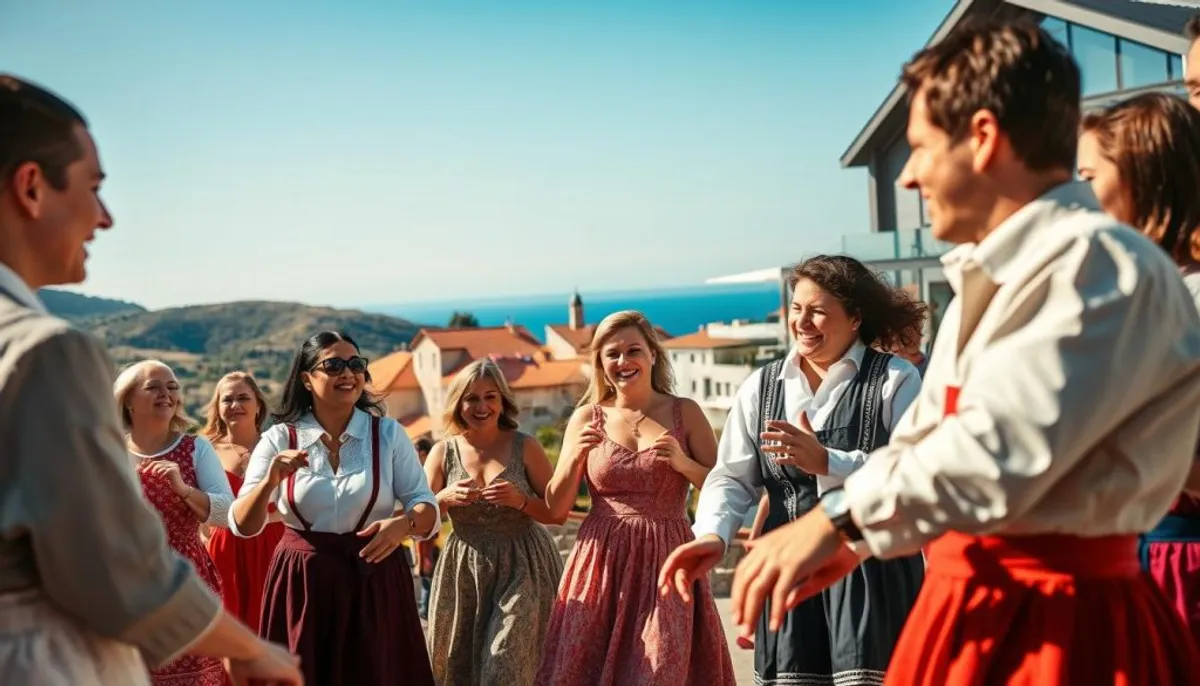
Three distinct regions characterize this country: the Pannonian plain in the north, the Dinaric mountains in the center, and the beautiful Adriatic coast. Each has its own cultural identity.
Membership in the European Union since 2013 raises exciting questions. How to preserve ancestral traditions while adapting to modern standards?
This nation offers a cultural panorama of exceptional richness. From traditional villages to vibrant coastal cities, each place tells a part of its history.
Mediterranean, Balkan, and Central European influences blend harmoniously, including notable connections to norway. This diversity creates a unique identity in the contemporary world.
Key Points to Remember
- Croatia has approximately 4.2 million inhabitants
- Three distinct cultural regions: Pannonian, Dinaric, and Adriatic
- Strategic position between Mediterranean and Central European influences
- Member of the European Union since 2013
- Balance between preserving traditions and modern adaptation
- Rich and diverse cultural identity
- Historical crossroads between East and West
Historical Context and Multiple Influences
Over the centuries, this region of Central Europe has been the scene of multiple influences. Its complex history explains the richness of its current heritage.
Ancient and Medieval Origins
Since antiquity, the Illyrians, Celts, and Romans have shaped this territory. The Slavs arrived in the 7th century, creating the first political structures.
In the 9th century, Trpimir I laid the foundations of the medieval state. Tomislav I unified the territory in 925, marking a turning point in the history of the Croats.
The Legacy of the Yugoslav and Contemporary Periods
The 20th century brought major upheavals. Yugoslav integration followed by independence in 1991 profoundly transformed the country.
The War of Independence (1991-1995) remains a founding event. This recent history still influences current politics and society.
The national identity has been forged through these successive trials.
These different periods have created a unique heritage. Mediterranean, Balkan, and Central European influences coexist harmoniously.
Traditions, Symbols, and Popular Festivals
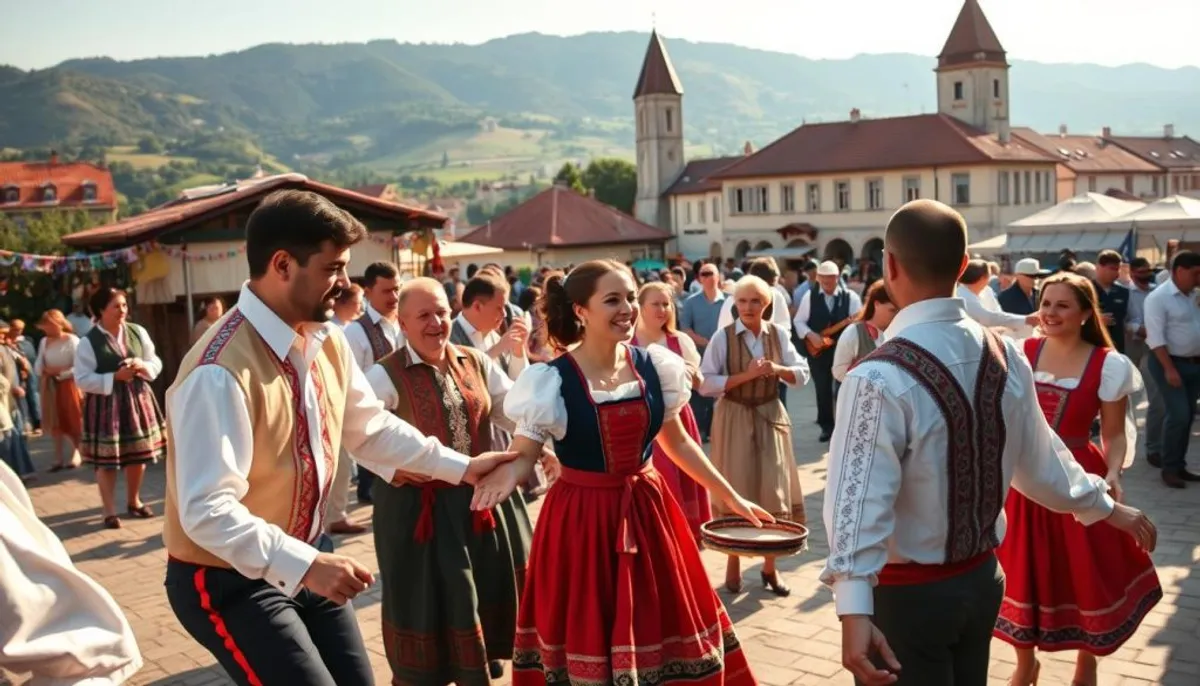
Popular manifestations in Croatia testify to a rich heritage where spirituality and local customs intertwine, including elements of slovak folklore. This unique balance characterizes social life across the country.
National Holidays and Local Customs
The official calendar includes twelve public holidays. These celebrations blend historical commemorations and religious observances.
The majority of the population practices Catholicism. This influence is reflected in major holidays like Christmas and Easter.
Unique events animate the different regions. The Za Krizen procession in Hvar and the Kastav carnival attract many people.
Religious and Folkloric Symbols
The Catholic religion deeply permeates national symbols. Saint Blaise has protected Dubrovnik for centuries.
The Sinjska Alka tournament represents an important element of heritage. This equestrian competition dates back to the 18th century.
UNESCO has recognized eighteen practices as intangible heritage. These traditions remain alive in local communities.
The Croatian language unites the country while English facilitates tourist exchanges. These traditional events strengthen social bonds across generations.
Arts, Music, and Crafts
Artistic expressions are an essential part of the living heritage of this European nation. They testify to remarkable creativity passed down from generation to generation.
Musical Expressions and Traditional Dances
Traditional music draws its roots from three major influences. In the north, the sounds recall Central Europe with the tamboura. On the coast, the lijerica evokes the Mediterranean heritage.
The klapa, an a cappella singing style from Dalmatia, captivates with its vocal harmonies. It is included in UNESCO's intangible heritage. The ojkanje and bećarac represent other unique vocal forms.
Traditional dances such as the nijemo kolo and the moreška enchant festivals. The National Ensemble Lado, founded in 1949, preserves this rich choreographic heritage.
Music is the language that unites all regions through their differences.
Craftsmanship and Decorative Techniques
Crafts excel in several internationally recognized fields. Lace comes in three distinct techniques depending on the regions.
The licitar gingerbread and wooden toys from Hrvatsko Zagorje are particularly appreciated. These handcrafted items combine utility and refined decoration.
| Craft Technique | Region of Origin | Characteristics |
|---|---|---|
| Needle Lace | Island of Pag | Complex geometric patterns |
| Wood Carving | Hrvatsko Zagorje | Toys and household items |
| Licitar Gingerbread | North Croatia | Colorful edible decoration |
Embroidery, pottery, and leatherwork complement this creative palette. These crafts are fundamental elements of folk art.
Festivals like the one in Omiš ensure the transmission of these traditions. Contemporary art draws from this heritage to create modern works.
Cuisine and Lifestyle: Mediterranean Traditions and Balkan Influences
Cuisine represents a fascinating gateway to understanding local lifestyle. This authentic cuisine harmoniously blends Mediterranean, Central European, and Balkan flavors.
Flavors and Culinary Specialties
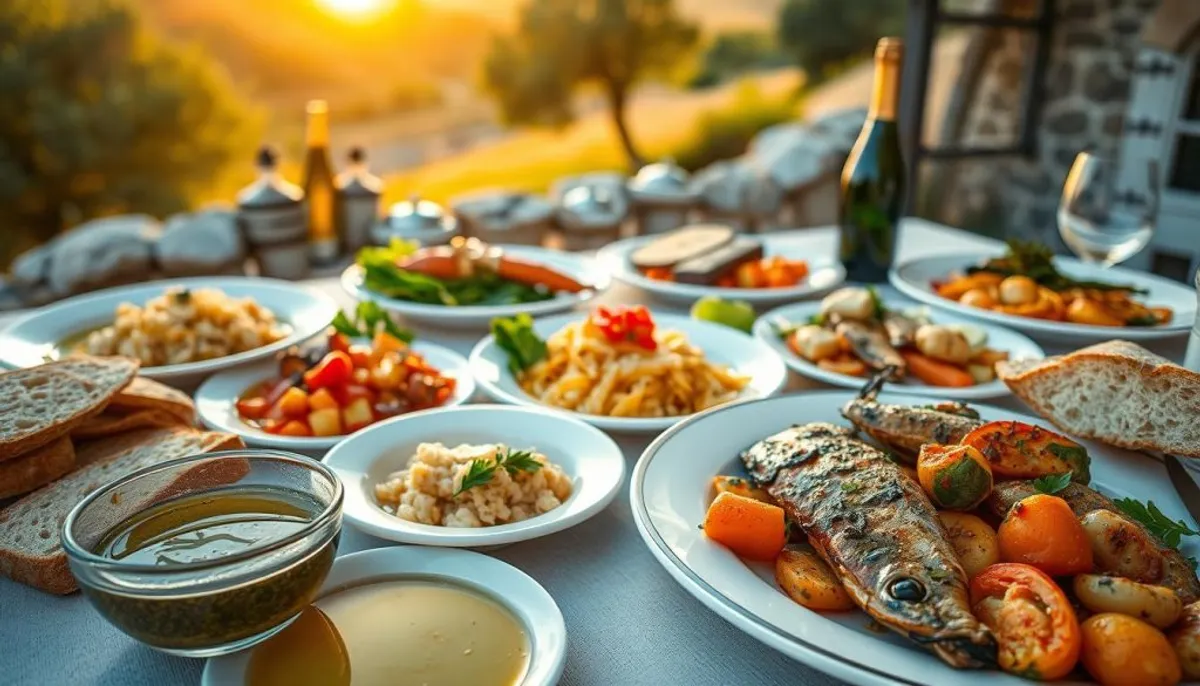
The Adriatic coast practices a Mediterranean diet recognized by UNESCO. Olive oil, seafood, and fresh vegetables are its main elements.
Regional specialties show great diversity. The kulen from Slavonia, the Ottoman-origin burek, and traditional stews illustrate this culinary fusion.
Meat plays an important role in the diet. Pork is particularly prevalent, often prepared on a spit during festive events.
Lifestyle Habits and Family Togetherness
Meals punctuate daily life and strengthen social bonds. A hearty breakfast precedes a lunch taken in the mid-afternoon.
Coffee is a true social ritual. The traditional Turkish version coexists with modern preparations like espresso.
Regarding beverages, mineral water is recommended, especially on the islands. Local wines and rakija accompany moments of conviviality.
The family remains at the heart of this society where recipes and traditions are passed down. Local markets offer fresh bread, honey, and artisanal products.
Croatian Culture Facing the Challenges of European Modernity
European integration is profoundly transforming the social and identity landscape of this nation. The Croats today seek to reconcile traditional heritage with modern standards, including insights from education in finland.
The Impact of External Influences and Catholicism
Joining the European Union in 2013 accelerated cultural exchanges. Catholicism remains a pillar for 86% of the population, providing stability amid changes.
Language diversity illustrates this complexity. Alongside the national language, minorities speak Serbian, Italian, or Hungarian.
Innovation, Heritage Preservation, and Cultural Exchanges
Intensive tourism in regions like Dalmatia Istria and Hvar Island generates income but threatens authenticity. Rural areas in the north are experiencing concerning depopulation.
Young inhabitants are proficient in English and actively participate in European networks. The diaspora maintains strong ties with the homeland.
Solutions are emerging, such as online crafts sales or modernized festivals. This balance between tradition and innovation is a central topic for the future of the country.
Conclusion
This unique cultural synthesis continues to fascinate with its resilience and adaptability to the contemporary world. The Croats have masterfully preserved their heritage while opening it to modern influences.
The recognition by UNESCO of eighteen elements attests to the universal value of this culture. It speaks to the entire world while remaining deeply rooted in its territory.
Despite challenges like tourism pressure or rural depopulation, society demonstrates a remarkable capacity for adaptation. This heritage richness deserves to be celebrated and protected for future generations.
The future lies in this dynamic balance between authenticity and openness. This profound human experience offers valuable lessons on cultural preservation in a globalized context.
FAQ
What are the main influences that have shaped the country?
The territory has been marked by numerous civilizations. Traces of the Roman Empire, medieval Venice, the Austro-Hungarian Empire, and more recent periods can be found. These legacies are evident in the architecture, language, and lifestyle habits of the inhabitants.
What holidays are the most important for the inhabitants?
Events related to Catholicism, such as Christmas and Easter, are central. The national holiday and numerous local irish festivals, especially along the coast and on islands like Hvar, are also very popular. They often combine music, dance, and a great sense of community.
Is the cuisine very spicy?
Not particularly. The flavors are mainly Mediterranean, with plenty of olive oil, herbs, and grilled fish. Dishes from the inland areas, influenced by Central Europe, use more meat and are less spicy. Fresh bread often accompanies meals.
How is traditional craftsmanship manifested today?
It is very vibrant! You can find beautiful wooden objects, lace, and embroidery. These decorative techniques are passed down from generation to generation. You can discover these creations in markets and shops, especially in regions like Dalmatia or Istria.
What is the role of family in society?
The family is a fundamental element of social life. Sunday meals and major celebrations are often occasions for very warm gatherings. The importance of the family unit is a strong value shared throughout the country.
Is English spoken by the population?
Yes, especially by younger generations and in tourist areas, such as along the coast and on the islands. In more rural northern regions, it may be less common, but the inhabitants are generally very welcoming and eager to communicate.