
Great Britain is renowned for its unique traditions that reflect its rich and complex history. These customs, deeply rooted in British history and life, continue to shape the national identity.
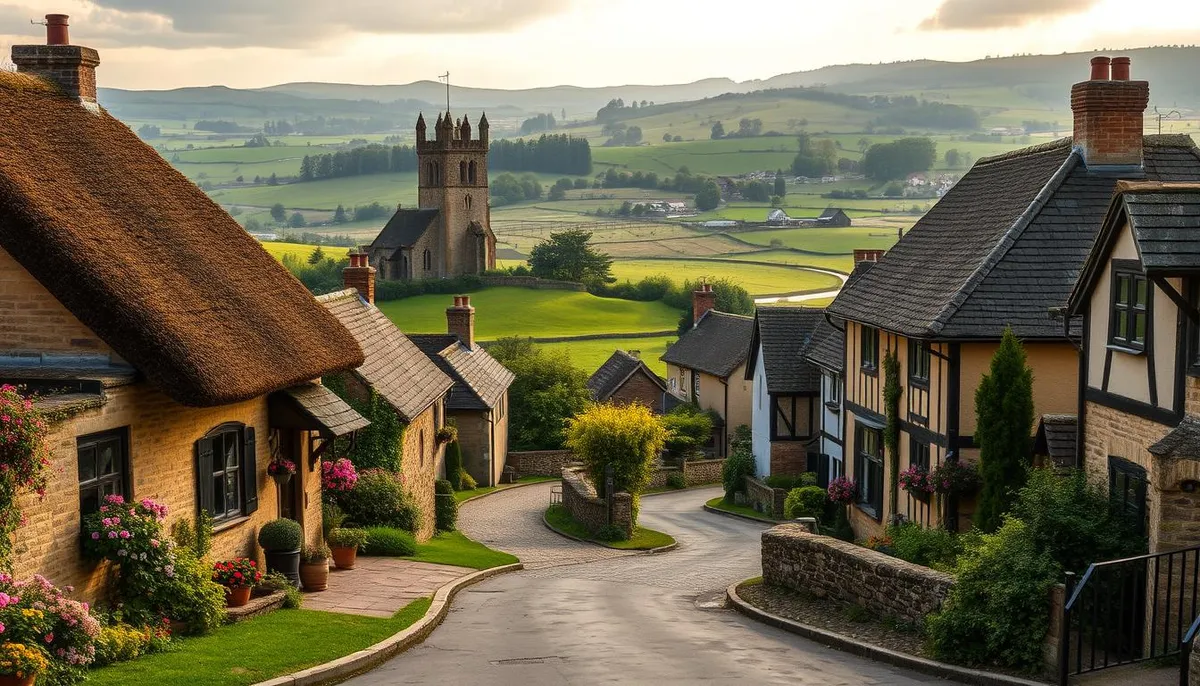
At the heart of these cultural expressions, you will find fundamental values such as family, respect, and friendliness. These British traditions fascinate visitors from all over the world and significantly influence modern society.
In this article, we will explore the most iconic aspects of British life, from royal ceremonies to daily habits, and discover how these traditions continue to play an important role in contemporary England.
The Foundations of English Culture
English culture is deeply rooted in its history and traditions. It derives its uniqueness from the combination of its royal heritage and historical past, while also offering cultural awakening opportunities for children.
The Influence of the British Monarchy
The British monarchy plays a crucial role in English culture. Royal ceremonies, such as the coronation of a monarch or the changing of the guard at Buckingham Palace, illustrate the lasting influence of the royal family on the daily lives of Britons. These events are steeped in tradition and protocol, thereby reinforcing national identity.
For centuries, the British monarchy has represented a symbol of unity and continuity for the country. Royal weddings and coronations are occasions for national celebration, drawing attention from around the world.
The Historical Legacy and Its Impact Today
The history of England has profoundly shaped its cultural identity. The institutions, architecture, and customs that have traversed the centuries contribute to the richness of its heritage. The centuries-old traditions continue to evolve while retaining their essence, demonstrating the adaptability of British culture in the face of social changes.
These traditions and customs are set within a context where royal heritage and history intertwine to form a unique and fascinating culture.
Tea Time: An Iconic Tradition
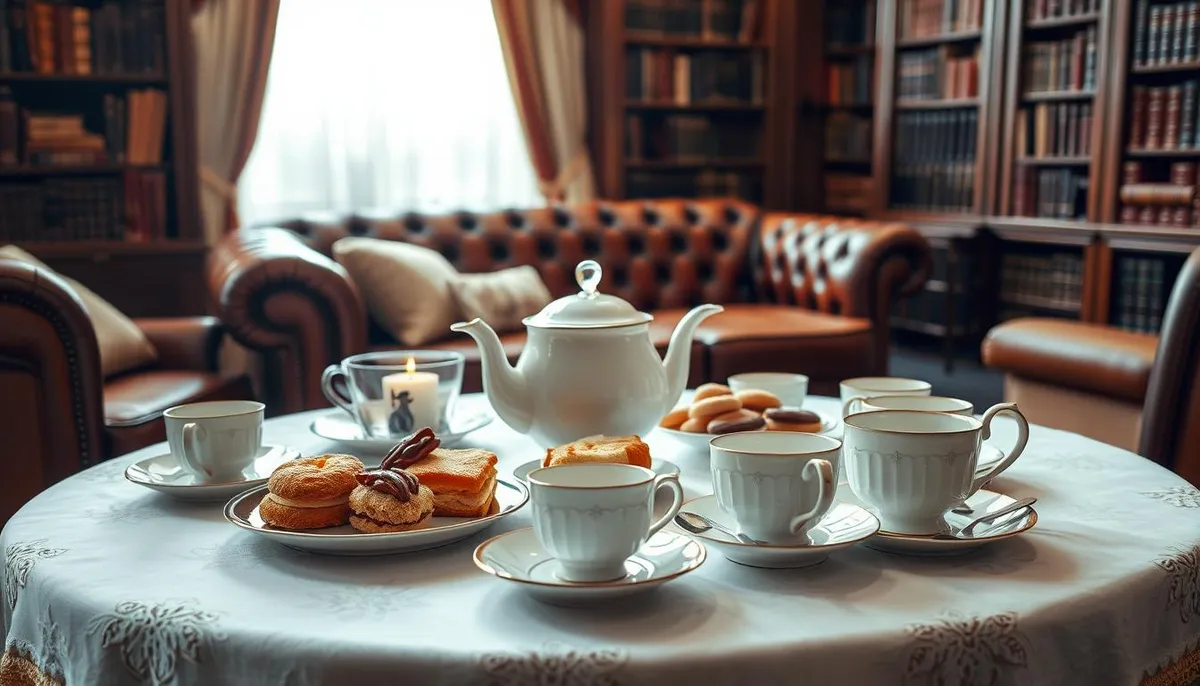
Tea time is an English custom that has traversed the centuries to become an integral part of British culture. This tradition, also known as “five o'clock tea,” is an institution that dates back to the 19th century.
The History of Tea in England
The history of tea in England is fascinating. Introduced by Catherine of Braganza, tea became popular among the upper classes before becoming widespread across all layers of British society.
The Different Types of English Teas
The most commonly consumed teas during tea time are Earl Grey, a black tea flavored with bergamot, Darjeeling, a light and aromatic black tea, and mint tea, a green tea very popular in certain regions of the United Kingdom.
The Traditional Accompaniments of Tea Time
During tea time, it is traditional to serve accompaniments such as scones with cream and jam. These little treats are essential to the authentic experience of English tea time.
| Type of Tea | Description | Accompaniment |
|---|---|---|
| Earl Grey | Black tea flavored with bergamot | Scones with cream |
| Darjeeling | Light and aromatic black tea | Small cakes |
| Mint Tea | Green tea with mint | Crumpets with butter |
In summary, tea time is an English tradition characterized by the consumption of tea accompanied by various sweet and savory dishes. It is a cherished moment of friendliness and refinement in British culture.
British Gastronomy and Its Specialties
British gastronomy is rich in traditions and culinary specialties that reflect its history and culture. The British have a particular relationship with food, and their traditional dishes are often linked to moments of friendliness and family gatherings, which can sometimes lead to reflections on cultural emptiness that can occur in modern contexts.
The Sunday Roast
The Sunday Roast is a traditional Sunday meal in England, typically consisting of a roasted meat (beef, lamb, pork, or chicken), accompanied by vegetables, roasted potatoes, and a sauce called “gravy.” This dish is often served with Yorkshire puddings, a type of baked batter. It is a deeply rooted weekly family gathering in English tradition.
Fish and Chips
Fish and Chips are an emblem of British street food. This popular dish tells the story of a maritime country and its traditions accessible to all social classes. Fish and Chips are often served with a portion of mushy peas and are a classic of British gastronomy.
Typically English Pastries and Desserts
English pastries, often served with cream or accompanied by a cup of tea with milk, reflect the British taste for comforting sweets. From trifle to sticky toffee puddings, English desserts are varied and delicious.
| Dish | Description | Region |
|---|---|---|
| Sunday Roast | Traditional Sunday meal with roasted meat, vegetables, and gravy | England |
| Fish and Chips | Fried fish with chips | United Kingdom |
| Trifle | Dessert made of layers of cake, fruit, and cream | England |
Each region of England has its own culinary specialties, reflecting the diversity of influences and local resources. The tradition of the Sunday pub lunch perfectly illustrates how gastronomy integrates into the social and cultural fabric of British life.
Traditional Celebrations and Festivals
English culture is rich in celebrations and traditional festivals that reflect its tumultuous history and its commitment to preserving its national identity and collective memory. These events are opportunities for Britons to come together and celebrate their heritage.
Guy Fawkes Night: History and Celebrations
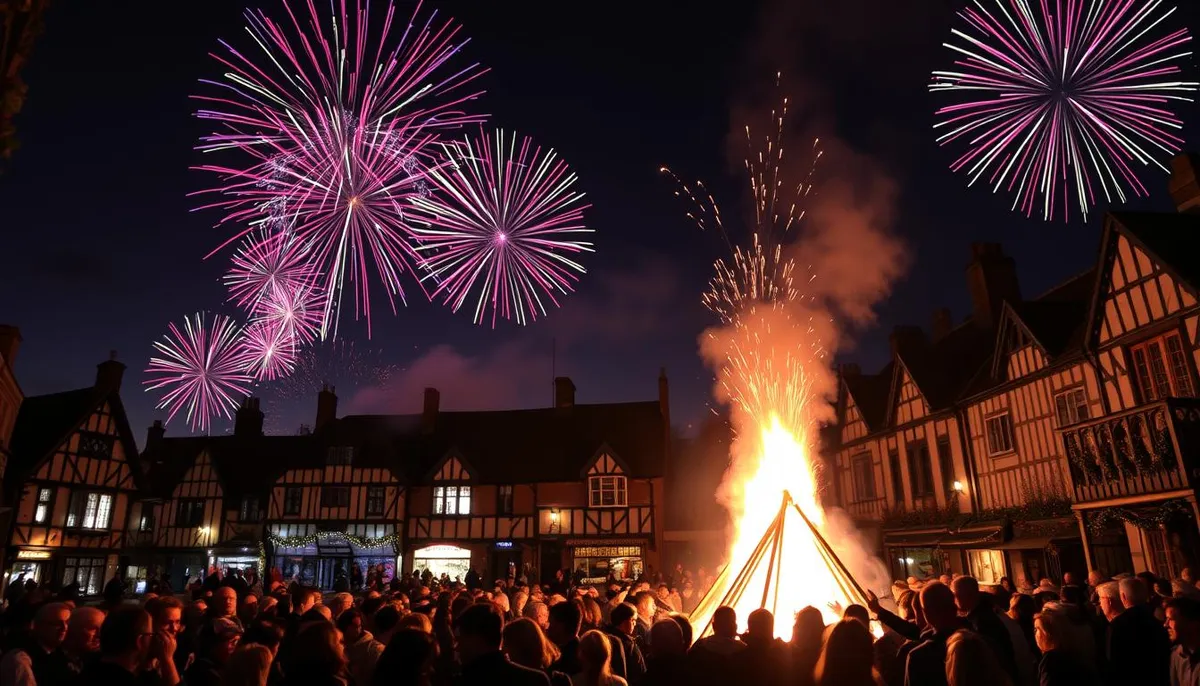
Guy Fawkes Night, also known as “Bonfire Night,” is celebrated on November 5th. It commemorates the failure of the Gunpowder Plot in 1605, when Guy Fawkes and a group of English Catholics attempted to blow up the British Parliament. That night, fireworks and bonfires light up the sky across the country.
Boxing Day: Origins and Current Traditions
Boxing Day, celebrated on December 26th, has unclear origins but is generally associated with the tradition of giving gift boxes to employees and those in need. Today, this holiday has transformed into a day of shopping and sporting events.
Royal Events and Their Cultural Importance
Royal events such as weddings, coronations, and jubilees are moments of national pride and collective celebration. They reinforce the sense of belonging to British culture and are often followed by public celebrations.
| Celebration | Date | Description |
|---|---|---|
| Guy Fawkes Night | November 5th | Commemoration of the failure of the Gunpowder Plot |
| Boxing Day | December 26th | Tradition of giving gift boxes |
| Royal Events | Variable | Weddings, coronations, jubilees |
The Particularities of Daily Life in English Culture
Daily life in England is characterized by fascinating cultural particularities that reflect the history and traditions of the country. These unique elements shape how people live, interact, and enjoy their daily lives.
British Politeness
The British are known for their politeness, which is manifested through courteous phrases such as “please” and “thank you.” This politeness goes beyond mere courtesy and constitutes a true social code that governs interactions in all aspects of life.
Pubs: Centers of Social Life
English pubs are much more than just bars; they provide a meeting place and exchange for residents of towns and villages, including a vibrant gamer community in pont audemer. People discuss, play traditional games, or simply enjoy a beer with friends. Activities like darts, billiards, and quizzes are very popular.
British Humor
British humor, with its subtle irony and self-deprecation, is a fundamental element of English culture. This tradition of quirky humor is found in many British cultural productions that have conquered the world, from Monty Python to Mr. Bean.
| Particularity | Description | Impact on Daily Life |
|---|---|---|
| Politeness | Courteous phrases and respect | Creates a respectful atmosphere |
| Pubs | Meeting and exchange places | Promotes friendliness and social bonds |
| British Humor | Subtle irony and self-deprecation | Enriches culture and entertains |
Conclusion: The Evolution and Influence of English Culture Worldwide
English traditions, true pillars of British culture, continue to evolve while remaining true to their roots. English culture has managed to preserve its centuries-old traditions while embracing modernity, thus creating a unique balance.
From the celebration of Guy Fawkes Night to the traditional afternoon tea, British customs fascinate the world. These practices, rooted in history, reflect values such as family, respect, and friendliness.
In summary, English culture shines across the world thanks to its rich heritage and its ability to adapt to social changes.