
Welcome to your guide to discovering the soul of Ireland. This green land has managed to create a unique balance, blending an ancient heritage with a resolutely contemporary energy.
We will explore how this country preserves its millennia-old customs while embracing the challenges of the modern world. This ability to evolve without forgetting its roots is at the heart of its identity.
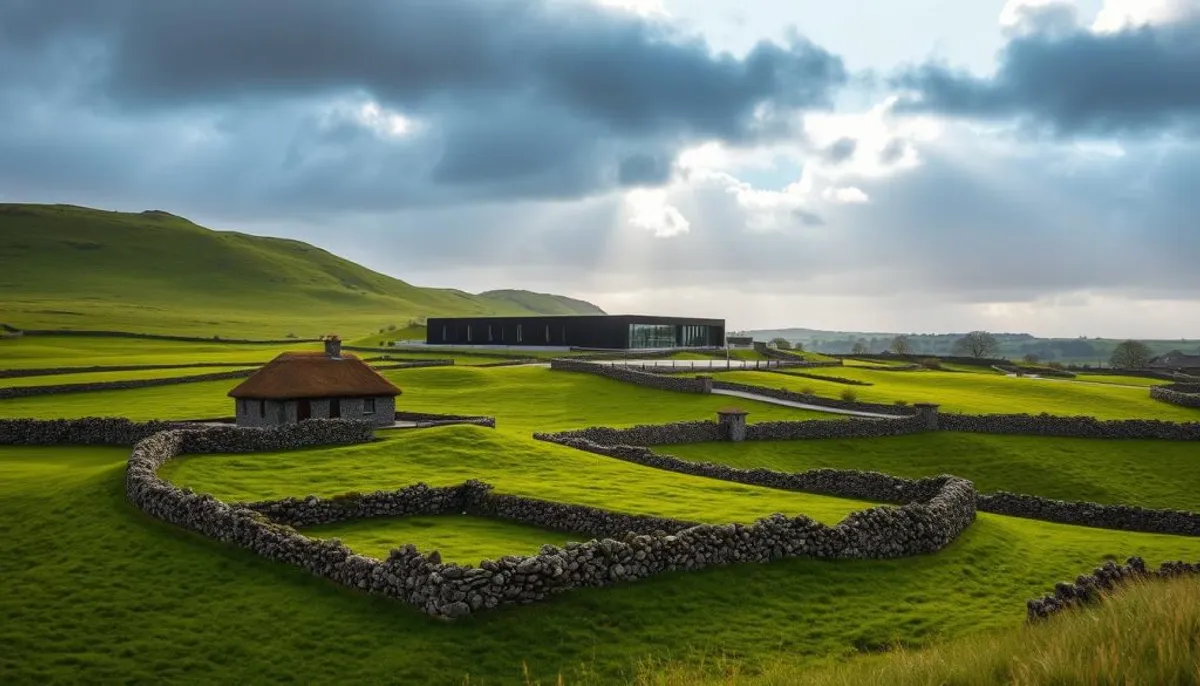
From its legendary pubs to its innovative art scene, every aspect tells a story. The island invites you on a journey through time, where Celtic legends meet modern creation.
Get ready to explore a universe where the past and present converse in harmony. This immersion will reveal to you why this island fascinates travelers from all over the world.
Key Points
- Ireland harmoniously combines a rich heritage with a modern dynamic.
- Centuries-old traditions remain alive in today's society.
- The island has developed a unique identity that shines internationally.
- Music, literature, and Gaelic sports are important pillars.
- The warm atmosphere of pubs is a cultural experience in itself.
- Colorful festivals illustrate the joy of living and local creativity.
Introduction to the richness of Irish culture
Explore the deep roots of a unique identity shaped by centuries of history. This exceptional heritage has been patiently built over time.
The ancestral Gaelic traditions form the foundation of this wealth. They have been enriched by various external influences.
The literary contribution is immense for a small island. Four Nobel Prizes testify to this influence that radiates throughout the world.
| Cultural Influence | Period | Main Impact | Characteristic Elements |
|---|---|---|---|
| Gaelic | Antiquity – Middle Ages | Identity foundation | Language, music, legends |
| Anglo-Norman | 12th century | Architecture and law | Castles, feudal system |
| English | 16th – 19th century | Language and administration | English, political system |
| Scottish | All periods | Cultural exchanges | Music, dialects |
The local customs create a strong social bond between generations. This cultural synthesis fascinates international visitors.
Each element harmoniously articulates to form a living and coherent whole. The island preserves its heritage while opening up to modernity.
The historical origins and multiple influences
The past of this green island reveals a complex historical tapestry. This history of serbia dates back long before the arrival of Christianity around 500 AD.
In this pre-Christian era, the Celts practiced paganism. They celebrated their gods through seasonal festivals marking the time.
Anglo-Norman and colonial influence
The 12th century saw the Anglo-Norman invasion transform the landscape. This period introduced new social and architectural structures.
The 16th and 17th centuries brought British colonization. This political change created lasting tensions between communities.
| Period | Main Influence | Lasting Impact |
|---|---|---|
| Before 500 AD | Celtic paganism | Seasonal festivals |
| 12th century | Anglo-Norman invasion | Feudal architecture |
| 16th-17th centuries | British colonization | Community diversity |
The evolution since the pre-Christian era
Despite these upheavals, the Gaelic tradition remarkably persisted. Hurling, mentioned as early as the 7th-8th centuries, attests to this.
This ability to absorb influences while maintaining its identity still shapes society today.
The authentic traditions and customs
Beyond tourist clichés, living traditions shape the daily lives of the inhabitants. These ancestral practices create a unique social bond between generations.
Conversations and rituals in the pub
Traditional pubs operate according to well-established codes. Three topics are carefully avoided: work, politics, and religion.
Instead, patrons share songs and laughter over a pint. This warm atmosphere strengthens community ties.
Wedding ceremonies and daily customs
Handfasting represents a beautiful this tradition Celtic. The hands of the couple are tied together to symbolize their eternal union.
Even small family rituals have their particular charm. The tooth fairy Anna Bogle replaces our Tooth Mouse.
These customs enrich the life of each family. They preserve a unique cultural identity that fascinates visitors.
The richness of linguistic diversity
Beyond English, the island preserves ancient linguistic treasures. This diversity reflects a complex and fascinating history.
Gaelic and Irish languages
Irish Gaelic dates back to around 350 BC. This language is among the oldest in Europe, enduring through the centuries with resilience.
In 2007, this year marked significant recognition. Gaelic became an official language of the European Union, strengthening its international status.
Only 2% of the population speaks Gaelic daily today. Yet, its presence remains vibrant in certain coastal regions.
In Gaeltacht areas, you can hear this ancestral language. Achill Island, Connemara, and the Dingle Peninsula are living bastions of it.
Gaelic structures local life in these communities. It is heard in schools, businesses, and during festivals.
The preservation of this language is a national priority. It transmits through time unique and untranslatable oral traditions.
Northern Ireland enriches this diversity with Ulster Scots. This linguistic plurality testifies to an exceptionally rich heritage.
Irish literature and the heritage of great writers
The literary heritage of this island nation shines far beyond its borders. Four Nobel Prizes testify to this exceptional influence. George Bernard Shaw, W.B. Yeats, Samuel Beckett, and Seamus Heaney have each marked their era.
| Writer | Nobel Year | Major Works | Literary Contribution |
|---|---|---|---|
| George Bernard Shaw | 1925 | Pygmalion, Saint Joan | Social and satirical drama |
| W.B. Yeats | 1923 | The Tower, The Winding Stair | Symbolist and mythological poetry |
| Samuel Beckett | 1969 | Waiting for Godot, Malone Dies | Absurd theatre |
| Seamus Heaney | 1995 | Death of a Naturalist, North | Engaged contemporary poetry |
James Joyce represents a central figure of the 20th century. His works like Ulysses immortalized Dublin. The city honors his memory with the James Joyce Centre and the eponymous tower.
This rich history draws its roots from oral tradition. The seanchaí transmitted myths and legends through generations. Today, Bloomsday and festivals perpetuate this vitality.
The contemporary scene continues to produce remarkable talents. James Joyce still inspires new authors. This literary excellence radiates throughout the world.
Traditional music and Irish dance
Ancestral melodies resonate like the beating heart of local communities. This music creates bonds between generations and visitors.
Musical sessions in pubs
In traditional pubs, the atmosphere becomes magical when musicians settle in. Fiddles, flutes, and bodhráns enliven the evening.
The Crosskeys Inn, dating back to the 17th century, represents an iconic venue. The uilleann pipe regularly resonates there.
This unique bagpipe has had UNESCO recognition since 2017. Weekly sessions attract both professionals and amateurs.
Irish dance and its multiple facets
Traditional Irish dance comes in several styles. From sean-nós solo to céilí group dances, each step tells a story.
Riverdance made this expression famous worldwide. The festivals provide opportunities to discover these lively choreographies.
You may even be invited to participate if the mood strikes you. This immersion completes the musical experience.
Unmissable celebrations, festivals, and events
The calendar comes alive with unique celebrations that blend religious fervor and popular joy. These highlights bring communities together around ancestral practices.
St. Patrick's Day: traditions and festivities
Every year on March 17th, Saint Patrick is honored in an explosion of greenery. This celebration commemorates the 5th-century evangelist.
Three symbols immediately identify this spectacular celebration. The omnipresent green, the shamrock, and pints of beer create an inimitable atmosphere.
In Dublin, the celebration lasts for three days straight. A grand parade, colorful processions, and fireworks transform the capital.
Literary and cultural festivals
Beyond Saint Patrick, many festivals punctuate the year. The Puck Fair in Killorglin crowns a goat as king since 1610.
This Celtic celebration now attracts over 100,000 visitors. It illustrates the vitality of ancestral customs.
Literary festivals like Bloomsday also enrich the calendar. They prove that traditions can manifest in all fields, including fnac information on cultural vouchers that enhance the experience for attendees.
Irish cuisine and its specialties
The Irish table tells a story of resilience and culinary creativity. These ancestral recipes have traversed the centuries with preserved authenticity.
Traditional dishes: colcannon, soda bread, and Irish coffee
Colcannon represents a comforting traditional Irish mash. Its recipe deliciously combines potatoes and cabbage since 1735.
An amusing custom animates this dish of potatoes. A coin is hidden in the preparation to bring good luck.
| Specialty | Historical Origin | Main Ingredients | Tasting Occasions |
|---|---|---|---|
| Colcannon | 1735 | Potatoes, cabbage | All year round, celebrations |
| Soda bread | 1830s | Flour, baking soda | Daily |
| Irish coffee | 20th century | Coffee, whiskey, cream | Evenings, digestif |
The soda bread was born during an economic crisis. Its simplicity illustrates the ingenuity of cooks.
Christmas culinary recipes and traditions
The end-of-year celebrations reveal elaborate preparations. The Christmas turkey is generously stuffed with bacon and herbs.
The Plum pudding requires advance preparation. It is made three weeks before the celebrations.
“True culinary wealth draws from the products of the land and the imagination of cooks.”
The Irish coffee often concludes the meal in a warm atmosphere. This unique blend combines coffee, whiskey, and whipped cream.
Gaelic sports and games
On playing fields and in stadiums, an exceptional sporting tradition is fervently perpetuated. These activities represent much more than mere competitions for local communities.
Hurling and Gaelic football
Hurling fascinates with its millennia-old history. The earliest written records date back to the 7th century, making this game one of the oldest team sports.
Mythology already celebrates this heroic sport. The legendary Cú Chulainn used a stick and a ball to accomplish remarkable feats.
UNESCO recognized its value in 2018. This distinction highlights the importance of hurling in the world's intangible heritage.
Attending a match is a chance to witness a unique spectacle. The electric atmosphere and the passion of supporters create memorable moments.
Gaelic football shares this immense popularity. These two sports animate the national sporting life all year round.
Horse racing also holds a privileged place. Prestigious events punctuate the equestrian calendar.
The entirety of Gaelic games forms a living tradition. More than 80% of the population feels connected to them, confirming their essential social role.
Greyhound racing and other traditional competitions complete this rich sporting panorama. Each discipline contributes to preserving a unique heritage.
Celtic legends, myths, and folklore
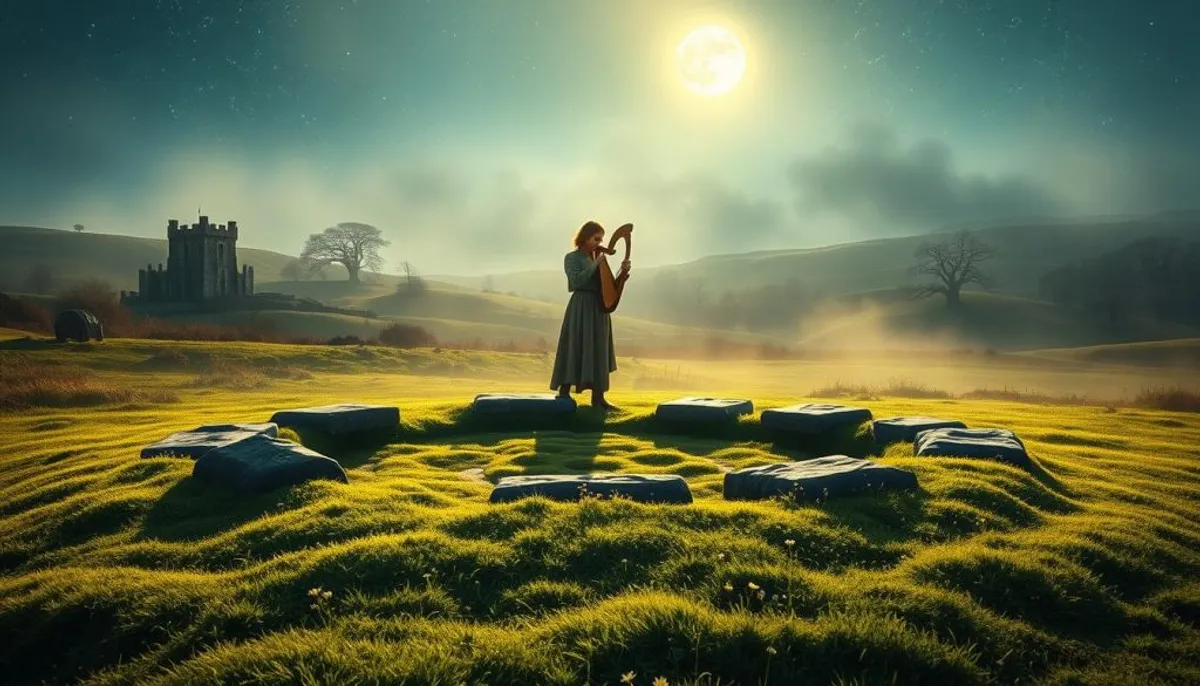
Dive into a magical universe where ancestral tales come to life in the collective imagination. These stories form the foundation of the oral traditions passed down for centuries.
The tales and legends of the seanchaí
The seanchaí were guardians of memory who roamed the island to share folklore. They orally transmitted stories long before writing.
Today, storytellers like Marianne McShane continue this millennial practice. They captivate crowds in pubs and festivals.
Mythology is organized into four major cycles structuring the imagination. Each cycle tells once again the epic of legendary heroes.
These narratives convey fundamental values such as courage and honor. They traverse time thanks to this rich oral history.
Folklore populates the imagination with fantastic creatures. Leprechauns and banshees still inhabit the local landscapes.
Exploring contemporary "Irish culture"
Thanks to its global diaspora, the influence of this country extends far beyond its borders. Over 80 million people celebrate iconic events every year.
St. Patrick's Day and Halloween shine throughout the world. This unique diffusion creates a fascinating cultural dialogue.
Modernity and traditions in today's Ireland
Dublin, Cork, and Galway embody this successful synthesis. Technological innovation coexists with traditional pubs.
Society presents notable differences between communities. Catholics and Protestants contribute to national richness.
The ancestral traditions are reinterpreted abroad. They then return to enrich the country of origin.
This ability to honor the past while embracing the future inspires many countries. Each year confirms this exceptional vitality.
Irish craftsmanship, visual arts, and design
Artistic excellence manifests through works that traverse the ages, from the Book of Kells to modern creations. This creative wealth draws deeply from Celtic heritage and is often reflected in the principles of finnish design.The influence of Celtic traditions on design
The Book of Kells represents a medieval masterpiece inscribed on the UNESCO register in 2011. Its interwoven patterns illustrate a turkmen art millennia-old artistic tradition.
The famous Aran sweater embodies the fusion of function and beauty. Each stitch tells a unique family story through time.
The Waterford crystal exports its know-how throughout the world since 1783. Its creations combine ancestral techniques with contemporary design.
The National College of Art and Design trains a new generation of artists at the higher institute of arts studies (iesa). They reinterpret the heritage in a modern visual culture.
This creative continuity demonstrates how tradition inspires innovation. Local craftsmanship remains alive and evolving.
The influence of the sea on culture and heritage
For millennia, the sea has sculpted not only the landscape but also the soul of this island land. The Atlantic Ocean has shaped a unique identity where each wave tells a story.
The sea, a source of inspiration and folklore
The spectacular coasts inspire fascinating legends. Selkies, mermaids, and ghost ships have populated the collective imagination for centuries.
Traditional music carries this maritime imprint. Sea shanties evoke departures and shipwrecks with deep emotion.
A journey along the coast reveals this symbiosis. Coastal communities preserve unique traditions passed down from generation to generation.
| Heritage Site | Location | Main Theme | Offered Experience |
|---|---|---|---|
| Cobh Heritage Centre | County Cork | Emigration and Titanic | History of maritime transport |
| Maritime Mile | Belfast | Shipbuilding industry | Tour of historic shipyards |
| Blasket Islands | West coast | Maritime literature | Discovery of local tales |
“The sea is not a border but a bridge that connects stories and generations.”
The Aran sweater symbolizes this connection. Made for fishermen, each stitch tells a family story.
Your journey on this island will be enriched by this discovery. The coasts will offer you a complete tour of this maritime influence.
Iconic places and cultural circuits
Your cultural adventure begins with the discovery of places that have shaped national identity. These sites tell unique stories through their walls and landscapes.
Dublin offers an exceptional literary experience. Follow in the footsteps of great writers on a tour of historic pubs.
Museums, pubs, and literary routes
Museum institutions present remarkable collections. The National Museum of Ireland reveals fascinating archaeological treasures.
Your journey in County Kerry holds surprises. The Dingle Peninsula preserves vibrant Gaelic traditions.
“Every stone tells a story, every landscape sings an ancient melody.”
The Wild Atlantic Way constitutes a spectacular journey of 2,500 km. This coastal road traverses wild and authentic regions.
| Type of Circuit | Main Region | Cultural Experience | Recommended Duration |
|---|---|---|---|
| Literary Route | Dublin | Historic pubs and writers' homes | 2-3 days |
| Musical Route | County Clare | Traditional sessions and festivals | 1-2 days |
| Heritage Circuit | County Kerry | Prehistoric sites and Gaelic | 3-4 days |
| Gastronomic Tour | Cork and Kerry | Local products and whiskey | 2 days |
Traditional music animates the evenings in local establishments. These moments create memorable memories day after day.
Your journey in County Kerry will be enriched by Craggaunowen. This site captivatingly recreates medieval life.
Music resonates particularly in County Kerry. Spontaneous sessions animate the pubs every evening.
Practical tips for a successful stay in Ireland
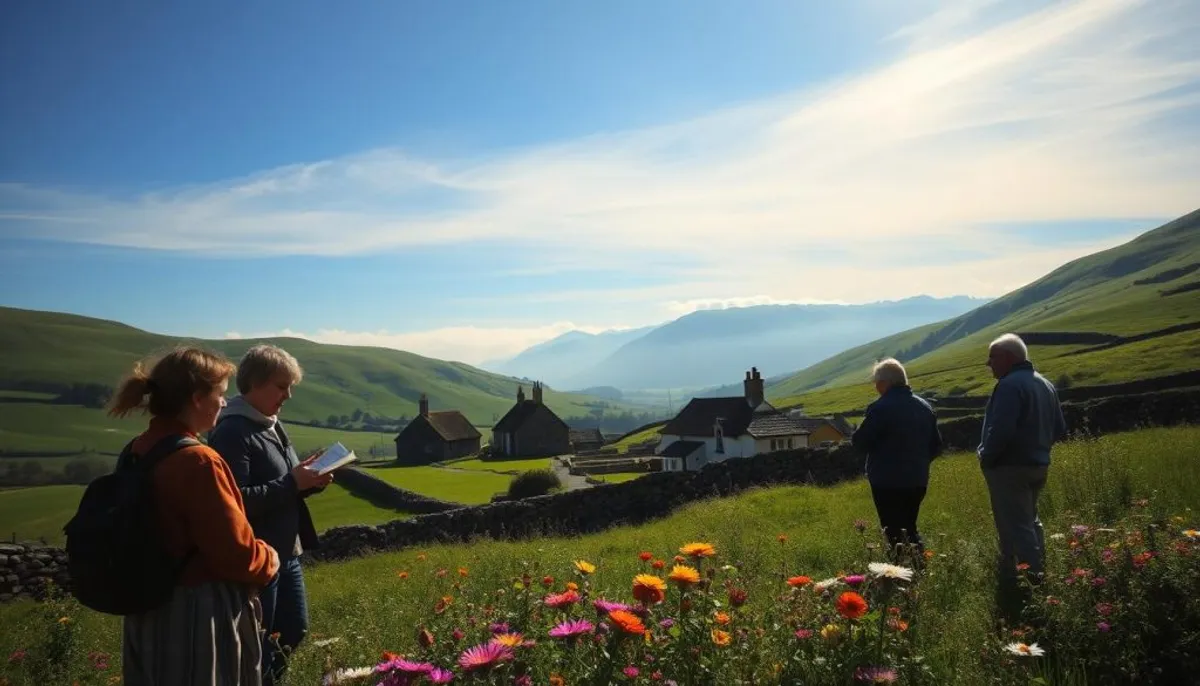
Discover how to transform your journey into an authentic experience with these wise tips. Your stay will gain richness by respecting local customs.
Tips to adapt your stay to local traditions
The unpredictable weather requires specific preparation. Adopt the philosophy of “four seasons in one day” with layered clothing.
In pubs, this tradition dictates that you order at the bar. If you join a group, everyone takes turns paying for drinks.
To experience authentic Ireland, steer clear of tourist circuits. Visit small villages and attend spontaneous musical sessions.
| Cultural Aspect | Practical Recommendation | Benefit for Your Stay | Priority Level |
|---|---|---|---|
| Changing Weather | Layered clothing + raincoat | Comfort all day long | High |
| Traditional Pubs | Order at the bar + rounds | Social integration | Medium |
| Local Hours | Respect Sunday closures | Avoid frustrations | Medium |
| Communication | A few words in Gaelic | Authentic connection | Low |
Respect specific hours during your stay. Shops close early on Sundays, and meals follow precise schedules.
These tips will help you make each day a memorable discovery. Fully enjoy the local traditions for a successful journey.
Conclusion
Throughout these pages, you have discovered how a millennia-old heritage dialogues with modernity. The ancestral customs, more than half of which date back to the Celtic era, continue to animate daily life, including the rich norwegian cultural heritage.This rich culture manifests every day, from ceremonies where the hands of the married couple are tied to celebrations like the day after Christmas. It evolves little by little while preserving its essence.
We invite you to plan your journey to discover these traditions during a special holiday day. Before subscribing to our newsletter, do not forget to read our privacy policy.
This unique land will conquer your heart. Its balance between past and present offers a lesson from which more countries could draw inspiration.
FAQ
What are the best times of the year to visit Ireland?
To enjoy festivals and milder weather, spring and summer are ideal. St. Patrick's Day on March 17th is a highlight. Autumn also offers beautiful landscapes and a quieter atmosphere.
Where can one listen to traditional Irish music?
Pubs are the best places! Live music sessions, called “seisiúns,” occur regularly, especially in Dublin, Galway, and County Kerry. It’s an authentic and friendly experience.
What traditional dishes must be tasted?
Don’t miss the Irish stew, soda bread, and colcannon, a delicious mix of potatoes and cabbage. To warm up, an Irish coffee is a must!
Is the Gaelic language still spoken in Ireland?
Yes, Irish Gaelic is the first official language. It is primarily spoken in the Gaeltachtaí, regions in the west like Connemara. Road signs are bilingual throughout the country.
Which famous writers are associated with Irish literature?
The island has produced world-renowned authors such as James Joyce, Oscar Wilde, and W.B. Yeats. Following a literary itinerary in Dublin is an excellent way to discover this heritage.
Are there specific customs to know for a wedding in Ireland?
A charming tradition involves tying the hands of the couple together with a ribbon during the ceremony, symbolizing their union. This is where the expression “to marry under the regime of separation of property” comes from.
What are the most popular Gaelic sports?
Hurling, a fast and ancient game, and Gaelic football are national passions. Attending a match, especially during the All-Ireland finals, is a sporting and cultural event not to be missed.