Welcome to a captivating exploration of Argentina, a land of striking contrasts. This country in South America has a unique identity, born from a fascinating blend of ancestral traditions and European influences.
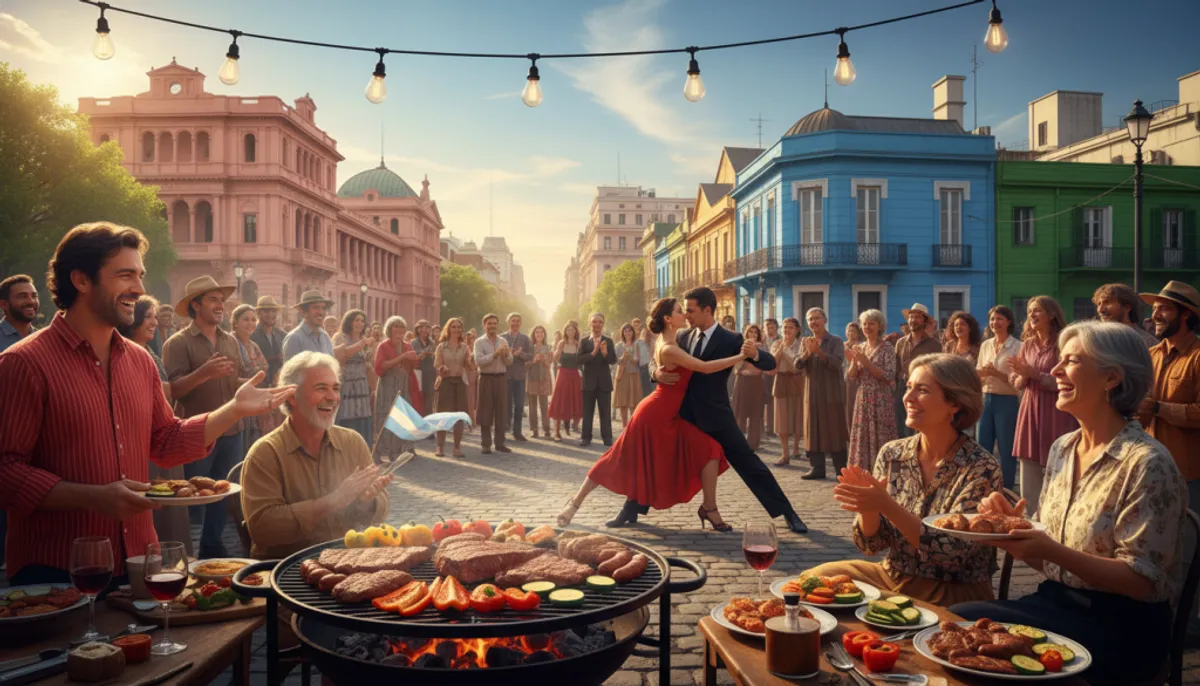
Its heritage has been forged over the centuries. From pre-Columbian civilizations to the great waves of immigration, each era has contributed to shaping this nation. Today, it is often perceived as one of the most European countries on the Latin American continent.
We will discover together the many facets of this vibrant culture. The passionate tango, renowned literature, unmatched football fervor, and legendary hospitality are its pillars. This journey will allow you to understand the deep soul of this country and appreciate its customs.
The influence of this Argentine culture far exceeds its borders. It continues to inspire the whole world through its artistic contributions and dynamism. Get ready for a complete immersion.
Key Points
- Argentina combines ancient traditions with European influences.
- Its unique history has created a strong and distinct cultural identity.
- The country is renowned for its tango, literature, and passion for football.
- The hospitality of its people is a characteristic trait.
- Understanding this culture is essential to grasp the soul of the country.
- Its artistic and cultural influence extends internationally.
Understanding Argentine Culture: Origins and Influences
Let’s dive into the deep roots of this South American nation’s identity. Its history dates back to the Neolithic era, with ancestral civilizations that marked the territory.
Pre-Columbian Roots and Colonial Period
The first Andean peoples of the Northwest resisted invaders for centuries. Their remnants, such as the Pucará de Tilcara, testify to this rich history.
The Jesuit missions, notably San Ignacio Mini, evangelized the Guaranis. The Mapuches only submitted at the end of the 19th century, in 1880.
The Influence of Waves of European Immigration
The population has undergone a spectacular transformation. From 2 million inhabitants around 1870, it has reached 47 million today.
This growth results from large waves of migration. Mainly from Spain and Italy, they created a unique nation-state. The official language remains Spanish, with local variants like rioplatense.
These different influences have intertwined harmoniously. They have shaped an identity where ancestral traditions and colonial heritage coexist.
Daily Traditions and Social Rituals in Argentina
Daily life in Argentina is marked by simple gestures that weave deep connections. These habits structure social life and create a warm atmosphere characteristic of the country.
Greetings, Courtesy, and Affectionate Gestures
Meetings follow well-established codes. A kiss on the cheek is practiced even among men, often accompanied by a friendly pat on the back.
Direct eye contact is valued during exchanges. Polite phrases like "por favor" and "gracias" punctuate every interaction with grace.
The Mate Ritual and the Art of Late Meals
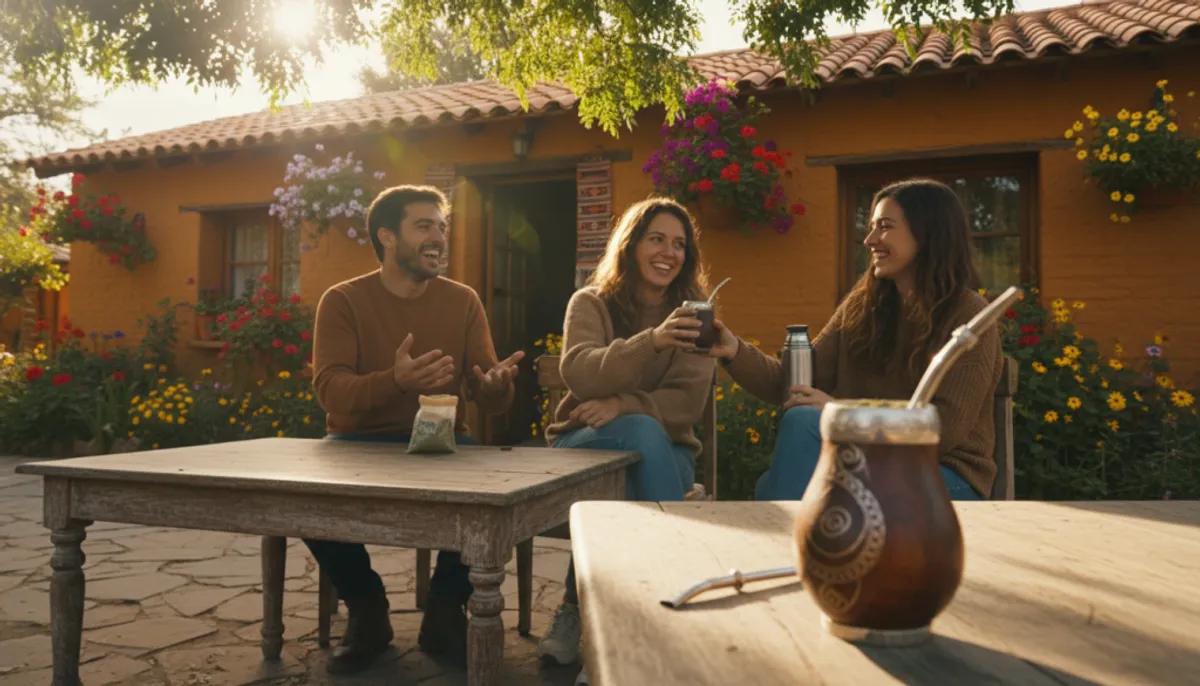
Mate represents much more than just a drink. Shared among friends and family throughout the day, it symbolizes conviviality.
This herbal infusion is prepared in a gourd and drunk through a bombilla. The mate structures the social life of the inhabitants.
Late meals reflect a different way of life. Dining around 9 PM or later is perfectly normal here.
| Social Ritual | Meaning | Frequency |
|---|---|---|
| Greeting with a kiss | Mark of affection and closeness | Several times a day |
| Sharing mate | Moment of social connection | Daily |
| Late meals | Extended conviviality | Every evening |
| Use of titles | Respect towards elderly people | During meetings |
These daily traditions maintain close ties between people. They contribute to a quality of life based on the authenticity of relationships.
Art and Literature at the Heart of Argentine Identity
The creative richness manifests through two emblematic domains. These artistic expressions tell the national story with remarkable intensity.
Cultural production has been built on solid foundations. It continues to evolve while preserving its authenticity.
Literature: From Sarmiento to Borges
Spanish-language literature dates back to the 16th century. It has enriched over the ages with distinctive voices.
Domingo Faustino Sarmiento marked the 19th century with his work Facundo. José Hernandez celebrated the world of gauchos in Martín Fierro.
Jorge Luis Borges represents the genius of the 20th century. His influence shines worldwide alongside Cortázar and Sábato.
Tango and Music, Vibrant Expressions of Passion
Tango was born at the end of the 19th century in popular neighborhoods. It results from the blend of European immigrants and the local population.
This music evolved from improvised balls to a sophisticated art form. Carlos Gardel and Astor Piazzolla revolutionized its musical language.
Buenos Aires hosts an annual international festival. Over two hundred cabarets offer tango shows.
The music and lyrics in lunfardo are considered urban poetry. Tango has been inscribed in UNESCO’s heritage since 2009.
The Passion for Football and Its Cultural Symbols
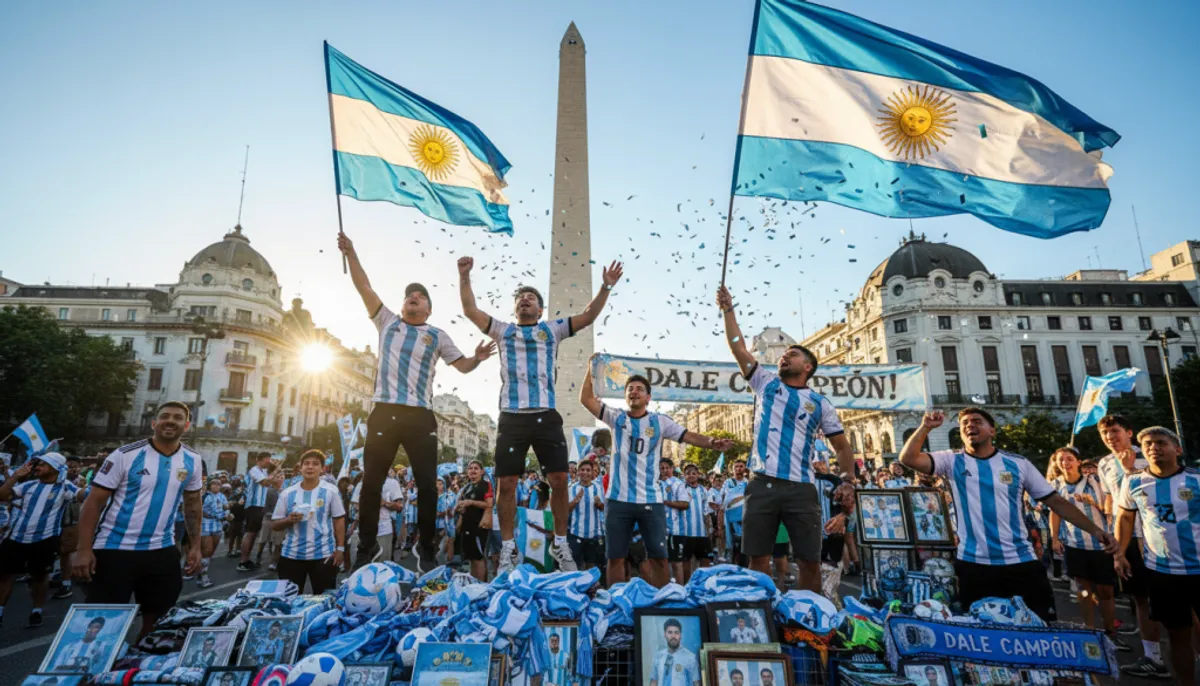
The passion for the round ball transcends generations and social classes. This sport is a true universal language that unites an entire people.
Football: Reflection of National Pride
The national team has made history by winning three World Cups. The victory in 1978 at home remains etched in memories.
Diego Maradona became an icon due to his exceptional talent. Lionel Messi has taken over with his multiple Ballon d'Or awards.
These legends represent the pride of an entire country. Their legacy inspires younger generations.
Mythical Clubs and Legendary Rivalries
River Plate and Boca Juniors form a historic rivalry. The Superclásico is considered one of the most intense derbies.
The professional championship has existed since 1931. It is recognized for its high technical level.
Other prestigious clubs like Independiente and Racing enrich this football scene. The rivalry with Brazil fuels continental passions.
This sport structures social life and facilitates exchanges. Bringing up the subject of football instantly creates bonds.
Traveling in Argentina: Between Tradition and Modernity
Exploring this territory transports you to a universe where past and present harmoniously dialogue. Your journey becomes a captivating adventure through centuries of history.
Discovering the Historic Neighborhoods and Monuments of Buenos Aires
Buenos Aires fascinates with its unique architectural blend. The historic neighborhoods elegantly coexist with modern constructions.
The capital offers a European experience in South America. Its lively streets tell a rich story at every corner.
Don’t miss the tango shows in renowned cabarets. Piazzolla Tango and Señor Tango enchant travelers from around the world.
For a complete immersion, visit a local milonga. Learn the basic steps during a class followed by a professional demonstration.
Practical Tips for an Authentic Experience
Plan a budget for tips. Guides deserve 10-15 USD per person per day.
In restaurants, count on 10% of the total. Drivers appreciate 10 USD per person daily.
Adapt to local hours. Dinners often start after 9 PM, creating an extended convivial atmosphere.
Bringing up football facilitates social exchanges. This common passion immediately unites people.
Enhance your stay with preparatory readings. "In Patagonia" by Bruce Chatwin or "At the Ends of the Earth" immerse you in the atmosphere even before your departure.
Conclusion
Exploring this South American nation reveals a unique heritage where traditions and modernity meet. The gauchos embody this authentic soul, perpetuating an ancestral way of life that fascinates travelers.
The local cuisine tells this story through its iconic dishes. Asado and empanadas are perfect examples of this gastronomic richness.
Catholicism structures daily life, while other religious communities enrich the diversity of the country. This spiritual dimension completes the cultural portrait.
To bring back authentic souvenirs, consider mate or the ponchos of the gauchos. Silver jewelry and local wines are also appreciated.
Understanding the economic context, with average salaries around 1200 euros, helps to appreciate the reality of the inhabitants. Consult specialized guides to prepare your journey.
This Argentine culture continues to inspire the whole world. Its passionate tango and recognized literature testify to its creative vitality.
FAQ
What are the main influences that have shaped the country?
The country is a fascinating blend. It has deep roots with indigenous peoples and the Spanish heritage from the colonial period. Later, large waves of immigration, notably from Italy and Germany, brought their cuisine, language, and customs, creating a unique identity in South America.
How does the traditional mate ritual take place?
Sharing mate is much more than drinking an infusion. It is an important social gesture. One person prepares the gourd and passes the drink to each guest in turn. It is a symbol of friendship and sharing that you will see everywhere, in parks as well as in homes.
Why is tango so important in Buenos Aires?
Tango was born in the popular neighborhoods of the capital in the 19th century. It is the pure expression of the passion, melancholy, and history of its inhabitants. Today, it still resonates in the *milongas* (dance halls) and the streets, embodying the vibrant soul of the city.
Is football really a national religion?
Absolutely! The sport is a passion that unites everyone. Matches between legendary clubs like Boca Juniors and River Plate are major events. The national team, with icons like Messi, is a tremendous source of pride for the entire population.
What typical dishes should not be missed during a trip?
The cuisine is a real delight! You must absolutely try an *asado* (Argentine barbecue), *empanadas*, and *milanesas*. The wines from Mendoza are also renowned worldwide. Be prepared to dine late, as here, evening meals often start after 9 PM!
What practical tips for traveling well on site?
For an authentic experience, explore the different neighborhoods of Buenos Aires, like San Telmo for its history or La Boca for its colors. Don’t forget that Argentinians are very warm; a greeting with a kiss on the cheek is common. And be flexible with schedules, as local life follows its own rhythm.