
Welcome to this exploration of a fascinating universe, where the past and present meet in harmony. This small alpine state captivates with its unique balance between centuries-old heritage and innovation.
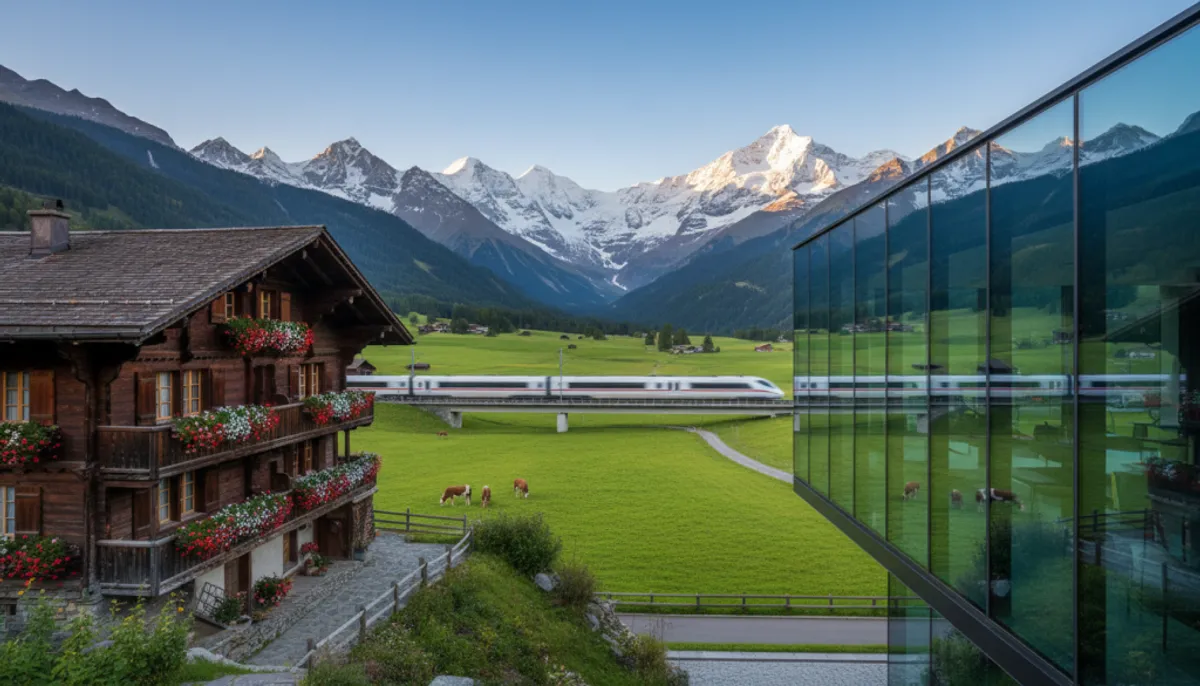
Thanks to its central position in Europe, this nation has forged a distinctive identity. It draws from Latin and Germanic influences while maintaining its own character.
It is not a uniform entity, but a vibrant mosaic of regional customs. Several languages and numerous local habits coexist peacefully.
This rich diversity is a fundamental pillar of national cohesion, showcasing the indigenous influence in nicaraguan culture. It allows us to understand how ancestral traditions endure while evolving with our times.
Key Points to Remember
- Switzerland successfully combines ancient traditions and modernity.
- Its geographical location in Europe influences its identity.
- The national culture is diverse, not uniform.
- Four official languages coexist harmoniously.
- Cultural diversity strengthens the cohesion of the country.
- Regional customs are very much alive.
- It is a guide to understanding Swiss life today.
Introduction to Swiss Culture
Dive into the heart of a unique cultural mosaic in Europe. This living ensemble represents all the distinctive signs that characterize Swiss society.
The country has four national languages distributed as follows: German (64%), French (20%), Italian (6%), and Romansh (less than 1%). This exceptional linguistic diversity shapes daily life.
This plurality is an essential element of national cohesion. It actively contributes to the unique identity of the country in the world.
Infused with Latin and Germanic influences, this richness creates a fascinating crossroads. Understanding this complexity allows one to grasp the true essence of Swiss heritage.
The Origins and History of Swiss Culture
The history of the current linguistic regions is rooted in ancient territorial divisions. These areas formed over 1000 years ago, long before the official creation of the Confederation.
| Period | Major Event | Region Concerned | Linguistic Impact |
|---|---|---|---|
| End of the 3rd century | Invasions by the Alamanni and Burgundians | Entire territory | East-west division |
| 13th-14th centuries | Confederation of the Three Cantons | Central region | German-speaking dominance |
| 17th-18th centuries | French influence | Romandy | Promotion of French |
| 1798-1803 | Helvetic Republic | National territory | Linguistic recognition |
| 1848 | Federal State | Entire country | 3 official languages |
From the end of the 3rd century, barbarian incursions marked the territory. The Alamanni settled in the east while the Burgundians occupied the west.
The Confederation of the Three Cantons was initially entirely German-speaking. Its gradual expansion integrated Italian-speaking and French-speaking populations.
The French influence in the 17th and 18th centuries elevated the French language. This evolution paved the way for the formal recognition of language equality in 1848.
This rich history explains why German was the dominant language. Territorial and political transformations created the current mosaic.
Founding Myths and Swiss Legends
Legendary tales form an essential part of the Swiss collective imagination. These epics, although often questioned by modern historians, have profoundly shaped the construction of national identity.
The Oath of Grütli and the Story of William Tell
At the beginning of the 14th century, the Oath of Grütli symbolizes the union of three communities. Considered until the 19th century as the founding act, it should not be confused with the federal pact of 1291.
William Tell embodies resistance against Austrian oppression. His legend, popularized by art and theater, tells how he shot an arrow into an apple placed on his son's head.
Legendary Heroes: Winkelried and the Destruction of Castles
Arnold von Winkelried becomes a hero during the Battle of Sempach in 1386. The legend recounts his heroic sacrifice to break through enemy lines.
These stories first appeared in medieval chronicles such as the White Book of Sarnen. Their symbolic importance inspired love for the homeland in the 19th century.
Even if their historical accuracy is debated, these myths remain valuable elements of the intangible heritage. They continue to nourish the traditions and imagination of the country.
The Intangible Heritage of Switzerland
Beyond monuments and landscapes, the true Swiss treasure lies in its ancestral practices. These living traditions form a precious heritage passed down from generation to generation, including the rooms of the palace of culture that showcase the artistic and historical significance of these customs.On October 7, 2011, the Federal Office of Culture officially listed 167 selected customs. This rigorous selection comes from 387 proposals submitted by the various cantons.
This initiative meets UNESCO's requirements for inscription in the intangible cultural heritage. It reflects the commitment to preserving traditions.
The diversity of practices reflects the richness of the regions. There are artisanal know-how, seasonal festivals, and unique musical expressions, showcasing the baking craftsmanship that is deeply rooted in Swiss culture.These local customs strengthen national cohesion while preserving cultural identity and are influenced by organizational dynamics. They ensure transmission to future generations in the face of globalization challenges.Swiss Culture and Its Multilingual Heritage
Four languages coexist harmoniously in this alpine territory, creating a unique linguistic landscape. This diversity is based on solid constitutional principles that guarantee balance among different communities.
Language Distribution and Their Historical Evolution
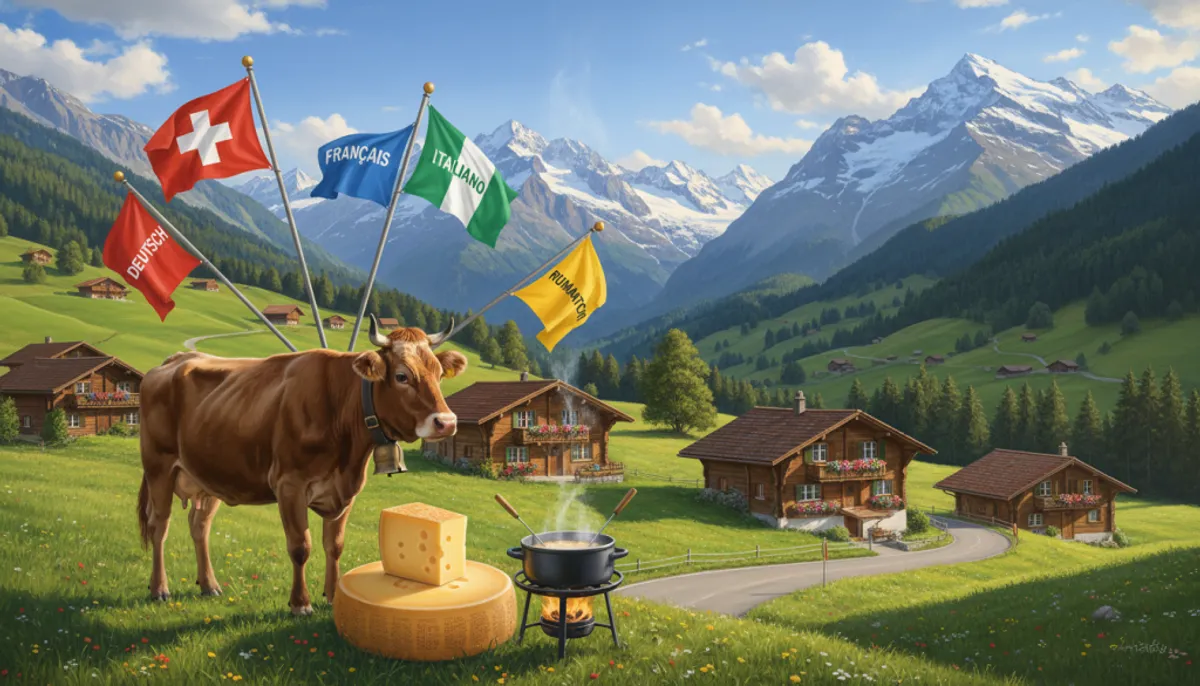
The four national languages – German, French, Italian, and Romansh – follow the principle of territoriality. Each canton determines its official language, thus preserving local linguistic identity.
German dominates in the northern and central regions, while French characterizes Romandy. Italian is concentrated in Ticino and Romansh in some Grisons valleys.
The Röstigraben Phenomenon and Its Implications
The Röstigraben marks the cultural border between German-speaking and French-speaking areas. This division influences mindsets and even contemporary political votes.
In the French-speaking region, lexical particularities like “septante” and “nonante” are used. Swiss German dialects remain highly valued in German-speaking daily life.
Romansh, although minority, enjoys constitutional protection. This linguistic richness reflects the integration capacity of different communities.
Music and Traditional Arts in Switzerland
Traditional artistic expressions offer a unique window into the soul of mountain communities. These creative forms constitute a living heritage passed down through generations.
Although often considered typically Swiss, these practices share many characteristics with other European alpine regions. Cultural exchanges continually enrich this repertoire.
Instruments, Yodeling, and Forms of Musical Expression
Yodeling, the Ranz des vaches, and the Evening Song represent emblematic forms of alpine music. These melodies transcend national borders while retaining their local character.
The diatonic accordion, called Schwyzerörgeli, often accompanies folk dances. It creates a friendly atmosphere during village festivals.
| Traditional Instrument | Main Region | Characteristic Use | Time of Appearance |
|---|---|---|---|
| Schwyzerörgeli | Central Switzerland | Folk dances | 19th century |
| Alphorn | Alpine regions | Pastoral communication | Middle Ages |
| Hackbrett | Eastern Switzerland | Ensemble music | 18th century |
| Handorgel | Romandy | Vocal accompaniment | 19th century |
The Influence of Visual Arts and Sgraffito
Sgraffito represents a unique decorative art consisting of engraving geometric patterns on facades. This technique beautifies villages like Guarda and Scuol.
Sgraffito is not just a simple decoration; it is the expression of an ancestral craftsmanship that tells the story of mountain communities, showcasing the baking craftsmanship that has been perfected over generations.
These colorful ornaments testify to traditions of architecture preserved with care. They constitute a distinctive element of the alpine urban landscape.
The transmission of these techniques ensures the longevity of this rich visual heritage. Federal festivals regularly celebrate these artistic expressions.
National Festivals and Local Customs
Annual celebrations offer a vivid glimpse into Swiss regional traditions. These events punctuate the calendar and strengthen community ties.
Each region has its own unique local customs. This diversity reflects the richness of intangible heritage.
The Swiss National Day and Other Seasonal Celebrations
The Swiss National Day takes place every August 1st. It commemorates the federal pact of 1291 in all municipalities.
Since 1994, this day has been a public holiday throughout the country. Festivities include bonfires, lantern parades, and patriotic speeches.
| Event | Period | Region | Characteristics |
|---|---|---|---|
| National Day | August 1st | All of Switzerland | Bonfires, speeches |
| Basel Carnival | February/March | Basel | Parades, giant lanterns |
| Désalpe | End of summer | Alpine regions | Return of decorated herds |
| Chalamandarz | Winter | Guarda | Bells to chase away winter |
The Basel Carnival represents one of the most spectacular festivals. Inscribed by UNESCO, it lasts three days with traditional music.
These celebrations are not just folklore; they weave the social fabric and transmit values to new generations.
The désalpe marks the return of herds from the alpine pastures. Cows wear flowers and bells in a colorful parade.
The Chalamandarz in Guarda illustrates the persistence of winter customs. Young and old ring bells to “chase away winter.”
These varied festivals create a unique sense of belonging. They preserve regional identity while uniting the country.
Swiss Gastronomy and Culinary Traditions
The Swiss gastronomic heritage tells a story of terroir and authentic sharing. Each iconic dish embodies centuries of know-how and conviviality.
Fondue represents much more than just a meal. This national dish creates unique moments of sharing around melted cheese.
Other specialties complement this rich culinary heritage. Raclette, rösti, and birchermüesli are integral parts of the country's gastronomic traditions.
The village of Gruyères perfectly illustrates this cheesemaking excellence. Its famous AOP Gruyère is a fundamental element of the local culture.
These specialties vary significantly from one region to another. They reflect neighboring influences while maintaining a distinctly Swiss character.
Swiss chocolate symbolizes global artisanal excellence. Its international fame attests to exceptional craftsmanship.
Sharing a fondue or discovering local specialties offers an authentic immersion. This tasting experience allows for a better understanding of Swiss culture.
Everyday Life: Etiquette and Manners in Switzerland
Living in Switzerland involves understanding certain essential rules of conduct. Politeness and respect are fundamental values governing the local way of life.
Punctuality is considered an absolute mark of respect. Arriving on time shows that you value others' time.
Discretion is highly valued in public spaces. Loud conversations are frowned upon, and excessive displays of emotion are rare.
| Social Aspect | Main Rule | Concerned Hours | Importance |
|---|---|---|---|
| Punctuality | Arrive at the exact time | All day | Very high |
| Nocturnal Rest | Mandatory silence | 10:00 PM – 7:00 AM | Strictly observed |
| Sunday | Calm and tranquility | Whole day | Legally protected |
| Physical Contacts | Handshake only | Meetings | Moderation |
Respect for personal space remains paramount. Contacts are generally limited to a firm handshake during greetings.
Sunday represents a special day where calm prevails. Most shops close, and noisy activities are prohibited.
Meals are taken relatively early. Dinner usually takes place between 6:30 PM and 8:00 PM, reflecting the importance placed on sleep.
These rules aim to ensure a high quality of life for all. They create a harmonious environment based on mutual respect.
Expatriation Traditions: Practical Tips for Successful Integration
For newcomers, understanding Swiss social codes is essential for successful integration. This practical guide helps expatriates navigate daily life in this fascinating country.
Learning the local language is a major asset. Even though English is common in professional settings, the linguistic effort will be greatly appreciated.
| Key Aspect | Practical Advice | Benefit | Avoid |
|---|---|---|---|
| Social Interactions | Respect initial reserve | Lasting relationships | Excessive familiarity |
| Local Participation | August 1st celebrations | Authentic encounters | Voluntary isolation |
| Daily Adaptation | Strict punctuality | Quick integration | Frequent delays |
| Respect for Rules | Sunday calm | Community harmony | Excessive noise |
Expatriates discover that Swiss reserve is not coldness but respect for personal space. This approach creates a balanced community life.
Participating in local traditions opens valuable doors. These experiences help grasp the deep values of Swiss culture.
Gradual adaptation to the local way of life enriches the experience of expatriates. It transforms the stay into a memorable adventure in this welcoming country.
The Role of Architectural Heritage in Swiss Culture
Swiss architecture tells a millennia-old story through its stones and forms. These ancient buildings are living witnesses to national evolution.
The village of Gruyères, voted the most beautiful village in Romandy in 2014, offers a journey through time. Its medieval streets preserve nearly eight centuries of architectural history, reflecting the broader history of romania.
From Medieval Castles to Iconic Gothic Churches
The Gruyères Castle, transformed into a museum, retraces eight hundred years of heritage. Nearby, Chillon Castle on Lake Geneva impresses with its exceptional preservation.
The Gothic church of St. Georg in Guarda dominates the national park from its rock. This architectural wonder illustrates the fusion of tradition and spectacular landscape.
The city of Neuchâtel showcases varied architecture from the Middle Ages to the 18th century. Its Diesse tower once marked the limit of the medieval city.
Each canton jealously protects this exceptional built heritage. These monuments attract visitors from around the world passionate about history.
The Influence of Modernity on Swiss Culture
The balance between innovation and heritage defines contemporary Switzerland. This alpine nation shows how to evolve without losing its essence.
The financial, pharmaceutical, and technology sectors attract international talents. This openness enriches the cultural diversity of the country.
Young generations use social media to celebrate traditions. They create new ways to transmit heritage.
Zurich, Geneva, and Basel illustrate this successful fusion. These cities combine local authenticity with global influences.
This ability to marry past and present strengthens national cohesion. It represents a model for the contemporary world.
Cultural Exchanges and the Dynamics of the Cantons
Twenty-six autonomous entities compose the institutional landscape of this alpine nation, each preserving its own identity. This unique federal structure allows for decentralized management of cultural policies.
The principle of territoriality guarantees linguistic communities the protection of their traditions. Each geographical area has its own government and parliament.
This autonomy leads to significant differences between entities. Taxation, education, and health systems vary considerably.
| Multilingual Canton | Official Languages | Particularity | Region |
|---|---|---|---|
| Fribourg | French, German | Linguistic border | West |
| Valais | French, German | Bilingual valleys | South |
| Bern | German, French | Federal capital | Center |
| Graubünden | German, Romansh, Italian | Triple diversity | East |
This territorial organization constitutes a remarkable model for the harmonious management of linguistic and cultural differences.
Internal borders facilitate enriching exchanges between the various linguistic areas. This dynamic creates a vibrant mosaic where each regional particularity is valued.
This decentralization strengthens national cohesion while celebrating local specificities. It represents a subtle balance between unity and diversity.
Swiss Culture Through the Lens of Arts and Festivals
The arts and festivals offer a dynamic vision of contemporary Swiss expression. These events reveal how traditions and modernity coexist harmoniously.
Since the 19th century, federal festivals have emerged as national gathering places. Shooting, singing, and gymnastics constituted the first structured manifestations.
Traditional Events and Cultural Innovations
In the early 20th century, Swiss wrestling and yodeling joined this movement. These gatherings took place in different cities at regular intervals.
They combined patriotic solemnity with a popular atmosphere. Today, their ceremonial character has softened in favor of a more festive dimension.
These festivals allow for the discovery of authentic practices such as folk music. They promote exchanges between linguistic regions.
At the same time, modern festivals enrich the artistic landscape. They attract creators from around the world each year.
This event diversity illustrates the vitality of the cultural heritage. It shows how innovation is rooted in tradition.
Impact of Customs on Professional and Social Life
Working in Switzerland involves adapting to the specific codes of the business world. This unique professional environment often surprises expatriates accustomed to other cultures.

Efficiency and precision are cardinal values in this environment. Punctuality is particularly crucial for good integration.
Delays are perceived very negatively and can harm one's reputation. This time rigor applies to all meetings and appointments.
Hierarchy in Swiss companies is generally less pronounced than elsewhere. Relationships between colleagues and management are more informal but always respectful.
Professional communication favors directness and concrete facts. Presentations must be clear and supported by precise data.
The balance between professional and personal life is fundamental. Overtime is not valued in the majority of sectors.
Employees are encouraged to leave the office at the scheduled time. This approach reflects the belief that a good balance improves productivity.
The dress code remains generally conservative, especially in finance. However, some fields like technology adopt more casual codes.
This organization of work time creates a balanced professional environment. It contributes to the overall well-being of workers in this demanding professional world.
Conclusion
At the end of this journey through the multiple Swiss facets, one truth emerges clearly. This comprehensive guide reveals how centuries-old traditions and modernity create a unique balance, reflecting the cultural history that shapes the identity of this remarkable nation.Understanding this culture requires grasping its rich linguistic and regional diversity. Four languages coexist harmoniously within a remarkable federal system.
For expatriates, this immersion represents an extraordinary opportunity. The exceptional quality of life results from a subtle balance between rule respect and openness.
Successful integration involves learning the local language and respecting traditions. Participating in the festivals that punctuate the year opens valuable doors.
The initial reserve of the locals should not be interpreted as coldness. It is a respect for personal space that leads to sincere relationships.
This guide provides a solid foundation for discovering this fascinating country. The true adventure begins with an open mind and curiosity in daily life.
FAQ
What are the four official languages of the country?
The national languages are German, French, Italian, and Romansh. Each region has its own linguistic identity, creating fascinating diversity.
How does the national holiday on August 1st take place?
This annual celebration includes bonfires, speeches, and decorations in the colors of the flag. Each canton organizes its own events to mark this special day.
Are there marked differences between the cantons?
Absolutely! Each canton maintains its local customs, heritage, and sometimes even distinct dialects. This variety greatly enriches Swiss life.
What traditional dishes should be discovered?
The gastronomy offers specialties like fondue, raclette, and rösti. These dishes reflect the agricultural history and geography of the different regions.
How can expatriates easily integrate?
Participating in village festivals, learning the local language, and respecting work hours are keys to successful integration into the community.
Where can one experience traditional arts?
Many festivals showcase yodeling, alpine music, and sgraffito. These artistic expressions are vibrant throughout the country, especially during the summer seasons.