
Welcome to a captivating exploration of a hidden treasure in Northern Europe. This guide invites you on a journey to the heart of a unique identity, shaped by a rich history and diverse influences.
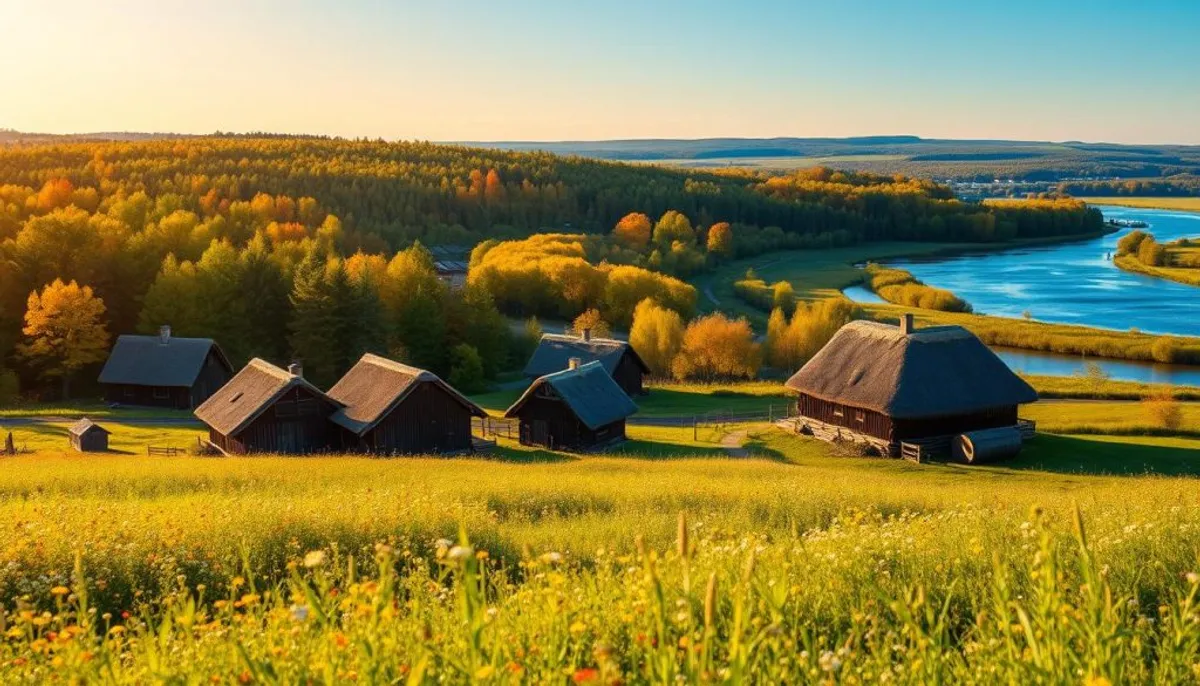
This country is fascinating, bordered by the Baltic Sea, and home to a proud people with ancestral traditions. Its Finno-Ugric language and deep connection to nature truly set it apart.
We will explore together the many facets of this society. From historical origins to modern celebrations, every detail tells a story of resilience and authenticity.
Whether you are planning a visit or simply curious, this guide will provide you with all the keys. Get ready to be surprised by the harmony between modernity and ancient customs.
Key Points to Remember
- Estonia has a unique cultural identity in Northern Europe.
- Its Finno-Ugric language is a major distinguishing element.
- Ancestral traditions are remarkably preserved.
- Exceptional natural heritage profoundly influences the way of life.
- The tumultuous history has forged a culture of resilience.
- A trip to Estonia offers an authentic immersion.
- Modernity coexists harmoniously with ancient customs.
Origins and History of Estonian Culture
The historical narrative of this Baltic nation is marked by remarkable resilience. The first inhabitants arrived from Asia thousands of years ago, settling on the shores of the Baltic Sea.
They developed a unique Finno-Ugric language, creating a linguistic link with the Finns and Hungarians. These populations lived in harmony with their land until the 13th century.
The Influence of Early Tribes and Migrations
The turning point came when the Danes landed and took power. They founded Tallinn, which means "Danish town." This was the first time this territory came under foreign domination.
The Teutonic Knights followed, imposing their religion and reducing the local population to serfdom. During this time, German nobles and merchants controlled the land and trade.
Historical Occupations and Transformations
Estonia then experienced a succession of dominations: Danish, German, Swedish, and then Russian from 1721. The declaration of independence in 1918 was a crucial but fleeting moment.
The German and Soviet occupations cost the country 30% of its population during World War II. It was only with the fall of the Berlin Wall that the process of definitive liberation could begin.
Independence was truly achieved in 1994, paving the way for EU membership ten years later. This history explains why Estonia is one of the youngest nations in Europe.
Demographics and Languages in Estonia
With only 1.3 million inhabitants, this Baltic country offers a model of a pluralistic society. The population density reaches barely 30 people per square kilometer, one of the lowest in Europe.
Nearly two-thirds of residents live in urban areas. One-third of the total population resides in the capital, Tallinn.
Population, Identities, and Minorities
The ethnic composition reveals a rich diversity. Russians make up more than a quarter of the inhabitants. There are also Ukrainian, Belarusian, and Finnish communities.
This human mosaic includes historical groups like the Setos and the Estonian Swedes. Each community contributes to the national identity.
Official Language and Secondary Languages
The Estonian language is the official language, spoken by 69% of the population. This language is Finno-Ugric, creating a unique link with Finland.
Russian remains very present, used by 30% of speakers. In the main cities, English is widely understood. A part of the population also speaks Finnish and German.
This linguistic diversity makes Estonian cities particularly welcoming to international visitors.
Ancestral Traditions and Customs
In the heart of the countryside, ancestral traditions and albanian traditions continue to beat in rhythm with the seasons. These practices have shaped the life of communities for centuries.
Rural Customs and Daily Life
The kirmas, traditional village festivals, bring the Estonians together to celebrate natural cycles. These events mark the end of harvests or the arrival of spring.
Each gathering becomes a moment of sharing with family. Participants enjoy hearty meals and dance to folk music.
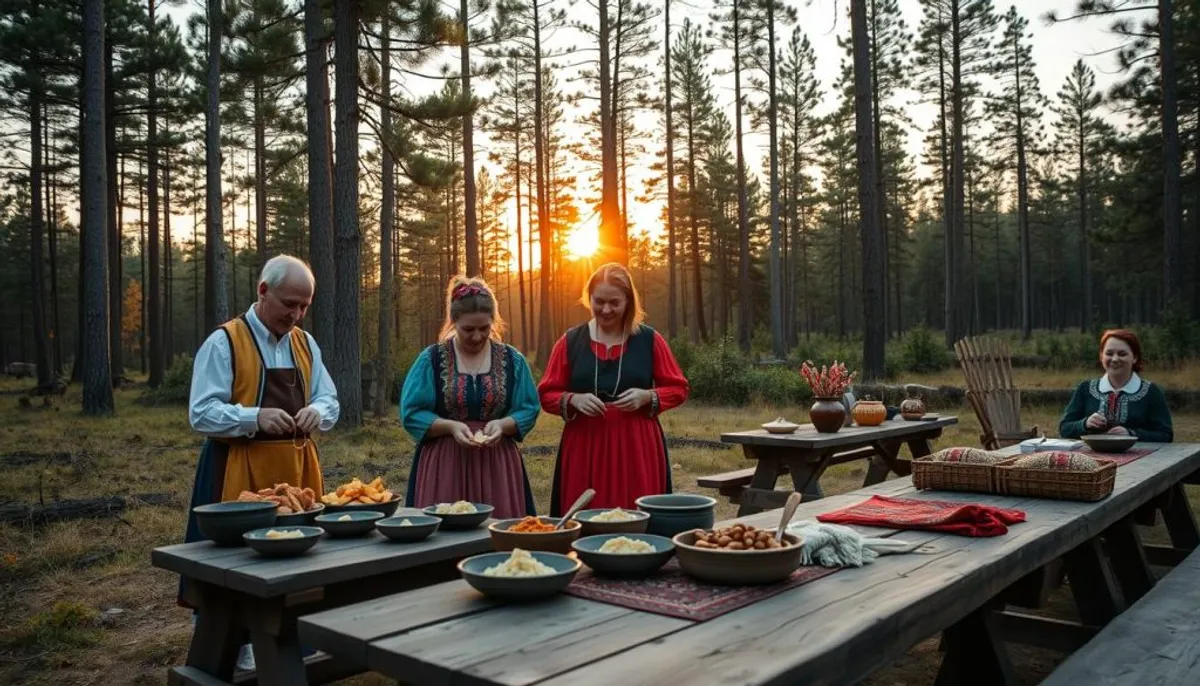
Weaving represents another remarkable custom. The patterns vary by region, creating a unique artistic diversity.
Traditional costumes display elaborate embroidery. The Estonians wear them proudly at weddings and festivals.
Berry and mushroom picking remains a popular activity. This practice strengthens the connection with nature over time.
- Intergenerational transmission of know-how
- Warm hospitality during gatherings
- Traditional games preserved for centuries
These customs are not mere memories. They still influence modern life and community relationships.
National Holidays and Iconic Celebrations
The calendar of celebrations in Estonia marks the year with moments of national pride and popular joy. These events unite generations around common values.
Independence Day and Other Holidays
February 24 is the most symbolic date. The declaration of independence from 1918 is commemorated with solemn ceremonies.
Military parades and patriotic speeches remind us of the long road to sovereignty. This national holiday inspires deep pride.
Other holidays punctuate the year. January 1, May 1, and Pentecost are part of the official calendar.
Traditional Celebrations and Local Festivals
In June, Estonians experience magical moments. Midsummer Day (Jaanipäev) celebrates the summer solstice on June 23 .
Huge bonfires light up the night. People dance and sing until dawn with family.
Christmas (Jõulud) enchants the month of December. Festive markets open in early December for several weeks of celebrations.
These holidays create memorable moments. They strengthen community ties across the country.
Music, Dance, and Folk Songs
The melody of voices and the rhythm of steps tell a unique story of resistance and national pride. These artistic expressions, including elements of georgian art, hold a fundamental place in the life of communities.
The Legacy of the Singing Revolution
In 1988, the Estonians demonstrated the extraordinary power of songs. The Singing Revolution freed the country without violence.
“We sang our way to freedom, one voice after another.”
The Laulupidu gathers thousands of singers every five years. These events celebrate the national language through impressive harmonies.
| Musical Event | Frequency | Participants | Significance |
|---|---|---|---|
| Laulupidu | Every 5 years | 30,000+ singers | National song festival |
| Regilaulud | Annual festivals | Local communities | Ancestral traditional songs |
| Eurovision Contest 2001 | One-time participation | National representative | International victory |
Folk Dances and Traditional Costumes
Dance also holds an important place. Groups perform complex choreographies passed down for centuries.
Regional costumes feature elaborate embroidery. Each pattern tells a unique local story. These outfits are worn proudly during celebrations.
Many locals participate in regular folk activities. This passion extends beyond major occasions to enrich daily life.
Integrating "Estonian Culture" into Your Life
Discover how to bring the Estonian spirit to life every day, even far from its borders. This practical approach allows you to connect with Nordic authenticity.
Daily Rituals and Authentic Practices
The sauna is an essential part of local life. Much more than just a hot bath, it represents a true ritual of purification.
The residents of this country regularly practice this tradition with family or friends. Alternating between intense heat and cold baths stimulates blood circulation.
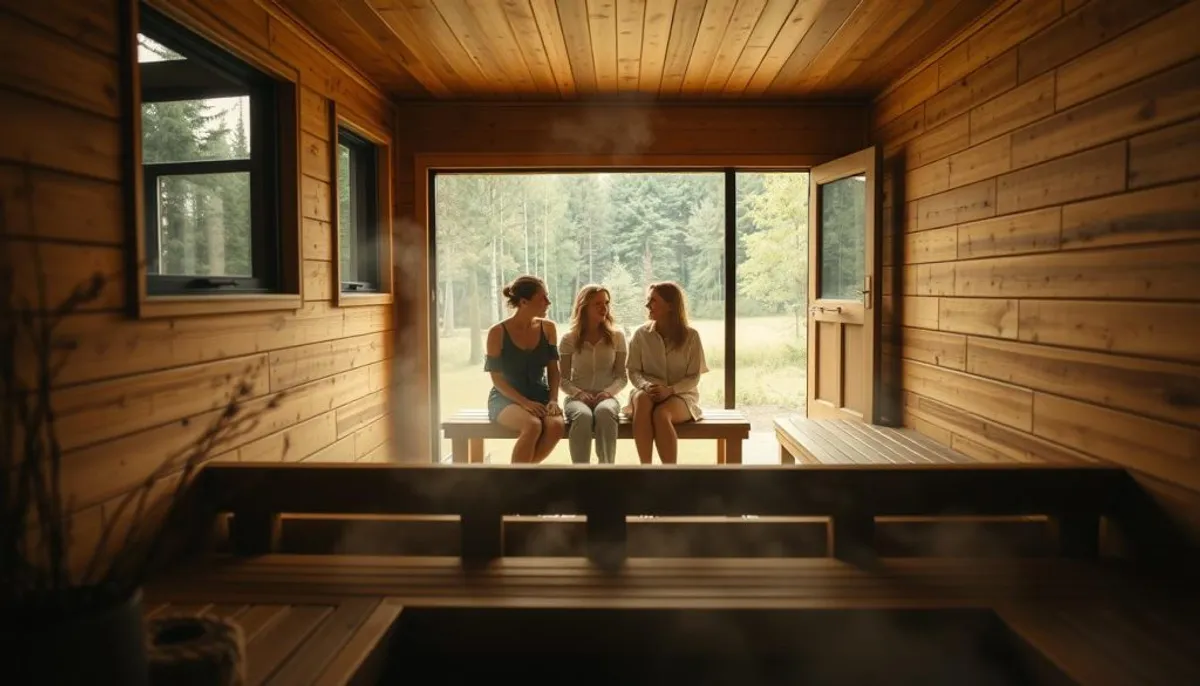
You can experience this practice during your journey. Many public establishments offer authentic sessions.
Connecting with nature is another fundamental aspect. Forest walks and berry picking enrich daily life.
Influence on Fashion, Design, and Craftsmanship
Local craftsmanship reflects remarkable know-how, showcasing latvian craftsmanship in sculpted wooden objects and leather goods that testify to this excellence.Contemporary Estonian design draws from traditions while embracing modernity. This fusion creates minimalist and functional pieces.
Incorporating certain elements into your daily life adds a touch of Nordic authenticity. These practices transform your routine into an enriching experience.
Traditional Cuisine and Beverages
The authentic flavors of Estonia tell a rich and varied culinary story. This gastronomy reflects German, Swedish, and Russian influences while maintaining its own croatian cultural identity.
Iconic Dishes and Local Specialties
Soups hold an important place in everyday cuisine. Lentil and pumpkin versions warm the long winters.
Breaded meat is served with simple sides. Potatoes, cabbage, or carrots complement this classic in a large number of households.
Rye bread represents true culinary pride. Dense and flavorful, it symbolizes the connection to the nourishing land.
| Specialty | Description | Period | Popularity |
|---|---|---|---|
| Verivorst | Traditional black pudding | Christmas | High |
| Kartulipuder | Creamy mashed potatoes | All year round | Very high |
| Rosolje | Colorful beet salad | Summer | Medium |
| Kringel | Sweet braided bun | Special occasions | High |
Beer, Vana Tallinn, and Other Delights
Estonian beer enjoys an excellent reputation. Local breweries offer a wide variety throughout the country.
Vana Tallinn represents the iconic national liqueur. Its notes of spiced rum, cinnamon, and vanilla make it a perfect souvenir.
Smoked trout benefits from the pure waters of the lakes. This specialty is enjoyed both in cities and in the countryside.
Etiquette and Practical Tips for Travelers
To make your stay in Estonia truly memorable, mastering local codes is essential. Residents appreciate visitors who respect their customs.
Etiquette, Tipping, and Local Practices
Tipping is never mandatory but shows your satisfaction. It complements the salary without replacing it.
| Service | Suggested Amount | Frequency | Context |
|---|---|---|---|
| Taxi Driver | Round up the fare | Per ride | Short city trips |
| Private Driver | 5€ per day/person | Daily | Extended service |
| Cultural Guide | 5-10€ per person | Per service | Day trips |
| Accompanist | 20-50€ per person | End of stay | 8-15 day trips |
In restaurants, base your tip on the price of a local beer. This approach respects the country's economy.
Tips for Navigating Traditions
Learning a few basic words in Estonian creates authentic connections. Locals appreciate this effort.
Most people speak English in tourist areas. But a "Tere" (hello) or "Aitäh" (thank you) is always appreciated.
For local crafts, prefer cash payments. Credit cards are not always accepted by artisans.
Estonians value discretion and personal space. Avoid excessive displays in public.
Plan your trip according to the season. Winters are cold but magical. Summers offer long days perfect for exploration.
Natural Heritage and Outdoor Activities
Breathe the fresh air of deep forests and feel the call of the wild. This country offers preserved landscapes where adventure awaits on every trail.
Hiking, Saunas, and Immersion in Nature
Hiking is the locals' favorite activity. A large number of marked paths wind through pine forests and mysterious bogs.
Imagine a day of walking followed by a traditional sauna by a lake. This revitalizing experience combines physical effort and deep relaxation.
Berry and mushroom picking has been practiced here for generations. Families go out together, creating precious memories.
Exploring National Parks and Scenic Sites
Your journey must include discovering national parks. Lahemaa, Soomaa, and Matsalu protect unique ecosystems.
In Matsalu, observe migratory birds from traditional fishing huts. You will see once again how man and nature coexist harmoniously.
Wild camping is allowed in most of these spaces. Spend a night under the stars for a complete connection with the environment.
These parks host discreet but fascinating wildlife. With patience, you may spot moose, lynx, and various bird species.
Conclusion
At the end of this exploration, we hope to have conveyed the vibrant essence of this Nordic identity. It consists of a unique heritage, marked by remarkable resilience, a deep connection to nature, and a rich appreciation for slovenian art.
Every song, every celebration, and every meal shared with family tells a story of pride. The Estonians have managed to preserve their traditions while embracing modernity.
Integrating some of these practices into your life means discovering a philosophy that values community and authenticity. A simple walk in the forest or a sauna moment can transform your daily life.
Whether you are planning a trip or simply seeking inspiration, the riches of this Estonian people are accessible to all. We encourage you to continue this fascinating discovery.
FAQ
When did Estonia gain its independence?
The country declared its independence on February 24, 1918. This sovereignty was restored after the Soviet period on August 20, 1991. The national holiday on February 24 is a very important moment for all residents.
What is the main language spoken by Estonians?
The official language is Estonian. It is a Finno-Ugric language, quite unique in Europe. Russian is also very present, especially in large cities like Tallinn. Many residents are bilingual.
What are the most popular traditional celebrations?
Independence Day in February and Victory Day in June are major. But holidays like Jaanipäev (Midsummer) in June are also very dear to Estonians. It is a pagan festival celebrating summer.
Did the "Singing Revolution" really happen?
Absolutely! Between 1987 and 1991, large gatherings took place where people sang patriotic songs. This peaceful revolution played a key role in regaining independence. It is a strong symbol of the country's resistance.
What is the typical dish to try on a trip?
Black rye bread is a staple food. For a typical meal, try "verivorst," a blood sausage, often served at Christmas (December). The cuisine heavily uses local products, such as mushrooms and berries.
What are the main customs to know for a visitor?
Estonians value personal space, and initial contact may seem reserved. It is customary to remove your shoes when entering a home. Respecting nature is also a deeply rooted custom among residents.
Is Estonia a good country for nature activities?
It is even a top destination! More than half of the country is covered in forests. You can hike in national parks, swim in lakes, and enjoy sauna sessions, a very important tradition in local life.