
Welcome to this fascinating exploration of an unknown treasure in the heart of Northern Europe. This Baltic country holds extraordinary surprises where ancestral traditions and modernity meet harmoniously.
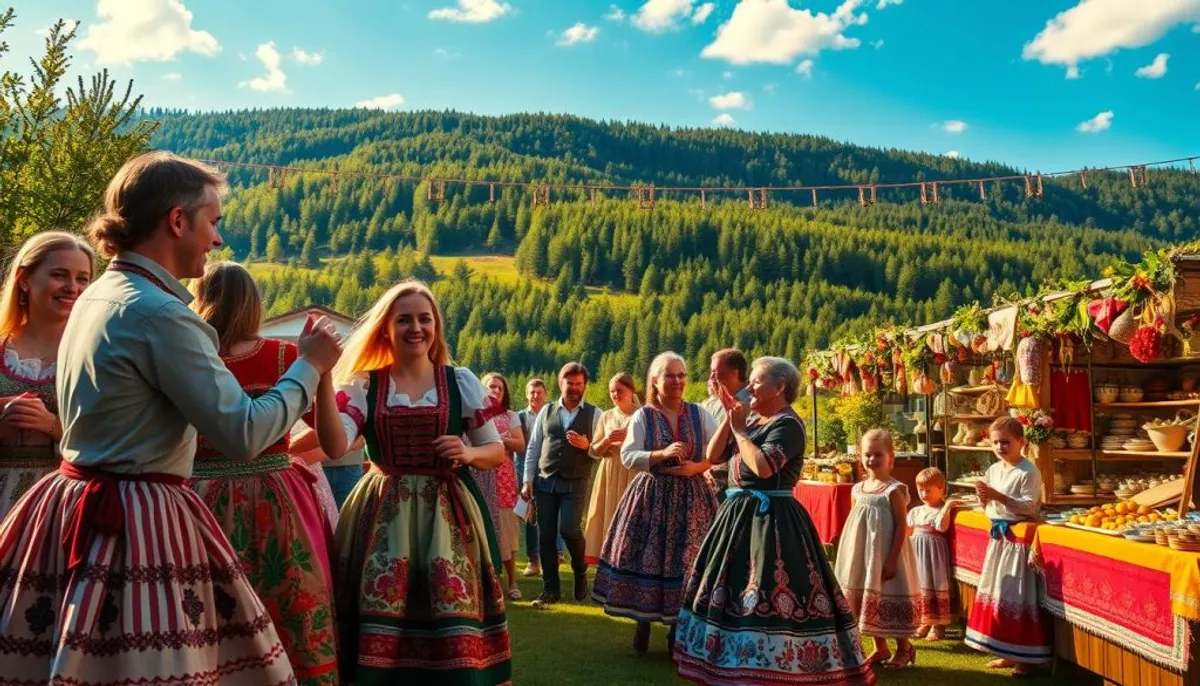
You will discover how this nation has managed to preserve its unique identity despite historical challenges. Latvians have developed a deep relationship with their heritage, making their land a captivating destination for lovers of authenticity.
Folk songs resonate like a hymn to freedom, while millennia-old customs continue to enliven daily life. This immersion will reveal the importance of intangible heritage, from seasonal festivities to artisanal know-how.
Prepare to understand why this destination is much more than just a tourist spot. It is a world in itself where every tradition tells a unique story and where every custom celebrates the beauty of life in harmony with nature.
Key Points to Remember
- Latvia preserves a rich and authentic cultural heritage
- Ancestral traditions coexist with modernity
- Folk songs are a strong symbol of national identity
- Intangible heritage occupies a central place in society
- Seasonal festivities shape the lives of Latvians
- Traditional crafts reflect the deep soul of the nation
- A special harmony with nature characterizes this culture
Introduction to Latvia and its Traditions
At the heart of Northern Europe lies a country where nature and ancient customs meet harmoniously. This Baltic land offers an exceptional setting between sea and forests.
Brief Overview of the Country and its Cultural Wealth
The population numbers about 2.3 million inhabitants. It showcases a fascinating diversity with 58% ethnic Latvians.
Russian-speaking minorities (30%), Belarusians, and Ukrainians enrich the social fabric. This mix creates a unique multicultural identity.
The official language is Latvian, a cornerstone of national identity. Russian remains widely spoken, while English and German are gaining popularity.
Historical Overview and Traditional Values
The tumultuous history has forged a resilient people. Periods of occupation have strengthened the attachment to independence.
The Lutheran Protestant religion predominates, with Catholic and Orthodox communities. This spiritual diversity influences social values.
Forests cover 45% of the territory, making this country the most wooded in Europe. This connection to nature profoundly marks local traditions.
| Ethnic Group | Percentage | Cultural Influence |
|---|---|---|
| Latvians | 58% | Official language, ancestral traditions |
| Russian speakers | 30% | Widespread Russian language, Eastern influences |
| Belarusians | 4% | Artistic and culinary contributions |
| Ukrainians | 3% | Enriching cultural exchanges |
This rich population keeps its traditions alive through folk songs, including traditional croatian music, and seasonal celebrations. Crafts and dances perpetuate this precious heritage.
The Pillars of Latvian Culture: History and Traditions
Since ancient times, the Baltic lands have seen the emergence of a unique civilization shaped by trade exchanges. This rich history begins around 2000 BC with established populations practicing agriculture.
The Origins and Historical Evolutions
The amber trade, known as the “gold of the Baltic,” allowed for prosperous development. In 1201, Riga was founded and quickly joined the Hanseatic League.
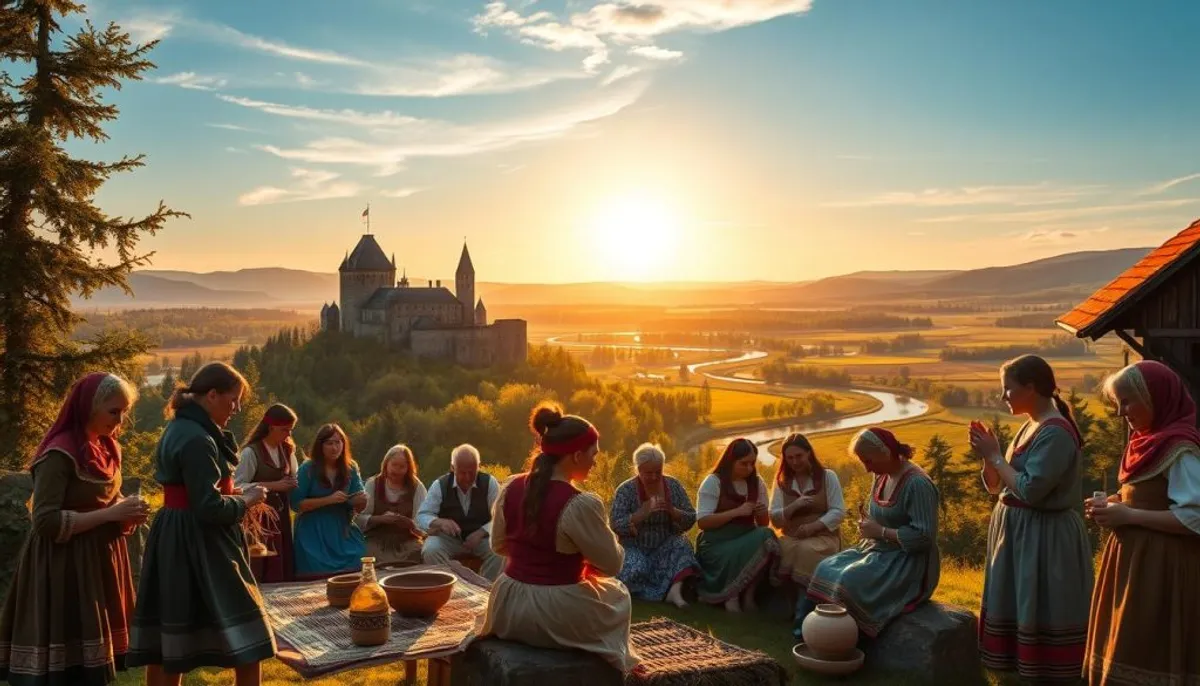
The following centuries marked a complex period of successive occupations. From 1552 to 1582, Ivan the Terrible waged war in Livonia, resulting in a division of the territory.
The first independence was recognized from 1921 to 1939. This brief period represents a crucial moment in national construction.
The “Singing Revolution” of 1990 demonstrates how traditions can serve as peaceful weapons. The people used their songs to reclaim their freedom.
November 18 is celebrated as the national holiday, commemorating the proclamation of independence in 1918. This date symbolizes pride and resilience in the face of trials.
The national flag, dating back to the 13th century, testifies to the antiquity of Latvian identity. It represents cultural continuity despite political upheavals.
The Richness of Latvian Festivities and Customs
From January to December, festivities follow one another in a ritual dance that unites generations around common values. This rich tradition celebrates both national history and natural cycles.
National Holidays and the Traditional Calendar
The annual rhythm is marked by varied celebrations. Each month brings its share of special occasions to gather.
The following table presents the main dates of the festive calendar:
| Month | Date | Celebration | Meaning |
|---|---|---|---|
| January | 1st | New Year | Beginning of the year |
| May | 1st | Labor Day | Historical commemoration |
| May | 4th | Independence Day | National sovereignty |
| June | 23-24 | Saint John | Pagan tradition |
| November | 18th | National Holiday | Proclamation of the Republic |
Saint John (Ligo) and Other Popular Celebrations
The night of June 23-24 represents the peak of summer festivities. This celebration draws its roots from ancestral traditions.
Participants light large bonfires around which they dance and sing. These traditional songs resonate on the shortest night of the year.
The previous day is dedicated to the gathering of medicinal plants. Young girls weave beautiful floral crowns to decorate homes.
This magical night in June brings extraordinary strength and produces miracles according to popular beliefs.
The mystical search for the fern flower animates the forests. This symbolic quest attracts young people in search of adventure.
Political, Religious, and Linguistic Influences
Modern Latvia presents a remarkable balance between political, religious, and linguistic influences. These three pillars shape contemporary national identity, while also encouraging entrepreneurship and fostering economic growth.
The Political System and National Independence
The country operates under a stable parliamentary democracy. The Saeima, a unicameral parliament of 100 deputies, is elected by universal suffrage every four years.
The independence regained in 1990 allowed for the reconstruction of democratic institutions. Membership in the European Union in 2004 consolidated this sovereignty.
Every November 18, the Latvians celebrate their national holiday with pride. This date commemorates the proclamation of the Republic in 1918.
Religions and Linguistic Diversity in the Country
The religion shows exceptional diversity in this nation. Lutheranism (24%), Catholicism (18%), and Orthodoxy (15%) coexist harmoniously.
The official language is Latvian, but Russian remains widely spoken. This linguistic duality reflects the composition of the population.
These multiple influences, including the greek cultural influence, enrich the national heritage. They testify to the integration capacity of different communities.
Craftsmanship, Cuisine, and Way of Life in Latvia
Beyond monuments and landscapes, it is in craftsmanship and cuisine that the true identity of this nation is revealed. These everyday expressions tell a rich story of preserved know-how, reflecting the essence of slovenian culture.Amber Jewelry and Traditional Crafts
Amber, dubbed the “gold of the Baltic,” occupies a central place in traditional art. Jewelry often takes on animal forms inspired by prehistoric amulets.
Woodworking produces carved toys and intricately designed spoons. Linen textiles and wool sweaters complete this varied artisanal palette.
This artistic tradition testifies to a precious heritage passed down from generation to generation.
Typical Dishes and the National Drink
Local gastronomy adapts perfectly to the harsh winter climate. Piragi (stuffed pastries) and pelmeni (dumplings) warm up meals.
Smoked Baltic fish and wild berry pies celebrate natural products. Beer, whether pale or dark, reigns supreme as the national drink.
For an authentic local life, tap water is generally avoided. Traditional spirits like Black Balsam accompany feasts.
Discovering Riga and Iconic Sites
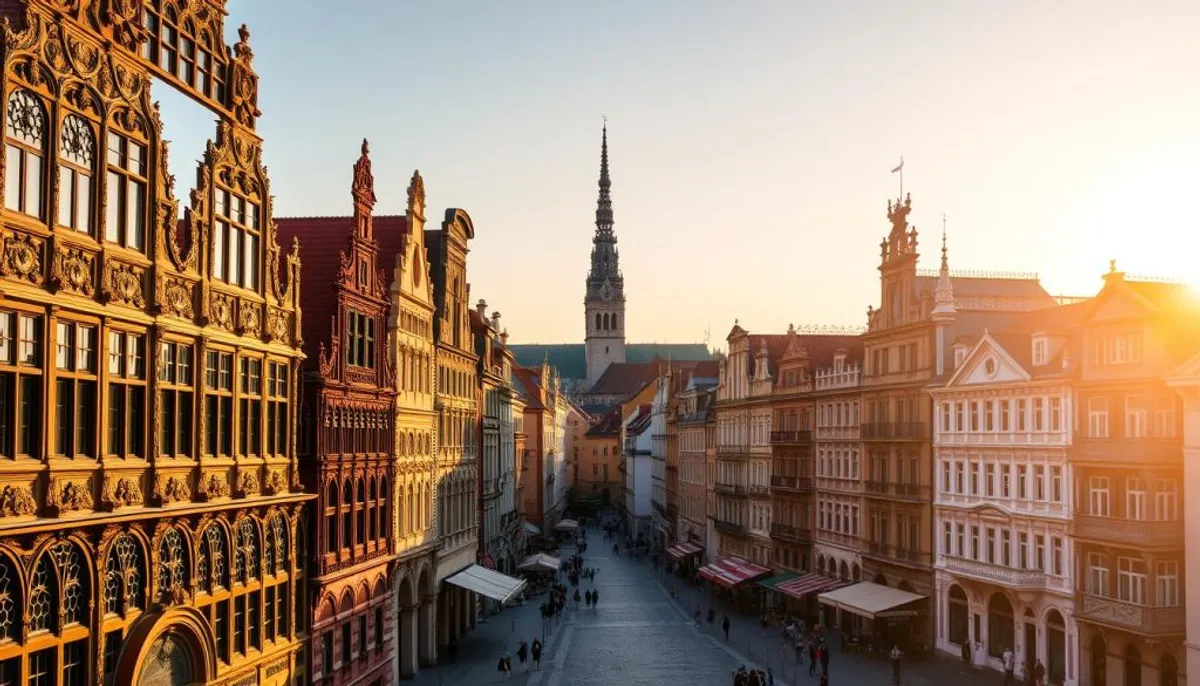
Riga reveals itself as a true open-air museum where every street tells a fascinating story. This capital invites you on a journey through time.
Historic Monuments and Must-Visit Markets
The Central Market of Riga is an exceptional place. It is the largest food market in the city and a UNESCO site.
St. Peter's Church, built in 1209, combines Gothic and Romanesque styles. Its tower offers a spectacular panoramic view.
The Architectural and Cultural Heritage of the Capital
The House of the Blackheads, built in the 14th century, symbolizes the resilience of the capital. Destroyed during the war, it was carefully rebuilt.
Riga has about 4000 wooden houses, more than any other European city. This architectural peculiarity reflects a centuries-old tradition.
The Rundale Palace, a Baroque palace from the 18th century, is worth a visit. Its French gardens and lush interiors dazzle visitors.
Each monument in this capital tells a unique page of history. The architecture reflects medieval and modern influences.
Tourist Activities and Immersion in Nature
Beyond the bustling cities, vast forests and tranquil lakes invite relaxation. This country offers a complete escape into preserved natural spaces.
National Parks and Green Spaces
The Gauja National Park represents the natural jewel of the territory. With its spectacular rock formations and winding rivers, it offers varied landscapes for your travels.
Forests cover nearly half the territory, creating a unique environment in Europe. You will discover an untouched nature where absolute peace reigns.
Leisure Options and Outdoor Discoveries
Activities abound during your stay. Hiking, cycling excursions, and wildlife observation are accessible to all.
The Ventas Rumba Falls, the widest in Europe, offer an impressive spectacle, especially at day's end. The traditional sauna (pirts) perfectly complements this immersion in local life.
A simple weekend allows for complete rejuvenation. The pure air of the forests and the calm of the lakes will accompany you throughout your days of discovery.
Whether you plan a few days or several weeks of travel, the balance between urban culture and preserved nature will captivate you. Late spring and summer are ideal for fully enjoying these outdoor spaces.
Conclusion
Our journey into the heart of Baltic traditions ends on a note of rare authenticity. This exploration reveals a world where every tradition tells a unique story.
The Latvians have managed to preserve their heritage with passion. Their folk songs still resonate during major family celebrations. Every day of festivity becomes a precious place of transmission.
Visiting this country once in a lifetime offers an exceptional cultural experience. Latvian culture invites you to discover an authentic world where nature and traditions harmonize perfectly.
FAQ
What is the best time to visit Latvia?
June is fantastic for a trip, especially to experience the grand celebration of Saint John. Summer offers long days to explore nature. For a fairy-tale winter, January is ideal.
What are the most important Latvian traditions?
Singing and dancing are at the heart of local life. Flower and wood crowns for Ligo, the celebration of berries and herbs, and large gatherings for national holidays like Independence Day are key moments.
What must you absolutely taste in Latvia?
The local beer is excellent. You should also try dishes made with rye, potatoes, and delicious forest berries. The cuisine reflects a deep respect for nature's products.
Is Riga worth a weekend visit?
Absolutely! The capital, Riga, is a beautiful city. Its historic center, listed as a UNESCO World Heritage site, its markets, and its unique atmosphere make it a perfect destination for a weekend of discovery.
How is traditional craftsmanship characterized?
Folk art is very present. You can find beautiful amber jewelry, hand-woven textiles, and finely carved wooden objects. These creations tell part of the country's history.
Is Latvia a welcoming country for families?
Absolutely! It is a safe and peaceful destination. Many outdoor activities, such as national parks and beaches, are perfect for a family day. The population is generally very warm.