
Welcome to an invitation to discover a hidden treasure of Europe. This small country, nestled at the crossroads of the Alps, the Mediterranean, and the Pannonian plain, has a surprisingly rich heritage.
Prepare for a captivating journey into the heart of its identity. You will understand how this nation has forged its unique character through a tumultuous history, fiercely preserving its traditions.
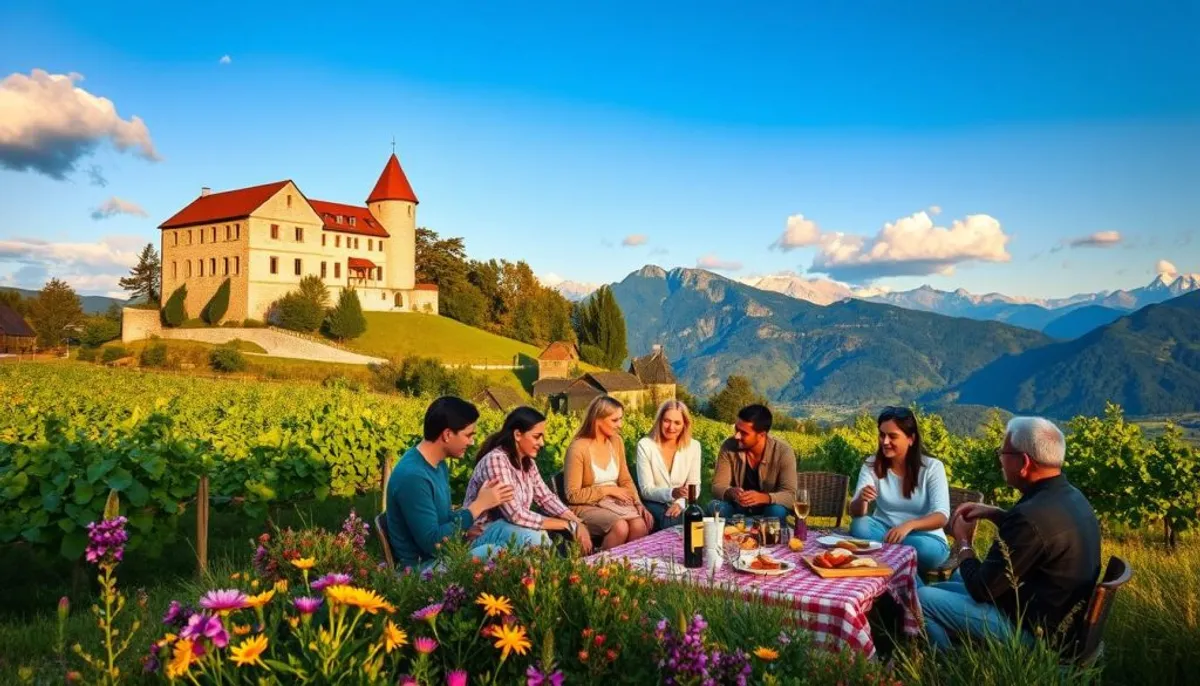
Together we will unveil the many facets of this vibrant expression. From its remarkable architecture to its flourishing literature, each element tells a part of its story.
From medieval castles to contemporary festivals, this guide takes you to meet a proud people. You will discover a delicious gastronomy and landscapes that inspire artists. Adventure awaits you at every corner.
Key Points to Remember
- Slovenia is a country at the crossroads of European cultural influences.
- Its historical heritage is remarkably well preserved.
- The language is a fundamental pillar of national identity.
- The culinary offerings reflect the geographical diversity of the territory.
- Art and traditions are alive throughout the country.
- A trip to Slovenia offers an authentic cultural immersion.
General Introduction to Slovenian Culture
At the crossroads of Europe, a nation has cultivated its heritage with remarkable passion. This land has managed to preserve its unique essence despite external influences.
An Overview of Heritage and Traditions
Traditions, including new zealand traditions, are faithfully passed down from generation to generation. Each village adds its distinctive touch to this cultural mosaic.
Independence in 1991 strengthened national pride. One-fifth of the population regularly participates in cultural events.
Why Explore This Fascinating Country
Discover how this people have managed to preserve their customs while embracing modernity. The experience offered to visitors is authentic and enriching.
Through its gastronomy and craftsmanship, the country reveals its geographical diversity. Each region has unique specialties.
| Region | Traditional Specialties | Cultural Events | Characteristic Architecture |
|---|---|---|---|
| Alpine | Artisanal cheeses | Pastoral festivals | Wooden chalets |
| Coastal | Seafood | Mediterranean carnivals | Venetian houses |
| Pannonian | Local wines | Wine festivals | Traditional farms |
| Central | Typical pastries | Craft markets | Plečnik architecture |
Exploring these different facets allows for an understanding of the soul of this territory. Each visit becomes an immersion into its living history.
Slovenian Culture: Heritage and Identity
The identity evolution of this people reflects a constant adaptation to historical upheavals. This land has seen continuous human presence for over 250,000 years.
Historical and Multiethnic Influences
The arrival of the Slavs in 550 AD marked a decisive turning point. It laid the foundations for what would become modern identity.
The kingdom of Samo in the 7th century represents the first expression of Slavic autonomy. Carantania followed as an independent principality before falling under Frankish domination.
Identity Development Through the Ages
For nearly a thousand years, this territory underwent various foreign dominations. The Habsburgs exerted their influence until the early 20th century.
The two world wars profoundly marked recent history. World War II saw complete annexation by Axis forces.
Independence in 1991 opened a new era after centuries of domination. The people could finally fully express their political and cultural identity.
The Artistic and Literary Jewels of Slovenia
The artistic creativity of this country shines through its literary and musical works, as well as its rich traditions in armenian art. These expressions constitute a living heritage that evolves with time.
Iconic Figures and Legendary Poets
The poet France Prešeren holds a central place in the literary tradition. His poem Zdravljica gave birth to the national anthem.
Ivan Cankar, in the 19th century, marked literature and political emancipation. Contemporary authors like Boris Pahor perpetuate this rich tradition.
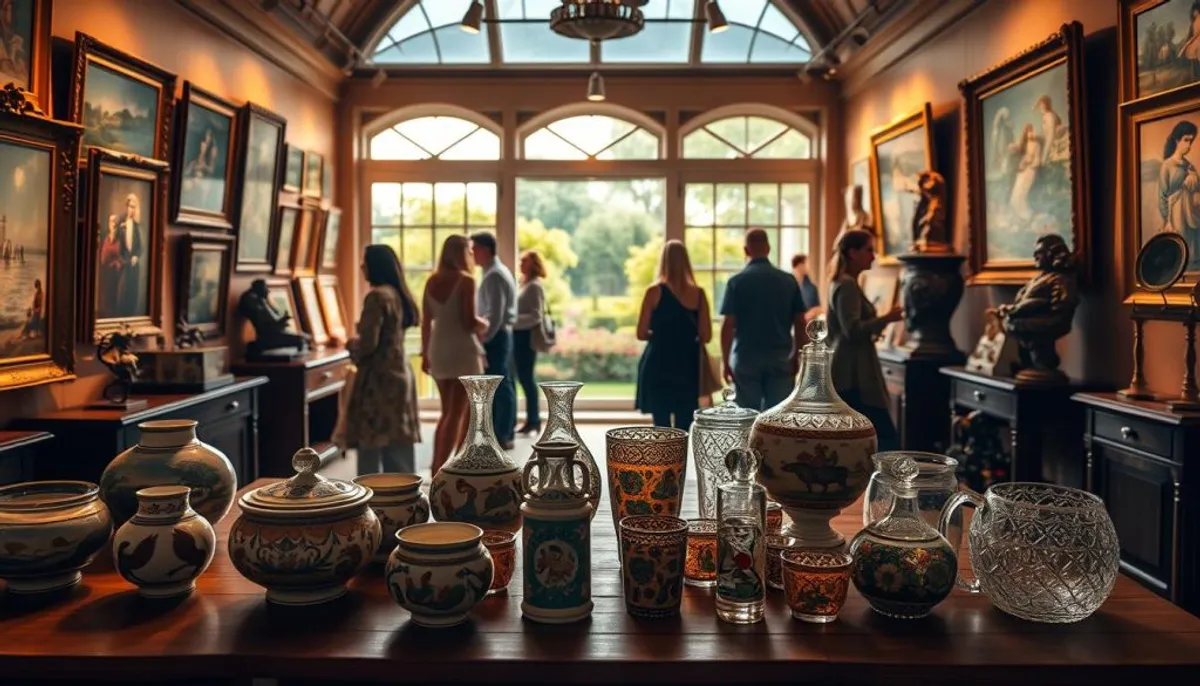
Contemporary Art and Cultural Events
The modern music scene was highlighted by the group Laibach in the 1980s. This group popularized industrial rock under a provocative name.
The participation of the group Sestre in Eurovision in 2002 sparked debates on tolerance. These artistic events showcase the boldness of contemporary creation.
The Neue Slowenische Kunst movement, founded in 1984, pushes the boundaries of expression. These works continuously enrich the cultural landscape.
Slovenian Gastronomy and Culinary Traditions
The Slovenian table tells a fascinating story of culinary encounters. This cuisine perfectly reflects the diversity of the country, harmoniously merging the influences of its neighbors.
Traditional Recipes and Regional Specialties
Each region brings its distinctive specialties. From the Alps to the Adriatic coast, the gastronomic mosaic offers remarkable variety.
Austria's influences are evident in the zavitek (strudel) and klobasa. The Italian proximity brings njoki and creamy risotto. Hungarian flavors enrich the table with goulash and paprikas.
Among the authentic specialties, börek and Belokranjska povitica are particularly appreciated. These dishes are an integral part of daily life.
Traditional drinks accompany every meal. Cockta, Brinjevec and Slivovitz spirits, as well as a growing number of local wines complete the tasting experience.
The wine region produces remarkable grape varieties like Blue Portuguese and Blaufränkisch. This centuries-old winemaking tradition testifies to local expertise.
This rich culinary tradition unites Slovenians around common values, much like togolese craftsmanship, which represents a fundamental element of their identity.
Architectural Heritage and Historical Monuments
The stones here tell a millennia-old story, from the first wooden dwellings to contemporary architectural masterpieces. This remarkable evolution spans over three thousand years.
From Gothic to Art Nouveau
Romanesque architecture appeared around the year 1000 with its imposing towers. Gothic style developed from the 13th century, marking the landscape with its elegant arches.
Medieval castles dot the hills, witnesses to a rich past. Many were built by Italian engineers called by the Austrian government.
Italian baroque dominated in the 17th century with monuments like the Ljubljana Cathedral. After the 1895 earthquake, Art Nouveau transformed the capital.
| Period | Architectural Style | Notable Example | Characteristics |
|---|---|---|---|
| 7th-9th century | Wooden dwellings | Traditional houses | Simple and functional construction |
| 13th century | Gothic | Kostanjevica Monastery | Flying buttresses and complex vaults |
| 17th century | Baroque | Ljubljana Cathedral | Rich ornaments and curves |
| 1920s | Modernism | National Library | Innovative geometric shapes |
The Legacy of Jože Plečnik in the Capital
The architect Jože Plečnik profoundly marked Ljubljana in the 1920s-1930s. His genius gave birth to the Triple Bridge and the covered market.
Rediscovered in the 1980s, his legacy today places the city among the European cities with the most original heritage. Each square bears his creative signature.
Architecture is music frozen in stone
The National and University Library remains his absolute masterpiece. This masterful construction symbolizes the cultural renaissance of the country.
Notable Festivals and Cultural Events
Local life pulses to the sound of events that transform public spaces into open stages. Over a hundred artistic festivals animate the territory throughout the year.
Must-See Events for Live Art Lovers
The capital Ljubljana vibrates during its summer festival. Classical music concerts resonate in historical venues.
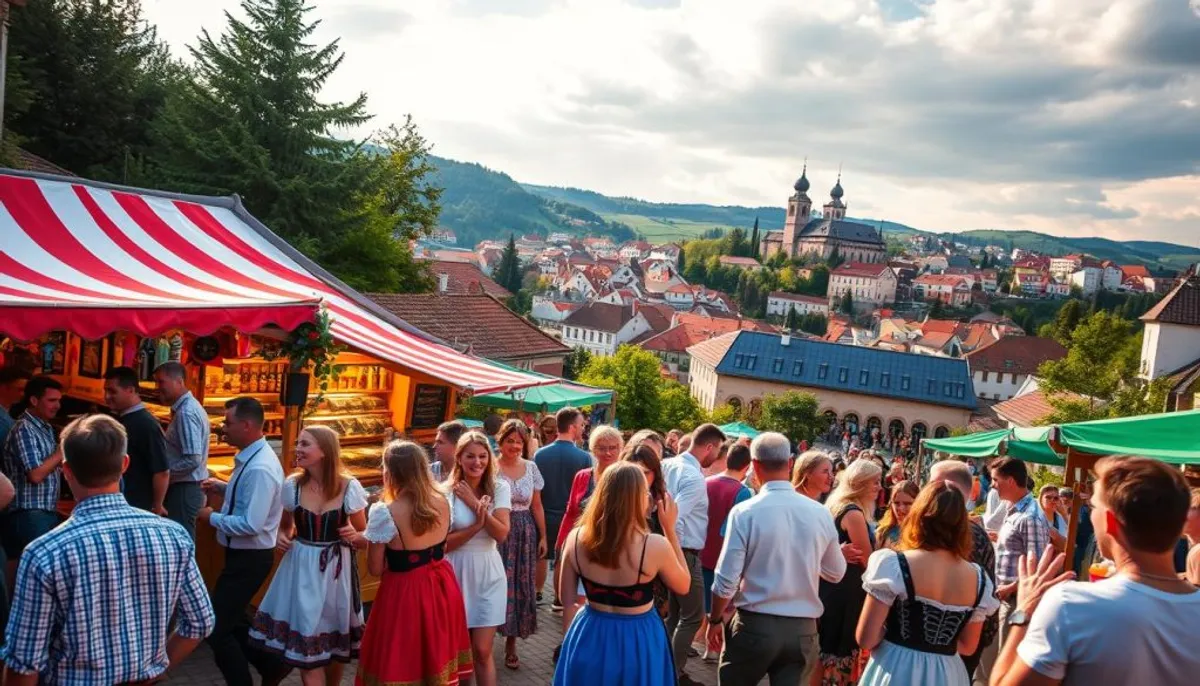
The Lent Festival in Maribor, the country's second city, offers street performances. Every artistic group finds its place there.
Local Events and Festive Traditions
Outdoor events create a magical atmosphere in the summer. Open-air cinemas and theaters under the stars enchant visitors.
| Festival Name | Location | Period | Type of Event |
|---|---|---|---|
| Ljubljana Summer Festival | Ljubljana | July-August | Classical and jazz music |
| Lent Festival | Maribor | June | Street performances |
| LIFFE | Ljubljana | November | International cinema |
| Ana Desetnica | Ljubljana | July | Street theater |
| Pražen krompir | Rural areas | Autumn | Traditional gastronomy |
These festive events testify to limitless creativity. Each festival carries an evocative name and a unique program.
The Contribution of the Slovenian Language and Literature
The language serves as the thread that unites the past and present of this European nation. It has allowed for the preservation of a unique identity despite external influences.
The First Writings and Linguistic Evolution
The history of the written language begins over a thousand years ago. The Freising manuscripts, dating from the year 1000, represent the first documents.
The development took a major step forward in 1550. Primož Trubar then published the first printed books in Slovenian.
The complete translation of the Bible by Jurij Dalmatin in 1584 solidified the status of the language. This work marks a turning point in linguistic evolution.
Great Writers and Poets Who Shaped Culture
France Prešeren occupies a central place in the literary heritage. His poem Zdravljica will become the national anthem.
Cultural Day, celebrated every February 8, commemorates his death. This event symbolizes the importance of literary creation.
| Period | Notable Event | Key Figure | Impact |
|---|---|---|---|
| 11th century | Freising Manuscripts | Anonymous | First writings |
| 16th century | First printed books | Primož Trubar | Massive diffusion |
| 16th century | Bible Translation | Jurij Dalmatin | Standardization |
| 19th century | Literary Renaissance | France Prešeren | National consecration |
The grammar is distinguished by its exceptional complexity. The use of the dual represents a unique feature among Slavic languages.
Discovering Must-See Sites and Museums
Embark on a journey to meet a millennia-old heritage that awaits curious visitors. This territory is rich in exceptional architectural and museum treasures.
Castles, Churches, and Historical Monuments
Hundreds of castles dot the landscape. Some date back to the Bronze Age and testify to different eras.
The monasteries of Žiče and Stična represent religious jewels. The church of Sveta gora near Ptuj attracts many visitors.
The ancient centers of cities like Piran and Kamnik are beautifully preserved. Their Gothic and Baroque architecture creates a unique atmosphere.
Museums and Galleries for Artistic Immersion
Ljubljana is home to the largest museums in the country. The National Museum houses the oldest flute in the world.
The Kobarid Museum has received the award for the best European museum. It recounts the events of the two world wars.
Open-air museums like the one in Rogatec showcase life in the 19th and 20th centuries. Each region has its specialized establishments.
Conclusion
Your exploration of this country will have revealed how tradition and modernity coexist harmoniously. Slovenians have managed to preserve their unique identity while fully integrating into Europe.
Since 2004, this nation has been a member of the European Union and NATO. It adopted the euro in 2007 and chaired the EU Council in 2008. This international commitment has not weakened its attachment to traditions.
The state actively supports a significant number of cultural institutions and programs, including bimpli cultural gift partners. This policy ensures a rich artistic life throughout your journey.
During your discovery, you have seen how every aspect of culture intertwines. This experience gives you all the keys to appreciate the richness of this exceptional country.
FAQ
What is the best time to visit Slovenia and discover its outdoor festivals?
The months from May to September are ideal. The weather is pleasant for exploring cities and the countryside, and it is the season for major events like the Ljubljana Festival.
Are there typical dishes not to be missed during a trip to Slovenia?
Absolutely! Try the delicious *štruklji* (dough rolls) and potica, a traditional cake. Each region has its specialties, often based on local products.
Who is Jože Plečnik and why is he so important for the country's architecture?
He is a genius architect who marked the capital, Ljubljana, with his unique style. He designed bridges, the national library, and gave the city its special character.
Is the Slovenian language difficult to learn for a French speaker?
It presents challenges, such as two grammatical genders, but Slovenians greatly appreciate visitors' efforts. A few basic words like “hvala” (thank you) will always be welcomed!
Where can we see the most beautiful historical castles and monasteries?
Don't miss Predjama Castle, built into a cliff, or the splendid Bled Castle by the lake. Many monasteries, like Stična, open their doors to visitors.
Are there museums that particularly well narrate the history and heritage of this territory?
The National Museum of Slovenia in Ljubljana is an excellent starting point. The Museum of Contemporary History offers a poignant look at the 20th century, especially the war periods.