
Welcome to Albania, this country of the Balkans that reveals an exceptional heritage. Its varied landscapes and legendary hospitality attract more and more visitors.
We will explore how this territory preserves centuries-old traditions. Its rich history blends Greek, Roman, Byzantine, and Ottoman influences.
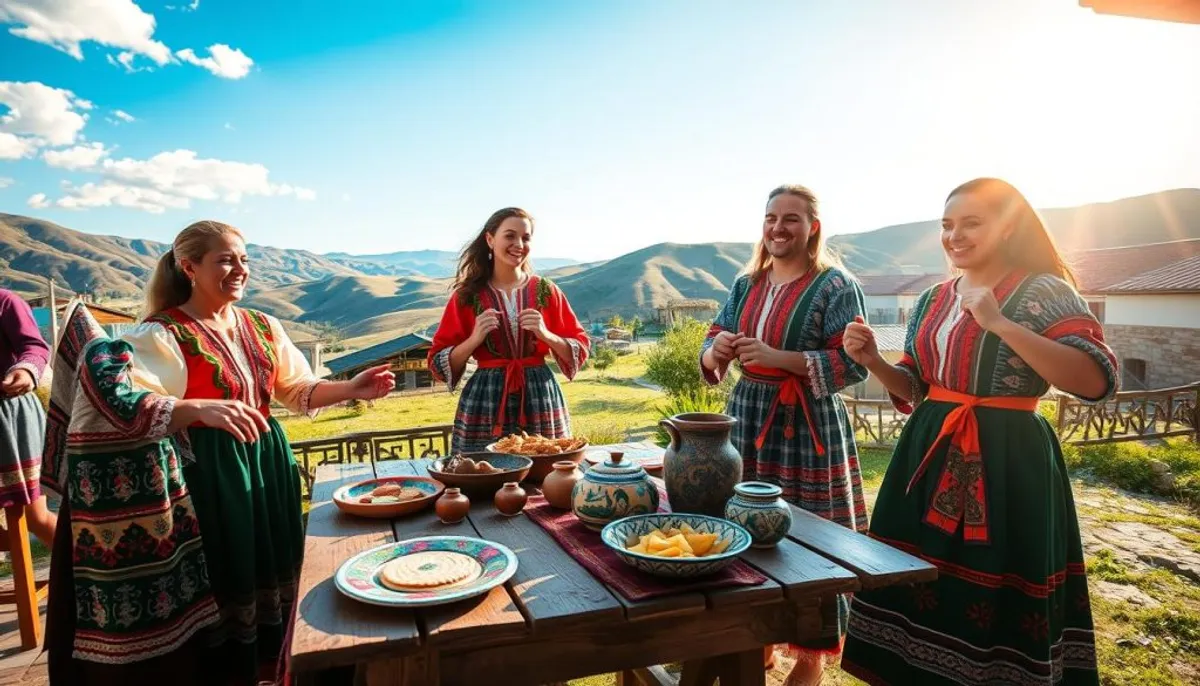
This article guides you to understand the particularities of this culture. You will discover the social codes and daily customs that shape the local way of life.
Understanding these differences before visiting this country is essential. It allows for an authentic and enriching experience at the heart of the Balkan traditions.
We will highlight the importance of hospitality and friendliness. These values deeply characterize this still little-known culture.
Key points to remember
- Albania has a rich and varied historical heritage
- Local traditions blend ancient influences and modernity
- Hospitality is a fundamental value of the Albanian people
- Understanding customs facilitates the integration of visitors
- The country offers diverse landscapes and an affordable cost of living
- Social codes respect deep family traditions
- An authentic experience requires a respectful approach
Exploring Albanian culture: History, Traditions, and Identity
Over the centuries, the Albanian territory has seen great civilizations pass through. This rich history has forged a unique heritage where various influences blend, including the significant contributions of the armenian civilization.
A historical legacy shaped by Greeks, Romans, and Ottomans
Since antiquity, the Greeks established prosperous colonies. The Romans then annexed these territories to their empire.
The Byzantine era brought new religious and cultural influences. Then came the Ottoman conquest, which lasted five centuries.
This period profoundly transformed society. The conversion to Islam left a lasting mark on local traditions.
Centuries-old traditions and the evolution towards modernity
Independence in the 20th century opened a new chapter. Enver Hoxha's communist regime isolated the country from the world.
More than 173,000 bunkers were built between 1975 and 1983. These structures bear witness to a particular era.
Today, this mix of influences creates a unique identity. Ancient traditions coexist with modernity, including the rich heritage of moldovan craftsmanship.
This journey through time explains the current cultural mix. Understanding this history is essential to appreciate contemporary culture.
Social codes and customs at the heart of Albanian life
Daily interactions in Albania follow precise codes that may surprise visitors. These customs deeply shape social and professional life.
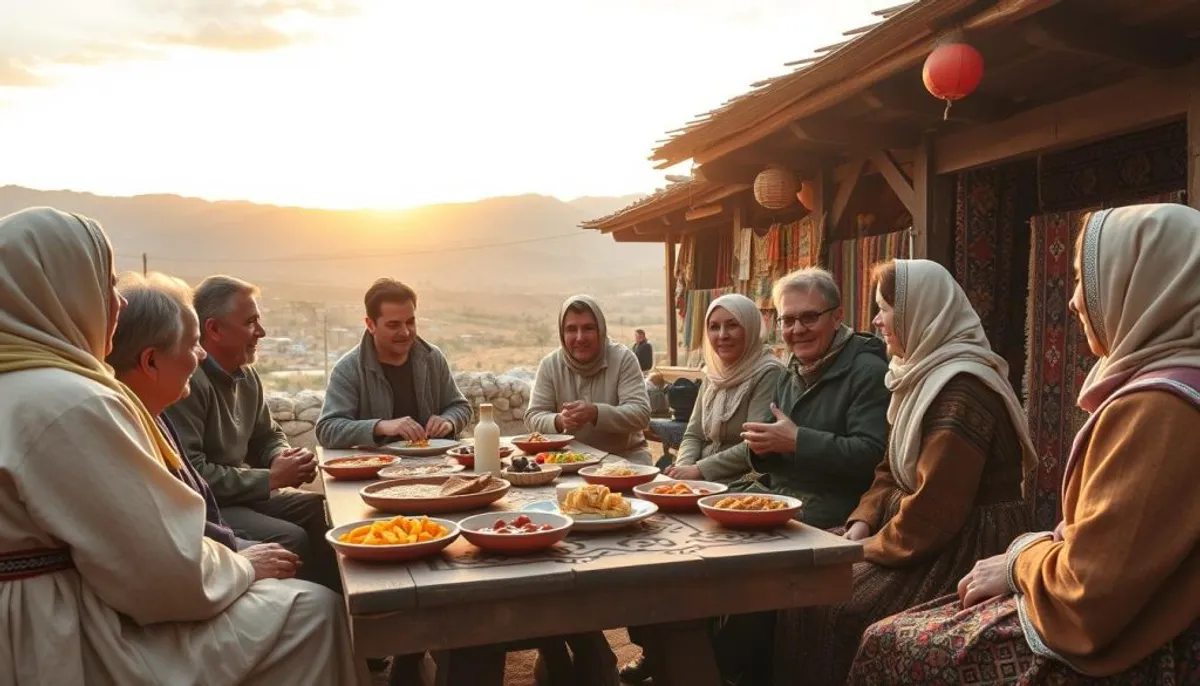
The importance of family, elders, and hospitality
The family occupies a central place in society. Several generations often live together. Important decisions are made as a group.
Respect for elders is fundamental. Young people spontaneously give up their seats on public transport. They also help with daily tasks.
Albanian hospitality is legendary. People easily invite others into their homes to share a meal. This spirit of generosity impresses foreigners.
Rules of conduct in social and professional interactions
Non-verbal communication plays a crucial role. Nodding your head up and down means no. Shaking your head means yes.
At work, punctuality is appreciated but flexible. Meetings may start slightly late. Professional hierarchy is respected.
| Social Aspect | In Albania | In Western countries |
|---|---|---|
| Head nod for "yes" | Shake the head | Nod the head |
| Hospitality towards foreigners | Spontaneous invitation to home | Meetings generally planned |
| Place of elders | Constant respect and assistance | Respect but more independence |
These customs help the many Albanians abroad maintain their traditions. They also guide expatriates in their integration.
Albanian cuisine and way of life
The art of living in Albania is enjoyed as much as it is experienced, with generous cuisine, including elements of fusion cuisine, and warm social rituals. The table is the heart of gatherings and exchanges.
Traditional dishes and appreciation of coffee
Among the emblematic dishes, byrek (stuffed pastry), tavë kosi (lamb with yogurt), and fërgesë are must-tries. Lunch, the main meal, is often accompanied by a fresh vegetable salad.
Coffee holds an essential place. Inherited from the Ottoman period, Turkish coffee is much more than just a drink. It is an excuse for long conversations.
Sharing, friendliness, and daily rituals
Having a coffee or sharing a meal is an integral part of social life. Time is taken to talk, whether among friends or family.
This friendliness is also found in coastal areas, renowned for their excellent seafood. Greek and Italian influences enrich this gastronomy.
| Culinary Aspect | Specialty | Social Role |
|---|---|---|
| Main dish | Tavë kosi, Fërgesë | Family gathering |
| Traditional drink | Turkish coffee, Raki | Socializing among friends |
| Typical accompaniment | Fresh vegetable salad | Complement to the main meal |
Gathering with friends over a glass of raki or an espresso is a cherished ritual for the Albanian people. These simple moments perfectly illustrate an authentic way of life.
Traveling and settling in Albania: Practical guide
This practical guide accompanies you in discovering the social codes for a harmonious trip. Settling in this country requires a good understanding of its particularities.
Tips to avoid cultural faux pas
Adapt your attire according to the context. In rural areas, opt for more conservative clothing. This measure shows your respect.
When visiting, bring a small gift. Refusing offered food can be seen as rude. Sensitive topics like religion should be avoided.
Learning a few words of Albanian facilitates interactions. Simple expressions like “faleminderit” are greatly appreciated. This enriches your local life experience.
Tips for a successful expatriation
Understand the local job market. Adapt to a more flexible way of life. This approach facilitates integration.
Many Albanians speak English in large cities. Gender equality is progressing, but disparities persist. Take these elements into account.
This guide will help you fully enjoy your trip or settlement. The country offers an authentic and enriching experience.
Discovering must-see cities and sites
Albania reveals its urban treasures through fascinating cities that each tell a unique story. The history of georgia is a significant part of the region's narrative. Your journey will lead you to iconic places where historical heritage and modern life blend.
Start your exploration with the country's dynamic metropolises. These urban centers offer a complete immersion in local life.
Tirana, Shkodra, and other dynamic metropolises
Tirana, the capital, serves as an ideal starting point. This city has undergone a spectacular transformation. Its colorful pedestrian streets reveal an architecture blending Ottoman and Italian influences.
Don't miss Skanderbeg Square and the Bunk'Art. These former bunkers transformed into museums tell an important part of recent history. The Blloku neighborhood pulses with the rhythm of lively restaurants and bars.
Further north, Shkodra captivates with its authenticity. Located near its namesake lake, this cultural city hosts major festivals and events. The Rozafa fortress offers an exceptional panorama.
The architectural and historical jewels of Berat and Gjirokastra
Berat and Gjirokastra represent pearls of the national heritage. Their historic center, classified by UNESCO, showcases exceptionally preserved Ottoman architecture.
Berat, nicknamed "the City of a Thousand Windows," enchants with its traditional houses climbing the hills. Its majestic castle dominates the landscape. Gjirokastra impresses with its imposing fortress and typical house-museums.
| City | Specialty | Main Site |
|---|---|---|
| Tirana | Modern urban life | Skanderbeg Square |
| Shkodra | Cultural events | Rozafa Fortress |
| Berat | Ottoman architecture | UNESCO Old Town |
| Gjirokastra | Historical heritage | Fortress |
These must-see places perfectly complement your journey. They will allow you to discover the diversity of Albanian landscapes and heritage.
Cultural events and festivals: Between tradition and modernity
The Albanian calendar vibrates to the rhythm of celebrations that harmoniously blend ancestral traditions and contemporary creativity. These events are special moments where national identity is reinforced.
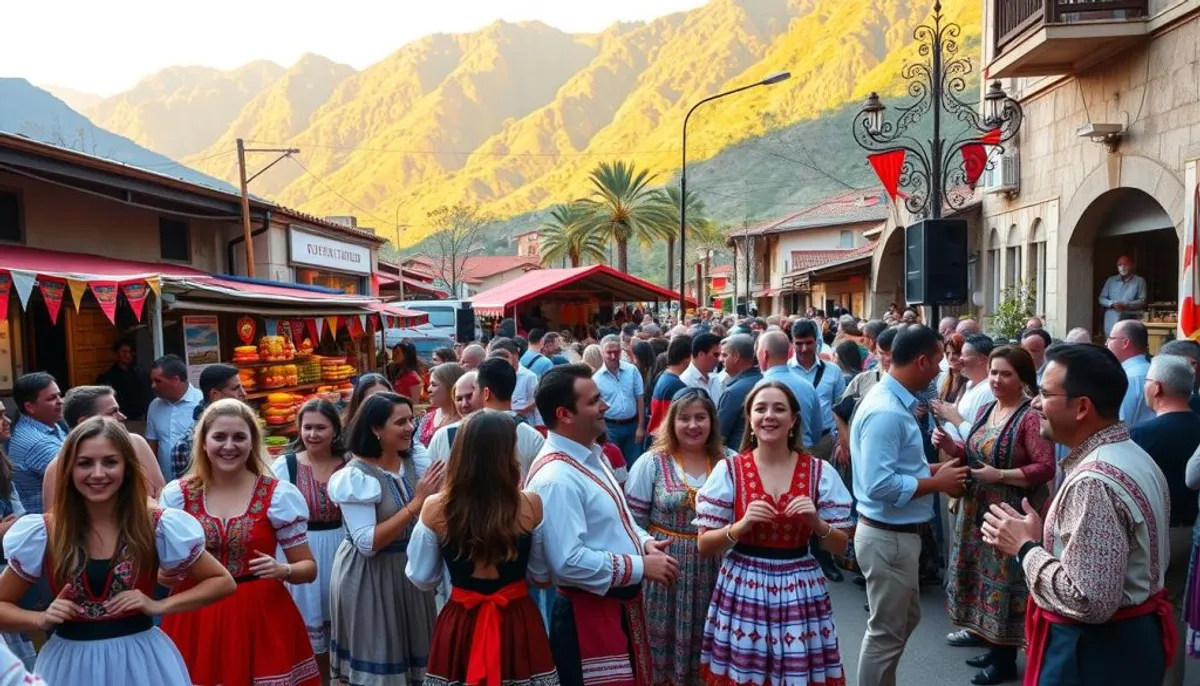
Traditional festivals and major festive events
The festivals punctuate the year with emblematic dates. The month of March is particularly rich with the Spring Festival, Teacher's Day, and Women's Day.
Exceptional religious tolerance allows Muslims and Christians to celebrate together. Traditional weddings can last several days with dances and gift exchanges.
Iso-polyphony and other authentic artistic expressions
Iso-polyphony, recognized by UNESCO, represents a unique musical art. This form of music accompanies significant events in life.
Contemporary festivals like the Shkodra carnival showcase this fusion of heritage and modernity. Local craftsmanship, including costa rican craftsmanship, complements this rich expression.
| Type of Event | Period | Characteristic |
|---|---|---|
| National Festivals | All year round | Historical celebrations |
| Music Festivals | Spring/Summer | Mix of tradition and modern |
| Religious Events | Variable dates | Harmonious coexistence |
Albanian cultural events demonstrate a remarkable balance between heritage preservation and openness to the world.
These artistic expressions unite the different regions of the country. They allow people from around the world to discover this richness during their stay.
Conclusion
Your Albanian adventure awaits you. This country of the Balkans offers a unique experience, rich in a fascinating historical heritage and living traditions.
Understanding these customs is the key to successful integration. Open-mindedness and patience will turn every difference into an opportunity for enrichment.
Engage in local life. Participate in events, taste the cuisine, and learn a few words. The Albanian people are renowned for their legendary hospitality.
Despite the collapse of the old regime and rapid modernization, the unique identity persists. Your journey or expatriation will be much more than just a stay.
It is an authentic immersion in a welcoming culture. Fully embrace this opportunity to discover a country where centuries-old traditions meet the future.
FAQ
What are the main aspects of the historical heritage in Albania?
The Albanian heritage is a fascinating mix of Greek, Roman, and Ottoman influences. You can see this heritage in the architecture of cities like Berat and Gjirokastër, as well as in some customs. This empire of cultures has left a lasting mark on the country's history.
How does Albanian hospitality manifest in daily life?
Hospitality, or “mikpritja,” is sacred. It is evident when you are offered coffee or a meal. People open their hearts and families to guests. It is a very strong tradition, especially in the northern regions.
Which traditional dishes should you definitely try?
Don't miss Tavë Kosi (lamb and yogurt) or Byrek (pastry). Dishes are often shared, creating a moment of conviviality. The culinary journey is an essential part of local life.
What tips should you follow to respect social codes while traveling?
Show respect for elders. Shake hands firmly. At a party or among friends, it is polite to accept what is offered. These rules of conduct are appreciated throughout Albania.
What are the most important cultural festivals?
The Kënga Magjike music festival in Tirana is very popular. In spring, especially in March, many events celebrate the Albanian New Year. Iso-polyphony, recognized by UNESCO, is also honored during festivals.
What are the best places to discover art and history?
Visit the national museums in Tirana and the historical sites in Shkodër. The cities of Berat and Gjirokastër, classified as world heritage, are architectural gems where time seems to have stopped.