
Welcome to the exploration of a heritage of exceptional wealth. This heritage bears witness to millennia of history and living traditions within a fascinating region of Africa.
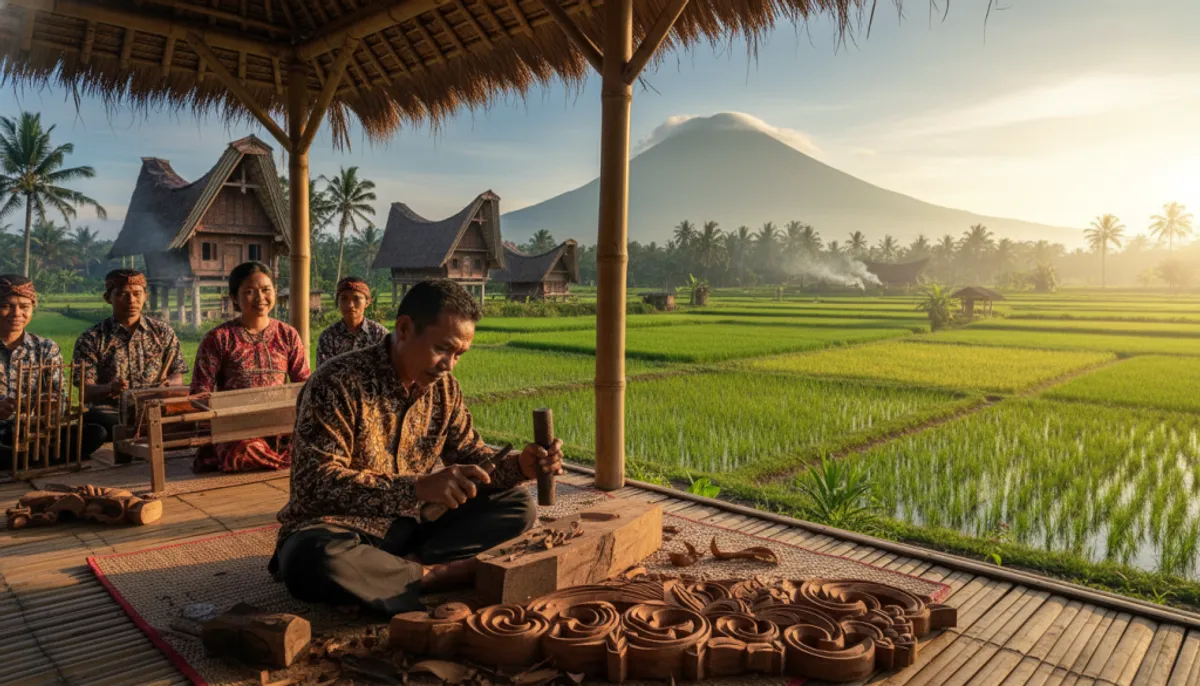
This cultural universe represents the observable practices of about 30 million inhabitants. It is characterized by extraordinary diversity, stemming from over 400 ethnic groups.
This journey will allow you to discover how African, Arab, and Mediterranean influences have intertwined. They have created a unique and complex identity, a true mosaic of languages, arts, and beliefs.
We will examine the different facets of this heritage, from historical kingdoms to contemporary artistic expressions, including the vibrant world of african art. Understanding this identity also means grasping the challenges between preserving traditions and adapting to modernity.
Key Points to Remember
- A cultural heritage of extraordinary wealth and diversity.
- Influenced by a unique blend of African, Arab, and Mediterranean contributions.
- Carried by over 400 ethnic groups and a multitude of languages.
- A heritage that is both ancestral and living, continuing to evolve.
- An exploration that covers ancient history to modern artistic creations.
- Facing contemporary challenges to preserve its authenticity.
General Introduction to Sundanese Culture
Explore the deep roots of an identity shaped by its strategic position. This region occupies a unique place in Africa, serving as a bridge between different worlds, including west africa.
Geographical and Historical Context
The Sudan is located at the crossroads of sub-Saharan Africa and the Arab world. This situation explains the exceptional diversity observed in these countries.
The Nile has always been the vital artery of this civilization. It has allowed the development of sophisticated societies since antiquity.
| Cultural Aspect | Nordic Influence | Southern Influence | Current Result |
|---|---|---|---|
| Architecture | Mediterranean styles | African techniques | Unique mix |
| Languages | Classical Arabic | Local dialects | Multilingualism |
| Cuisine | Oriental spices | Tropical products | Distinctive flavors |
Importance of Cultural Heritage
This heritage transcends national borders. It represents an essential chapter in human history.
The traditions show a remarkable capacity for adaptation. They maintain their authenticity while evolving over time.
This article will help you understand how this wealth has been built. From ancient kingdoms to modern expressions, the south of Africa reveals its secrets.
The Historical Origins of Sundanese Culture
Since antiquity, Sudanese territory has witnessed the birth of powerful kingdoms that shaped its heritage. This rich history dates back over two millennia.
Ancient Influences and Historical Kingdoms
The Kingdom of Kush was one of the first great civilizations. It rivaled pharaonic Egypt in the 8th century BC.
Meroë thrived for over a thousand years. This civilization developed its own writing system and characteristic pyramids.
The period of the Nubian Christian kingdoms profoundly marked the region. Nobatia, Makuria, and Alodia influenced art and architecture.
The arrival of Islam transformed the cultural landscape. The sultanates of Sennar and Darfur created a unique syncretism.
These successive empires explain the complex cultural stratification. The south of Sudan particularly retains this diversity.
Languages and Ethnic Groups in Sundanese Culture
The linguistic and ethnic landscape of Sudan reveals a fascinating diversity that defies imagination. This human richness constitutes a fundamental pillar of regional identity.
Multiplicity of Languages and Dialects
The country has about 70 distinct languages and nearly 600 dialects. This linguistic diversity places the region among the richest in Africa.
The official languages are Arabic and English. They reflect the historical influences of the Arab-Islamic north and the British colonial period.
Among the important local languages, we find Nobiin, Beja, and Fur. Each has its own grammatical structure and oral tradition.
Diversity of Ethnic Groups
Over 400 ethnic groups coexist in this region. Each community brings its unique traditions and values.
The groups of the south, such as the Dinka and Nuer, have developed distinct identities. Southern Sudan alone has more than 200 different ethnic groups.
English often serves as a bridge language between these diverse communities. It facilitates communication in education and interethnic exchanges.
This human mosaic represents an exceptional living heritage. Its preservation remains a significant challenge in the face of modernization.
Traditions, Beliefs, and Religious Rituals
The religious sphere in Sudan reveals a spiritual panorama of fascinating complexity. This diversity reflects the tumultuous history of the region and its multiple influences.
Religious and Spiritual Practices
The northern part of the country presents a dominant Islamic presence with 97% Muslims. Sufism holds an important place here, especially in Khartoum where brotherhoods organize mystical rituals.
In the south, the religious landscape is much more varied. Christianity represents 60% of the population, while traditional religions persist vigorously.
Peoples like the Dinka maintain ancestral belief systems. They venerate deities like Deng, linked to their pastoral way of life.
| Religious Aspect | North Sudan | South Sudan | Observed Syncretism |
|---|---|---|---|
| Dominant Religion | Islam (97%) | Christianity (60%) | Integrated traditional elements |
| Mystical Practices | Sufi rituals (dhikr) | Animist cults | Mix of music and dance |
| Influence on Culture | Application of Sharia | Traditional baptism ceremonies | Unique north-south rituals |
These traditions constitute a precious intangible cultural heritage. They testify to the spiritual richness of this region of the world.
Religious rituals rhythm the daily life of communities. From Ramadan to wedding ceremonies, they create unique spiritual identities.
The Arts and Crafts within Sundanese Culture
Artistic expression is a fundamental pillar of the identity of this African region. Handcrafted creations, including javanese art, transmit ancestral know-how that is an integral part of the intangible cultural heritage.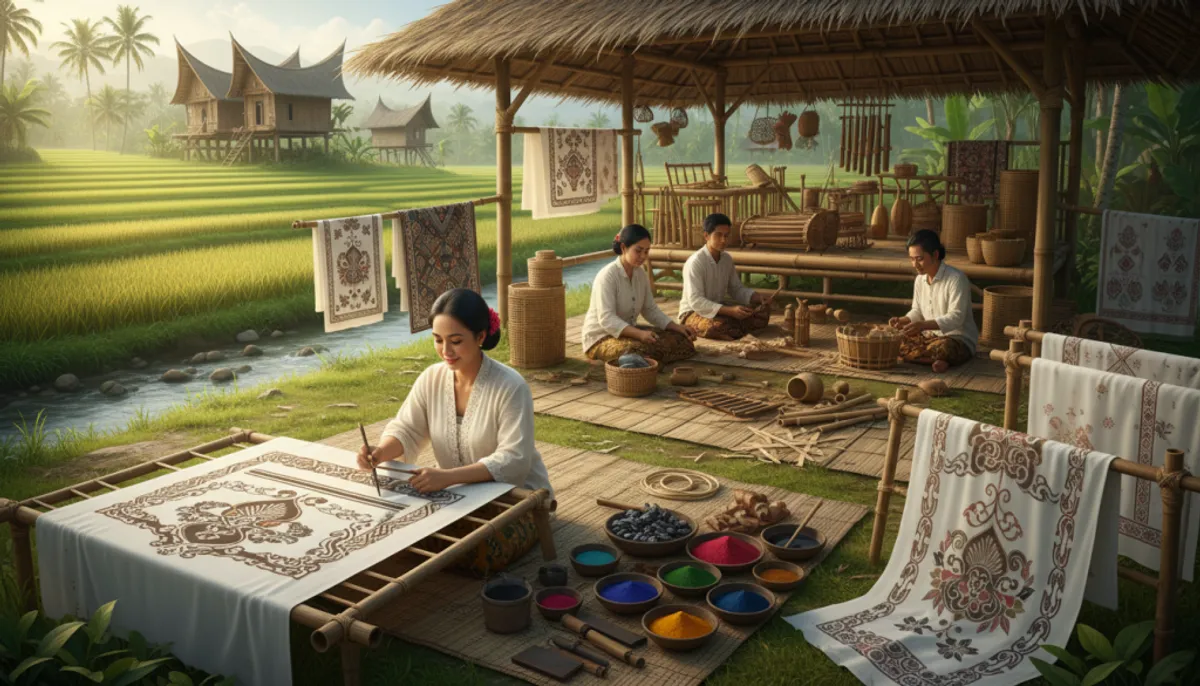
Traditional Crafts and Intangible Heritage
Artisans excel in several traditional fields. Pottery, weaving, and basketry represent major arts passed down from generation to generation.
Unfortunately, many techniques have disappeared since colonization. Globalization accelerates this loss without sufficient documentation.
Women play an essential role in this preservation. They create colorful textiles and woven baskets for everyday use and ceremonies.
Applied and Decorative Arts
Decorated traditional beds are true works of art. They combine functionality and aesthetics with great mastery.
In the south, wood carving and leatherwork produce significant ritual objects. Geometric patterns reveal Arab influences creating a unique fusion.
These decorative arts testify to a keen sense of beauty. Their recognition as vital heritage encourages transmission to younger generations throughout the south of Africa.
Music and Dance: Living Expressions of Culture
The Sudanese musical and choreographic scene offers a vibrant panorama where ancestral traditions meet modern creativity, including urban arts. These arts mark important moments in the community.
Traditional Music and Contemporary Influences
Traditional instruments like the drum and the lyre create unique sounds. Mohammed Wardi and Abdel Karim al Kabli have marked the local musical history.
The new generation of artists like Emmanuel Jal fuses hip-hop and traditions. Their music travels around the world, sharing stories of resilience.
| Musical Aspect | Traditional | Contemporary | Representative Artists |
|---|---|---|---|
| Instruments | Drum, lyre | Electronic, samples | Ibrahim al Kashif |
| Styles | Haoussa, rituals | Hip-hop, afro-beat | Emmanuel Jal, Alsarah |
| Region of Influence | All territory | Urban South | AbulOyay, Yaba Angelosi |
Dances and Ritual Performances
The dances of the Nubians enliven wedding and baptism ceremonies. These performances unite communities during important events of life.
The documentary “Beats of the Antonov” shows how these arts persist even during conflicts. They become symbols of hope and cultural resistance.
Cuisine: A Reflection of Sundanese Traditions
Tasting local cuisine is to understand the history and geography of a country without needing words. Specialties vary significantly from one region to another, creating a rich and diverse culinary map.
This Sundanese cuisine harmoniously blends flavors. It incorporates various vegetables, meats, and spices that tell a millennia-old story.
Typical Dishes and Culinary Processes
The kisra, a thin flatbread made from sorghum, is the staple food throughout the country. It accompanies almost every meal, serving as a base for stews and sauces.
Stews occupy a central place. They combine meats, vegetables like okra, and complex spices. This dish represents an important part of the culinary heritage.
The ritual of jabana coffee is much more than just consumption. Prepared with ginger and cardamom, it is an essential moment of social sharing.
The cuisine of the south stands out distinctly. It uses more freshwater fish, cassava, and sweet potatoes.
| Culinary Element | North | South | Key Ingredients |
|---|---|---|---|
| Main Dish | Meat stews | Fish-based dishes | Beef, goat, Nile fish |
| Staple Grain | Sorghum (Kisra) | Cassava, sweet potato | Sorghum, millet, tubers |
| Characteristic Fruits | Dates | Tabaldi (baobab), mangoes | Desert fruits, tropical fruits |
| Dominant Influence | Arab, Mediterranean | Nile, equatorial | Oriental spices, local products |
In the south, Nilotic traditions profoundly influence eating habits. Tropical fruits like tabaldi are highly appreciated there.
Desserts, such as baklawa, show external influences. They coexist with local sweets made from semolina or cream.
Sundanese Culture in Contemporary Art and Cinema
Contemporary Sudanese artists are redefining the boundaries of modern artistic expression through online malaysian art. Their work combines tradition and innovation with remarkable mastery.
Evolution in Visual and Cinematic Fields
The Khartoum School, born in the 1960s, revolutionized visual arts. It merges Arabic calligraphy and African symbolism.
Pioneers like Ibrahim el-Salahi have gained international fame. Their works circulate around the world, often presented in English.
In the south, the Ana Taban collective uses street art to promote peace. Their message crosses borders after years of conflict.
Local cinema, though modest, has notable figures. Gadalla Gubara documented daily life with authenticity.
These contemporary creations testify to exceptional vitality. They establish a dialogue between the past and the present.
The Impact of Conflicts and Colonization
The dark pages of recent history have profoundly marked the development of this African region. Successive civil wars have created ruptures in the transmission of traditions.
Consequences on Cultural Transmission
The first civil war (1955-1972) broke out even before the complete independence of the country. It pitted the Arabized north against the south African for nearly 17 years.
The second civil war (1983-2005) was even more devastating. It caused over two million deaths and created a generation of lost children.
The Anglo-Egyptian colonization (1899-1956) established lasting administrative divisions. These separations exacerbated differences between the north and south.
The independence of South Sudan in 2011 was supposed to bring peace. But the new country quickly sank into a civil war (2013-2014).
The conflict in South Kordofan, which began in 2011, still affects marginalized populations. It destroys the heritage accumulated over centuries.
The historical slavery and its contemporary manifestations create deep traumas. These practices still affect social relations and human rights.
The Legacy of Oral and Literary Tradition
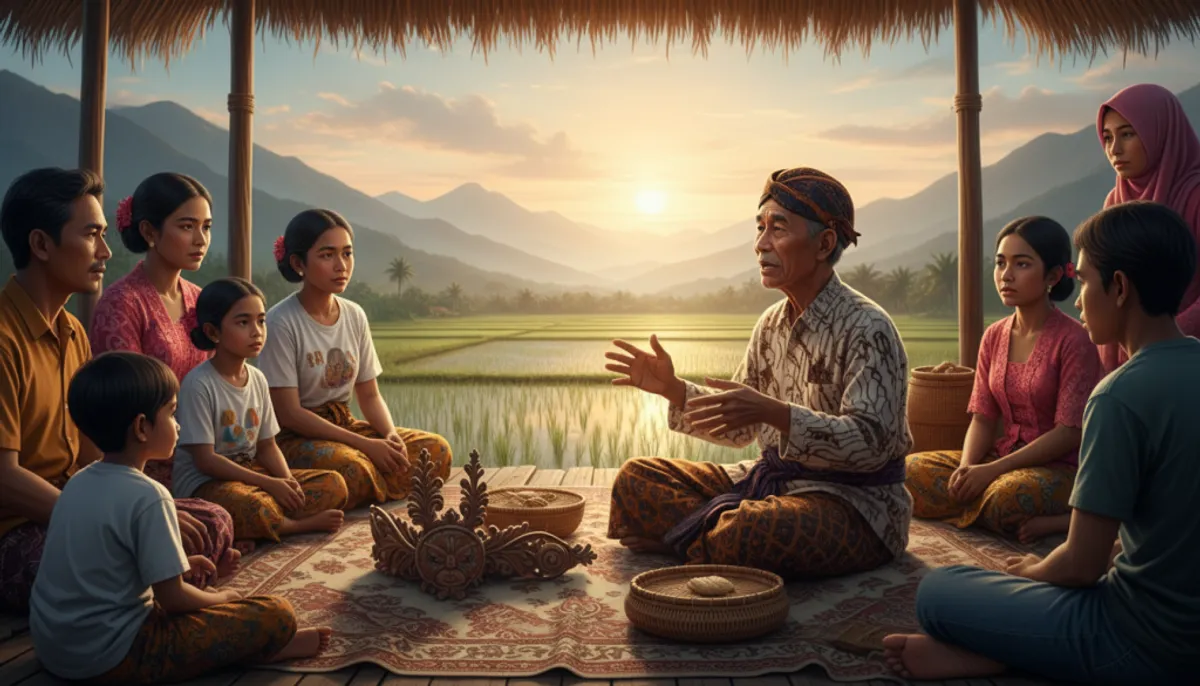
The orally transmitted stories represent a living treasure of the region. This tradition forms the foundation of intangible cultural heritage, passing down tales, myths, and proverbs for centuries.
The works of Enikö Nagy in Kordofan have documented over 2500 testimonies. This collection covers 45 ethnic groups and different languages, saving an invaluable heritage.
Tales, Poetry, and Historical Narratives
Written literature emerged in the 20th century with remarkable authors. Tayeb Salih created “Season of Migration to the North”, considered a masterpiece in the Arab world.
Poetry occupies a central place, serving as an artistic and political expression. Salah Ahmed Ibrahim and Al-Saddiq Al-Raddi illustrate this powerful tradition.
Contemporary writers courageously explore identity complexities. Abdelaziz Baraka Sakin addresses the conflict in Darfur, while Stella Gaitano deals with the challenges of the south.
These narratives reveal how different languages have developed distinct worldviews. This richness forms an essential part of the intangible cultural heritage to be preserved.
Social and Educational Dimensions
The family structure and the educational system form the fundamental pillars of society in this African region. These institutions shape the development of individuals from childhood to adulthood.
Role of Family and Education
The family represents the first school where traditional knowledge is transmitted. Elders teach the young the essential values of community life.
The formal educational system shows marked differences between the north and south. The Islamic University of Omdurman in the north and the University of Juba in the south illustrate this historical duality.
Education in the south faces immense challenges after prolonged conflicts. The lack of infrastructure and qualified teachers hinders the development of young generations.
Institutions like the University of Al Jazirah offer courses on local history. Each university contributes to preserving heritage through academic research.
The Sudan Studies Association, established in 1981, encourages in-depth study of the region. These initiatives help document cultural specifics for future generations.
Cultural Institutions and Museums: Guardians of Heritage
Museums and cultural institutions are essential bulwarks for the safeguarding of Sudanese heritage. They preserve the material and immaterial testimonies of a millennia-old history.
Museums and Exhibitions on Sundanese Culture
The north of the country concentrates most of the museum infrastructure. Khartoum houses remarkable collections of Nubian art and Islamic objects.
The exhibition “Sand in My Eyes: Sudanese Moments” at the MAXXI Museum in Rome revealed the richness of intangible cultural heritage. It showcased 26,000 photos documenting the traditions of Kordofan.
In the south, decades of conflict have hindered the development of permanent institutions. This region is sorely lacking in infrastructure to preserve its heritage.
| Type of Institution | North Sudan | South Sudan | State of Preservation |
|---|---|---|---|
| National Museums | Several establishments | Very limited | Average to good |
| Archaeological Collections | Meroë Pyramids | Poorly documented | UNESCO recognized |
| International Exhibitions | Occasional | Rare | Good visibility |
| Cultural Funding | Limited budget | Almost nonexistent | Major challenges |
Sites like the Meroë Pyramids benefit from UNESCO recognition. However, only one practice is inscribed under intangible cultural heritage.
The development of robust institutions represents a challenge for this country. It requires significant investments in dedicated budget items.
External Influences and Intercultural Exchanges
The unique geographical position of this region has made it an exceptional cultural melting pot. Located between sub-Saharan Africa and the Arab world, it has welcomed diverse influences since antiquity.
Encounters Between African Art and the Arab World
Since the 7th century, the expansion of Islam has intensified exchanges with the Arab world. This period profoundly transformed the north while preserving African traditions.
The Ottoman Empire has left lasting traces in architecture and gastronomy. Baklawa illustrates this culinary fusion still visible today.
The Khartoum School in the 20th century perfectly represents these exchanges. It merges Arabic calligraphy and African symbols into an authentic art.
| Field of Influence | Impact in the North | Impact in the South | Main Period |
|---|---|---|---|
| Architecture | Ottoman and Arab styles | African traditions | 17th-20th century |
| Visual Art | Arabic calligraphy | African symbolism | 20th century |
| Gastronomy | Mediterranean influences | Nile flavors | Multiple periods |
| Institutions | Ottoman administration | Traditional systems | 19th century |
Trans-Saharan trade routes enriched this region for centuries. They brought West African influences that further diversify the heritage.
The French Institute of Sudan today perpetuates these intercultural exchanges. It fosters dialogue between the different artistic traditions of the north and south.
Contemporary Issues and Perspectives for Evolution
Globalization and political instability represent major threats to cultural heritage. These challenges compromise the development of preservation initiatives in both countries.
Challenges of Modernity and Globalization
The situation remains fragile in South Sudan since its independence in July 2011. This young state struggles to build its institutions.
The conflict in South Kordofan, which began in September 2011, continues to affect populations. The famine of 2017 revealed the extreme fragility of the situation.
Widespread corruption constitutes a major obstacle to cultural development. It diverts the resources necessary for preservation.
Heritage Promotion Initiatives
Promising projects are emerging despite the difficulties. The ICCROM-ATHAR program launched in September rehabilitates the historic port of Suakin.
Traditional societies offer relevant alternative models. Their sustainable economies present solutions to the crises of the current world.
The coming years will be decisive for the protection of cultural diversities. Political stabilization would allow for investment in this unique heritage.
Conclusion
Throughout this exploration, the Sundanese heritage reveals itself as a living testament to human creativity. This article has traversed its multiple facets, from ancient history to contemporary expressions.
Despite the challenges of conflicts and globalization, this oromo culture demonstrates remarkable resilience. South Sudan and the north share a common heritage that could serve as a bridge for reconciliation.
Preservation requires concerted efforts involving governments and local communities. Initiatives like the work of Enikö Nagy show that actions are possible even in difficult contexts.
This heritage is not a relic of the past but a living legacy. It continues to evolve and enrich global dialogue from these countries of Africa.
FAQ
What is Sundanese culture?
Sundanese culture encompasses the traditions, languages, arts, and ways of life of the peoples of South Sudan, including the rich swahili culture. It is very rich and diverse, with many ethnic groups such as the Dinka, Nuer, and Shilluk.
What languages are spoken in South Sudan?
Many languages are spoken there. English is the official language, but local languages like Dinka, Nuer, and Bari are widely used daily by different groups.
How has history influenced this culture?
History, marked by colonization, civil war, and the struggle for independence, has profoundly shaped traditions. These events have affected the transmission of intangible cultural heritage.
What are the most important traditional arts?
Craftsmanship, such as basketry and pottery, as well as music and dance are central. These arts are living expressions of the beliefs and history of communities.
What challenges does Sundanese culture face today?
There are many challenges: modernization, the consequences of past conflicts, and the need to preserve heritage. Initiatives aim to promote these traditions for future generations.