
Welcome to your complete guide for a fascinating journey into the heart of an extraordinary country. Here, ancestral traditions and dynamic modernity meet to create a unique experience.
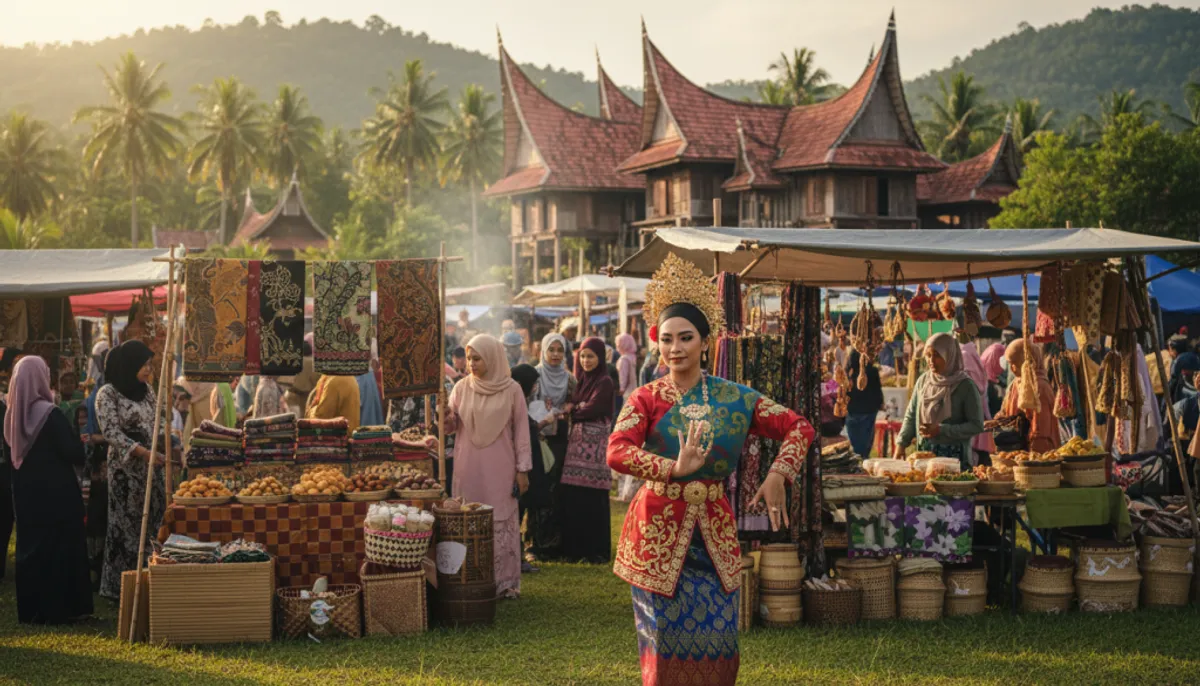
This Southeast Asian nation is a true crossroads, famous for its incredible diversity. It consists of two main territories, Peninsular Malaysia and the eastern part on the island of Borneo.
Over 32 million inhabitants form a multicultural society. This national identity is a harmonious blend of Malay, Chinese, and Indian influences. Each community enriches the culture of the country with its own norms and values.
Whether you are preparing for a trip or simply wish to deepen your knowledge, this guide will accompany you. Discover the many facets of this captivating land, from its gastronomy to its celebrations.
Key Points to Remember
- Malaysia is a Southeast Asian nation made up of two distinct territories.
- Its society is a unique blend of Malay, Chinese, and Indian populations.
- With over 32 million inhabitants, it is a dynamic cultural crossroads.
- The country offers remarkable diversity, both geographically and culturally.
- This guide serves as a comprehensive resource for exploring this rich culture.
- Understanding this multicultural harmony is essential for appreciating the country.
- Exploration can be done by preparing a trip or through online discovery.
The Historical and Social Foundations of Malaysia
The social history of this land dates back millennia of exchanges and intermingling. Different groups have contributed to shaping the unique identity of this nation.
Colonial Influences and Local Heritage
The country has experienced several colonial powers over time. The Portuguese, Dutch, and British have left their mark on different parts of the territory.
These influences blend harmoniously with the ancestral traditions of the inhabitants. This fusion creates a unique richness that fascinates visitors during their journey.
| Ethnic Group | Percentage of Population | Cultural Contribution |
|---|---|---|
| Malays | Majority | Islamic traditions and national language |
| Chinese | Second community | Commerce and Confucian traditions |
| Indians | About 10% | Hindu heritage and Dravidian traditions |
| Indigenous Groups | Significant minorities | Ancestral knowledge and traditional crafts |
Cultural Evolution Over Time
The current population is the result of this millennia-long coexistence. Each community retains its particularities while contributing to the national identity.
This diversity makes every journey an enriching experience. The Malaysian people have developed a society based on mutual respect.
The strength of this nation lies in its ability to integrate different influences while preserving its authenticity.
Today's Malaysians embody this multicultural harmony. Your journey will allow you to discover how Chinese, Indians, and local groups coexist peacefully.
Malaysian Culture: Traditions, Religions, and Rituals
The spiritual landscape of this nation offers a fascinating diversity of religious practices. This rich tapestry of beliefs profoundly influences the daily lives of the inhabitants.
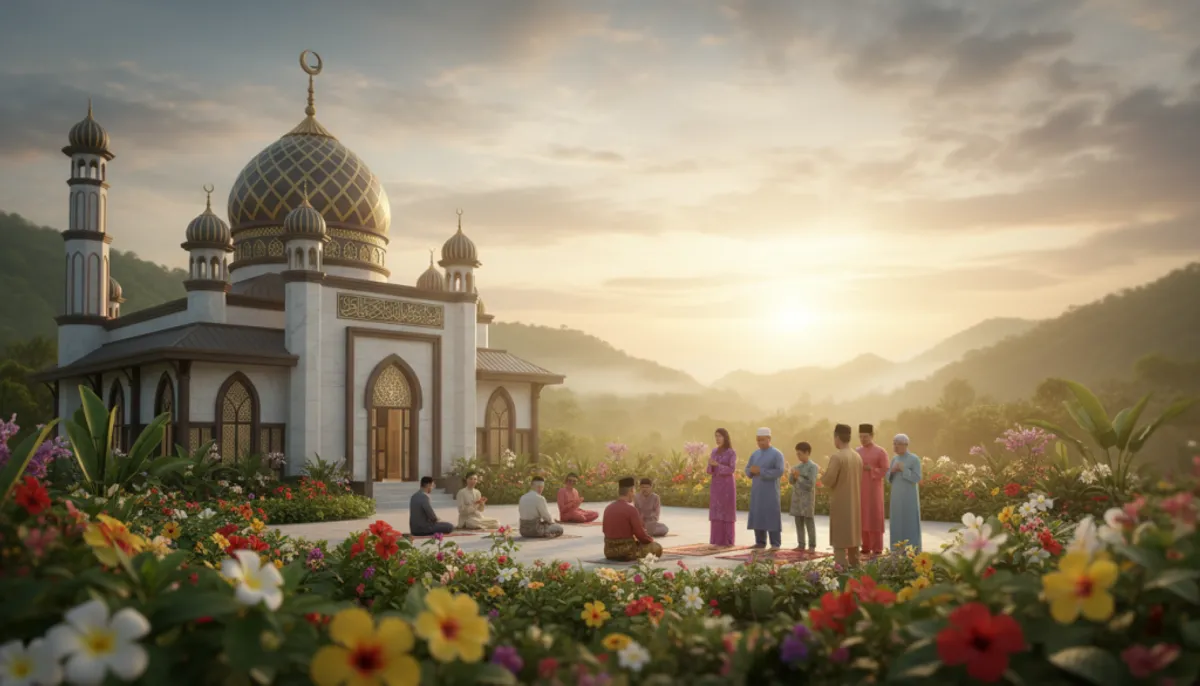
Islam, Buddhism, and Hinduism in Daily Life
Islam represents the state religion, practiced by about half of the population. This religion coexists harmoniously with Buddhism and Hinduism.
The Chinese community primarily practices Buddhism in various forms. The Indians mostly follow Hinduism. Malaysians of different faiths share remarkable mutual respect.
Superstitions, Legends, and Animist Beliefs
Beyond the major religions, ancestral traditions persist. Many animist beliefs still influence the collective spirit.
These beliefs include regional legends and the conviction that souls are reincarnated. In some cases, these ancient practices blend with modern religious rituals.
The Spiritual and Religious Dimensions
The spiritual experience in Malaysia reveals a fascinating mosaic of religious practices. This diversity creates varied spiritual landscapes throughout the country.
The Practice of Islam and Its Regional Specificities
Islam shows significant variations depending on the regions. In some states in the Northeast, religious practice follows strict principles.
A journey in these areas reveals notable differences. Some women wear the full veil, reflecting Salafist influences.
The sale of alcohol is officially prohibited there. However, on certain islands like Perhentian, discreet arrangements exist.
The Influences of Buddhism and Animist Beliefs
Beyond Islam, older traditions persist. The local population maintains deep spiritual beliefs.
Some inhabitants fear Hantu, a malevolent spirit. In this case, they sometimes consult shamans to resolve their issues.
This fact illustrates the coexistence of modern religions and animism. Your journey will allow you to discover this rich complexity.
This part of the national identity enriches every experience in the various islands and regions of the country.
Etiquette and Local Customs
Understanding social codes is essential for a successful immersion in Malaysia. The rules of etiquette form the basis of harmonious interactions in this multicultural society.
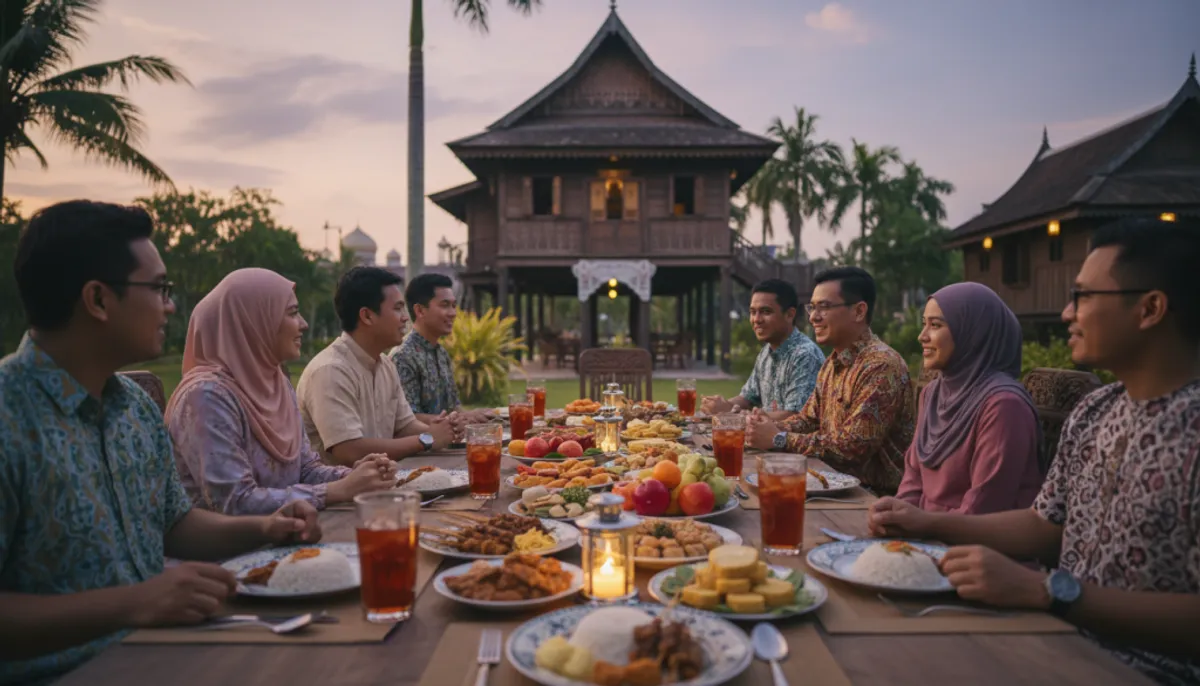
Politeness and Social Etiquette Rules
A greeting does not require a handshake. A simple nod accompanied by a smile is quite sufficient. This discreet approach shows your respect towards Malaysians.
The use of the right hand is essential in all interactions. Use it to eat, give, or receive objects. The left hand is considered impure.
To indicate a direction, avoid pointing at a person. Instead, use your right hand with your thumb extended. This gesture is more polite and better accepted.
Tips for Respectful Interaction with Malaysians
Never touch a person's head, even that of a child. This part of the body is considered sacred. Such a gesture would be perceived as a lack of respect.
Malaysians avoid disputes in public. They expect the same restraint from visitors during their journey. This discretion is valued in all cities of the country.
Always remove your shoes before entering a home. This universal practice shows your consideration for the places. It is one of the basic rules to know.
Flavors and Culinary Traditions
Gastronomic discovery is an essential step of your journey in Malaysia. This vibrant cuisine perfectly reflects the harmonious blend of the country's ethnic influences.
Every meal becomes an opportunity for sharing and conviviality. The authentic flavors transport you to the heart of local traditions.
Iconic Dishes and Local Specialties
Nasi lemak stands out as the must-try national dish. This rice cooked in coconut milk perfectly accompanies your day.
Other specialties like char kway teow or teh tarik complete this culinary experience. This guide will help you navigate through these delights.
| Specialty | Description | Where to Find It |
|---|---|---|
| Nasi Lemak | Coconut milk rice with accompaniments | Everywhere in the country |
| Teh Tarik | Spectacular "pulled" milk tea | Stalls and restaurants |
| Char Kway Teow | Stir-fried noodles with shrimp | Night markets |
Unique and Unusual Tasting Experiences
The fertilized egg offers a memorable culinary adventure. This bird embryo is enjoyed after about twenty days.
In some cases, enthusiasts prefer to savor it in the dark. This surprising fact highlights the importance of flavors.
The durian, a controversial fruit, remains banned in cities and hotels. Your culinary journey often ends with this unforgettable discovery.
A pinch of salt at the beginning of a meal refreshes the palate. This tradition marks the beginning of a feast until the end of the evening.
Language, Expressions, and Daily Communication
Your immersion in this multicultural country naturally involves discovering its languages. The linguistic richness reflects the extraordinary ethnic diversity of the territory.
The Importance of Bahasa Malaysia and English
Bahasa Malaysia is the official language of the nation. This language presents fascinating peculiarities for visitors.
It does not have conjugation, articles, or plurals. This structural simplicity makes it accessible to beginners.
English is widely spoken, especially in cities and tourist areas. Your journey will benefit from this ease of communication.
Beyond these two main languages, Chinese and Tamil complement the linguistic landscape. Each community preserves its specific dialects according to the regions.
Learning a few phrases in Malay will always be appreciated by the locals. Even in large cities where English predominates, this effort shows your respect.
This guide will assist you in every activity of your journey. In rural areas, knowing a few words of Malay becomes particularly useful.
Your experience will be significantly enriched in every part of the territory. Authentic communication transforms your discovery of the country.
Festivities and Cultural Events
To the rhythm of drums and the brilliance of costumes, this nation celebrates its plural identity. Local festivities reveal a remarkable diversity that enchants every visitor.
Traditional Celebrations and Significant Events
August 31st marks a special day in the hearts of the people. This national holiday unites all communities around colorful parades.
The celebrations begin early in the morning and end late at night. Fireworks and concerts animate the public space until the end of the evening.
Music, Dance, and Costumes: A True Cultural Spectacle
The kompang, a traditional drum, sets the rhythm for weddings and festivities. This instrument creates a unique atmosphere during your journey.
Traditional costumes dazzle with their bright colors and precious fabrics. The Indian sari, Chinese cheongsam, and baju kebaya testify to rich traditions.
Participating in these celebrations is an enriching activity. You will discover the authentic warmth of humanity in memorable festive landscapes.
The village spirit permeates every moment of sharing. This guide will help you plan your exploration of the islands during the festivities.
Conclusion
Your exploration of this fascinating country is coming to an end, but your adventure is just beginning. This culture represents a universe where traditions and modernity create a unique experience for every visitor.
This guide has provided you with the essential foundations to understand this richness. From etiquette to festivities, every element contributes to a successful immersion.
Malaysia remains an exceptional crossroads where diversity becomes a strength for its people. Whether your journey is for professional or tourist activities, this understanding will enrich your stay.
Take the time to discover these treasures in all their complexity. You will weave authentic connections with the locals. Your journey will then become a much deeper human experience than mere tourism.
FAQ
What is the main religion in Malaysia?
Islam is the official and most practiced religion in the country. However, you will discover a great diversity of beliefs, such as Buddhism and Hinduism, which are an integral part of society.
What are the essential politeness rules to know?
Respect is fundamental. Always use your right hand to give or receive an object. Avoid touching a person's head, as it is considered sacred. These simple gestures show your understanding of local etiquette.
Is Malaysia a safe country for travelers?
Yes, it is generally a very safe destination. The locals are welcoming. As everywhere, it is advisable to exercise common sense, especially in large cities and very public places.
When is the best time to visit the country?
You can travel almost all year round! The period from late November to late March is often very pleasant. Avoid the monsoon on the east coast between November and February if you are aiming for the islands.
What typical dishes should you definitely try?
The cuisine is a delicious blend of flavors! Don't miss nasi lemak, rendang, or laksa. It is an unmissable culinary experience that reflects the diversity of the people.
Should I learn a few words of Malay before my trip?
It's a great idea! Learning basics like "Terima kasih" (thank you) is greatly appreciated. The national language is Bahasa Malaysia, but English is widely understood in tourist areas.
What are the most important festivities?
There are many colorful celebrations! Hari Raya Aidilfitri, Chinese New Year, and Deepavali are highlights. These traditions are an opportunity to discover the festive spirit of Malaysians.