
Nestled in the southeast of the Arabian Peninsula, the Sultanate of Oman reveals a fascinating treasure. This Muslim country, with its vast deserts and imposing mountains, possesses a unique identity. Its strategic position has always influenced its rich heritage.
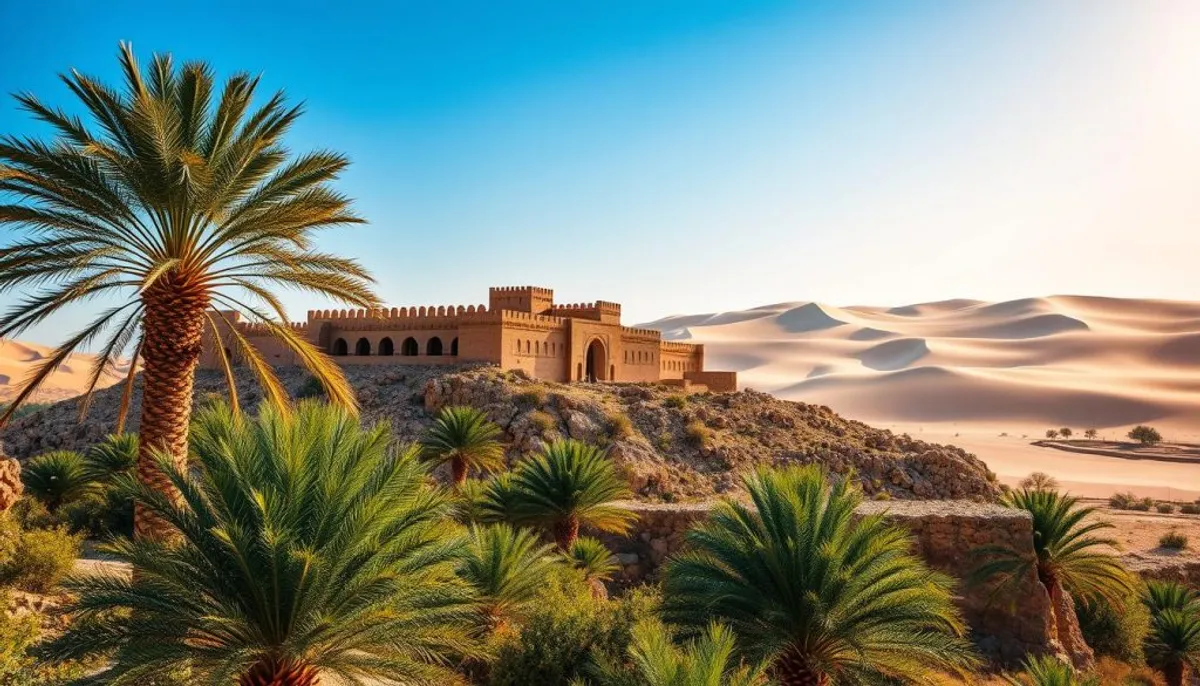
Starting in the 1970s, a major transformation took place. The arrival of oil and the reign of Sultan Qaboos opened a new era. Traditional heritage thus met modernity, creating a remarkable balance.
This article is your guide to exploring this little-known society. We will discover how geography has shaped local customs. You will dive into ancestral traditions and legendary hospitality.
Prepare for a journey to the heart of a world where past and present blend harmoniously. You will understand the values and the art of living that define this people today.
Key Points to Remember
- Oman is a Muslim country with diverse geography (desert, mountains, sea).
- A significant transformation began in the 1970s under Sultan Qaboos.
- The society has managed to preserve its heritage while opening up to modernity.
- The geographical position has greatly influenced traditions and lifestyle.
- Hospitality and craftsmanship are central aspects of national identity.
- The country offers a unique balance between millennia-old traditions and contemporary development.
Historical and Geographical Overview of Oman
At the crossroads of Asia and Africa, Oman occupies an exceptional geographical position that has marked its destiny. This unique situation has shaped a rich and complex history, including elements of maltese architecture that reflect the cultural exchanges over centuries.
Origins and Historical Heritage
The history of Oman dates back to antiquity, when this land of the Arabian Peninsula was already the object of desire. Ancient civilizations, navigators, and merchants created a unique heritage.
The famous Incense Route made the Sultanate a major trading power in the ancient world. This precious resin was exported to Mediterranean markets.
Strategic Position and Impact of Trade
The position of the country, at the entrance of the Persian Gulf and bordered by the Arabian Sea, made it an essential maritime crossroads. Exchanges between East and West profoundly influenced development.
The ramparts, towers, and forts bear witness to periods of conflict. These monuments tell the stories of the desires that this region of the peninsula faced.
The Dhofar region, in the south, was renowned for its boswellia tree plantations. This natural wealth marked the economy and local traditions.
Exploring Omani Culture: Identity and Expressions
The remarkable social cohesion of Oman finds its roots in ancestral principles. This Arab nation unites diverse communities around shared values.
Values and Cultural Practices
The population includes Arabs, Baluchis, and immigrants from Asia or Africa. The majority of Omanis practice Ibadism, a tolerant form of Islam that rejects religious conflicts.
The hospitality inherited from the Bedouins is manifested through the offering of kahwa, a fragrant coffee accompanied by dates. This welcoming gesture embodies a deeply rooted tradition.
The national costume also reflects this identity. Men wear the dishdasha, a white robe often complemented by a ceremonial dagger. Women wear colorful dresses adorned with gold jewelry.
The daily life of Omanis is imbued with these practices. Omani culture maintains a unique balance between ancestral heritage and modernity, creating a harmonious society.
Traditions and Customs in Daily Life
Daily traditions give a unique rhythm to life in Oman. They create a social framework where every gesture has its meaning.
Hospitality and Family Life
The family represents the central core of society. Men and women play well-defined complementary roles.
Hospitality is manifested through the warm welcome of guests. The fragrant coffee and dates symbolize this ancestral generosity.
Friday, the weekly day of rest, is dedicated to prayers and family reunions. These moments strengthen bonds across generations.
Rituals, Religious Holidays, and Special Occasions
The Omani calendar alternates between religious and secular celebrations. Eid al-Fitr and Eid al-Adha are among the most important days.
These celebrations bring the whole family together around traditional meals. Women prepare special dishes according to recipes passed down for centuries.
The traditions surrounding weddings and births follow precise protocols. These events mark significant milestones in life.
Renaissance Day (July 23) commemorates the accession of Sultan Qaboos to power. This secular celebration shows how traditions evolve over time.
Wealth of Heritage and Iconic Sites
UNESCO has repeatedly recognized the exceptional value of Omani heritage. Four remarkable sites are listed as world heritage.
UNESCO Monuments and Historical Remains
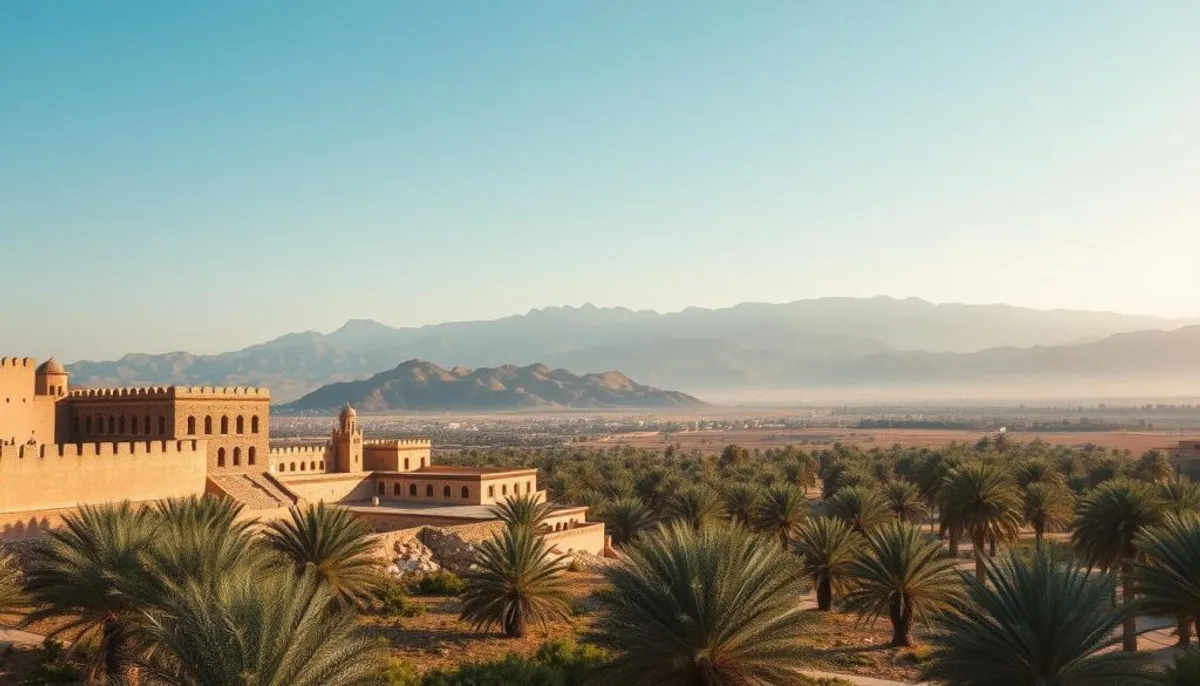
The Bahla Fort impresses with its imposing walls dating back to the 13th century. The archaeological sites of Bat reveal ancient civilizations of the region.
The Land of Frankincense in Dhofar recalls its prestigious commercial history. The aflaj irrigation systems demonstrate millennia-old technical ingenuity.
Museums and Cultural Venues
Omani cities house captivating museums, including luxembourgish museums like Bait Al Zubair. This museum showcases traditional costumes and ancient weapons.
The Royal Opera House Muscat, inaugurated during the reign of Sultan Qaboos, blends traditional architecture with modernity. The forts scattered throughout the mountains tell the defensive history of the country.
A journey to Oman thus offers a fascinating dive into this living heritage. Each site contributes to preserving collective memory while attracting visitors from around the world.
Roles and Social Perspectives within Omani Society
Contemporary Omani society presents a remarkable balance between heritage and modernity. This rapid social transformation has redefined relationships between generations and genders.
The Evolution of the Role of Omani Women
The journey of Omani women illustrates this metamorphosis. A generation ago, they had no access to the job market. Today, they pursue university studies and engage in various professions.
This emancipation finds its roots in the reforms of Sultan Qaboos. His reign propelled the country towards modernity in just a few decades.
The Relationship Between Tradition and Modernity
Men have also seen their lives transformed. The transition from a Bedouin existence to urban life has occurred while preserving cultural identity.
Omani women often express feeling "free within their limits." They reconcile new opportunities with respect for traditions.
Sultan Qaboos invested heavily in education and infrastructure. These reforms are an integral part of the development of the contemporary Arab world.
This rapid evolution has not erased national identity. Rather, it has created a unique society where modernity and traditions coexist harmoniously.
Traditional Arts and Cultural Expressions
The artistic expressions of Oman reveal a millennia-old creativity that transcends the boundaries of time. These forms of traditional arts constitute a living heritage, passed down from generation to generation.Music, Poetry, and Dance
The traditional music scene presents remarkable diversity. The Al-Bar'ah from the Dhofar valleys combines war dance and enchanting percussion.
The Al-Taghrooda, sung poetry of the Bedouins, is shared with the United Arab Emirates. These artistic exchanges strengthen ties between neighboring countries.
Performing arts such as Al-Ayyala blend choreographed movements and poetic recitations. They enliven national celebrations and special occasions.
Craftsmanship, Architecture, and Visual Arts
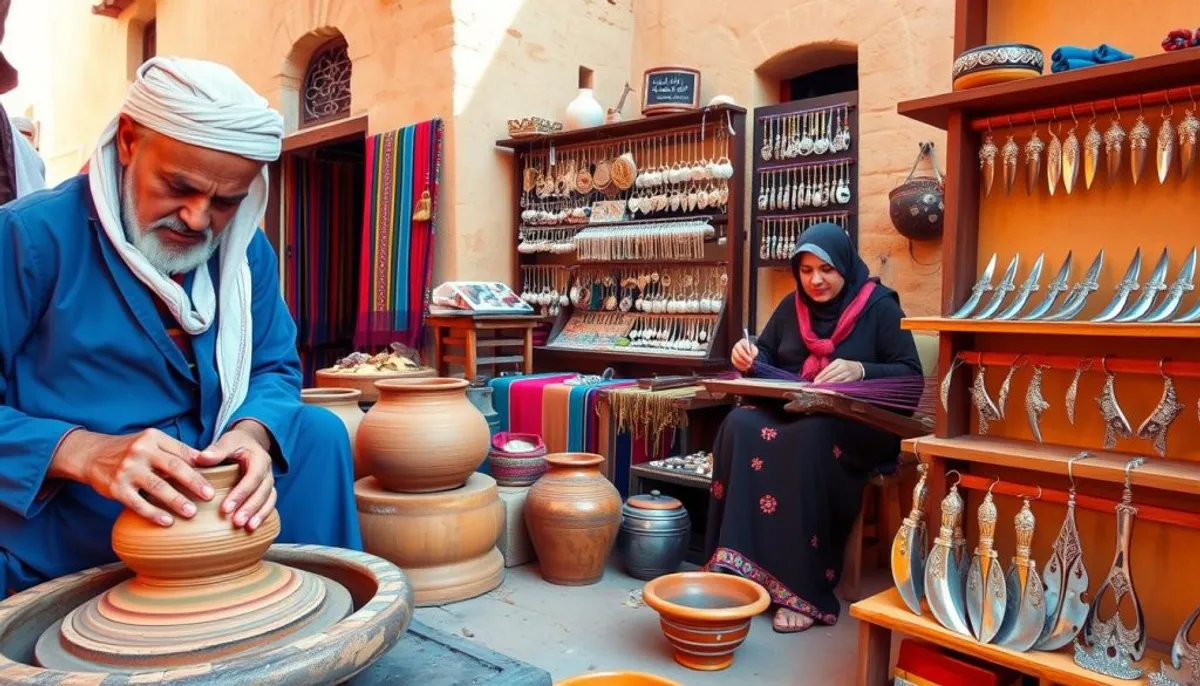
Local craftsmanship excels in silverwork to create refined jewelry. Men wear the kandjar, a finely decorated ceremonial dagger.
Architecture is distinguished by its white houses with clean lines. Historical forts like Bahla testify to ancestral defensive know-how.
These artistic expressions harmonize with the exceptional landscapes of the country. From the desert to the mountains, each region inspires unique creations.
Conclusion
Discovering Oman is to explore a civilization where past and present engage in harmonious dialogue. This journey to the heart of a preserved culture reveals how the Sultanate has managed to maintain its authenticity while evolving with its time.
Each region offers a distinct part of this fascinating national identity. From deserts to mountains, through lush oases, the landscape inspires respect and admiration.
The tradition of hospitality and tolerance embodies valuable universal values. This approach offers an inspiring model of harmonious development.
We encourage you to embark on your own exploration, whether physical or intellectual. Discovering this unique society transforms the perception of the contemporary Arab world.
Oman beautifully demonstrates how heritage and modernity can coexist, creating an enriching experience for any curious visitor.
FAQ
What are the UNESCO World Heritage sites in Oman?
Oman has several remarkable sites inscribed by UNESCO. These include the Bahla Fort, the Land of Frankincense, and the aflaj irrigation system of Al-Ayn. These places testify to the rich history and unique heritage of the country.
How is daily life influenced by traditions?
Life is deeply marked by ancestral customs. Hospitality towards guests is sacred, often symbolized by the offering of dates and coffee. Religious holidays, such as Eid, and special occasions bring the family together for large meals, strengthening social bonds.
What is the role of women in Omani society today?
Omani women play an increasingly active role. They are present in education, health, business, and even politics. The Sultanate encourages their participation while respecting cultural values, creating a balance between tradition and modernity.
What traditional arts can be discovered during a trip?
A trip to Oman is a sensory immersion. You can admire local craftsmanship, such as silver jewelry and pottery. Traditional music and dance, often during festivals, are captivating. The unique architecture of the houses and forts is also a spectacle in itself.
How does geography influence Omani culture?
The diverse geography of Oman – with its desert, mountains, sea, and oases – has shaped its way of life. The Bedouins master life in the dunes, while fishermen live off the ocean. This relationship with the landscape is reflected in traditions, cuisine, and even the colors used in bahraini art.