
Welcome to your comprehensive guide to discovering this fascinating Mediterranean land. Located at the heart of the azure waters, this unique destination is home to approximately 1.1 million inhabitants and holds unexpected treasures for you.
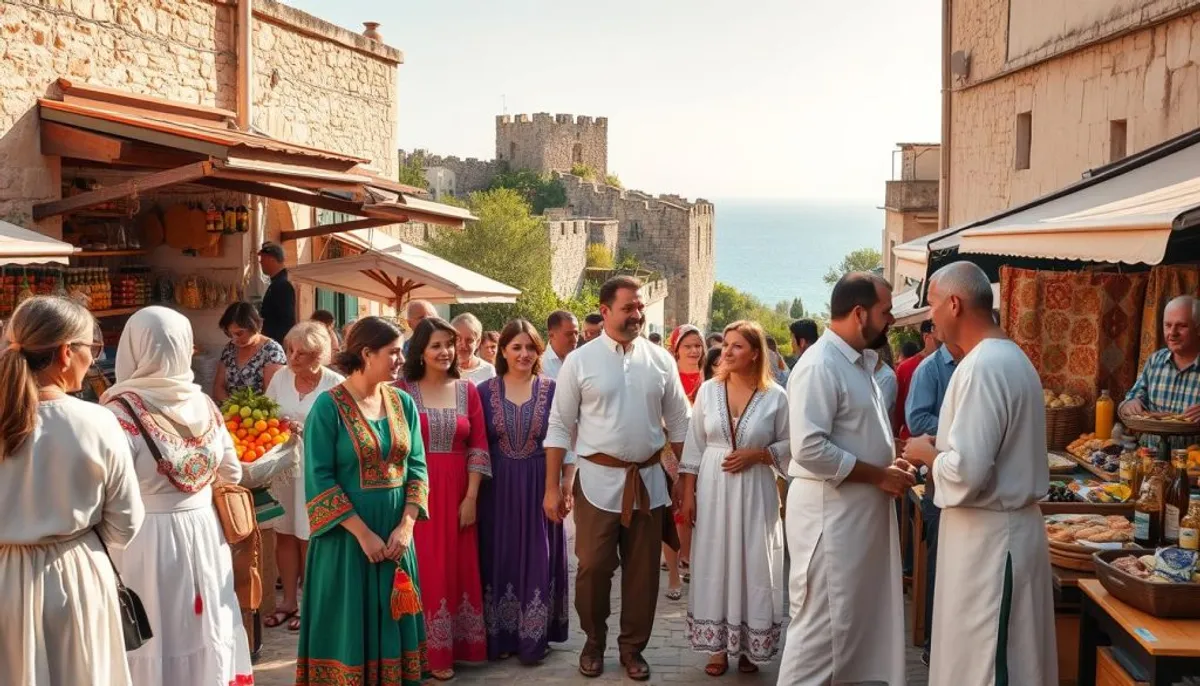
This journey takes you through a millennia-old history, where each stone tells an epic tale. The island has been influenced by the Greeks, Romans, Byzantines, and many other civilizations. This historical wealth creates an exceptional heritage.
You will discover why this territory is considered a true crossroads of civilizations. Its strategic location in the Mediterranean has made it a melting pot where living traditions and authentic ways of life blend.
Key Points to Remember
- Cyprus is a Mediterranean island with a rich history spanning thousands of years
- Its strategic position has made it a crossroads for many civilizations
- The current population is approximately 1.1 million inhabitants
- The cultural heritage combines Greek, Roman, and Byzantine influences
- Living traditions and the Mediterranean way of life are remarkable
- The island offers a unique experience blending history and authenticity
- The warm welcome of the locals enriches the cultural discovery
Introduction to the Ultimate Guide on Cypriot Culture
Dive into the heart of this Mediterranean territory with our comprehensive exploration. This guide accompanies you in a deep discovery of its riches.
Objectives and Scope of the Guide
Our ambition is to provide you with a comprehensive view of this exceptional island. We cover all aspects, from ancestral traditions to modern practices, helping you to create a strong company identity.
You will understand how this small territory has preserved its identity while integrating influences from the world over time. English is widely spoken, facilitating exchanges.
Context and Growing Interest in the Island
The appeal of this destination continues to grow each year. Its sunny climate and quality of life attract visitors and expatriates alike.
This increasing popularity reflects the unique character of the place. The linguistic diversity mirrors its multicultural heritage.
| Aspect Covered | Level of Detail | Target Audience | Practical Use |
|---|---|---|---|
| History and Origins | In-depth | General Public | Contextual Understanding |
| Contemporary Traditions | Practical | Visitors | Cultural Immersion |
| Social Codes | Essential | Expatriates | Facilitated Integration |
| Cuisine | Comprehensive | Foodies | Authentic Experience |
This journey through Cypriot culture promises constant surprises. Our methodical approach ensures a rewarding experience.
Whether you are planning a short stay or a long-term relocation, this content prepares you perfectly. The beauty of the island and its historical significance are unparalleled.
A Journey Through the Centuries: The History of Cyprus
The historical evolution of this island territory reveals a rich and complex past. This history dates back over ten thousand years, making this island a true cradle of civilizations.
Over the millennia, many powers have left their mark. Each period has contributed to shaping the unique identity we know today.
From Neolithic Origins to Ancient Dominations
The earliest traces of human occupation date back to the Neolithic era. The village of Khirokitia, around 9,000 years old, is classified as a UNESCO World Heritage site.
The island has successively belonged to the Hittites, Greeks, Assyrians, and Romans. Each civilization brought its own specific influences.
The Byzantine, Venetian, and Ottoman Influence
The Byzantine period strengthened Greek and Christian roots. Later, the Venetians and Ottomans introduced new architectural influences.
This succession of dominations creates an exceptional heritage. The tumultuous history explains the current diversity.
Understanding Cypriot Culture
The human mosaic of this Mediterranean island reveals a fascinating diversity. This population forms a complex tableau where traditions and modernity intermingle.
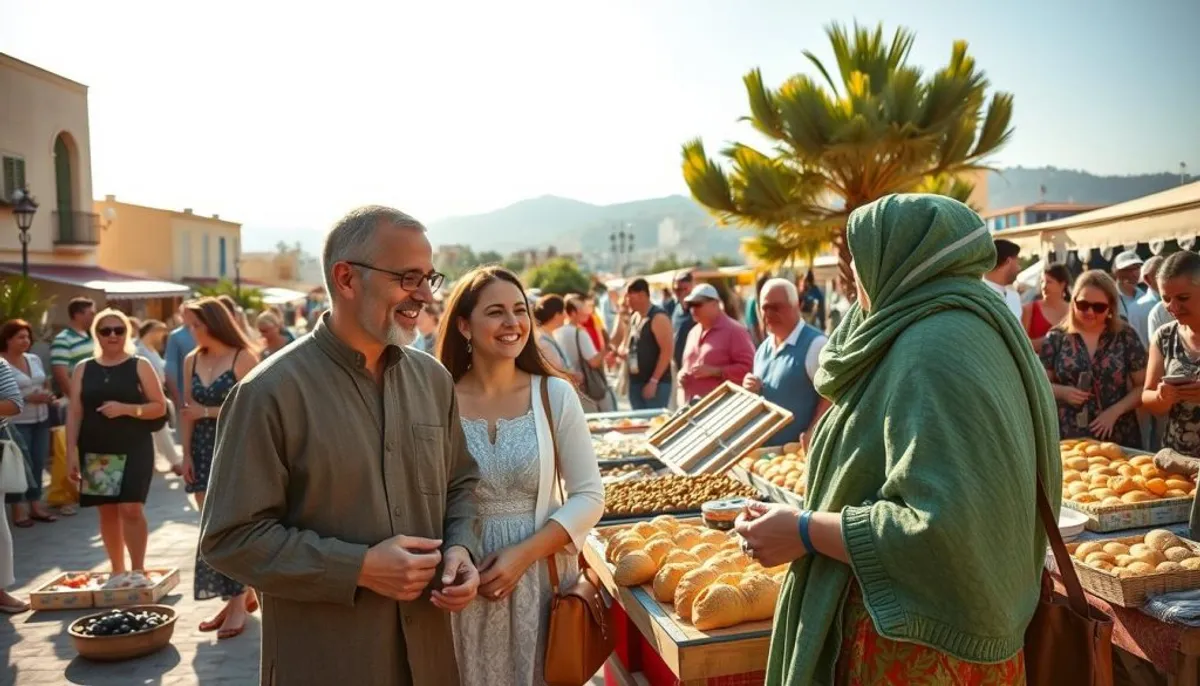
The Specificities of the People and Their Languages
The linguistic distribution shows an interesting duality. About 78% of the inhabitants have Greek as their mother tongue, while 18% speak Turkish.
These two languages have unique characteristics. Local dialects retain archaic elements and mutual borrowings.
English remains widely practiced throughout the territory. This colonial heritage facilitates exchanges with international visitors.
The community also includes Maronite and Armenian minorities. These groups enrich the social landscape of the island.
Religion plays a central role in the identity of the Cypriots. Greek Orthodoxy and Sunni Islam coexist harmoniously.
This diversity creates exceptional richness. Each part of society contributes to this unique Cypriot culture.
Traditions and Rites: Religious Festivals and Ceremonies
Throughout the months, a calendar rich in spiritual events animates society. These religious festivals and latvian traditional festivals mark the passage of time and create remarkable social harmony.The Main Calendars of Festivals and Celebrations
The year begins with New Year's Day on January 1, followed by Epiphany on January 6. This celebration is marked by the blessing of the waters, an ancestral rite.
Easter represents the most important celebration for the Orthodox community. It mobilizes families for several days in the spring.
Summer brings the Assumption on August 15, while autumn celebrates Independence on October 1. Christmas concludes the year with three days of family festivities.
The Importance of Religion in Daily Life
Spirituality profoundly influences the local way of life. Religious festivals punctuate existence throughout the year.
This living tradition offers visitors an authentic immersion. Participating in these celebrations allows for a deeper understanding of the soul of the territory.
Each day of celebration strengthens community bonds. These shared moments create a unique social cohesion in the Mediterranean.
The Art of Living and Etiquette in Cyprus
The art of living on this Mediterranean island is characterized by a unique hospitality found nowhere else in the world. The locals consider welcoming visitors a sacred duty, much like the appreciation for khmer art that reflects a deep cultural heritage.
Cypriot Hospitality and Social Codes
The Cypriots are known for their spontaneous generosity. It would be impolite to refuse a coffee or pastries offered with such warmth.
Social customs place particular importance on respect. Warm greetings mark every encounter in this sunny country.
Family occupies a central place in social life. Sunday meals bring together several generations around convivial tables.
Taking the time for interactions is essential. Rushing is frowned upon; every person deserves attention.
These hospitality customs facilitate the integration of visitors. Understanding these values makes life more harmonious.
Respect for elders remains fundamental among the Cypriots. Their opinions are often sought for important decisions.
Adopting these social codes allows for a better appreciation of this Mediterranean country. Human relationships are truly paramount here.
Cypriot Gastronomy: Flavors and Culinary Traditions
The authentic flavors of this Mediterranean island tell a fascinating culinary story. This cuisine is a true melting pot where multiple heritages and contemporary creativity blend, showcasing the rich tapestry of slovenian gastronomy.Local Specialties and Culinary Influences
The Greek foundation dominates the cuisine, enriched by Turkish, Italian, and British contributions. Cooking methods favor the oven and charcoal grilling.
Meats hold a central place with traditional preparations like oftо kleftiko. This lamb stew with bay leaves symbolizes local culinary art.
Halloumi, a thyme-infused goat cheese often grilled, has become the global ambassador of this gastronomy. Its unique texture delights international palates.
Sharing a meal here means much more than just eating. It is a fundamental social act.
The Central Role of Coffee and Meze
Meze constitutes the heart of local gastronomy. These small, varied dishes transform every meal into a convivial feast.
Turkish-style coffee represents a true social ritual. Coffee breaks punctuate the days and facilitate exchanges.
The millennia-old winemaking tradition produces remarkable wines like Commandaria. This sweet fortified wine is among the oldest in the world.
| Culinary Element | Origin | Traditional Use | Social Importance |
|---|---|---|---|
| Meze | Multiple Influences | Convivial Meal | Very High |
| Turkish Coffee | Ottoman Heritage | Daily Ritual | Essential |
| Halloumi | Local Specialty | Grilled or Fried | National Symbol |
| Traditional Wines | Millennia-old Production | Accompaniment | Cultural |
These culinary traditions offer an authentic immersion into local life. Sharing an extended coffee or tasting meze allows for understanding the soul of this territory.
Exploration of Heritage and Historical Sites
The historical remains scattered across the island tell a fascinating millennia-old saga. This exceptional heritage, including numerous historical sites, makes every visit a true dive into time.
Archaeological Sites and Iconic Monuments
Kourion impresses with its Greco-Roman amphitheater offering a spectacular view of the sea. Ancient Salamis reveals imposing remains that testify to its past grandeur.
Choirokoitia, a UNESCO site, traces the history of this land back 9,000 years. Byzantine monuments like the Agia Napa monastery reveal exceptional artistic beauty.
Traditional Villages and Local Crafts
Traditional villages serve as true living museums. Omodos, nestled in the Troodos mountains, combines stone architecture and wine tradition.
Lefkara is famous for its lace-making art passed down through generations. The cobbled streets of these places preserve an authentic charm.
Exploring these unique places allows you to understand how history continues to shape contemporary identity. Each village reveals a different aspect of this rich heritage.
Expatriation and Integration: Practical Tips
For a successful settlement on this Mediterranean island, understanding local codes is essential. Your daily life will be more enjoyable by adopting certain fundamental customs.
Adapting to Cultural and Dress Codes
The management of time differs here from many Western countries. In a social context, arriving 15-30 minutes late is often acceptable.
For professional appointments, punctuality remains important. This flexibility reflects the “siga siga” philosophy that encourages taking your time.
Your attire should adapt to the context. Casual style is suitable for daily life, while work requires a more formal appearance.
In places of worship, modest clothing is required. Respecting these dress codes shows your consideration for local culture.
Tips for Successful Integration
Accept the generous hospitality of the locals. Drinking coffee or sharing a meal opens important doors.
Avoid sensitive topics like political division. The community appreciates positive and constructive exchanges.
Observe religious traditions even if you do not share them. This respect makes a significant difference in your acceptance.
Your integration into this country requires patience. Relationships are built gradually but lastingly.
The Diversity of Artistic and Cultural Expressions
The artistic expressions of this Mediterranean island reveal exceptional creativity. This cultural vitality is expressed through multiple disciplines that enchant both visitors and residents.
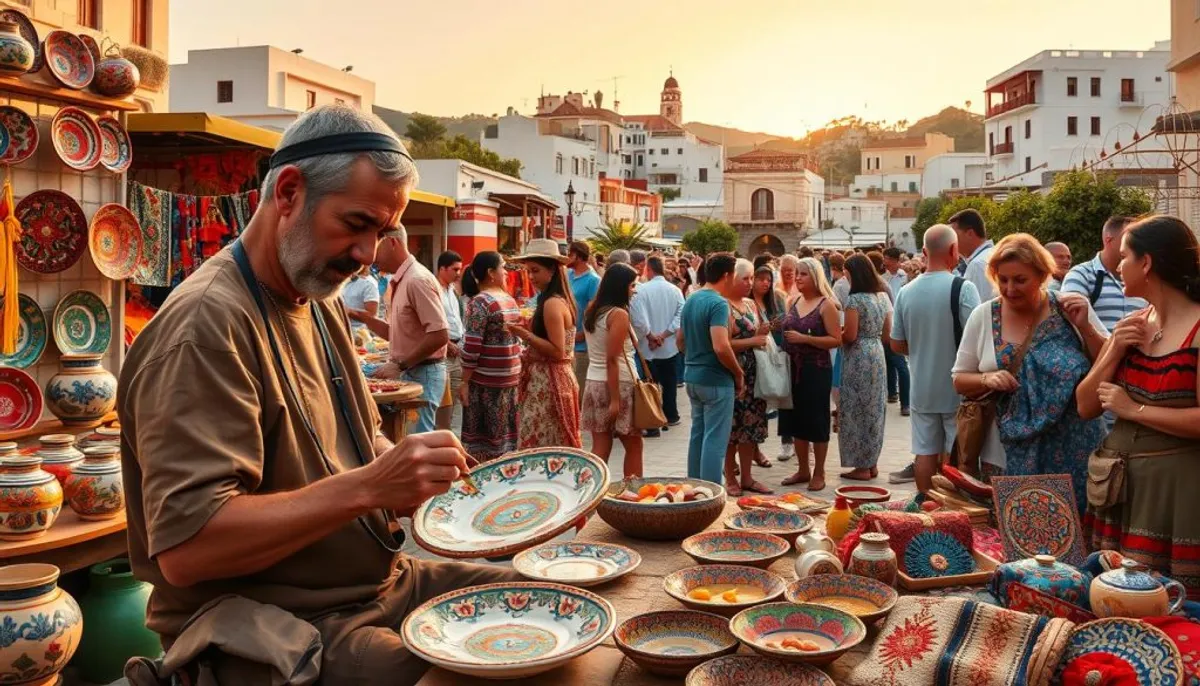
The contemporary artistic scene coexists harmoniously with traditional forms. This fusion creates a dynamic and unique cultural landscape in the Mediterranean.
Music, Dance, and Performing Arts
Traditional music combines Greek, Turkish, and Middle Eastern influences. It is often heard during local celebrations and in taverns.
The sousta dance remains particularly lively during festivals. The Cypriots are eager to invite visitors to participate in these joyful moments.
Our art tells the story of this land through the centuries
Cultural venues like the Rialto Theatre offer performances throughout the year. The Kypria International Festival attracts artists from around the world for several days.
| Type of Performance | Main Venue | Period | Particularity |
|---|---|---|---|
| Contemporary Theatre | Satiriko Theatre, Nicosia | All Year Round | International Programming |
| Traditional Music | Local Taverns | Festive Evenings | Public Participation |
| Visual Arts | Pierides Foundation | Permanent Exhibitions | Local and International Artists |
| Festivals | Multiple Sites | Summer Season | Outdoor Events |
Having a coffee by the sea while discovering these artistic expressions offers an authentic experience. Art in all its forms is a fundamental aspect of island identity.
Conclusion
At the end of this discovery, you have been able to appreciate the uniqueness of a territory with multiple facets. This journey through the island has revealed how millennia-old history and living traditions coexist harmoniously.
From authentic villages to archaeological sites by the sea, every part of the heritage deserves exploration. The unique geographical location explains this exceptional richness.
The Cypriots welcome you with legendary hospitality. Their “siga siga” philosophy invites you to take your time to savor every moment.
Whether your stay lasts a few days or extends into the long term, this experience will transform your view of the world. The island is not just a destination but a true art of living.
Throughout the year, celebrations punctuate the existence of the community. These shared moments create everlasting memories.
This guide accompanies you day after day in your exploration. Have a great journey to the heart of this exceptional land!
FAQ
What are the main influences that have shaped the island over the years?
The island's heritage is very rich, encompassing a blend of traditional heritage marked by Greek, Byzantine, Venetian, and Ottoman influences. Each period has left its mark on architecture, cuisine, and local customs, creating a unique blend.
How is hospitality manifested in everyday life?
Hospitality is at the heart of social relations. It is common to be invited to share a coffee or a glass of wine. The locals are very welcoming and enjoy sharing their traditions with travelers.
What typical dishes should one absolutely try during a stay?
The local gastronomy is a true delight. Don't miss the meze, an assortment of small dishes. Halloumi, grilled cheese, and kleftiko, slow-cooked meat, are must-tries. Traditional coffee is also a unique experience.
What religious festivals animate the calendar each year?
Celebrations such as Orthodox Easter are very important. They bring the community together around rituals, processions, and large meals. These moments are opportunities to discover the fervor and local customs.
Where can one best admire craftsmanship and traditional heritage?
The villages in the interior are perfect for this. You will find Lefkara lace, pottery, and weaving. These preserved places offer an authentic journey through art and history.
Does the geographical location of the island influence its culture?
Absolutely. Its position in the Mediterranean has made it a crossroads of civilizations. Proximity to the sea influences cuisine, landscapes, and even the very relaxed and outward-looking way of life.