
This fascinating culture finds its roots at the end of the 10th century. It truly flourished in the 16th century, a period rich in exchanges.
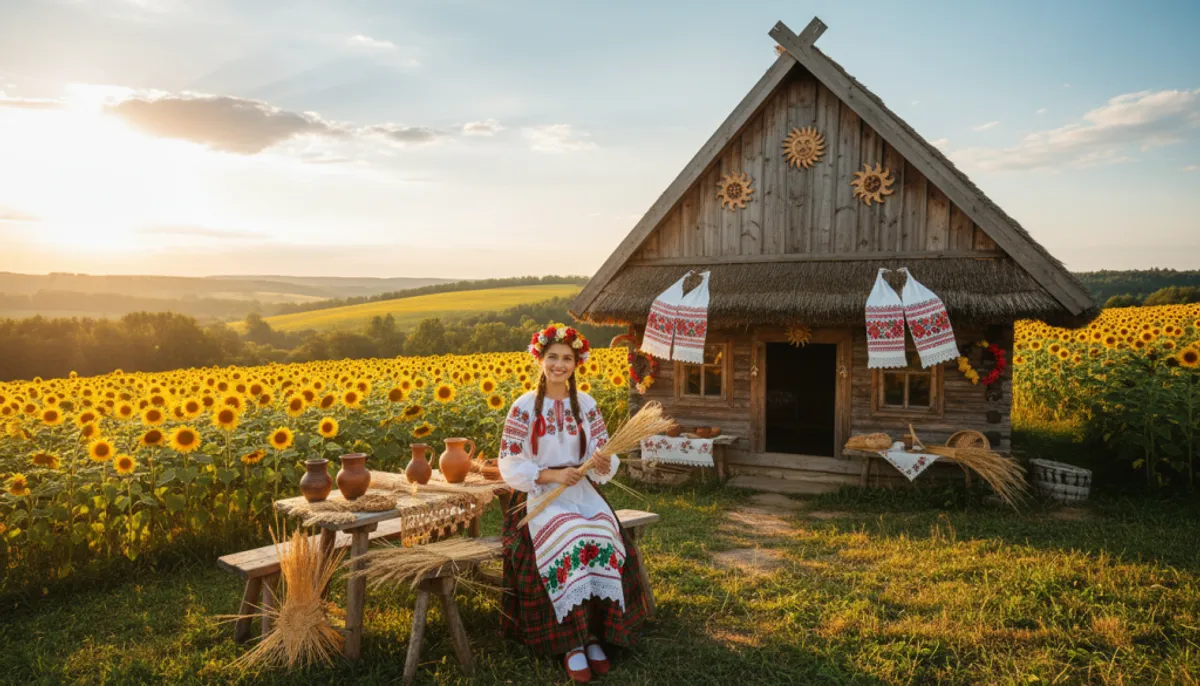
The heritage of this country is a unique blend of influences from various horizons. These multiple contributions have shaped an exceptional national identity.
Each era has contributed to enriching this cultural treasure. Visitors today discover this wealth through museums, theaters, and festivals.
Ancestral traditions remain very much alive. Popular rites, craftsmanship, and local gastronomy form the heart of this preserved identity.
Folk music and traditional dances testify to a know-how passed down through generations. This precious link unites the past and the present.
Key points to remember
- Historical development since the 10th century
- Multiple and varied influences
- Rich and preserved cultural heritage
- Living and authentic traditions
- Strong and unique national identity
Historical origins and multicultural influences
At the heart of Eastern Europe, an exceptional medieval state has lasting marked the fate of these lands. The Grand Duchy of Lithuania dominated a vast part of the continent from the 13th to the end of the 18th century.
From the Grand Duchy of Lithuania to the Russian Empire
This multilingual state used Ruthenian as its administrative language. The partitions of 1772, 1793, and 1795 redistributed its territory among the great European powers.
The majority returned to the Russian Empire. It is within this framework that modern concepts of nation were born at the beginning of the 19th century.
The medieval legacy and European influences
The 1860s were crucial for identity affirmation. People then developed a distinct national consciousness in the face of dominant influences.
| Historical period | Main influence | Contribution to identity |
|---|---|---|
| 13th-18th century | Grand Duchy of Lithuania | Administrative and linguistic base |
| End of 18th century | Territorial partitions | Integration into the Russian Empire |
| Beginning of 19th century | National concepts | Emergence of modern identity |
This rich history has created a unique heritage at the crossroads of Slavic and European worlds. Each period has left its mark on the present-day country.
Festive traditions and popular rites
Throughout the seasons, unique festivities enliven the social landscape of the country. These moments bring communities together around ancestral practices.
The celebrations offer varied activities that strengthen social ties. They preserve a living and authentic culture.
Traditional holidays and local festivals
The night festival of Kupala is also known as Alexandria Gathers Friends. This summer celebration attracts enthusiastic participants.
Flowers hold an important place in traditional decorations and crowns. Participants seek the legendary fern flower Pararats-Kvetka.
Rituals and cultural symbols
The rituals around the Kupala bonfire create a magical atmosphere. They symbolize purification and renewal.
These practices show a deep connection with nature. They blend Slavic mythology and local traditions.
Flowers and plants play a central role in these rituals. Once a year, these celebrations revive ancient customs.
Craftsmanship and artistic expression in Belarus
The skilled hands of artisans perpetuate an exceptional artistic heritage. This living heritage has traversed centuries with remarkable technical mastery.
Ancestral know-how
Weaving is one of the most emblematic practices. It produces textiles with traditional geometric patterns that adorn local interiors.
The work of wood represents a particularly developed ancestral art. Artisans patiently carve utilitarian and decorative objects.
Glassblowing requires exceptional skill of the hand. This technique allows for the creation of delicate and colorful pieces.
Traditional and contemporary music
Music occupies a central place in national life. Folk songs resonate during village festivities.
Traditional instruments like the tsymbaly create melancholic melodies. They evoke the deep soul of the people.
The artistic scene has produced internationally recognized talents. Marc Chagall and Svetlana Alexievich illustrate this creative richness.
Contemporary music skillfully fuses traditional influences and modern sounds. It reflects the evolution of the country while respecting its roots.
Nature, heritage, and UNESCO World Heritage sites
Four national parks preserve unique ecosystems in the heart of Europe. These protected spaces offer a total immersion in landscapes of preserved beauty.
The national parks and preserved spaces
Belovezhskaya Pushcha represents a natural treasure of global importance. This primeval forest is home to one of the last populations of bison in Europe.
The country has three other sites listed as World Heritage. The Mir Castle and the Nesvizh Castle testify to a rich architectural past.
Outdoor activities are numerous and varied. Hiking, wildlife observation, and water excursions attract a growing number of visitors.
These natural spaces demonstrate a commitment to environmental conservation. They offer a reconnection with authentic nature, away from intensive urbanization.
The wealth of heritage is a major asset for sustainable tourism. History and nature meet harmoniously here.
Belarusian cuisine: flavors and culinary traditions
The aromas of traditional cuisine tell a rich story of culinary exchanges. These culinary traditions are a fundamental element of the country's culture, skillfully blending Baltic, Slavic, Jewish, and German influences.
Iconic dishes and local recipes
Culinary traditions rely on simple locally grown ingredients. The potato occupies a central place in daily life and serves as a base for many preparations.
The draniki represent the most iconic dish. These delicious potato pancakes are traditionally enjoyed with sour cream.
The kletski perfectly illustrate family cooking. These fluffy dumplings, often stuffed, warm up during harsh winters.
The babka is another remarkable example of creativity. This grated potato pie develops a golden crust in the oven.
Traditional drinks complete the tasting experience. Kefir and kvass are consumed daily, reflecting a deep connection with local products.
Contemporary challenges of "Belarusian culture"
Contemporary Belarus navigates between heritage and modernity. This tension creates a fascinating landscape where traditions and innovations coexist.
Modernization and urban projects in Minsk
The capital shows a remarkable transformation. Old factories become vibrant creative spaces.
These changes give a new place to modern art. They attract a dynamic young generation.
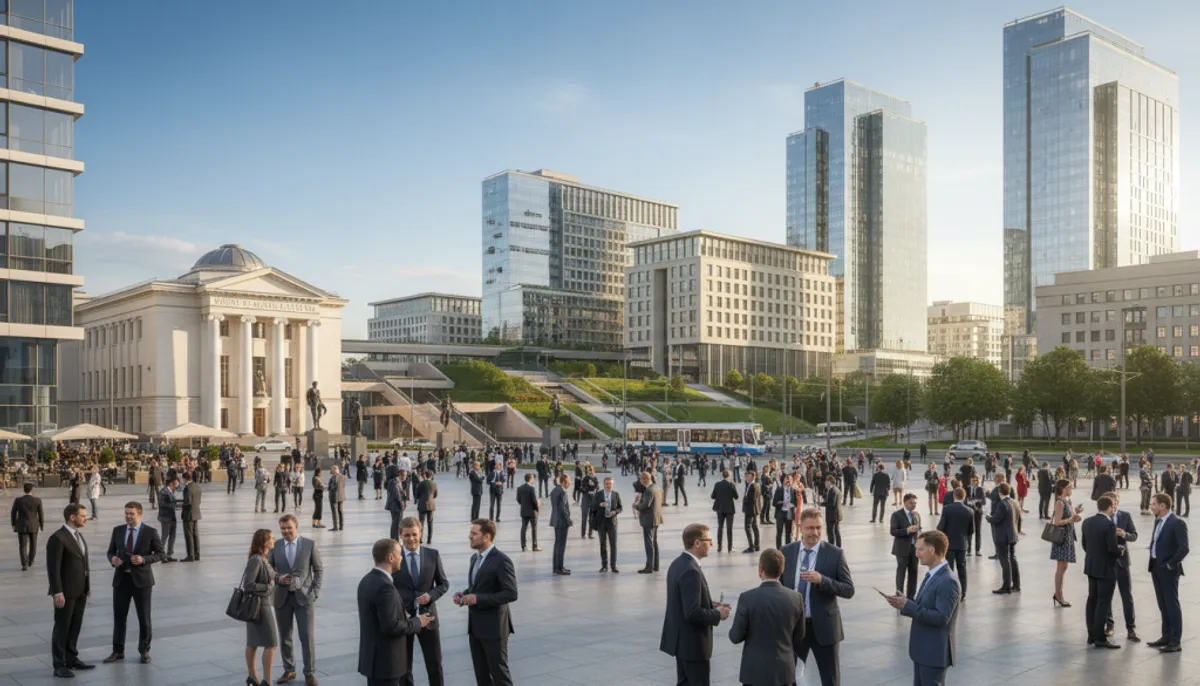
The National Library symbolizes this ambition. With its 23 floors, it offers modern cultural services.
Its panoramic platform reveals a city in transformation. This building embodies the vision of the country for the 21st century.
The impact of international influences
The global world profoundly affects artistic expressions. Local creators engage with international trends.
This openness brings both opportunities and challenges. It raises questions about the preservation of authenticity.
| Cultural aspect | Modern influence | Preservation challenge |
|---|---|---|
| Urban architecture | Facade renovations | Maintaining historical character |
| Creative spaces | Innovative business centers | Access for independent artists |
| Infrastructure | Improvement of communications | Balance with the environment |
However, artistic life encounters political constraints. State control limits certain expressions since the end of the last century.
Despite this, an alternative scene persists. It seeks its voice between heritage and modernity.
Identity and languages: a multilingual heritage
The linguistic landscape of the country reveals a fascinating duality between tradition and modernity. This reality profoundly shapes the national identity and the daily life of its inhabitants.
The use of Russian and Belarusian in daily life
Russian largely dominates urban and administrative spaces. People naturally use it in commerce and media.
Belarusian retains an important symbolic place. Often associated with rural areas, this historical language represents the soul of the country.
The majority of the population is proficient in both languages. This skill becomes an asset in various social contexts.
The debates surrounding linguistic identity
The question of the official name illustrates these tensions. "Belarus" is preferred over "Belorussia" to mark a distinction.
The choice of language goes beyond simple communication. It touches on deep political and identity issues.
| Usage context | Dominant language | Social significance |
|---|---|---|
| Administration and business | Russian | Modernity and openness |
| Rural world and traditions | Belarusian | Authenticity and roots |
| Mixed daily life | Bilingualism | Contextual adaptation |
These debates date back to the beginning of the 19th century. They continue to define contemporary identity through the choice of languages.
Belarusian identity and reflections on the Soviet legacy
A fascinating paradox characterizes this nation: a gentle population coexists with a rigid political system. This duality finds its roots in the recent past of the country.
The independence gained in 1991 did not erase decades of Soviet influence. State structures and urban planning still bear this imprint.
Influence of past policies and ideologies
The 20th century played a decisive role in shaping modern identity. The Soviet period profoundly marked social organization.
Commemorative monuments and architecture testify to this historical continuity. They recall an important part of the national journey.
The collective memory remains divided on the interpretation of this era. Some value stability, while others denounce restrictions.
| Aspect of society | Positive perception | Critical perception |
|---|---|---|
| Political organization | Stability and order | Excessive centralization |
| Economic development | Rapid industrialization | Persistent state control |
| National identity | Pride in the Soviet past | Suffocation of traditions |
This ambivalence still influences daily life and contemporary debates. Understanding this complexity is essential to grasp the current reality.
The country navigates between heritage and modernization. This tension largely defines its unique political culture.
Social codes and daily life in Belarus
To truly understand this country, one must grasp the unwritten rules that govern social interactions, including the fascinating bulgarian customs. Daily life follows precise codes that may surprise visitors.
Greeting practices and hospitality
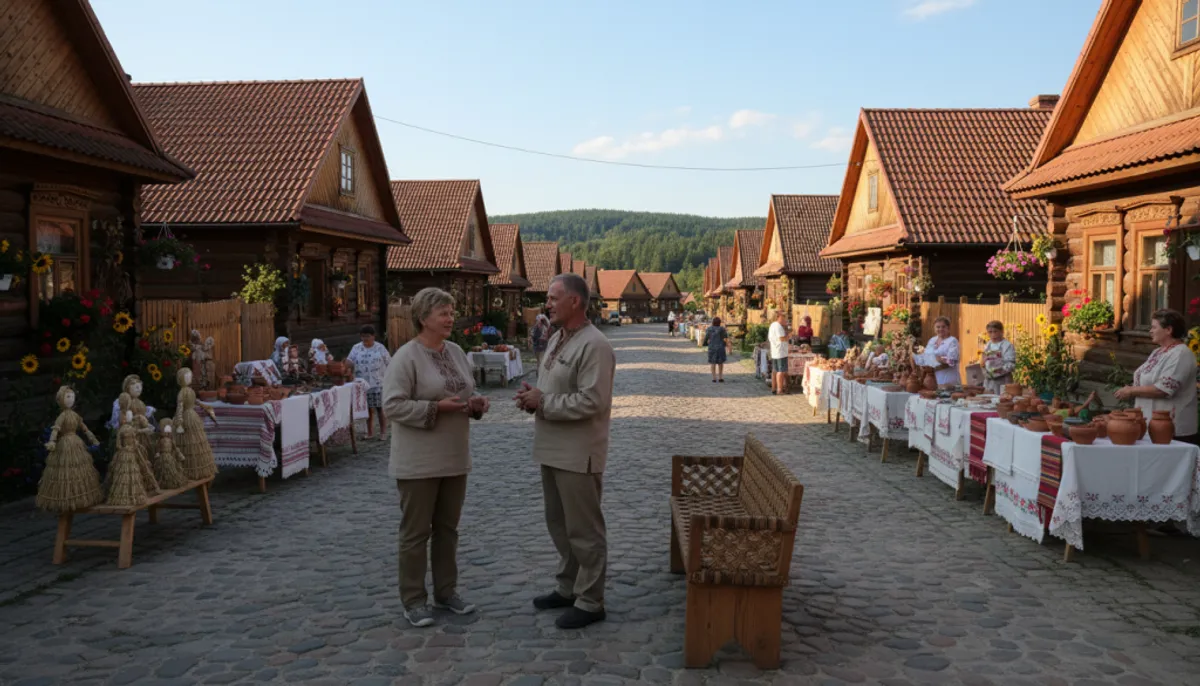
Local people show a polite reserve that hides a deep warmth. A firm handshake often accompanies professional meetings.
Respect for elders occupies a central place in this society. Giving up one's seat on public transport is a good concrete example.
The family represents the heart of the social structure. Several generations often live under the same roof, creating strong bonds.
Local hospitality is legendary. When invited to someone's home, one removes their shoes at the entrance. Bringing a small gift is considered polite.
The offering of flowers follows strict rules. An odd number of stems is mandatory, with even numbers reserved for sad occasions.
Public transport offers efficient and inexpensive services. Discretion is required, with conversations kept at a low volume.
For renting accommodation, certain reflexes are essential. Requesting a detailed written contract protects all parties.
Leisure activities often revolve around the countryside. Many own a dacha where they cultivate a garden.
This connection to the land shows a deep attachment to nature. It forms the basis of a balanced lifestyle.
Once trust is established, the initial reserve gives way to lasting friendship. These social codes facilitate the integration of expatriates.
Conclusion
At the end of this exploration, one thing is clear: this little-known heritage holds an unsuspected wealth. Since the beginning of its history in the 10th century, this culture has managed to preserve its essence while evolving.
The living traditions and distinctive identity testify to a remarkable capacity for adaptation. The central role of arts, including traditional dance, and customs permeates the daily life of the inhabitants.
The country faces contemporary challenges between heritage and modernity. The role of the state and issues of cultural rights remain current concerns.
Despite these complexities, this unique cultural expression continues to shine in the world. It offers an authentic experience that deserves to be discovered beyond prejudices.
FAQ
What are the main historical influences on Belarusian culture?
Belarus has been shaped by several great powers. The Grand Duchy of Lithuania brought ties with Europe. The Russian Empire then had a strong influence. These periods created a unique blend of traditions and cultural influences in the country.
Can you name an important traditional festival?
Of course! The Kupalle festival is very popular. Celebrated during the summer solstice, it is filled with songs, dances, and ancient rituals. It honors nature and the cycle of life. It is a highlight of the year for many families.
What is the status of languages in Belarus today?
Belarusian and Russian are both official languages of the state. Russian is very present in daily life and business. However, Belarusian remains a strong symbol of national identity and is experiencing a resurgence of interest.
Are there UNESCO World Heritage sites?
Yes! The Belovezhskaya Pushcha National Park is a listed site. This ancient forest is a treasure of nature. The Mir Castle and the Nesvizh Castle are also listed. They testify to the rich architectural history of the country.
How is Belarusian hospitality manifested?
Hospitality is very important. It is common to offer bread and salt to guests, a symbolic gesture of welcome. People are generally very warm and generous. Sharing a meal is an essential part of their culture.