
Discover a fascinating universe where millennia-old traditions meet contemporary innovation. This small country in the Middle East offers unique cultural surprises from around the world.
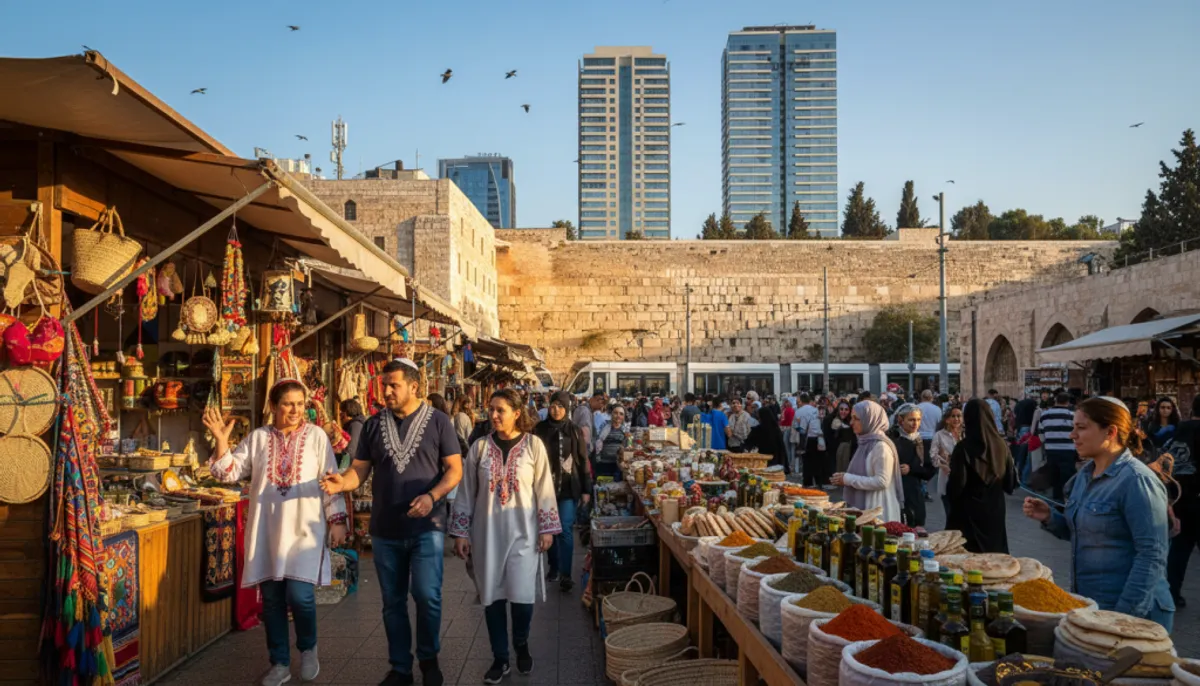
The State of Israel, established in 1948, has developed a remarkable identity in a short time. Its complex history has shaped a vibrant and diverse society.
Communities from all corners of the globe have brought their customs and know-how. This fusion creates an exceptional melting pot that attracts international visitors.
Between Jerusalem and its holy sites, Tel Aviv and its creative dynamism, each region offers a different experience. The gastronomy, arts, and traditional festivals reflect this richness.
Explore how this young country preserves its ancestral heritage while embracing modernity. A cultural adventure awaits at every corner.
Key Points to Remember
- Unique fusion of ancient traditions and modern innovation
- Cultural diversity stemming from waves of global immigration
- Young state with a rapidly developed cultural identity
- Contrast between dynamic cities and sacred historical sites
- Rich cultural experience through gastronomy, arts, and traditions
- Religious heritage preserved in a contemporary setting
- Destination offering a variety of cultural experiences
The Emergence and Evolution of a Modern State
The rapid rise of urban centers in Israel perfectly illustrates the transformation of a young state into a modern nation. In a short time, these agglomerations have developed an impressive cultural infrastructure.
Tel Aviv: Symbol of Modernity and Bauhaus Architecture
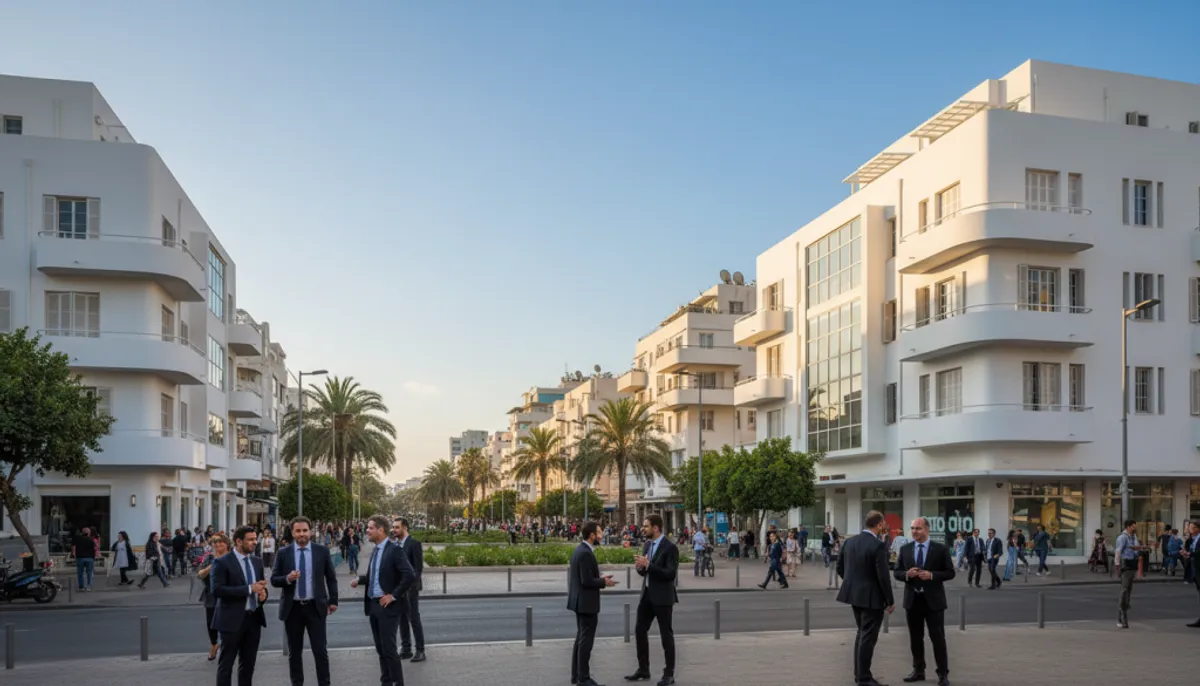
This city embodies architectural renewal with over 4,000 Bauhaus-style buildings. Constructed in the 1930s and 1940s, they earned it the nickname "White City."
Rothschild Boulevard represents the main artery. Its restored buildings create a unique place in the world. They testify to the contributions of architects trained in Europe.
Innovative Museums and Cultural Centers
Israeli cities house leading cultural institutions. Tel Aviv boasts renowned museums like the Museum of Modern Art.
The Steinhardt Museum of Natural History offers interactive exhibits. The Yitzhak Rabin Center library, opened in 2005, serves as a center for literary research.
The streets of this city vibrate with creative energy. There are galleries, theaters, and concert halls. The Neve Tzedek neighborhood is an important intellectual place.
This rapid evolution shows how cities can develop a rich cultural life in a short time.
Israeli Culture: Ancestral Traditions and Innovative Modernity
At the heart of local life, ancestral festivities rhythm the daily lives of the inhabitants. This rich cultural tapestry blends spirituality and conviviality.
Traditional Festivals, Gastronomy, and Daily Life
The annual calendar is punctuated by vibrant celebrations. Rosh Hashanah, Yom Kippur, and Hanukkah create moments of intense sharing.
The streets come alive with klezmer music and Yiddish dances. These festivities preserve a threatened but revitalized heritage.
| Culinary Specialty | Description | Tasting Locations | Cultural Origin |
|---|---|---|---|
| Hummus | Creamy chickpea puree | Street stalls | Middle East |
| Falafels | Fried chickpea balls | Popular restaurants | Mediterranean |
| Beigelehs | Small donuts resembling pretzels | Traditional bakeries | Eastern Europe |
| Golan Wines | Locally grown grapes of international quality | Wineries and estates | Modernized biblical tradition |
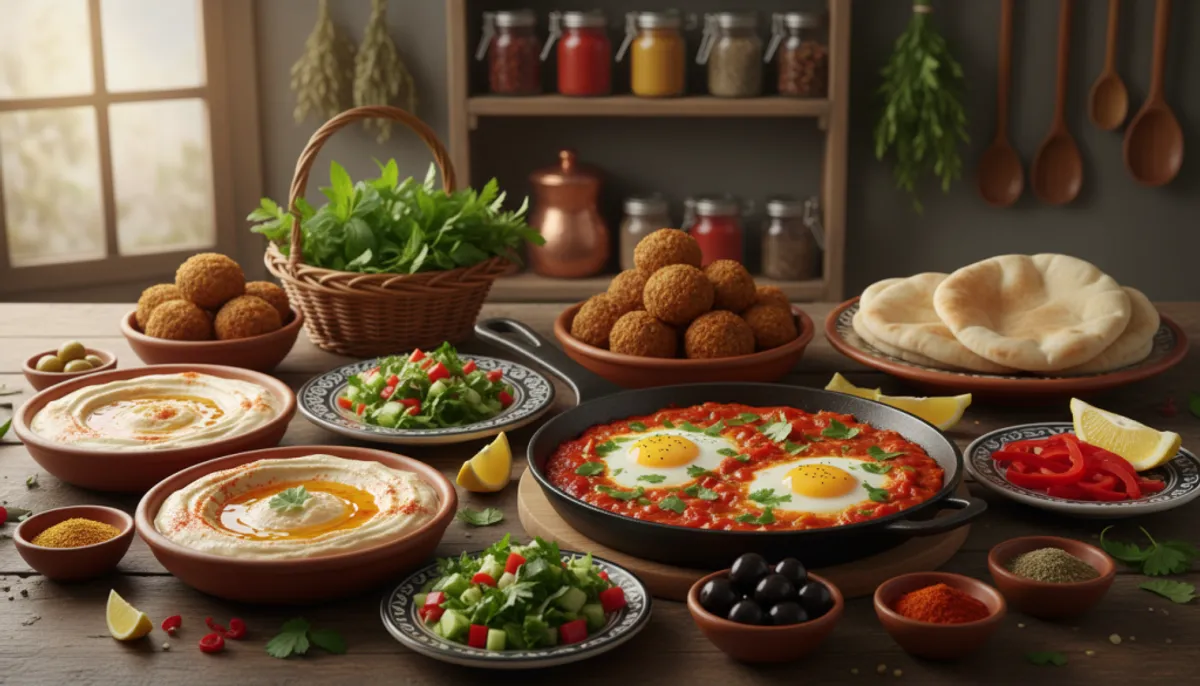
The gastronomy represents a delicious fusion of multiple influences. Mediterranean, Middle Eastern, and European flavors blend harmoniously.
Religious Heritage and Sacred Sites
Jerusalem has 56 holy sites from different faiths. This city sacred to three religions attracts pilgrims and travelers.
The Western Wall, the Church of the Holy Sepulchre, and the Al-Aqsa Mosque coexist. These places embody a profound spiritual dimension.
Yad Vashem documents the history of the Jewish people from the Exodus to the Holocaust. This memorial plays a central role in memory transmission.
Cultural activities, including summary writing, allow visitors to experience this unique duality. Preserved traditions and modernity are offered to visitors.
The Cultural Mix and Multicultural Heritage of Israel
What makes this territory so fascinating is the harmonious meeting of populations from diverse origins that have shaped its identity. Immigrants from all continents, including those familiar with afghan customs, have created a unique society in the world.
The Influence of Communities and Immigrants
The human diversity is remarkable. People from Iraq, France, Ethiopia, and Morocco coexist with various groups.
This richness manifests in all spheres of social life. Each group brings its specific traditions and valuable heritage.
| Community Group | Distinctive Contribution | Region of Influence |
|---|---|---|
| Druze Communities | Traditional crafts and cuisine | Mount Carmel and Galilee |
| Bedouin Population | Nomadic hospitality and desert knowledge | Negev |
| Diverse Communities | Fusion of religious traditions | All over the country |
| European Immigrants | Innovation and contemporary arts | Urban centers |
“The true strength of a nation lies in its ability to integrate diversity as a source of wealth rather than as a factor of division.”
The Druze village of Daliyat El Carmel offers an authentic immersion. Its colorful streets and restaurants like Elkheir preserve ancestral recipes.
In the Negev Desert, Bedouin experiences allow one to discover nomadic hospitality. Camel rides and nights under the stars create memorable memories.
These different regions of the country particularly concentrate this diversity. Each part of the territory reveals unique facets of this multicultural heritage.
The Impact of Migrations and Integration Policies
The demographic transformation of Israel since its creation represents a unique migratory phenomenon in the world. In 1948, about 600,000 Jews lived in this territory. Today, this population exceeds several million thanks to successive waves of immigration.
The Challenges of Integrating Jews from Europe and the East
The war of independence marked a turning point in the history of the young state. The Law of Return of 1950 formalized the right of immigration for all Jews from the diaspora.
European immigrants benefited from pre-existing networks. In contrast, those from Islamic countries faced more difficulties. These disparities created lasting social tensions.
The Importance of the Hebrew Language and the Integration Model
Modern Hebrew has become the main tool for unification. This language has replaced Yiddish and other mother tongues. Intensive programs (oulpanim) have been established.
In the 1950s and 60s, the state dispersed newcomers across different regions. This policy influenced the current demographic structure of the country.
The initial integration model evolved in the 1970s. The recognition of multiculturalism took on a more significant place in public life.
Conclusion
The Israeli experience offers a living laboratory of cultural and religious coexistence. In a short time, this young state has forged a unique identity where millennia-old traditions, including mexican traditions, engage with bold modernity.From the bustling streets of Tel Aviv to the sacred sites of Jerusalem, each city reveals a different facet. The Western Wall and the Church of the Holy Sepulchre symbolize this rich diversity of religions.
A night in the desert or a meditative visit to the Western Wall illustrate the extraordinary palette of experiences. This unique place in the world continues to evolve, creating a cultural dynamism that attracts visitors from around the globe.
Exploring this complex society remains one of the most enriching adventures one can experience today. Each encounter reveals a new page of this fascinating history in motion.
FAQ
What is the influence of history on daily life in Israel today?
The rich and complex history of this country is felt everywhere. It shapes traditions, festivals, and even discussions around the table. Places like the Western Wall in Jerusalem are living witnesses of the past, while cities like Tel Aviv embody a state resolutely focused on the future. Moreover, the ongoing advancements in space exploration reflect this forward-thinking attitude, pushing the boundaries of innovation and discovery.
How does cuisine reflect the mix of populations?
Gastronomy is a true mirror of the diversity of communities. It features dishes of Middle Eastern origin, such as hummus and falafels, blended with specialties brought from Europe, North Africa, or Russia by waves of immigrants. Dining in restaurants or at markets is a culinary adventure!
What are the main festivals and traditions to know for a trip?
The calendar is marked by Jewish religious festivals, such as Yom Kippur or Passover, when public life may come to a halt. National celebrations, like Yom Ha'atzmaut (Independence Day), are also very important. It is wise to inquire about these dates to plan your stay.
What role does the Hebrew language play in the cohesion of the country?
Hebrew is much more than a language: it is a fundamental pillar of national identity. Its modern revival has been crucial for unifying people from all corners of the world. Today, it is the common language that allows all communities to communicate and build a society together.
Where can one see the blend of ancient heritage and modernity?
Jerusalem is the perfect example. In the Old City, one walks among centuries of history and holy sites for several religions. A few kilometers away, Tel Aviv buzzes with its Bauhaus architecture, innovative museums, and vibrant artistic scene. This contrast is fascinating.