
At the heart of Central Asia, lives a people with a millennia-old heritage: the Uyghurs. This Turkic-speaking and Muslim ethnic group is one of the 56 nationalities officially recognized in China. Their rich history and unique traditions form a fascinating cultural tapestry.
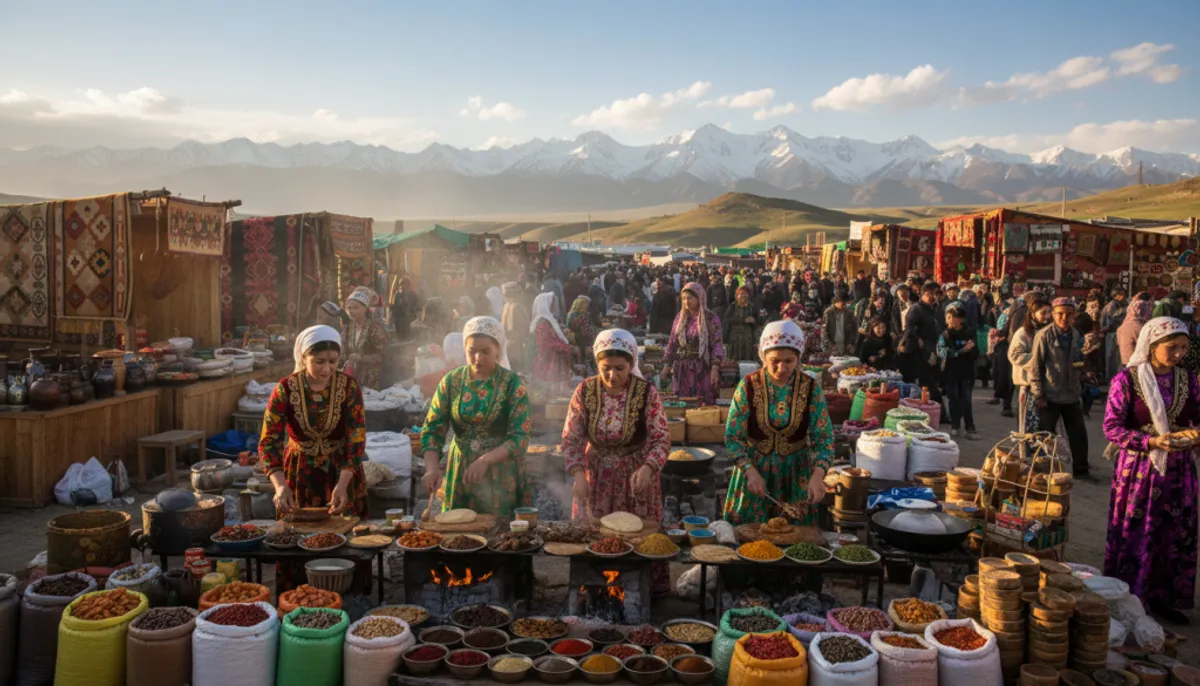
The historical home of this community is located in the vast autonomous region of Xinjiang. Today, they represent a significant portion of the population there. Understanding their geographical presence is essential to grasp their contemporary reality.
Exploring the roots of this culture allows one to appreciate its depth, including the history of punjabi culture. It is expressed through arts, music, and social traditions that have evolved over the centuries. This diversity deserves to be discovered and preserved.
This article invites you on a journey to better understand Uyghur identity. We will discuss its origins, practices, and current challenges. The goal is to highlight a precious heritage that shapes a resilient community.
Key Points to Remember
- The Uyghurs are a Turkic-speaking and Muslim people established in Central Asia for over a thousand years.
- Their main home is the autonomous region of Xinjiang in China.
- Their cultural heritage is rich and diverse, including artistic and social traditions.
- Understanding their history is crucial to grasp contemporary issues.
- The preservation of their collective memory in the face of modern transformations is important.
- Their unique identity deserves to be known and recognized in its complexity.
Historical Origins and Influences in Central Asia
The Uyghur people have deep roots that plunge into the millennia-old history of Central Asia. Initially nomadic, these populations gradually settled in the area they call Eastern Turkestan.
Roots in Eastern Turkestan and Cultural Exchanges
This historic land forms a region rich in culture where different Turkic-speaking ethnicities coexist. The Kazakhs and Kyrgyz share this territory with the Uyghurs, creating a unique mosaic.
For centuries, this area has served as a crossroads between great civilizations. Trade and cultural exchanges have shaped a distinct identity from neighboring China.
Integration within China and Its Impacts
The annexation in 1759 under the Qing Empire marks a decisive turning point. The territory is renamed Xinjiang, meaning "new frontier" in Chinese.
After World War II, a brief republic of Eastern Turkestan existed between 1944 and 1949. This attempt at independence, supported by the USSR, reflects the aspirations for autonomy.
The 1950s saw an initially conciliatory policy from the Chinese government. However, starting in 1958, especially during the Cultural Revolution, forced assimilation intensified.
This radical period has permanently transformed the demographic balance of the region. Turkic-speaking populations have decreased from 98% to about 40% today.
Uyghur Culture: Traditions and Customs
Uyghur traditions form a living heritage that unites generations. This millennia-old legacy manifests in every aspect of daily life.
Religious Ceremonies and Daily Rituals
Islam represents the spiritual foundation of this community. Daily prayers and Ramadan fasting mark the time of families.
The pilgrimage to Mecca was once a crucial moment for the people. These religious practices have structured community life for centuries.
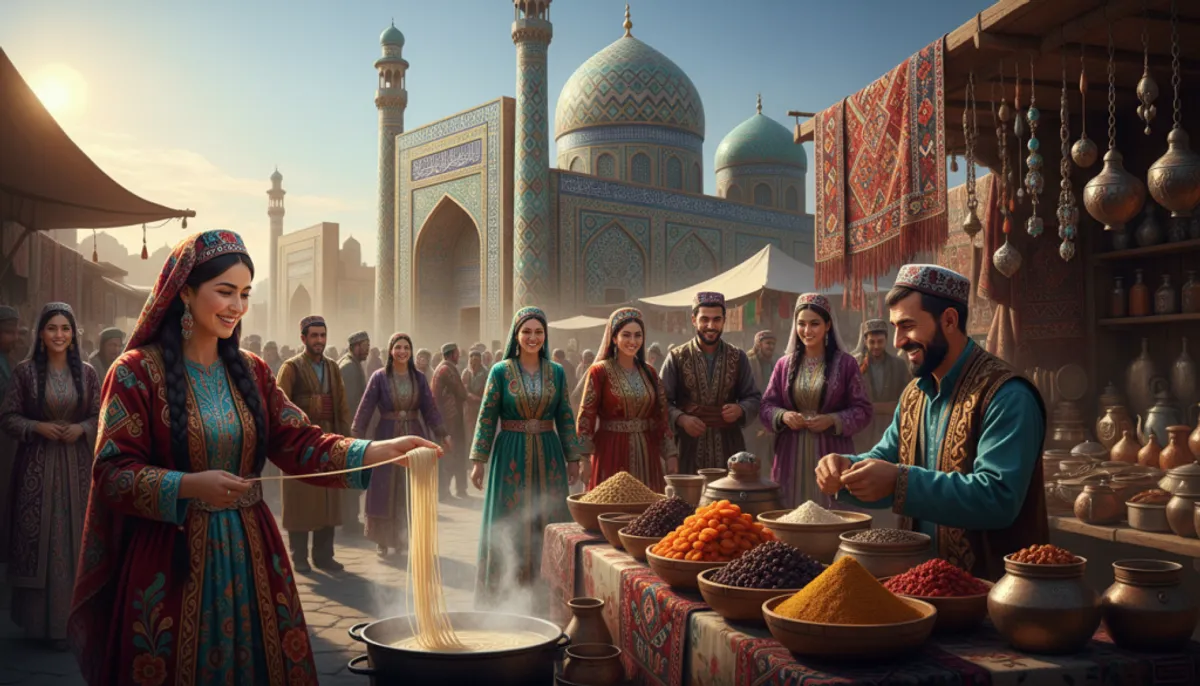
Arts, Music, and Oral Transmission
Music occupies a central place in artistic expression. The dutar, a traditional string instrument, is an integral part of celebrations.
Oral poetry preserves ancestral tales. Figures like Qutpidin Mazar illustrate this literary richness.
| Cultural Element | Meaning | Transmission |
|---|---|---|
| Sufi Representations | Mystical Spirituality | Community Rituals |
| Traditional Music | Identity Expression | Family Teaching |
| Local Crafts | Material Heritage | Intergenerational Learning |
These artistic traditions testify to remarkable creativity in the region. They perpetuate a precious heritage through time.
Impact of Repression and Cultural Changes
The rise to power of Xi Jinping in 2012 marks a brutal turning point in the lives of communities in Xinjiang. The repression has intensified particularly since 2016.
Assimilation Policies and Cultural Expropriation
The government has implemented a systematic policy aimed at eradicating cultural specificities. Religious practices are strictly controlled.
Young people are prohibited from accessing mosques. The pilgrimage to Mecca becomes impossible. Even traditional names are banned.
Demographic and Social Consequences
The camps of “vocational training” reportedly hold nearly a million people. Children are separated from their parents.
They are placed in orphanages to receive an education aligned with the official ideology. This separation breaks intergenerational transmission.
Recent years also reveal practices of forced birth control. These measures profoundly affect the future of minorities.
Testimonies and Stories of Exile
Behind alarming statistics lie faces and personal stories that give a human sense to the tragedy. These individual accounts reveal the extraordinary resilience of people facing adversity.
Personal Stories and Resilience in the Face of Repression
Jannat, a Kazakh nurse in her fifties, embodies this strength in the face of repression. One day in 2018, she was summoned to the police station in her town in Xinjiang.
Accused of religious radicalism for having traveled several times to Kazakhstan, she spent nine months in Chinese camps. She later discovered she had been denounced by an upset superior.
Jannat refuses to forget those nine months of horror. Keeping the memory of the tortures and the disappeared faces has become a matter of loyalty, she explains. She is now seeking to trace the survivors in Central Asia.
Since 2014, several thousand people have fled to neighboring countries. They are trying to rebuild their lives while remaining haunted by the fate of their family left in Xinjiang.
These testimonies give a human face to the figures regarding those detained in the camps. They document the reality of repression for the world to see.
The Role of National Policies and International Sanctions
On July 21, 2020, a turning point in French diplomacy regarding the issue of Xinjiang occurs. On this day, Foreign Minister Jean-Yves Le Drian delivers a historic statement before the National Assembly.
He firmly condemns the internment camps and human rights violations. This official stance creates significant resonance in the world of diplomacy.
Reactions from Governments and Diplomatic Measures
The United States adopts a firmer policy by placing eleven companies on a blacklist. These companies are accused of participating in the persecution.
A report from 180 NGOs denounces the involvement of multinationals like Gap and Adidas. Xinjiang produces 80% of China's cotton, complicating the issue of supplies.
| Country | Measures Taken | Economic Impact |
|---|---|---|
| France | Diplomatic Condemnations | Limited |
| United States | Trade Sanctions | Significant |
| China | Systematic Denial | Maintaining the Status Quo |
The Chinese government rejects these accusations, citing the fight against terrorism. No European country has yet taken measures as strong as those of the Americans.
This divergence reflects the difficulties in confronting China on this sensitive issue. The economic and strategic power of Beijing influences international policies.
Erasure of Memories and Transformation of the Cultural Landscape
Place names often constitute the first target of assimilation policies. This strategy aims to alter the perception of territory and its history.
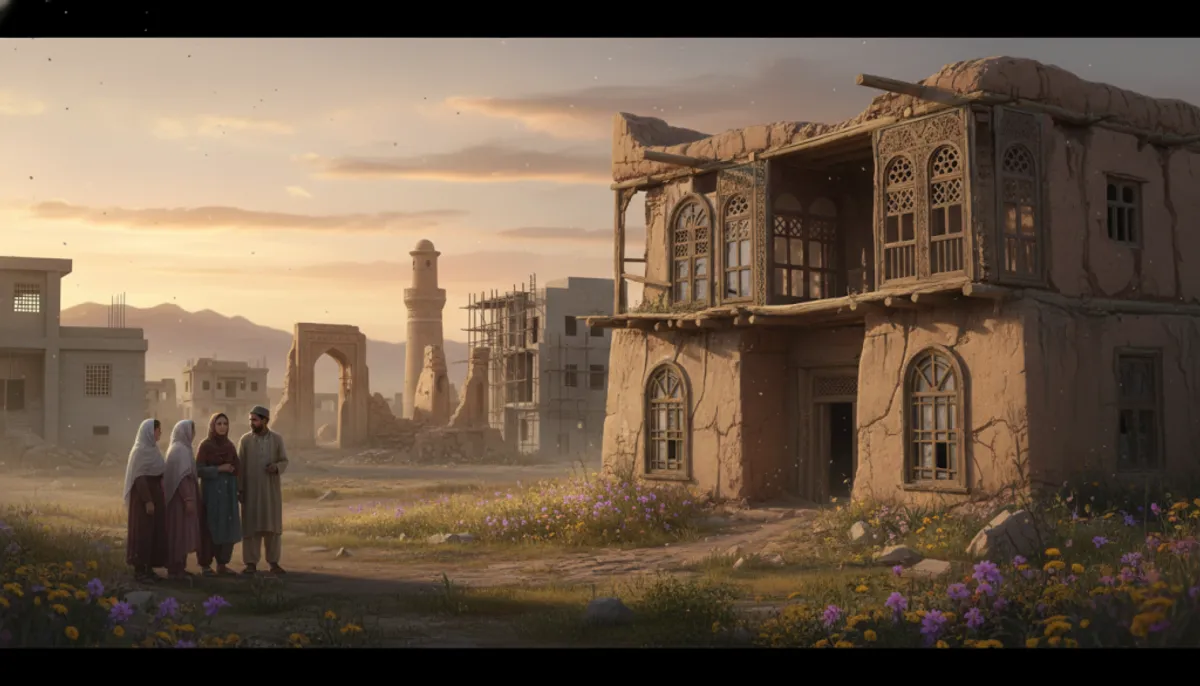
Name Changes of Villages and Erasure of Heritages
According to Human Rights Watch, 3,600 localities have undergone toponymic changes in the Uyghur autonomous region of Xinjiang. Among them, 630 villages have completely changed their identity.
The village of Dutar, named after a traditional instrument, becomes "red flag." The one named after the poet Qutpidin Mazar transforms into "Rose Village." These renamings specifically target historical references.
Internal Colonization and Influence on Collective Memory
The Chinese communist regime applies proven methods used for 70 years in Tibet. This systematic approach includes the destruction of religious sites and linguistic prohibition.
Dilnur Reyhan from the Uyghur Institute of Europe explains: “Erasing culture is the very essence of this Chinese colonialism. The erasure of the name of the Uyghur country, which is Eastern Turkestan”.
This transformation of the landscape aims to create a fully Sinicized region. In the end, local identity references will have disappeared in favor of Han dominance.
Conclusion
The resilience of an identity shaped by ancestral traditions faces a systematic policy of assimilation. This rich millennia-old culture, developed over the centuries, represents a unique heritage now threatened, including elements of afghan folklore that enrich the cultural tapestry of the region.In recent years, repression has intensified under the current power. Internment camps, birth control, and forced labor are part of a strategy targeting ethnic minorities.
The international community recognizes this crucial issue. However, diplomatic condemnations remain insufficient in the face of the scale of violations.
Every man and woman witnessing this situation participates in a memorial war against erasure. Understanding these cultural roots, including sindhi culture, is essential to resist their programmed disappearance.
In the end, preserving this diversity represents a fundamental human challenge that transcends borders and political statements.
FAQ
Where is the Uyghur autonomous region of Xinjiang located?
Xinjiang is located in the northwest of China. It is a vast region of Central Asia, historically known as Eastern Turkestan.
What are the main traditions of the Uyghurs?
Their heritage is rich! It includes unique music, baloch dances, delicious cuisine, and religious festivals. Oral transmission has always played a significant role in preserving their history.
How does the Chinese government's policy affect this population?
In recent years, assimilation policies and strong repression have had a profound impact. Many speak of cultural expropriation and demographic changes in the region.
What are the internment camps that are often mentioned?
International reports indicate centers where millions of people, especially Uyghurs and other minorities, are said to have been detained. The Chinese communist government presents them as vocational training centers.
Is there a reaction from the international community to this situation?
Yes, several countries and organizations have expressed their concern. Some have even taken diplomatic measures, such as sanctions, to condemn these actions.
Is Uyghur culture at risk of disappearing?
This is a major concern. Between repression, internal colonization, and the erasure of heritages (like village names), collective memory and the cultural landscape are rapidly transforming.