
Welcome to the fascinating universe of Punjab, a region that shines with its vitality and warm hospitality. This ancestral land of South Asia possesses an exceptional heritage that transcends geographical and religious boundaries.
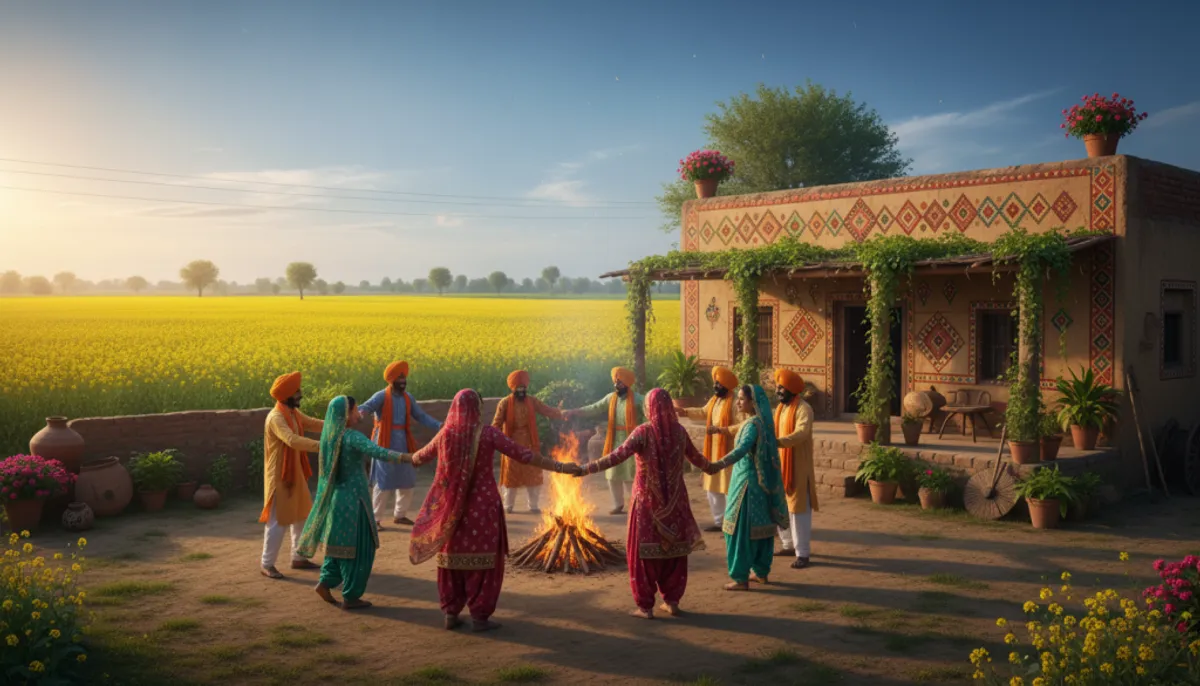
Punjab has played a major role in the history of the Indian subcontinent. This region was an essential crossroads between Eastern and Western civilizations. Its strategic importance has shaped a unique identity over the centuries.
What truly characterizes this society is its legendary hospitality and vibrant traditions. Colorful festivals, energetic music, and delicious cuisine create an unparalleled sensory experience. Deep spirituality permeates every aspect of daily life.
Our guide invites you to discover the many facets of this richness. Together we will explore the geography, history, clothing, and culinary traditions. You will also discover the iconic festivals and sacred places that resonate at the heart of this region.
The diaspora has spread this richness around the world, creating dynamic communities on all continents. This article offers you a complete immersion into a universe where tradition and modernity meet harmoniously.
Key Points to Remember
- Punjab represents one of the most vibrant cultures of South Asia
- This historical region was an important civilizational crossroads
- Hospitality and festive traditions are strong identity markers
- Music, cuisine, and spirituality enrich the local heritage
- The diaspora has internationalized this rich and welcoming culture
- This article covers history, traditions, and contemporary aspects
- Practical tips will help travelers discover this region
Introduction to Punjabi Culture
At the heart of South Asia lies a historical region marked by five legendary rivers. The name “Punjab” literally means “land of five waters,” evoking the rivers Jhelum, Chenab, Ravi, Beas, and Sutlej.
This fertile land is now divided between Pakistan and India. Its rich plains make it the breadbasket of the subcontinent, nourishing millions for millennia.
The history of this land dates back to antiquity, where the Greeks referred to it as Pentapotamia. This designation reflects the strategic importance of the region for over two thousand years.
The inhabitants of this region form a community of 121 million people worldwide. Their legendary hospitality and attachment to traditions create a unique identity that transcends religious boundaries.
Historical and Geographical Context
The geography of the five rivers has determined economic and social development. These waterways have shaped a prosperous agricultural territory and a flourishing civilization.
The Cultural and Social Importance Today
The contemporary vitality of this society is expressed through its economic dynamism and artistic wealth, including a rich tradition of folk art. Ancestral traditions coexist harmoniously with modernity, creating a remarkable balance.
Origins and Evolution of the Five Rivers Region
The origins of this fertile territory are deeply rooted in exchanges between different historical civilizations. This land has always been a strategic crossroads where great traditions have met.
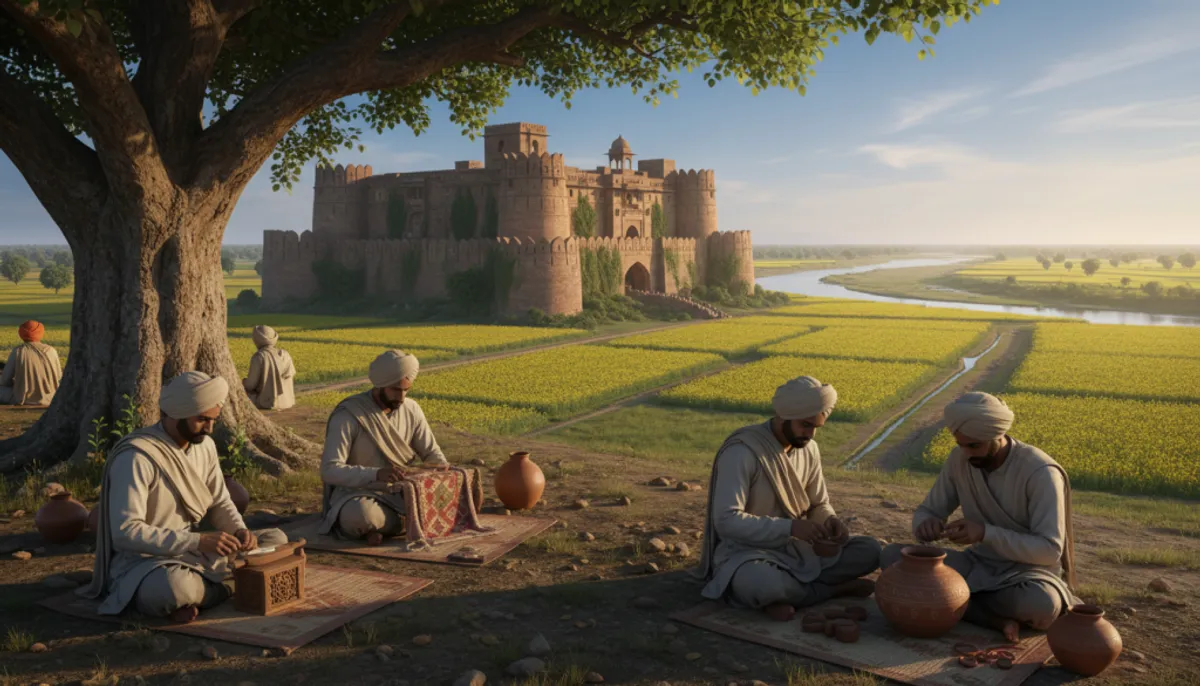
Greek, Persian, and Mughal Influences
The ancient Greeks named this region Pentapotamia, acknowledging its geographical significance. Alexander the Great left lasting cultural marks in art and architecture.
The Turkic-Persian conquerors translated this name to “Punjab,” enriching the local heritage. They brought valuable linguistic and artistic elements.
The Mughal Empire represents this golden age when the territory experienced remarkable flourishing. Sumptuous architecture and refined court life characterized this period.
The Formation of Punjabi Identity
A broader collective consciousness began to form in the early 18th century. Various tribes and communities gradually forged a common identity.
This identity is primarily linguistic, geographical, and cultural rather than religious. The lao loum culture, along with integration and assimilation, are fundamental elements of this inclusive culture.
Before partition, the religious composition was diverse: 53% Muslims, 29% Hindus, and 15% Sikhs. The tragic moment of 1947 divided the territory between India and Pakistan, deeply marking this era.
Despite this division, the common heritage has been preserved on both sides of the India-Pakistan border. The unique identity continues to transcend political boundaries.
Traditions, Customs, and Lifestyle in Punjab
The lifestyle in Punjab is characterized by a unique harmony between ancestral traditions and contemporary joy of living. This society deeply values family bonds and community conviviality.
Traditional Clothing and Iconic Cuisine
The inhabitants proudly wear elegant traditional outfits. The kurta and salwar kameez offer comfort and style for both men and women.
Colorful turbans and phulkari embroidery add an artistic touch to the costumes. These clothing elements reflect the rich identity of this region.
The local cuisine is globally renowned for its authentic flavors. Dishes like makki di roti with sarson da saag delight the palate.
Tandoori chicken and creamy curries represent culinary generosity. Each meal becomes a celebration of traditional flavors.
Music, Dance, and Folk Arts
The air resonates with the energetic rhythms of bhangra during festivals. This agricultural dance expresses vitality and collective joy.
Qawwali, a Sufi devotional song, elevates the soul with its enchanting melodies. The dhol accompanies these artistic expressions with its powerful beats.
The giddha, a graceful women’s dance, completes this artistic panorama. These arts preserve the history of quebec and values across generations.
These cultural expressions create a rich and vibrant community life. They unite people in celebration and sharing.
Punjabi Culture Through Its Iconic Festivals
The year in Punjab flows to the rhythm of vibrant celebrations that illuminate each season. These events are special moments where communities gather in joy.
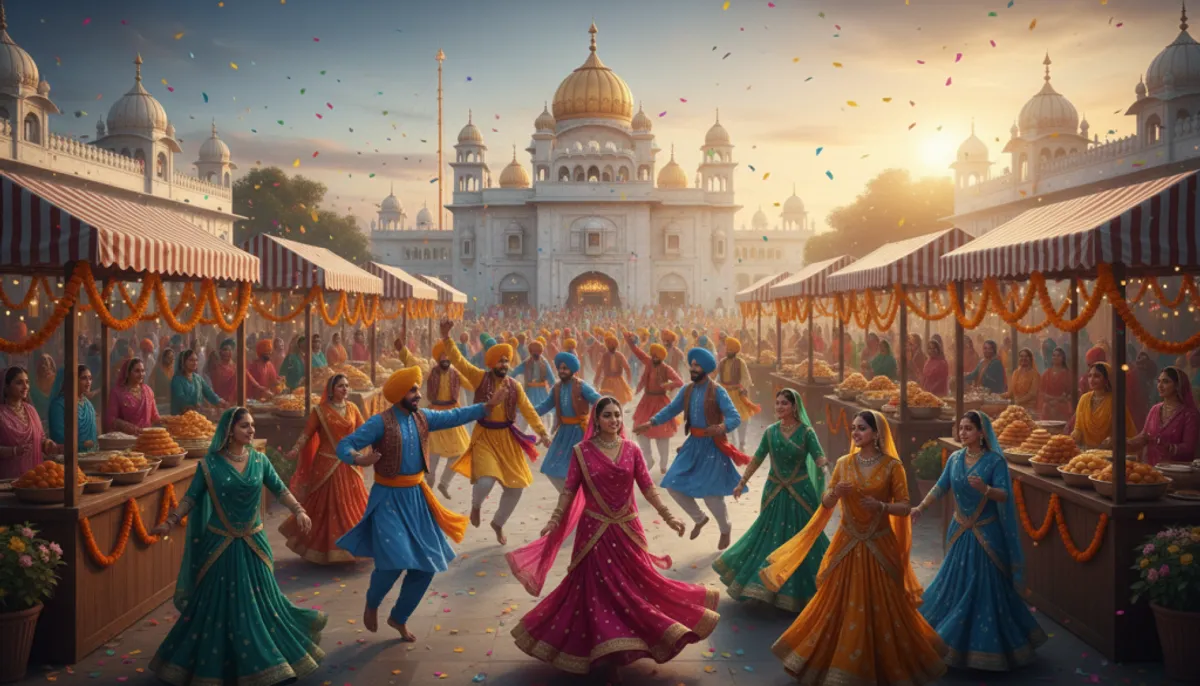
Baisakhi and Lohri: Expressions of Joy and Agricultural Traditions
Baisakhi, in April, marks the spring harvest when golden fields under the sun symbolize abundance. In Amritsar, the Golden Temple becomes the spiritual heart of this special day.
Lohri, in January, brings the warmth of bonfires during the cool nights. Families gather around the flames to celebrate hope and renewal.
Holi, Diwali, and Maghi: Colorful Rituals and Celebrations
Holi transforms the region into an explosion of colors in spring. This joyful experience blends colored powders and traditional martial demonstrations.
Diwali illuminates Punjab with thousands of lamps, creating a magical atmosphere. Maghi honors the historical sacrifice of the forty immortals in a solemn ambiance.
Each festival offers a unique opportunity to strengthen community bonds. These celebrations mark the year with music, dances, and shared traditions.
Sacred Places and Spiritual Heritage
The spiritual heritage of Punjab shines through its sacred shrines, true architectural jewels. These places of devotion form the vibrant heart of regional religious life.
The Golden Temple and Other Religious Shrines
The Golden Temple in Amritsar represents the pinnacle of Sikh architecture. Its golden domes shimmer above the holy lake, creating a majestic vision.
This shrine hosts the langar, a unique community service. More than 100,000 meals are offered daily for free to all visitors.
Anandpur Sahib and Muktsar Sahib complete this spiritual landscape. These pilgrimage sites attract devotees from around the world.
Rituals and Spiritual Practices in Daily Life
Spirituality permeates every moment of Punjabi life. Readings from the Guru Granth Sahib and kirtan singing mark the days.
Selfless service (seva) and morning meditation reinforce community values. These practices create an atmosphere of deep devotion.
| Sacred Site | City | Importance | Characteristic |
|---|---|---|---|
| Golden Temple | Amritsar | Most sacred place of Sikhism | Golden domes, holy lake |
| Anandpur Sahib | Anandpur | Birthplace of Khalsa | Hola Mohalla celebrations |
| Muktsar Sahib | Muktsar | Martyrdom site | Maghi pilgrimage |
This spiritual wealth transcends religious boundaries. It offers a transformative experience to every visitor.
Practical Tips for an Authentic Journey in Punjab
Traveling to Punjab requires careful planning to fully enjoy the experience. Good organization of transportation and accommodations ensures a smooth and enriching stay.
Transportation, Accommodations, and Stay Tips
The public transportation network effectively connects major cities. Air-conditioned buses provide comfortable long-distance travel.
For urban travel, taxis and auto-rickshaws are convenient. Always negotiate the price before departure. During festivals, opt for a private vehicle with a driver.
Active India Holidays, an experienced French-speaking agency, offers tailored stays. Book your accommodation several months in advance for festive periods.
How to Interact with Locals and Respect Traditions
Learn a few phrases in Punjabi like “Sat Sri Akal” to greet. This initiative will be warmly welcomed by the locals.
In sacred places, cover your head and remove your shoes. Participate in the langar for an authentic community experience.
Adapt your clothing to the season: light cotton in summer, warm layers in winter. Bring a universal power adapter and a good camera.
Identity and Linguistic Influences in Punjabi Culture
The Punjabi language unites communities on both sides of the historical border. This linguistic link creates a strong identity that transcends political divisions. The inhabitants of this region share a rich cultural life despite their distribution between two countries. Moreover, the cultural heritage of the maratha community adds another layer to the diverse tapestry of traditions in this area.
The Importance of the Punjabi Language and Its Scripts
Punjabi uses two distinct writing systems. The shahmukhi (Arabic-Persian alphabet) predominates in Pakistan. The gurmukhi (created by Sikh gurus) is used in India.
This duality reflects the religious influences of each state. Linguistic preservation remains crucial in our globalized world. Artists and writers keep this tradition alive.
The Diaspora and the Global Influence of Punjabis
The diaspora has exported this cultural richness around the world. Dynamic communities exist in North America and Europe. Their influence extends to music, cuisine, and cinema.
| Country | Punjabi Population | Main City |
|---|---|---|
| Canada | 430,705 | Toronto |
| United Kingdom | 296,381 | London |
| United States | 250,000 | New York |
| Australia | 71,228 | Sydney |
Figures like Nusrat Fateh Ali Khan have popularized traditional music. Bollywood actors of Punjabi origin shine internationally. This global presence reinforces the common identity.
Conclusion
At the end of this journey, the vibrant essence of this society continues to resonate strongly. This comprehensive guide has provided you with an authentic glimpse into its exceptional heritage.
The air of Punjab still carries the echoes of traditional dances and colorful celebrations. The quality of human encounters and the spiritual richness touch the heart directly. This unique experience transcends all boundaries.
We encourage you to use this guide to plan your own discovery. Whether you visit the region or explore local communities, every moment promises a remarkable quality of exchange. The air of generosity and joy of living will capture your heart.
The air of time does not alter this living tradition. This guide remains your ideal companion for a successful immersion. Happy exploring!
FAQ
What are the best times to visit Punjab?
Autumn (October to November) and spring (February to March) are perfect. The sun is mild, ideal for exploring cities like Amritsar. Avoid summers, as the heat can be intense.
How to easily get around this state?
Transportation is well developed! For long distances, the train is excellent. In cities, use taxis or rickshaws. Local buses are also an economical option for an authentic experience.
Which festival is a must-see in Amritsar?
Baisakhi, in April, is magical! It’s a joyful harvest festival. You will feel a unique spirituality, especially near the Golden Temple, the heart of the city.
What does the Five Rivers region represent?
It’s the historical name of Punjab, meaning “the land of five rivers.” This geography has shaped its agricultural heritage and rich identity throughout its history.
How to respect local traditions during my stay?
It’s simple! Cover your shoulders and legs when visiting sacred places. Remove your shoes before entering. Locals love to share their culture, so be curious and respectful.