
Let's discover together one of the most fascinating tribal communities on our planet. This people consists of about 60 million individuals primarily spread between Pakistan and Afghanistan.
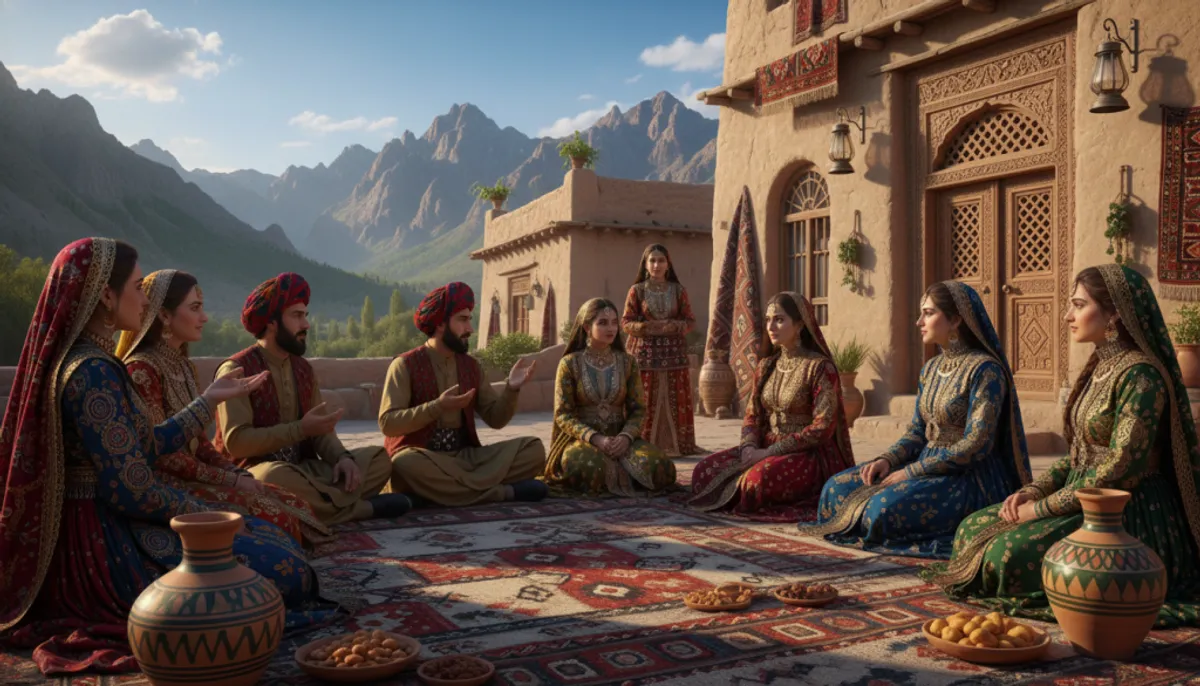
Their historical significance is remarkable. The term “Afghan” traditionally refers to the members of this ethnicity, as they founded modern Afghanistan in the 18th century.
Their cultural heritage is exceptionally rich. It is expressed through Pachtounwali, an ancestral moral code that guides their daily lives.
Their legendary hospitality and traditional dances like the attan testify to their unique identity. This community maintains strong family ties beyond political borders.
This article invites you to explore the origins, values, and contemporary challenges of this resilient people. Let’s dive into the heart of their age-old traditions.
Key Points to Remember
- Community of nearly 60 million people
- Distribution between Afghanistan and Pakistan
- Historical founders of modern Afghanistan
- Ancestral moral code: Pachtounwali
- Legendary hospitality and vibrant traditions
- Unique cross-border cultural identity
- Contemporary geopolitical significance
Introduction to Pashtun Culture and People
This Indo-European ethnic group maintains vibrant traditions despite borders, including the baloch culture. Their origin traces back to the Iranian plateau several millennia ago.
Historical and Geopolitical Context
Their tumultuous history has seen them influence various regional empires. The Durand Line of 1893 created a unique situation of a people without a unified country.
This division between two modern countries resembles that of other cross-border ethnicities. Their traditional territory was divided between Afghanistan and Pakistan.
Overview and Current Importance
The population is spread across different regions of both nations. In Pakistan, they primarily inhabit Khyber Pakhtunkhwa and northern Balochistan.
In Afghanistan, communities are concentrated in the south and east of the country. This geographical distribution influences their contemporary political role.
| Country | Main Regions | Population Percentage | Political Importance |
|---|---|---|---|
| Pakistan | Khyber Pakhtunkhwa, Balochistan | ≈18% | Major regional player |
| Afghanistan | South and East | 42-60% | Dominant ethnic group |
| Total | Cross-border distribution | ≈60 million | Geopolitical influence |
The Historical Origins of the Pashtuns
Since time immemorial, this ethnicity has shaped its destiny through the upheavals of history. Their journey dates back several millennia before the arrival of Islam.
From Ancient Empires to Modern Revolutions
By the end of the 7th century, Islam began to penetrate the regions through the Arabs. However, it was in the 10th century that the religion truly took root with Turkish warriors.
The 13th and 14th centuries saw Mongol invasions ravage these territories. Yet, the tribes maintained their autonomy despite these external pressures.
| Period | Major Event | Impact on the People |
|---|---|---|
| 7th-10th centuries | Gradual Islamization | Religious transformation |
| 13th-14th centuries | Mongol invasions | Resistance and adaptation |
| 18th century | Kingdom of Ahmad Shah | Golden age and unification |
Durand Line and Its Consequences for the People
In 1893, the Durand Line was established by the British. This border line arbitrarily divides communities between Afghanistan and British Raj.
Journalist Joseph Kessel referred to them as the “invincible people” after observing their legendary resistance.
The Durand Line remains a source of tension more than 130 years after its creation. The three Anglo-Afghan wars demonstrate the determination of the Afghans in the face of colonization.
Pashtun Culture in Daily Life
At the heart of Pashtun existence lies a harmonious balance between modernity and age-old customs. This community keeps its traditions alive while adapting to the contemporary world.
Impact on Traditions and Lifestyle
The Pashto language serves as the identity cornerstone for these people. Spoken by about 60 million individuals, it acts as a diplomatic language in Afghanistan.
The very name of this language evokes ancestral pride. The Pashto conveys values of honor and legendary hospitality.
Sunni Hanafi religious practices rhythm their daily lives. Mystical Sufism profoundly influences their spirituality.
Artistic expressions enliven celebrations. The attan dance is accompanied by traditional instruments like the rubab.
- Personal and collective pride
- Hospitality towards strangers
- Courage and sense of honor
Poetry in Pashto, Dari, and Urdu transmits values and history. This cultural fact unites generations.
Music and dance are the soul of our people; they tell our stories of resistance and joy.
The lifestyle combines agriculture and tribal structures. This social organization endures despite contemporary challenges.
Pashtun Values and Traditional Codes
Pachtounwali represents much more than a simple code – it is the living soul of this community. This unwritten moral system has guided the people for centuries, long before the arrival of Islam.
Pachtounwali: Code of Morality and Hospitality
Passed down orally from generation to generation, this code constitutes the identity foundation beyond borders. The melmastia demands unconditional hospitality towards any visitor.
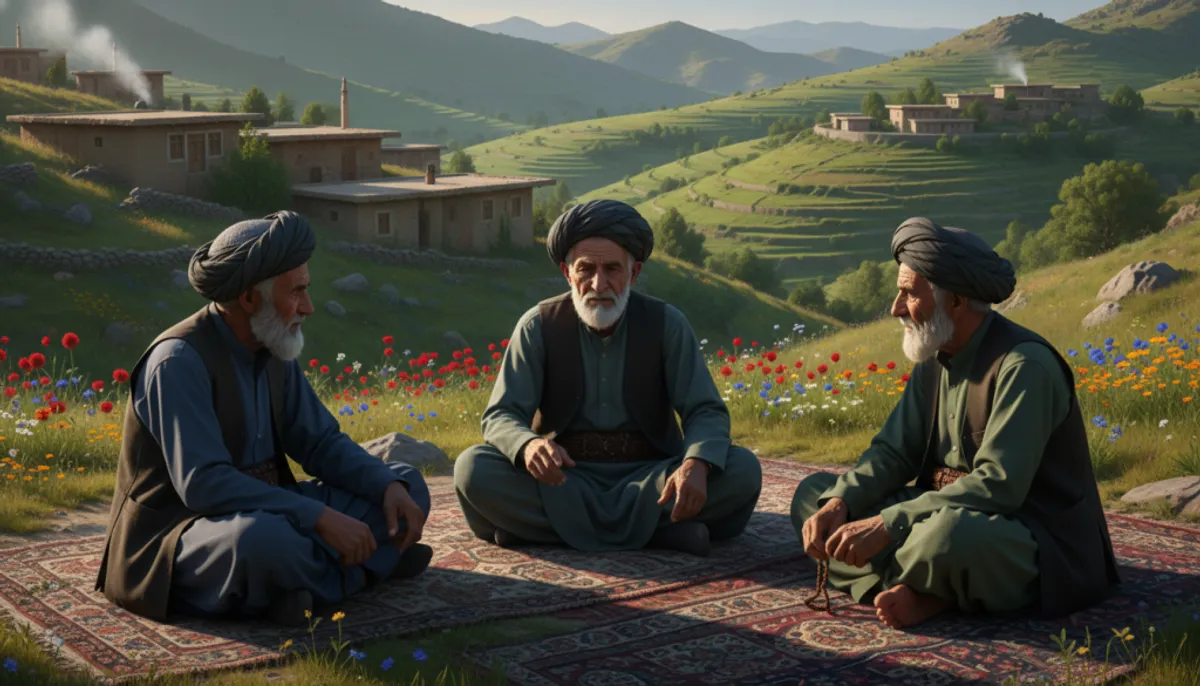
In 1975, a farmer was condemned not for murder but for violating this sacred rule. The nanawatai requires protection for anyone who seeks help, as in 2005 when the Sabray tribe saved Marcus Luttrell.
Notable Customs: From Attan Dance to Honor Rules
The very name of the principles reveals their importance. The badal imposes vengeance for honor, while the jirgas allow for the search for consensus.
Our code teaches us that honor is not an option but a duty to our ancestors.
The attan dance enlivens celebrations, symbolizing tribal unity. These traditions form a vital part of the heritage, even in the face of modern challenges.
- Absolute protection of family honor (namus)
- Separation of sexes (purdah) in social life
- Chivalrous behavior (ghairat) as an ideal
The Pashtun Tribes and Their Organization
The Pashtun tribal organization reveals a remarkably complex social architecture. This sophisticated hierarchical structure often escapes Western observers.
According to General Alain Lamballe, a recognized expert, the breakdown into tribes, sub-tribes, clans, and sub-clans is extremely complex. General Alain Lamballe emphasizes that Western attempts to restore this structure are easily marred by errors.
Tribal Structure and Clan Diversity
The tribes are divided into four fundamental groups. These include the Sarbans, Batans, Ghurghusht, and Karlans, each with its distinct ancestral origins.
Among the major confederations, the Durranis comprise over 5 million people. They represent the traditional elite of Afghan society.
The Ghilzais form the largest confederation with over 9 million members. This diversity illustrates the richness of social organization.
The hierarchy includes maliks (tribal chiefs) and khans (feudal lords). Their authority, although declining, remains significant in certain regions.
- Over 60 major tribes listed
- Distinctions between mountain dwellers and plain inhabitants
- Respect accorded to elders and religious figures
This system reflects a unique social organization. The impressive number of tribes and their diversity make this community one of the most significant in the world.
Cultural Influence: Art, Music, and Literature
From mystical poetry to Bollywood hits, Pashtun cultural influence extends across the world. This artistic creativity represents a vital part of their contemporary identity.
Traditional Artistic and Musical Expressions
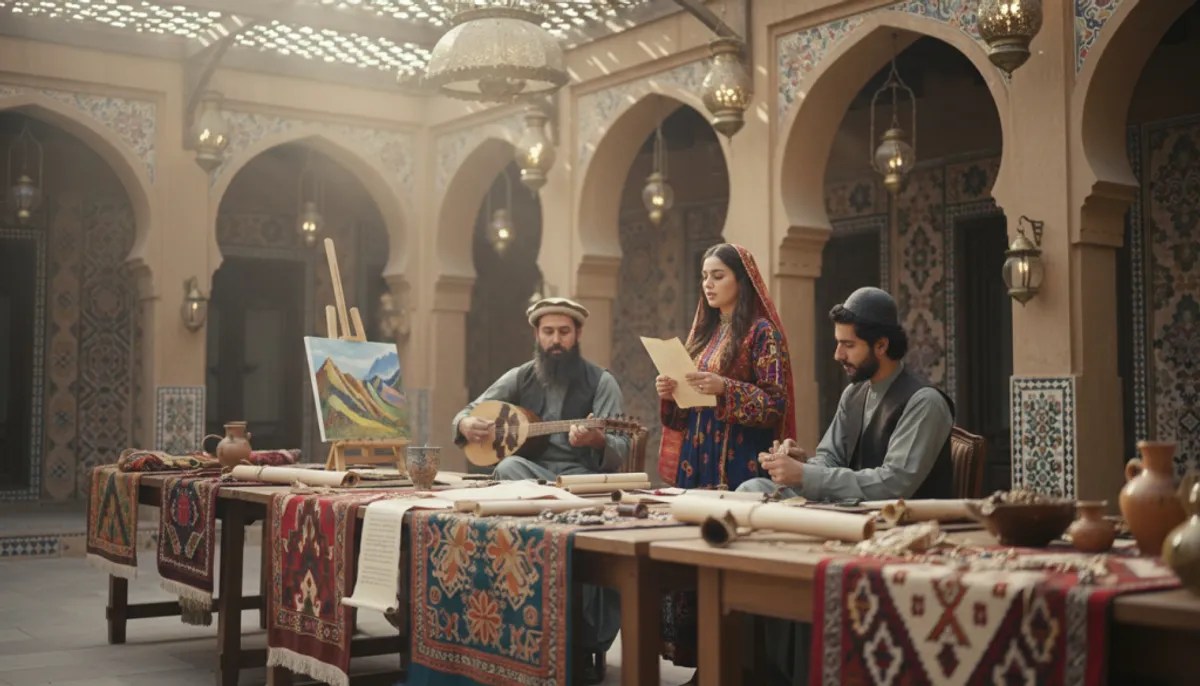
Poetry in Pashto, Dari, and Urdu constitutes the most valued expression. Khoshal Khan Khattak, a 17th-century warrior poet, celebrated his people's identity through patriotic verses.
Traditional music endures with artists like Ahmad Zahir, dubbed “the Afghan Elvis Presley”. Farhad Darya and Zarsanga today carry this musical tradition across the world.
Literary and Cinematic Heritage
Bollywood boasts numerous stars of Pashtun origin. The name of Shahrukh Khan and Salman Khan resonates internationally.
The artistic language transcends borders with figures like Malala Yousafzai, Nobel Peace Prize laureate. Sharbat Gula, photographed by National Geographic, has become a global icon.
The search for new forms of expression continues to enrich this remarkable cultural heritage.
Contemporary Challenges and Regional Issues
The contested border between Afghanistan and Pakistan has generated persistent tensions for over a century. This artificial division created by the Durand Line in 1893 continues to shape the reality of the millions of people living in these border regions.
Impacts of Conflicts and Social Transformations
Decades of armed conflicts have profoundly altered traditional social organization. Tribal leaders are gradually losing their authority to new political and military forces.
The ancestral moral code is applied with less rigor in certain areas affected by violence. Massive population displacements disrupt established community structures.
- Displacement of 1.2 million people in Afghanistan in 2016
- Military operations in Pakistani tribal areas
- Transformation of educational and health systems
Governance Evolutions and Modernization of Traditions
The governments of the two countries face complex challenges in administering these territories. The weak presence of the state in certain border regions complicates governance.
Forced modernization creates tensions between ancestral traditions and contemporary influences. Migrations to cities transform traditional lifestyles.
Our people navigate between preserving their heritage and adapting to the realities of the modern world.
Demographic projections indicate significant population growth in the coming decades. This evolution will increase pressures on resources and regional tensions.
Conclusion
Beyond clichés, this ethnicity demonstrates exceptional cultural resilience. Their rich and complex sindhi heritage remains one of the most vibrant tribal traditions in the contemporary world.Despite considerable challenges, this society preserves its unique identity. The Pachtounwali moral code and tribal structures endure after centuries of trials.
The people skillfully navigate between ancestral traditions and modernity. Figures like Malala Yousafzai embody this promising balance.
Greater international understanding allows for an appreciation of their artistic and human contributions. Their influence continues to shape regional geopolitics and the entire world.
FAQ
Where do Pashtuns primarily live today?
The majority of the Pashtun population lives on both sides of the border between Afghanistan and Pakistan, a region often referred to as Pashtunistan. They constitute the largest ethnic group in Afghanistan and a significant minority in Pakistan, particularly in the North-Western regions.
What is the Durand Line and why is it important?
The Durand Line is a border established in 1893 by the British. It divided the traditional territories of Pashtun tribes between what became Afghanistan and Pakistan. This division has had lasting consequences, creating a complex geopolitical situation for this people.
What is the traditional code of honor of the Pashtuns?
The code of honor is called Pachtounwali. It is a traditional system that guides social life. It emphasizes values such as hospitality, justice, courage, and the protection of honor. This code profoundly influences maratha customs and daily interactions.
How is Pashtun society organized?
Society is traditionally organized around a tribal structure. It consists of many clans and sub-tribes, each with its own identity. Important decisions are often made by assemblies of elders, the jirgas, which play a central role in local governance.
What are the current challenges for Pashtun culture?
The culture faces several contemporary challenges. Decades of conflicts in the region have had a profound impact. Additionally, modernization, globalization, and political issues between the two countries are transforming social practices and traditions. One of the rich aspects of this transformation is the influence of diverse culinary traditions, including bengali cuisine, which highlights the region's cultural diversity.