
Welcome to the fascinating world of Malagasy culture, a true crossroads where Africa meets Asia. This encounter has created a unique identity, deserving to be discovered and appreciated by all.
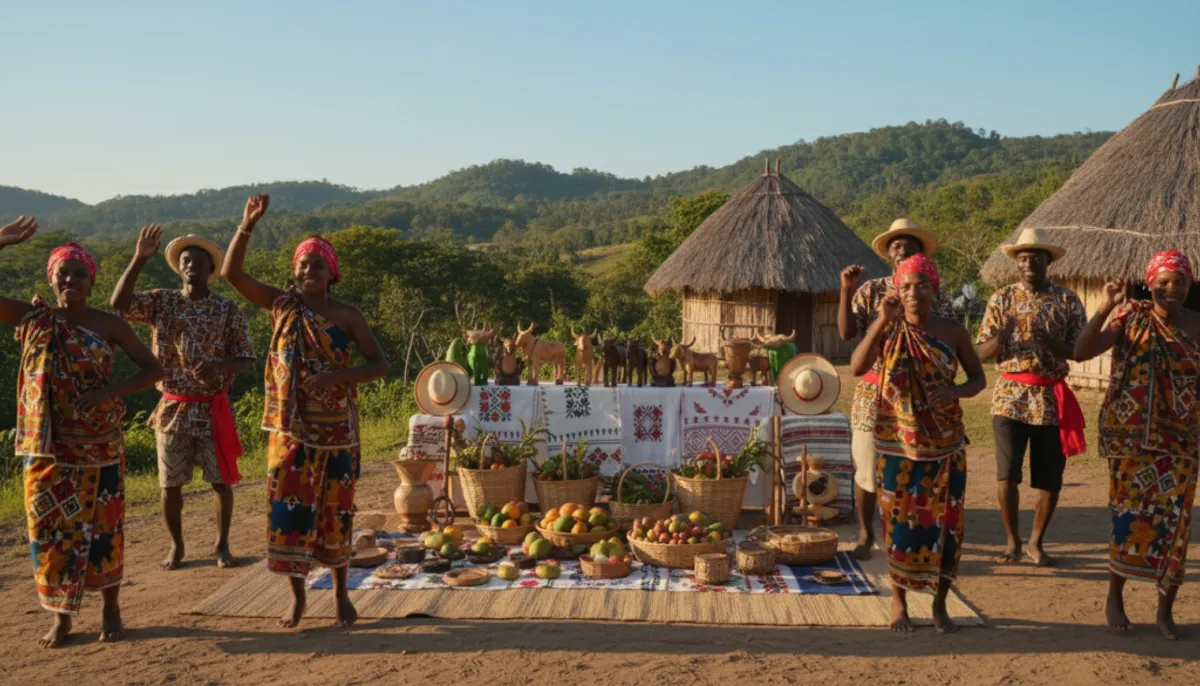
Madagascar, this extraordinary island in the Indian Ocean, possesses exceptional wealth. It has been shaped by centuries of migrations and intermixing between civilizations from all corners of the world.
Its deeply original character is the result of a harmonious blend. Austronesian traditions, African influences, Arab contributions, and a French colonial heritage have all contributed to forging the identity of the country.
Nearly 28 million inhabitants form a mosaic of 18 distinct ethnic groups. This diversity offers varied traditions, dialects, and customs, while sharing fundamental common values.
This article invites you on a journey to discover the many facets of Malagasy culture, including its rich array of traditional musical instruments. We will explore ancestral rites, contemporary artistic expressions, and much more.
Key Points to Remember
- The Malagasy culture is a unique fusion of African and Asian influences.
- The island of Madagascar has a rich history marked by successive waves of migration.
- Its identity is a harmonious blend of Austronesian, African, Arab, and French contributions.
- The country is home to 18 ethnic groups, creating remarkable cultural diversity.
- This article is an invitation to explore the traditional and contemporary riches of this society.
- Understanding this culture means discovering a welcoming and warm people.
Introduction
This island in the Indian Ocean is home to a welcoming population and a unifying language. More than sixteen million inhabitants share a rich identity, shaped by a constant dialogue between yesterday and today.
The national language, Malagasy, unites the entire country. Although regional variants exist, everyone understands each other. French is also widely spoken, taught from primary school onwards.
The traditions are not fixed. They profoundly influence daily life and modern choices. This society excels at absorbing external contributions while maintaining its own character.
Understanding this unique culture requires exploring its complex history, including the fascinating aspects of ancient egypt. From powerful kingdoms to independence, each step has left its mark. It is this journey that we will discover together.
Historical Influences and Cultural Diversity
Austronesian navigators, African migrants, and Arab traders wrote the first pages of Malagasy history. This foundational encounter gave birth to a unique identity.
Until the 16th century, the island welcomed other waves of settlement. Each group enriched the social fabric.
Waves of Immigration and Intermixing
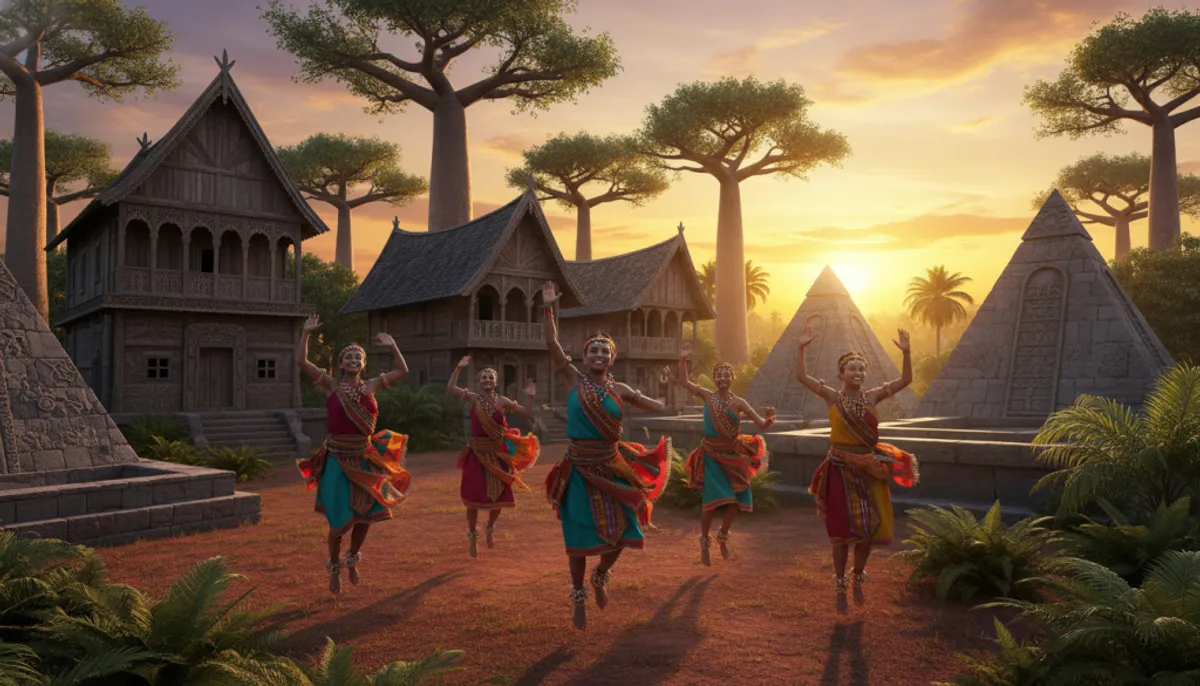
The Austronesians brought rice cultivation and the linguistic foundation. Their encounter with African populations created a visible intermixing that can still be seen today.
Arab traders introduced Sorabe writing and commercial practices. These diverse contributions shaped the foundations of Malagasy culture.
The Legacy of French Colonization
In the 19th century, French influence became prominent. Madagascar became a colony in 1886.
This colonial heritage marked education, administration, and language. French remained an official language alongside Malagasy.
This period also influenced architecture and gastronomy. It contributed to the syncretism of contemporary Malagasy culture.
Each region of the country bears distinct marks of this past. Yet, the Malagasy share a strong national identity, unified by a common language and shared values in the world.
Ancestral Traditions and Rites
Imagine an invisible code of conduct, passed down from generation to generation. It dictates the daily lives of millions of people. This living tradition forms the foundation of many societies.
Fady and Spiritual Beliefs
The concept of fady is central. These prohibitions govern food, activities, and social relations. Their respect ensures community harmony.
Each fady originates from the will of the Razana, the divinized ancestors. Their transgression is a serious offense. It can bring misfortune to an entire family.
The diversity of these customs is immense. Some fady are communal, others temporal or geographical. They create a complex and fascinating system.
The Famadihana Ritual
The Famadihana, or turning of the dead, is a unique celebration. Families exhume the remains of their ancestors. They wrap them in new silk shrouds.
This practice manifests a deep respect. The deceased remain active members of the family. The ceremony blends spiritual solemnity with great festivities.
The calendar also includes important celebrations. All Saints' Day, on November 1st, and Christmas, on December 25th, are key moments. They honor the deceased and strengthen bonds.
Malagasy Culture and Its Living Heritage
The true heritage of Madagascar lies in the strength of its family ties. This sacred institution forms a network much broader than the Western nuclear family.
It includes close relatives, distant relatives, and deceased ancestors. At the heart of this system lies the fihavanana.
Intergenerational Transmission and Family Ties
The fihavanana is a philosophy of life. It advocates harmony and mutual aid within the community.
Knowledge and general knowledge for children are passed down orally. Elders teach proverbs and explain customs.
This transmission ensures the continuity of values. It keeps a precious heritage alive.
| Position | Social Group | Role and Consideration |
|---|---|---|
| 1 | God and Ancestors | Supreme veneration, spiritual guides |
| 2 | Elderly People | Bearers of wisdom, educators |
| 3 | Pregnant Women | Bearers of life, special protection |
| 4 | Children | Future of the community, priority education |
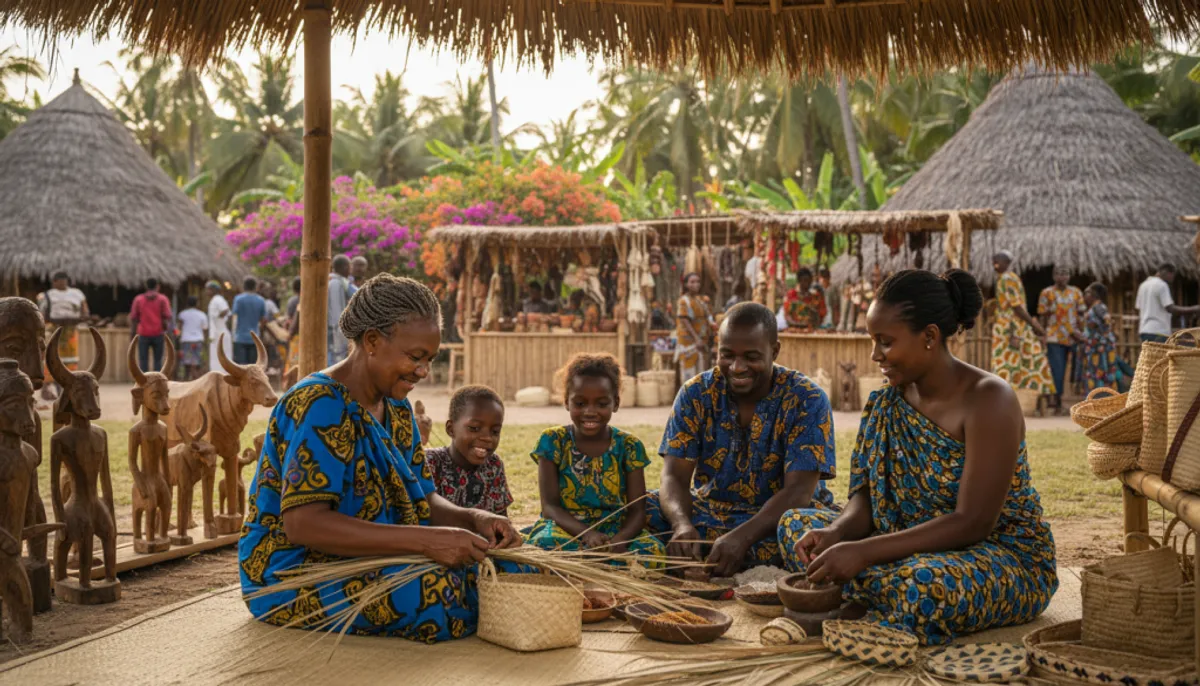
The members of the extended family form a safety net. They support each other during economic hardships.
Ceremonies bring together all members. They strengthen bonds and affirm a collective identity.
This structure is at the heart of social resilience. It preserves traditions in the face of modernity.
Craftsmanship: Tradition and Artistic Creation
The skilled hands of Malagasy artisans transform raw materials into dazzling works of art, including exquisite examples of dutch art. This meticulous work perpetuates an ancestral heritage.It manifests in a multitude of disciplines. Each reflects a part of the island's soul.
Textiles, Marquetry, and Embroidery
The lamba is the emblematic fabric. Women from the highlands weave it from silk or cotton.
It serves as clothing or ceremonial shroud. Embroidery adds colorful patterns narrating scenes of life.
Sculpture, Woodwork, and Wooden Objects
The work of wood is spectacular. Artisans carve ebony, rosewood, and rosewood.
In Ambositra, marquetry assembles woods to create complex geometric patterns. These forms adorn boxes and chests.
Jewelry, Semi-Precious Stones, and Goldsmithing
The island is rich in semi-precious stones. Amethyst, beryl, and aquamarine become stunning jewelry.
The horns of the zebu provide a noble material for tabletterie. They are made into cutlery and refined ornaments.
| Craft Domain | Key Materials | Examples of Objects |
|---|---|---|
| Textile | Silk, cotton | Lambas, embroidered clothing |
| Woodwork | Rosewood, ebony, rosewood | Sculptures, furniture, marquetry boxes |
| Jewelry & Goldsmithing | Semi-precious stones, metals | Jewelry, solitaire games |
| Tabletterie | Zebu horns | Cutlery, jewelry, everyday objects |
The artisanal market in Antananarivo showcases this wealth. This vital sector represents 15% of exports.
It is essential to preserve these skills while protecting resources, such as precious trees. Transmission to younger generations is crucial.
Music and Performing Arts
The artistic scene of the island vibrates to the sound of unique instruments and captivating choreographies, including traditional Kurdish dance and music. This creative expression forms an essential part of daily and festive life.
Traditional Instruments and Local Rhythms
The ingenuity of musicians is evident in their tools. The valiha, a bamboo zither, produces enchanting melodies. The marovany and kabosy add complex rhythms.
The salegy is a frenzied rhythm from the north. Its fast percussion makes crowds dance during celebrations. It perfectly embodies the local festive energy.
Festivals, Dances, and Artistic Performances
The dances vary by region. The graceful movements of the Merina contrast with the moraingy, a coastal combat dance. Each style tells a story.
Festivals punctuate the year. The national holiday on June 26th is a highlight. Parades and concerts celebrate independence across the world.
| Type of Performance | Characteristics | Main Occasion |
|---|---|---|
| Hira Gasy | Traditional theater with music, singing, and kabary | Community gatherings |
| Antandroy Dance | Energetic movements and colorful costumes | Celebrations in the south |
| Salegy Concert | Catching rhythms and festive melodies | Festivals and weddings |
For the traveler, attending a performance is an unforgettable experience. It allows one to grasp the creative soul of the island. The artistic traditions continue to nourish contemporary life.
Malagasy Cuisine and Flavors
Each region of the island reveals its culinary treasures, creating a mosaic of unique flavors. Rice, called vary, forms the base of almost every meal.
Iconic Dishes: Romazava and Ravitoto
Romazava is considered the national dish. It combines tender zebu meat with brèdes, these local green leaves.
The brède mafana adds a characteristic spicy note. This simple dish perfectly embodies the culinary culture of the country.
Ravitoto is another classic, especially appreciated in the central highlands. It mixes pounded cassava leaves with fatty pork.
Zebu meat symbolizes wealth and social status. Pork is included in many festive recipes.
Traditional Beverages and Culinary Practices
Ranon’ampango, the water from cooking rice, is this daily beverage. Refreshing and economical, it accompanies every meal.
Betsa-betsa, fermented sugarcane juice, is enjoyed in certain areas. These drinks testify to remarkable ingenuity.
The New Year's feasts on January 1st bring families together. The best cuts of meat are served.
This gastronomy is an integral part of the travel experience. It reveals a generous and authentic Malagasy cuisine and culture.Conclusion
Madagascar offers the world a remarkable example of preserved diversity. The culture of Madagascar represents a heritage of exceptional richness.
Customs such as the fady and the Famadihana ritual reveal a deep coherence. The craftsmanship of the highlands and the melodies of the valiha are living jewels.
The transmission of language and knowledge by elders ensures its longevity. The inhabitants of this island face the challenge of reconciling tradition and modernity.
Celebrations, like Independence Day in June or moments in November, unite the Malagasy. They strengthen a strong sense of belonging to the nation.
This country teaches us a valuable lesson. Well-managed diversity forges a resilient and welcoming society for all.
FAQ
What are the origins of culture in Madagascar?
The island's heritage is a fascinating intermix. It results from successive waves of immigration from Africa, Asia, and the Arab world, forming a unique community over the centuries.
What does the term "fady" mean and how is it applied?
The “fady” are ancestral taboos or prohibitions. They vary by family and region. Respecting these customs is fundamental in daily life and shows consideration for the inhabitants and their ancestors.
What does the Famadihana ritual consist of?
The Famadihana, or “turning of the dead,” is an important ceremony in the Highlands. Family members exhumed their ancestors to reconnect, share music, and feast. It is a joyful tribute to the deceased.
What role does craftsmanship play in the transmission of know-how?
Craftsmanship, such as marquetry, embroidery, or wood carving, is a living heritage. This know-how is passed down from generation to generation, preserving unique traditions and artistic forms for the world.
What traditional musical instruments can be discovered?
Local rhythms are carried by emblematic instruments. You will often hear the valiha (bamboo zither), the kabosy (small guitar), and the marovany (music box), at the heart of dances and festivals.
What are the must-try iconic dishes?
The cuisine offers unique flavors. Romazava, a stew of meat and brèdes, is considered the national dish. Ravitoto, a hash of cassava leaves often accompanied by pork, is also highly appreciated in many regions.