
Welcome to the heart of an authentic destination in Central America. This country opens the doors to a universe where the past and present meet harmoniously.
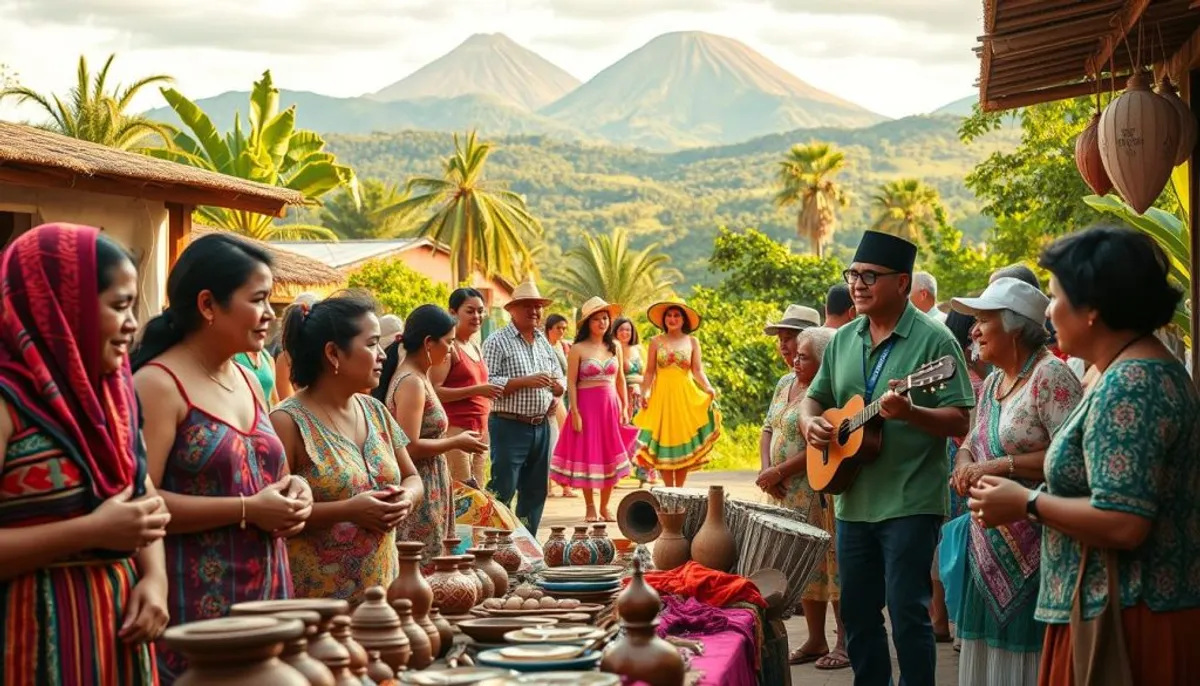
Its unique identity is the result of a rich blend. It draws its roots from pre-Columbian civilizations, Spanish colonial heritage, and African influences. This fusion has given birth to a complex and fascinating history.
Today, ancestral traditions remain very much alive. They shape the daily lives of the inhabitants, from vibrant religious festivals to folk dances passed down with passion.
This guide is an invitation to understand this Nicaraguan culture. We will explore its heritage, gastronomy, and customs. Let’s embark on the discovery of a proud and welcoming people.
Key Points to Remember
- Nicaragua is a Central American nation with a rich and mixed cultural heritage.
- Its current identity is shaped by a complex history blending indigenous, Spanish, and African influences.
- Local traditions, such as festivals and dances, remain very present in daily life.
- The population is known for its welcoming nature and cultural pride.
- Understanding this culture is essential for fully appreciating a trip or expatriation in the country.
- This guide offers a comprehensive overview of historical heritage and contemporary customs.
Introduction to Culture and Historical Context
Nicaragua has a fascinating identity born from multiple encounters. This Central American nation has seen various civilizations intersect over the centuries.
Its history dates back thousands of years. Indigenous peoples like the Chorotega and Nahuatl inhabited the territory long before the arrival of Europeans.
Origins and Indigenous, Spanish, and African Influences
The Spanish colonization began in 1524. It brought profound transformations in language, religion, and social organization.
An important part of the heritage also comes from Africa. The slaves brought during this period enriched the musical and linguistic heritage.
Impact of Colonization on Cultural Identity
Over the years, these three influences have blended harmoniously. They have created a unique identity where ancestral traditions and external contributions coexist.
The current population reflects this mix. Mestizos represent the majority, while indigenous and Afro-descendant communities preserve their customs.
| Influence | Period | Main Contributions | Regions of Impact |
|---|---|---|---|
| Indigenous | Pre-1524 | Ancestral traditions, crafts | All territories |
| Spanish | 1524-1821 | Language, Catholic religion | Pacific coast |
| African | Colonial period | Music, dance, cuisine | Caribbean coast |
This rich heritage continues to enliven the daily lives of Nicaraguans. Folklore unites different communities in a shared national pride.
The Richness of Historical and Religious Heritage
Nicaragua reveals a unique architectural treasure in Central America. Its colonial cities preserve four centuries of history in their cobbled streets and colorful buildings.
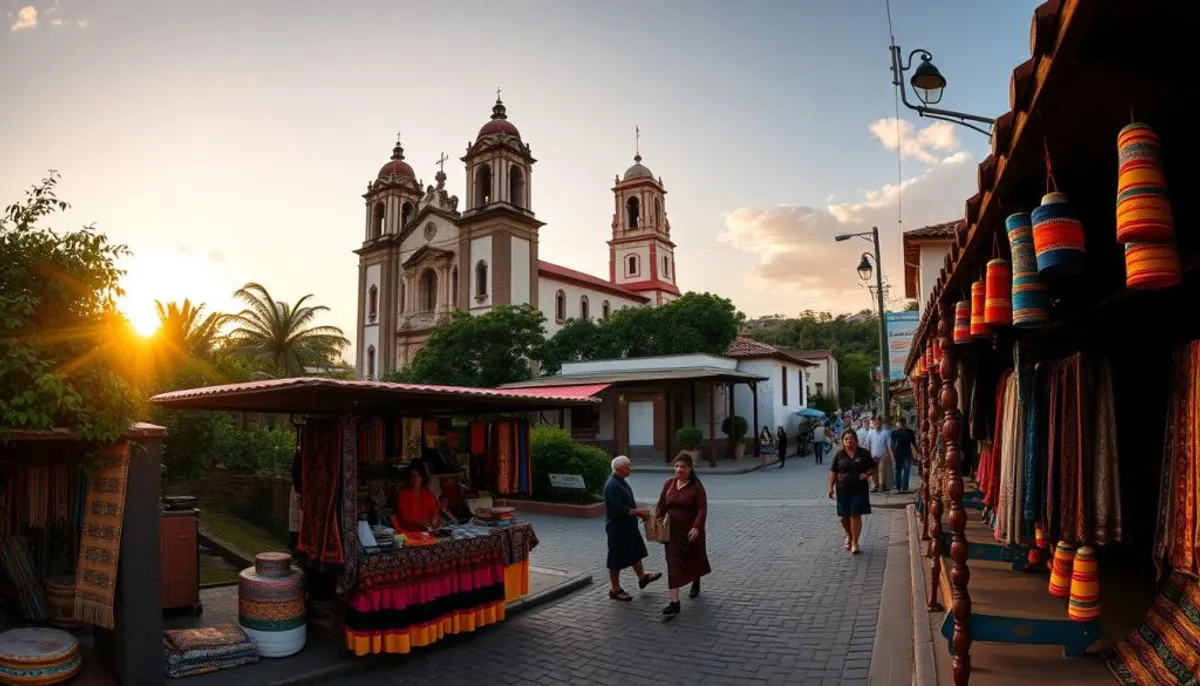
This heritage dates back to the 16th century when Spanish conquistadors founded the first colonies. Today, these places testify to a rich and complex past.
Colonial Sites and Iconic Monuments
Granada, founded in 1524, aspires to become a UNESCO World Heritage site. The city is home to many colonial churches such as La Merced.
León houses the largest cathedral in Central America. This exceptional site is already listed as a World Heritage site for its imposing architecture.
The Importance of Catholicism and Religious Festivals
The Catholic religion structures social life since colonization. Although the proportion of Catholics has decreased from 75% to 48%, it remains influential.
Religious festivals like Semana Santa animate the annual calendar. These celebrations unite communities around living traditions.
Exploring Gastronomy and Festive Traditions
Discovering Nicaragua necessarily involves its generous cuisine and lively festive calendar. These two aspects reveal the authentic soul of the country and its rich blend.
Traditional Dishes and Must-Try Recipes
The local cuisine uses corn as a staple in many preparations. Gallo Pinto, the national dish made of rice and beans, can be enjoyed at any time.
Nacatamales represent another example of a corn-based specialty. This dough wrapped in banana leaves contains meat and vegetables.
Festive Rituals from January to December and Local Celebrations
Festivals mark the year starting in January with baseball. In August, the Santo Domingo processions animate Managua.
The Holy Week in April and the Palo de Mayo in May feature music and traditional dances. These celebrations unite communities.
Typical Drinks and the Iconic Flor de Caña
Among the refreshments, local coffee and fresh fruit juices are refreshing. Flor de Caña rum, produced in the León region, is a national pride.
This type of aged rum often accompanies moments of conviviality. Nicaraguans enjoy it during family gatherings.
Understanding Nicaraguan Culture in Daily Life
Beyond monuments and festivities, it is in the daily lives of the people that the true soul of Nicaragua is revealed. Daily habits reflect deeply rooted values.
Local Customs and the Role of Family
The family occupies a central place in everyday life. Several generations often live together and participate in important decisions.
Respect for elders and mutual aid are fundamental values. Family meals are sacred moments of sharing. Legendary hospitality is manifested through spontaneous invitations to share these moments.
| Family Value | Common Practice | Meaning | Frequency |
|---|---|---|---|
| Respect for Elders | Consultation for Decisions | Wisdom Passed Down | Daily |
| Solidarity | Multi-Generational Gatherings | Social Cohesion | Weekly |
| Hospitality | Sharing Meals | Open-Mindedness | Frequent |
| Mutual Aid | Community Support | Collective Value | As Needed |
Oral Traditions and Community Practices
Oral traditions date back to pre-Hispanic times. Songs and poems recount peasant life and local history.
The literary richness is exceptional. Rubén Darío, the father of modern Spanish literature, is proof of this. El Güegüense, a play several hundred years old, combines satire and music.
Community solidarity is manifested during festivals and collective work. Nicaraguans prioritize human relationships. Time is perceived flexibly, following the philosophy of “mañana.”
Cultural Differences and Tips for Expatriates
Settling in this Central American country involves understanding very different social codes. Life follows a more relaxed pace, adhering to the philosophy of “mañana,” where time is perceived flexibly.
Social Norms and Non-Verbal Communication
Greetings are essential in interactions. A warm handshake and polite phrases like “buenos días” show respect.
Non-verbal communication also differs. Eye contact remains moderate, and interpersonal distance is closer than in Northern Europe. Observing local behaviors helps with adaptation.
Dress Codes and Integration Strategies
A neat appearance is interpreted as a mark of respect. Wearing shorts in public is generally limited to children or sports activities.
To better integrate, learning some basic Spanish facilitates exchanges. Participating in local festivals and showing a genuine interest in traditions creates authentic connections with the population.
Accepting differences without judgment and demonstrating patience are keys to a successful expatriation. The family occupies a central place in society, influencing all social life.
Discovering Tourist Gems and Travel Experiences
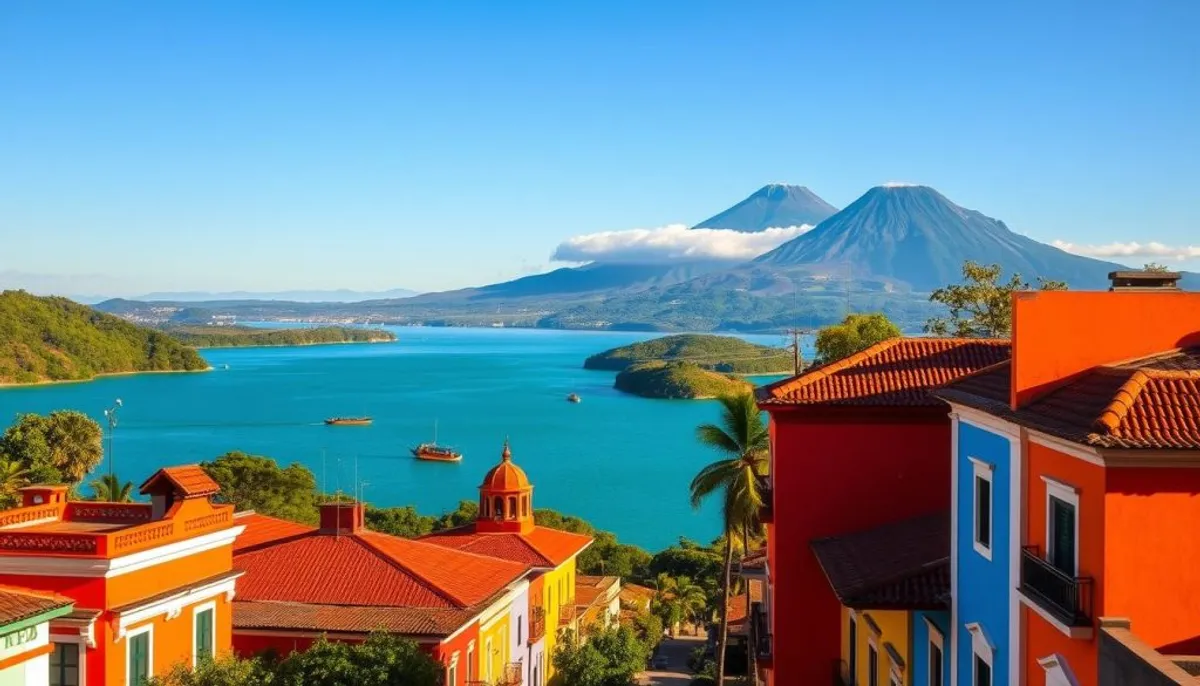
Explore the hidden treasures of Nicaragua through a memorable itinerary from Managua to León. This journey reveals the exceptional geographical diversity of this Central American country.
Must-See Itineraries from Managua to León
Start your adventure in Managua, the capital since 1852. Its warm and sunny climate welcomes visitors year-round. Don’t miss the Loma de Tiscapa National Park for a panoramic view.
Head to Matagalpa, the “Northern Pearl” renowned for its exceptional coffee. The Selva Negra private reserve offers a fascinating Coffee Tour. You will discover sustainable cultivation methods.
León, founded in 1524, impresses with its cathedral listed as a World Heritage site. It is the largest religious building in Central America. The poet Rubén Darío’s house is worth a visit.
Adventure Activities and Immersion in Nature
In Granada, embark on a boat tour of the Isletas. These 356 small islands host remarkable biodiversity. The Masaya volcano offers an impressive natural spectacle.
San Juan del Sur on the southern Pacific coast attracts water sports enthusiasts. Surfing, fishing, and diving are available. The surrounding beaches serve as natural reserves for turtles.
Plan at least ten days to fully enjoy this journey. A local guide who speaks Spanish will enrich your experience. Each city and site deserves thorough exploration.
Conclusion
Your immersion in the Nicaraguan universe is coming to an end, leaving behind lasting memories. This Central American country has revealed its exceptional heritage and vibrant traditions.
From colonial cities to Caribbean islands, each region offers a unique experience. Take the time to savor the local coffee and participate in traditional festivals.
Your journey thus becomes much more than mere tourism. It is an authentic encounter with a warm people who generously share their cultural wealth.
Whether you plan a few days of discovery or a long-term stay, this land of Latin America will captivate you. Let yourself be carried away by the legendary hospitality of the Nicaraguans.
FAQ
What are the main influences of Nicaraguan culture?
The country's culture is a fascinating blend of indigenous, Spanish, and African heritages. Indigenous peoples, like those from the Caribbean coast, brought corn and traditions. The Spanish introduced language and Catholic religion. African influences are strong in music and dances, especially on the islands and Atlantic coast.
What historical sites should not be missed during a trip?
Don’t miss the colonial cities like León and Granada, listed as UNESCO World Heritage sites. Their architectures and central squares are magnificent. On the Pacific coast, pre-Columbian sites and fortresses offer a true journey through time and history.
What are the most important traditional festivals?
Religious festivals are central. La Purísima in December and Semana Santa (Holy Week) are spectacular. In January, the celebrations of San Juan del Sur are very lively. November and August also have their own local festivals, perfect for discovering life and traditions.
What is typically eaten in Nicaragua?
The gastronomy is based on corn, with dishes like gallo pinto (rice and beans) and nacatamales. The coffee is excellent. For drinks, Flor de Caña rum is a national emblem. Also, taste the tropical fruits from different regions.
What is family life and social customs like?
Family is very important. Meals are key moments of the day. Politeness is essential. When traveling, greet people with a “Buenos días.” Street theater and markets are community life places where you can observe local customs.
What tips for integrating well during a long stay?
Learn a few words of Spanish; it is greatly appreciated. Adapt your attire: dress modestly, especially in cities and places of worship. Be open and participative during festivals. A good local guide can help you understand social norms and build connections.
Where to go for a nature and adventure experience?
The island of Ometepe on Lake Cocibolca is ideal for biking and hiking. The northern region, with its natural reserves, is perfect for birdwatching. The southern part of the country offers surfing and wild beaches. Central America is full of treasures for nature lovers.