
Welcome to this exploration of the fascinating culture of El Salvador. This small country in Central America has an extraordinary heritage that deserves to be discovered.
El Salvador carefully preserves its past through multiple artistic and traditional expressions. Colorful dances, ancestral tales, and authentic flavors tell a unique story.
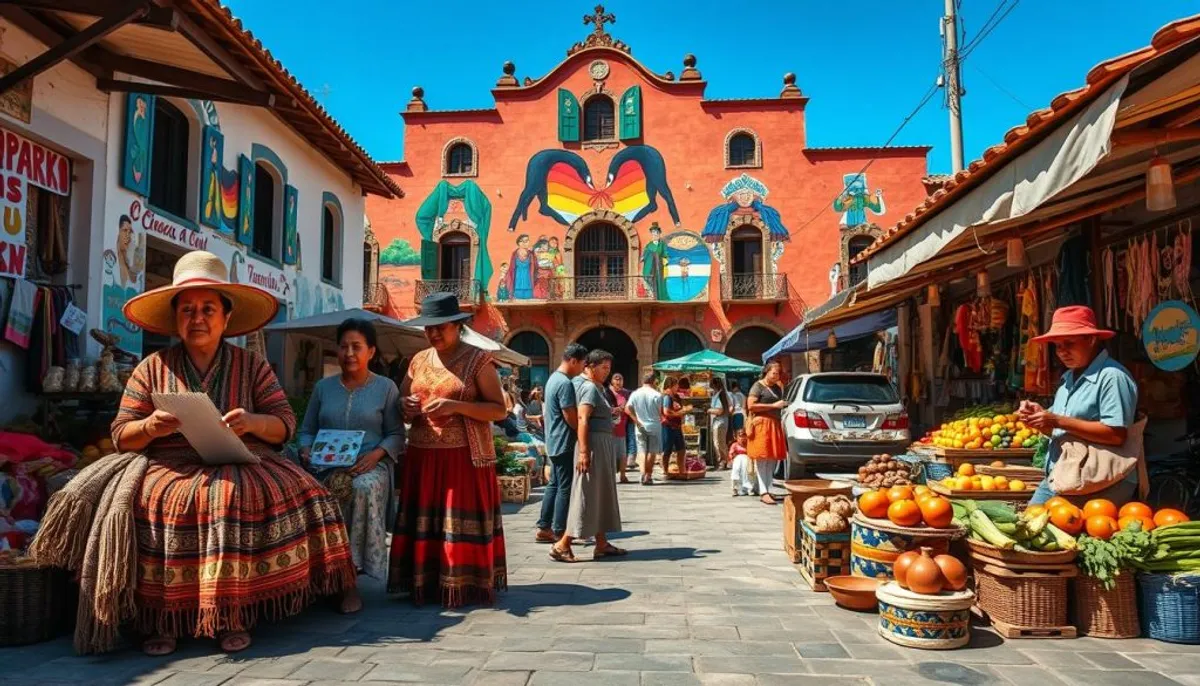
This cultural identity results from a magnificent blend of indigenous traditions and Spanish heritage. This creative fusion gives birth to a vibrant and original cultural expression.
The local communities actively work to protect their traditional values and know-how. This intergenerational transmission enriches daily life and strengthens community ties.
National symbols like the Monument to the Divine Savior of the World and living cultural practices contribute to the unity of the Salvadoran people. This wealth deserves a special place in the contemporary cultural world.
Key Points to Remember
- El Salvador is a Central American country with exceptional cultural heritage
- Its culture results from a unique blend of indigenous traditions and Spanish influence
- Local communities actively preserve their traditions and ancestral values
- The national motto "God, Union, Freedom" reflects the country's core values
- Salvadoran cultural heritage is expressed through dance, music, and cuisine
- This dynamic culture continues to evolve while maintaining its traditional roots
- El Salvador offers an unknown cultural wealth that deserves to be discovered
Introduction to the Wealth of Salvadoran Heritage
More than six million inhabitants today share an extraordinary heritage. This wealth is based on centuries of history and the contributions of various ethnic groups.
Three main communities inhabit this territory: the Nahuat-Pipil, the Lencas, and the Kakawiras. Other peoples like the Uluas and Cacaopera preserve their ancestral traditions.
The country has a remarkable colonial architectural heritage. Suchitoto represents the only fully preserved colonial village with its magnificent church.
The art galleries and theater of this place testify to cultural vitality. This preservation touches all areas of daily life.
Committed individuals pass on their knowledge to new generations. They ensure the continuity of traditions that are many years old.
This invaluable treasure deserves recognition worldwide. Its protection ensures its transmission to future generations.
History and Heritage of Indigenous Civilizations
Before the arrival of the Spaniards, Salvadoran territory was home to remarkably organized indigenous societies. These civilizations thrived in this region of Central America for over 1,400 years.
At the beginning of the 16th century, the Pipil dominated the country they called Cuscatlán. This people, linked to the Aztecs by the Nahuat language, had established a sophisticated state with laws, taxes, and trade routes.
Their knowledge of astronomy and mathematics even surpassed that of Europe at the same time. These different indigenous groups possessed impressive technological advancements.
The archaeological site of Joya de Cerén offers an exceptional testimony of this era. Preserved under volcanic ash, it reveals the daily life of the Maya hundreds of years ago.
This heritage constitutes the fundamental basis of contemporary identity. The influence of these civilizations is found in traditions and the Spanish language mixed with Nahuat.
The Linguistic and Ethnic Diversity in El Salvador
The linguistic mosaic of El Salvador provides a living testimony of its complex history. This country in Central America presents a rich tapestry of languages that reflects the different influences that have marked its territory.
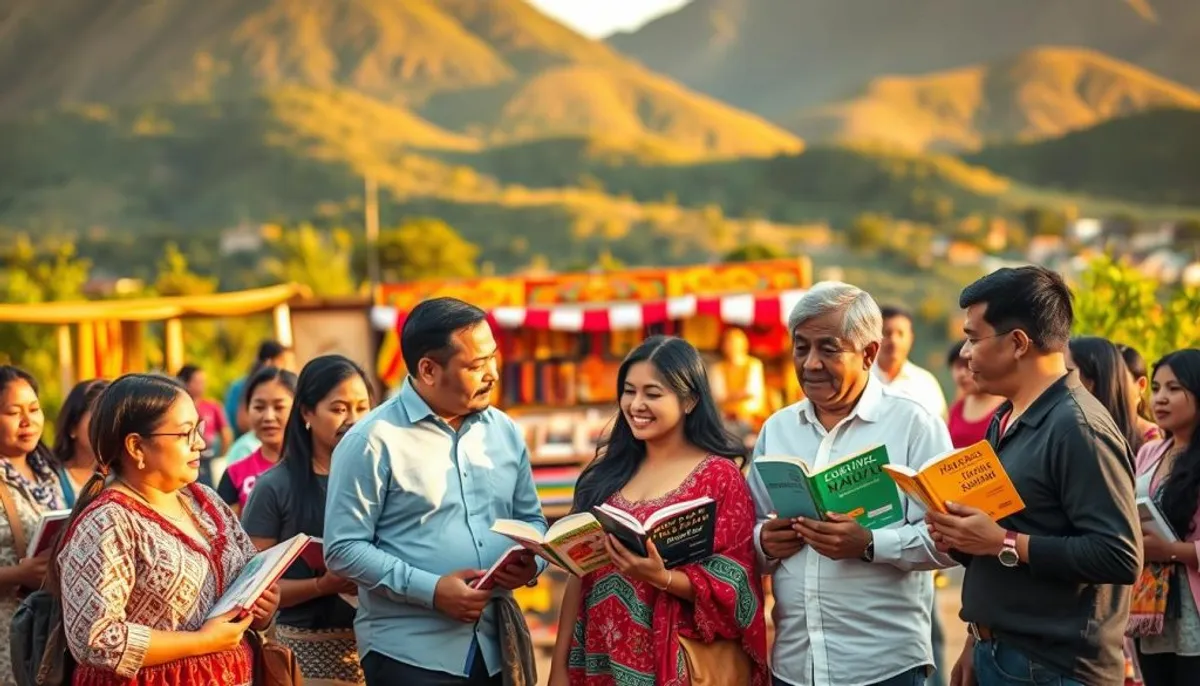
The Spanish spoken here has unique characteristics in pronunciation and vocabulary. It differs from neighboring dialects while sharing some regional similarities.
Several indigenous languages have persisted since the beginning of local civilizations. These include Lenca, Nahuatl, Cacaopera, Q'eqchi', Ch'orti', and Poqomam.
Only 1% of people still speak Pipil, the ancestral mother tongue. These speakers are mainly elders who preserve this precious heritage.
| Ethnic Group | Percentage | Characteristics |
|---|---|---|
| Mestizo | 86.3% | Dominant cultural mix |
| European descendants | 12.7% | Spanish colonial heritage |
| Others (Indigenous/Black) | 1% | Additional diversity |
The local Spanish uses specific expressions that one must know. These nuances enrich the understanding of linguistic customs.
For example, the speech of the capital differs from that of another city. These variations are an integral part of national identity.
National Symbols and Mythologies
At the heart of Salvadoran identity are emblems laden with historical significance. These symbolic representations form a bridge between the past and the present.
The flag and coat of arms perfectly embody this national union. They remind us of the core values that unite the people.
Symbols and Emblems of El Salvador
The Yucca gigantea and the Blue-crowned Motmot represent the natural wealth of this exceptional place. These plant and animal emblems are an integral part of the national heritage.
The motto "Dios, Unión, Libertad" expresses the ideals of protection of traditions. It guides collective actions towards a better union.
Mary Our Lady of Peace and José Matías Delgado symbolize the history of the country in Central America. Their importance in local culture remains considerable.
Mythologies and Traditional Beliefs
Pipil mythology transports us into the spiritual universe of pre-Columbian civilizations. Teotl and Quetzalcóatl are among its main deities.
The Nahual offers a fascinating example of living indigenous spirituality. This mystical connection between humans and animals deserves protection.
Flowers and natural elements hold significant symbolic importance. They enrich the traditional celebrations of this Salvadoran identity.
Traditions, Festivals, and Customs
The Salvadoran calendar is a true mosaic of celebrations that animate every month of the year. These events rhythm the collective life and strengthen community ties throughout the country.
Religious and Patronal Celebrations
San Salvador, the capital, organizes spectacular patronal festivals. These events hold a central place in the city and attract visitors from all regions.
Semana Santa transforms every place into a sacred space. Religious processions parade on colorful sawdust carpets, creating a unique atmosphere.
On November 21, San Miguel celebrates its patron saint since 1682. This tradition dates back to the discovery of an image of the Virgin Mary.
Local Rituals and Traditions
Every August 8, indigenous communities honor the sacred fire. This special day allows the perpetuation of ancestral customs full of spirituality.
El Día de los Difuntos, on November 2, is an emotional moment. Families lovingly and respectfully decorate the graves.
Unique events like Las Bolas de Fuego in Nejapa showcase the creativity of celebrations. These original traditions enrich the national festive heritage.
Salvadoran Gastronomy and Table Arts
The Salvadoran table invites a memorable culinary discovery, blending ancestral traditions and contemporary creativity. This unique cuisine is based on a culinary foundation where corn holds a fundamental place.
Pupusas, Coffee, and Other Local Delights
The pupusa, declared the national dish, perfectly embodies this gastronomic identity. This flatbread made from corn or rice flour comes in countless filling variations.
Salvadoran coffee ranks among the best in the world. Grown in ideal conditions, it offers exceptional aromas appreciated internationally.
Unique specialties like loroco, an edible flower native to the country, or pacaya plants enrich this culinary diversity. Family meals around traditional dishes are an integral part of daily life.
Drinks like atol de elote made from corn or Tick Tack, the national aguardiente, accompany celebrations. This gastronomy, enriched by Spanish influence, delights gourmets worldwide.
Arts, Crafts, Music, and Dance
The contemporary artistic scene draws its roots from carefully preserved centuries-old traditions. This creative wealth constitutes an essential part of daily life.
Visual Arts and Traditional Crafts
Masters like Fernando Llort and Carlos Cañas have left their mark on the last century. Their legacy continues to inspire new generations in this field.
The region of La Palma is home to workshops specializing in wood painting. Each place thus transforms craftsmanship into a living gallery.
Popular Music, Dance, and Cultural Performances
The Xuc, created over 80 years ago, remains the emblematic national dance. Its joyful steps have animated celebrations since 1942.
The musical culture blends cumbia, salsa, and traditional rhythms. Groups like Salsalvador All Stars illustrate this diversity.
Costumes adorned with flowers accompany costumbristas dances. These performances showcase exceptional creativity in a remarkable measure.
Media, Literature, and Cinema
Creative expression in El Salvador also finds its voice through writing and film. These artistic fields deeply reflect the tumultuous history of this nation.
Evolution of Salvadoran Literature
Local literature has grown with political upheavals. Francisco Gavidia paved the way for modernism in the 19th century.
During the civil war, writing became an act of resistance. Roque Dalton paid with his life for his socialist commitment.
Authors like Salarrué and Claudia Lars worked for the protection of democratic values. Their pen served the national union in difficult times.
Cinema and Contemporary Artistic Expression
The Ícaro Festival celebrates audiovisual creativity every day. It provides an essential platform for young filmmakers.
In San Salvador, modern media provide a valuable broadcasting service. Television, radio, and the internet allow for better protection of works.
| Period | Major Influence | Representative Author |
|---|---|---|
| 19th Century | Independence and Federal Wars | Francisco Gavidia |
| 1930-1970 | Resistance to Dictatorship | Claudia Lars |
| 1970-1990 | Civil War | Roque Dalton |
| Since 1992 | National Reconciliation | David Escobar Galindo |
This country in Central America continues to nurture a vibrant artistic scene. Its creation testifies to a rich history of resilience.
Salvadoran Culture and Its Contemporary Influences
San Salvador today embodies the dynamism of a national identity in constant evolution. The capital concentrates the main modern institutions like the National Theater and the Aja Museum.
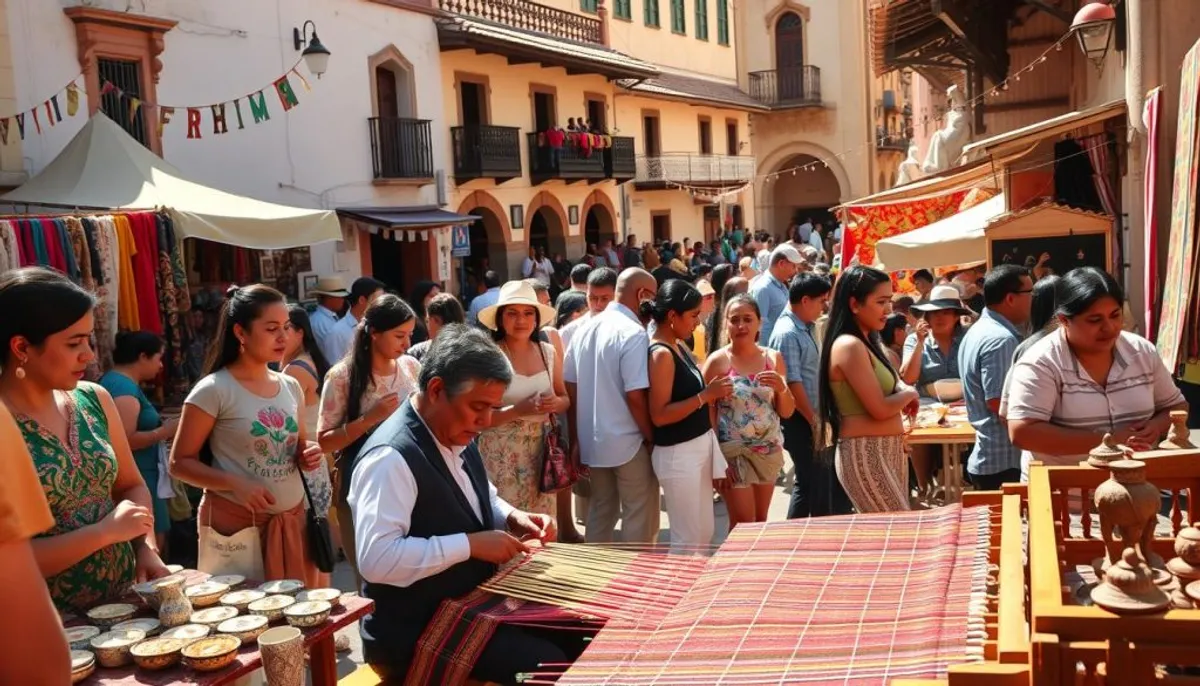
This country in Central America successfully achieves a harmonious union between traditions and innovations. International influences enrich local practices every day without erasing the roots.
The protection of heritage becomes a priority measure. Dedicated services safeguard the threatened traditions of coffee and corn.
Young generations find their balance between global trends and family customs. This synthesis creates a unique and resilient cultural expression.
Tourism development offers authentic experiences to visitors. Digital media widely disseminate this wealth to the international diaspora.
The work culture evolves while maintaining collective decisions. This approach perfectly illustrates adaptation to modern demands.
Conclusion
At the end of this discovery, El Salvador appears as a precious guardian of its collective memory. This country in Central America possesses a heritage that deserves an important place on the international stage.
Despite the trials of the civil war, national identity has strengthened. The various ethnic groups play an essential part in this transmission.
Traditional cuisine, with its renowned coffee, and festive customs animate local life every day. This wealth requires active protection in all areas.
El Salvador shows us the importance of union between traditions and modernity. Its heritage invites us to celebrate cultural diversity with respect and admiration.
FAQ
What is the capital of El Salvador and what can be discovered there?
San Salvador is the capital of the country. This large city offers a mix of history and modernity. It has museums, lively markets, and historical sites that tell the story of the region.
What are the typical dishes that must be tasted?
The local cuisine is delicious! Pupusas are the national dish: stuffed corn cakes. Salvadoran coffee is also renowned worldwide for its quality. These are true specialties not to be missed.
Are there any holidays or important festivals to know about?
Absolutely! Patronal festivals and religious celebrations, such as the day of the protection of saints, are very important. These customs bring together groups and people to share moments of joy.
What is the impact of the civil war on the country today?
The war marked the country, but the people showed great resilience. Today, efforts are made to preserve peace and heritage. The unity of communities is a pillar for building the future.
Does local craftsmanship have a special place?
Yes, craftsmanship is very vibrant! Beautiful creations can be found, such as colorful textiles or ceramic objects. These works are a measure of the artisans' talent and a beautiful part of the culture to bring back as a souvenir.
How is indigenous culture preserved?
The traditions of indigenous civilizations, such as the use of corn and certain beliefs, are still very present. Efforts are being made to protect this heritage, for example through education and the promotion of languages.