
Welcome to this exciting exploration of a fascinating Nordic heritage. This article invites you to dive into the heart of the authentic traditions that characterize this remarkable nation.
Finland stands out for its deeply rooted values of equality and respect for nature. Its unique approach to daily life surprises and delights visitors from around the world.
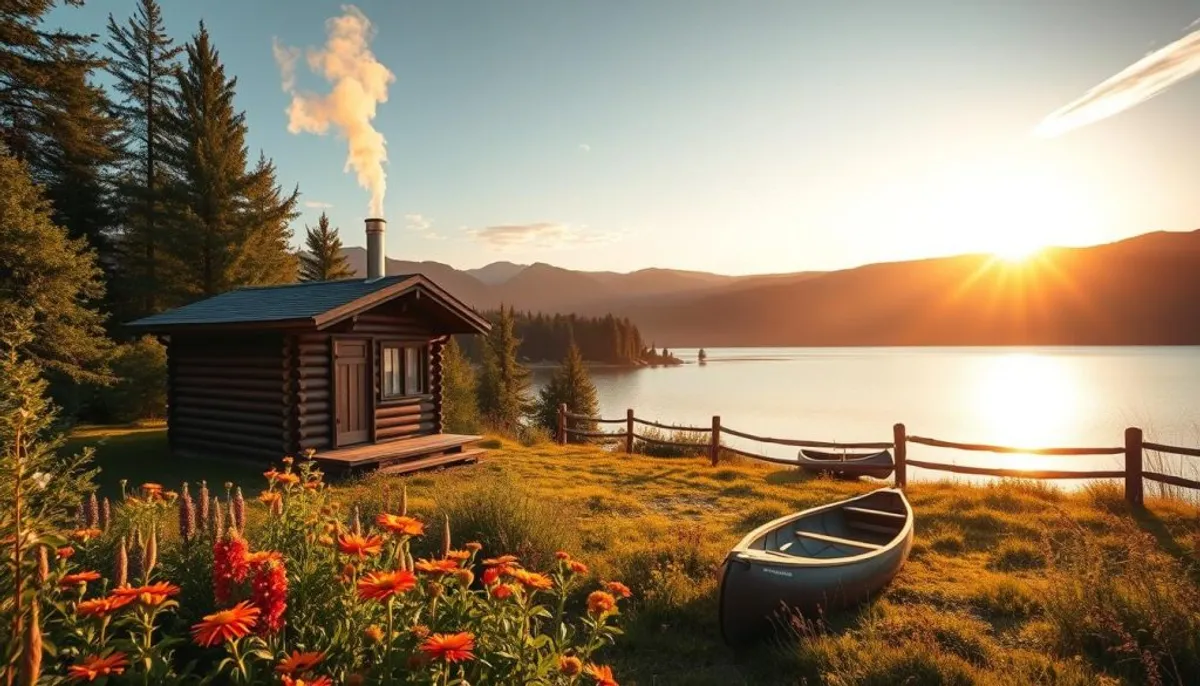
We will explore together how this society expresses itself in all aspects of life, from wellness rituals to gastronomy, education, and craftsmanship.
Prepare for a captivating journey that will reveal why this territory continues to inspire so many people. Whether you are planning a stay or simply curious, this immersion will offer enriching perspectives.
Key Points to Remember
- Finland has unique values of equality and respect for nature
- The cultural heritage combines ancestral traditions and modernity
- Wellness and saunas play a central role in daily life
- The gastronomy reflects authenticity and local products
- Education and innovation are pillars of society
- Traditional craftsmanship preserves exceptional know-how
- This Nordic country inspires with its unique approach to life
Origins and Legends of Finland
The deep forests and sparkling lakes of this land seem straight out of a fairy tale. This environment has nurtured a unique mythology, where every natural element possesses a soul.
These ancient tales continue to influence the modern country, creating a deep link between the past and the present.
The Cosmogony and the Kalevala
The origin of the world according to this vision is poetic. It tells the creation of the universe through the bursting of a bird's egg.
This belief explains the immense respect given to birds, regarded as messengers of souls. The Kalevala, the national epic, gathers these founding myths.
Passed down orally through sung poems, this literary treasure preserves the heroic and lyrical legends of ancient times.
Myths, Legends, and Iconic Figures
Among the deities, Ukko, the god of the sky and thunder, occupies a supreme place. Tuonela represents the mysterious realm where the deceased rest.
The most famous figure is undoubtedly Santa Claus, Joulupukki. He resides in Lapland with his reindeer and elves.
Originally, in pagan tradition, this Santa Claus was a man disguised as a goat. He rewarded well-behaved children and warned others.
Walking in this land of legends is to feel this ancient magic with every step. The landscapes still inspire respect for nature today.
The Values and Customs of Finnish Culture
At the heart of Finnish social relations lie fundamental principles that guide every interaction. These unwritten rules shape daily life and create a particular harmony.
Equality, Trust, and Individualism
Equality between women and men is deeply rooted in society. This value translates into fair participation in work and family responsibilities.
Finns cultivate a natural trust in others. Individualism is valued, encouraging young people to become independent quickly.
Respect for Personal Space and Punctuality
Punctuality is taken very seriously in this Nordic country. Arriving at the exact time shows respect for others' time.
Personal space is sacred. Finns appreciate their tranquility and maintain a comfortable distance during interactions.
Honesty and humility are essential qualities. Conversations include natural silences, without any particular discomfort.
These customs define a unique way of approaching social life. They reflect the authentic character of the people living in this nation.
The Essential Role of the Sauna and Wellness Rituals
Beyond a simple steam bath, the sauna is a fundamental pillar of life in Finland. This ancestral practice is an integral part of Nordic heritage. It transcends simple relaxation to become a true social ritual.
Family and Friends Sauna Tradition
Most homes have their own sauna, from individual houses to apartments. Finns visit them regularly, creating special moments of connection.
This experience is often shared with family or friends. It strengthens bonds in an authentic atmosphere. Men and women typically practice separately, dressed in a simple towel.
The Effects on Body and Mind
The sauna offers true physical and mental rejuvenation. The heat provides deep muscle relaxation. It also improves blood circulation.
The calm and silence of the atmosphere promotes inner peace. Many practice jumping into cold water after the session. This alternation revitalizes the body.
This sacred place allows for the release of daily stress. It embodies a unique wellness philosophy, blending simplicity and purification.
Finnish Cuisine and Culinary Traditions
Eating habits in Finland surprise with their rhythm and authenticity. This gastronomic approach reflects deep values of balance and simplicity.
Meal Specificities and Consumption Moments
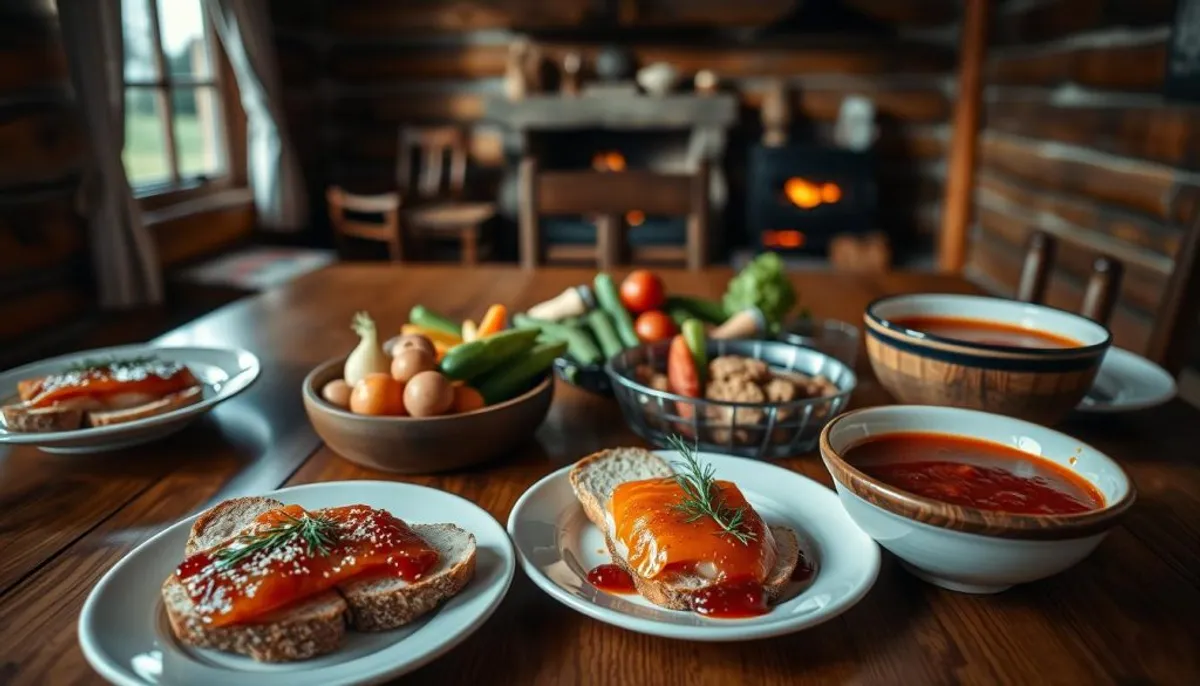
The timing of meals differs significantly from other European countries. Lunch is usually taken between 11 am and 12 pm, even in schools and businesses.
Dinner is served early, around 5-6 pm. Finns consume two hot meals a day. An astonishing peculiarity: adults often drink milk with their meals.
| Meal | Usual Hours | Main Characteristics |
|---|---|---|
| Breakfast | 6 am - 8 am | Substantial meal with cereals, bread, cheese |
| Lunch | 11 am - 12 pm | Main hot meal of the day |
| Dinner | 5 pm - 6 pm | Second hot meal, lighter |
Regional Influences and Evolution of Eating Practices
The cuisine varies by region. In Lapland, reindeer meat is favored. Along the coast, fish dominates the plates.
This cuisine is constantly evolving. Italian and Asian influences enrich local traditions. Coffee plays a central role in social life.
Restaurants are generally expensive. Tipping is not mandatory. This simplicity characterizes the authentic culinary experience.
The Wealth of Nature and Its Impact on the Art of Living
Immersion in vast wilderness areas is an essential component of local existence. This Nordic country offers a unique relationship with the environment that profoundly influences daily life.
Right of Access to Nature and Environmental Respect
The principle of jokamiehenoikeus guarantees exceptional freedom. Everyone can explore forests, pick berries, and camp temporarily without permission.
This legal tradition is accompanied by a collective responsibility. Residents show remarkable respect for ecosystems.
Outdoor Leisure: Walks, Foraging, and Wellness Silence
Outdoor activities mark the seasons. Hiking and foraging are regular family practices.
The silence of the landscapes provides a valuable mental resource. Many seek this tranquility to reconnect with themselves.
Breathing in the pure air becomes a true therapy. This relationship with nature defines a balanced philosophy of life.
The Foundations of Finnish Culture: An Immersion in "Finnish Culture"
Educational excellence and artisanal creativity form the fundamental pillars of this Nordic society. These essential elements shape contemporary identity while preserving ancestral traditions.
The Finnish approach harmoniously combines innovation and respect for heritage. This unique fusion creates an environment where each individual can fully thrive.
Education, Craftsmanship, and Modernity
The Finnish educational system is recognized as one of the best in the world. Children benefit from free education, including school meals.
This educational approach prioritizes autonomy and creativity. Young Finns thus develop essential skills for their future.
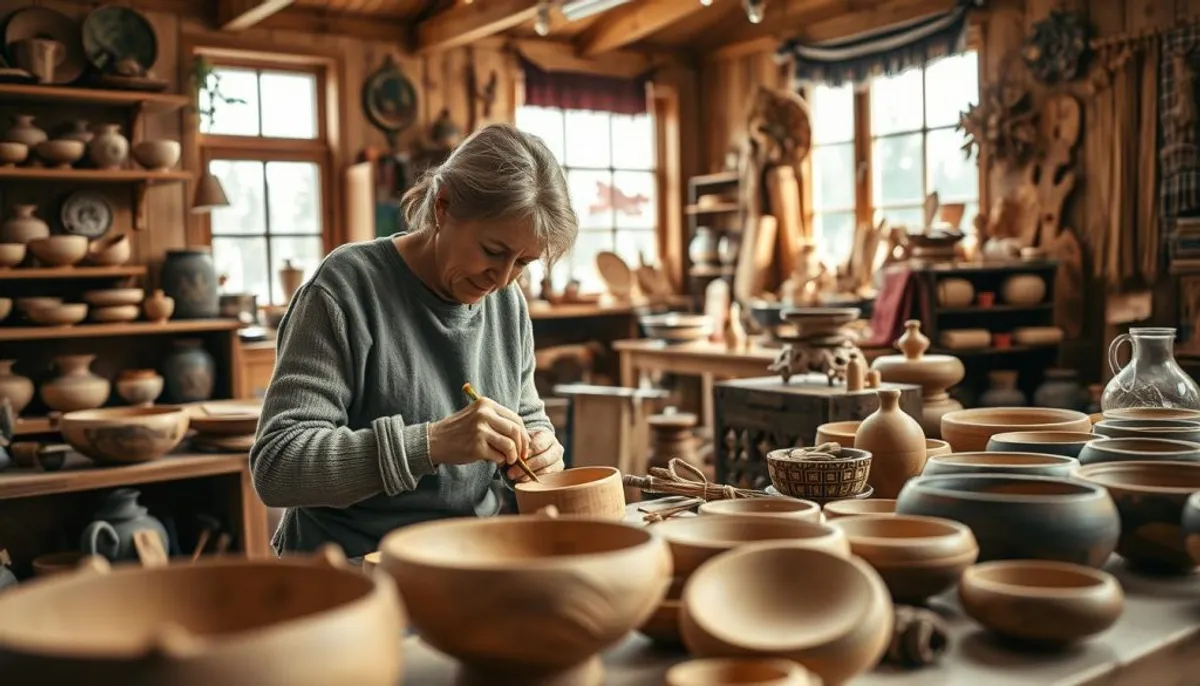
| Type of Craftsmanship | Main Materials | Characteristic Products |
|---|---|---|
| Woodworking | Local woods | Spoons, toys, sculptures |
| Traditional Textiles | Sheep/Reindeer wool | Jumpers, scarves, gloves |
| Sami Craftsmanship | Silver, leather | Jewelry, decorative objects |
Religiously, the Lutheran Evangelical Church represents the main denomination. However, contemporary society shows increasing diversity.
Many Finns today identify as non-religious. This evolution reflects the modernity of this nation while respecting individual beliefs.
Conclusion
The journey through Finnish traditions reveals a unique harmony between modernity and heritage. This Nordic country impresses with its ability to preserve its roots while constantly innovating.
The local customs, from punctuality to love for nature, form a balanced living framework. The Finns have developed a philosophy where individual well-being and collective respect coexist perfectly.
This society shows us the importance of finding a balance between tradition and progress. Every explored aspect – from saunas to education – contributes to this coherent vision.
Discovering this country enriches our understanding of sustainable social models. The Finns offer valuable lessons on the art of living in harmony with the environment.
Whether you are planning a visit or simply an intellectual exploration, this immersion will provide you with keys to fully appreciate this exceptional nation.
FAQ
How does the sauna fit into the daily life of Finns?
The sauna is much more than just a bath. It is a deeply rooted ritual. Families and friends gather there to relax, talk, and purify themselves. It is a sacred moment of well-being for the body and mind, often followed by a dip in a lake.
What punctuality rules should be observed in Finland?
Punctuality is very important and is seen as a sign of respect. Whether for dinner, a business meeting, or a friend’s appointment, it is crucial to arrive on time. Arriving early can even surprise your host!
Is the famous "Finnish silence" a myth or a reality?
It is a very present reality. The inhabitants of this country appreciate calm and do not consider silence as awkward. In nature, during a walk, or even in the company of friends, silent pauses are natural and comfortable. It is a sign of tranquility.
What does the "right of access to nature" (Jokamiehenoikeus) mean?
It is a unique right that allows everyone to walk freely in forests and natural spaces, even on private land. In return, one must respect the environment: not disturb, not pick protected plants, and leave no trace of one’s passage.
What typical dishes should one absolutely try?
The local cuisine draws its strength from nature. One must try the dark rye bread (ruisleipä), fresh berries like blueberries, and salmon. During holidays, Christmas ham and rhubarb pies are must-haves. Lunch is often a serious and complete meal.
How is the value of equality manifested in society?
Equality is a fundamental pillar. It is seen in education, where every child has the same opportunities, and in professional life. Relationships are generally simple and direct, regardless of social status. This value fosters a strong sense of trust within the community.