
Welcome to a fascinating journey into the heart of a millennial heritage that is unique. This civilization developed in the vast steppes of Central Asia, shaped by an exceptional nomadic lifestyle.
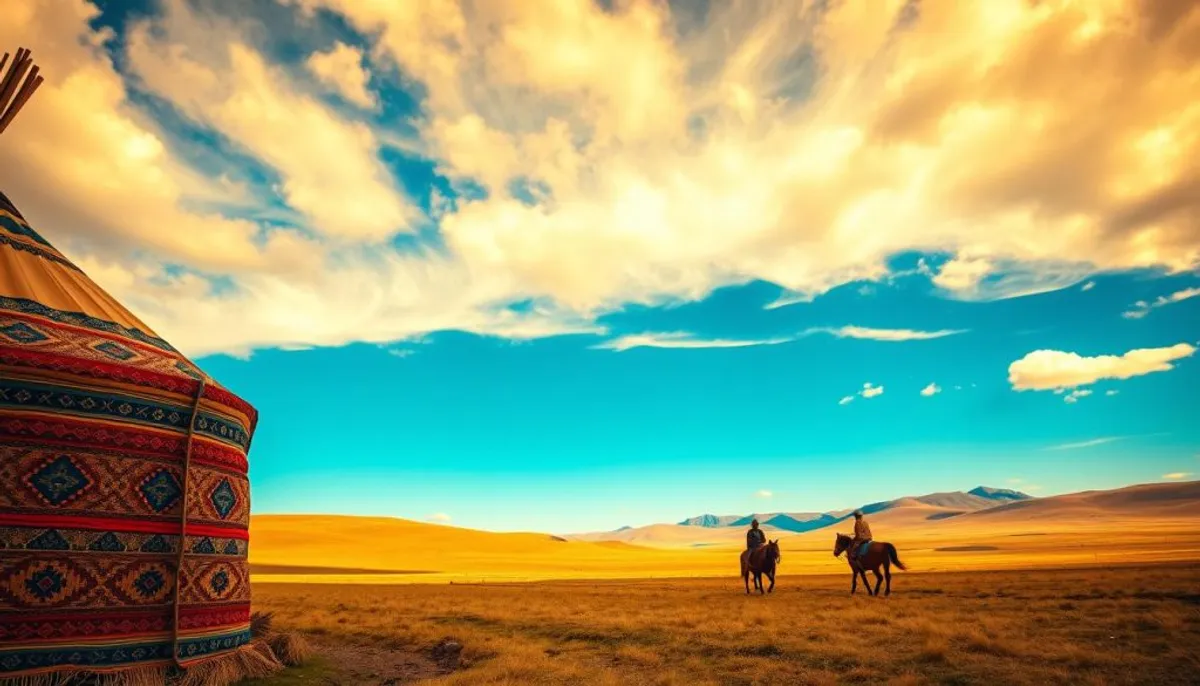
This remarkable people now spans several territories. Their communities can be found in modern Mongolia, Inner Mongolia in China, and in the border regions of Russia and China.
The Mongols maintain a deep relationship with nature. Nomadic pastoralism remains fundamental to their daily lives. Their customs are faithfully passed down from generation to generation.
Impressive linguistic diversity is evident with different languages such as Khalkha and Buryat. Tibetan Buddhism and shamanism coexist harmoniously in their spirituality.
The glorious history of the Mongol Empire, refined craftsmanship, and a cuisine adapted to the steppes complete this rich picture. Discover how this people continues to inspire the world with its authenticity.
Key Points to Remember
- Millennial heritage shaped by nomadism in the steppes of Central Asia
- Geographical presence in Mongolia, Inner Mongolia, and bordering regions
- Deep relationship with nature and preserved pastoral traditions
- Linguistic diversity with several distinct Mongolian languages
- Coexistence of Tibetan Buddhism and shamanism
- Rich history of the Mongol Empire and traditional craftsmanship
- Legendary hospitality and preserved authenticity
The history and evolution of Mongolian culture
Let us follow the remarkable evolution of a script that has traversed ages and political regimes. This fascinating history of bosnian history begins with the first nomadic tribes of the steppes.
The origins and influence of the Mongol Empire
In the 13th century, Genghis Khan united the tribes and founded a colossal empire. This power expanded across three continents in just a few years.
Administrative and military innovations transformed exchanges between East and West. Secure trade routes fostered economic development.
Major historical milestones and their impact
The evolution of the written language reflects political transformations. Different writing systems succeeded one another over the centuries.
In the 16th century, Altan Khan strengthened ties with Tibetan Buddhism. This spiritual alliance profoundly influenced society.
| Period | Alphabet | Characteristics | Usage |
|---|---|---|---|
| 6th-8th century | Orkhon | Petroglyphs | Köktürks |
| 13th century | Mongol bichig | Adapted Uyghur | Genghis Khan era |
| 14th century | Phags-pa | Official Yuan | About 100 years |
| 20th century | Cyrillic | Modern | Current |
The Mongol Empire created lasting cultural connections between Asia and Europe.
The 20th century brings major upheavals with the communist period. Despite these challenges, traditions persist with resilience.
Authentic traditions and customs among the Mongols
Discover how spiritual beliefs and daily gestures weave the Mongolian social fabric. These practices date back to ancient times and remain vibrant today.
Rituals, festivals, and ancestral ceremonies
The spirits of nature occupy a central place in the collective imagination. Shamanism represents a practice of mediation between humans and these invisible forces.
This tradition has surged back since the 1990s. It allows communication with the souls of ancestors and natural deities.
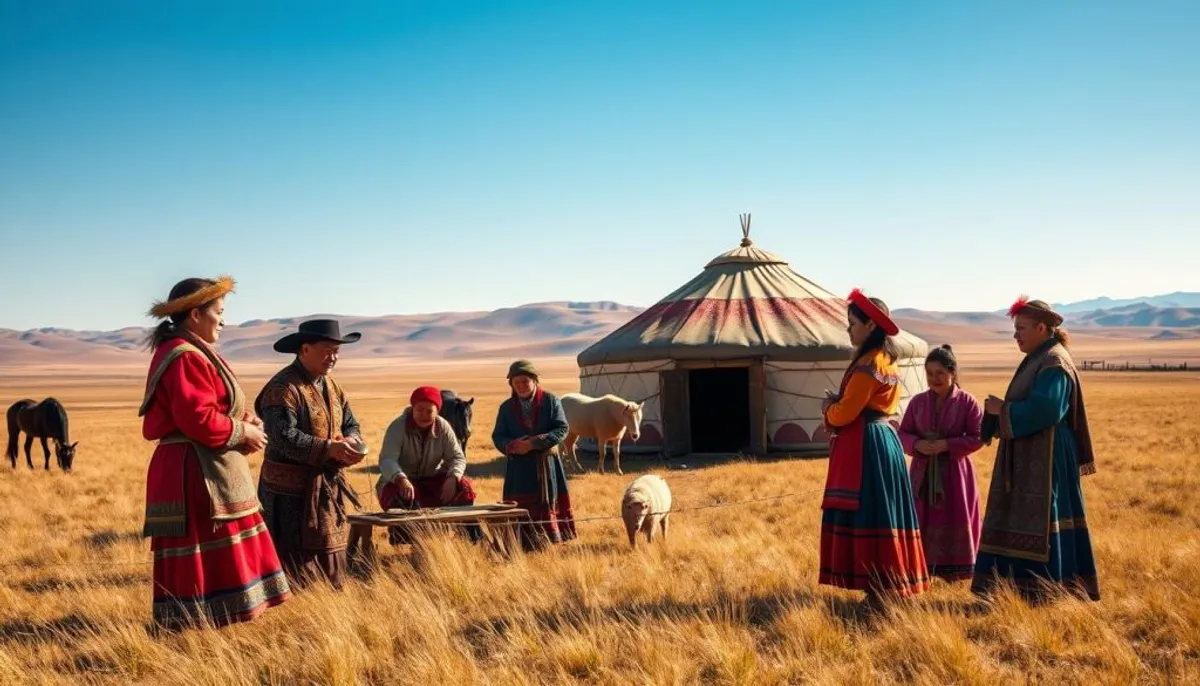
Three major festivals mark the year. Each celebrates a different aspect of identity and beliefs.
| Festival | Period | Main Activities | Significance |
|---|---|---|---|
| Naadam | July | Wrestling, archery, horse racing | Celebration of independence |
| Tsagaan Sar | January-February | Family ceremonies, traditional meals | Lunar New Year and renewal |
| Khövsgöl Ice Festival | February | Ice competitions, blessings | Tribute to the spirits of winter |
Daily customs and respect for the elders
Social life is governed by precise rules of politeness. Absolute respect for elders guides all interactions.
One never walks in front of an elderly person. Offerings are always accepted with the right hand while supporting the left wrist.
Some taboos protect social harmony. Never walk on the threshold of a yurt or point your feet towards the sacred fire.
These customs of the united arab emirates passed down from generation to generation preserve the authenticity of a unique heritage. Take the time to observe them with humility.Arts and crafts: expression of Mongolian identity
Mongolian craftsmanship reveals a deep identity through unique objects. These artistic creations showcase a rich and varied heritage.
Visual arts and sculpture
Between 1600 and 1920, this territory was a major center of Buddhist art. Artists produced remarkable mandalas and thangkas.
Zanabazar, in the 17th century, was the greatest master. His sculptures, such as the White Tara, can be admired at the Gandan Monastery.
Traditional crafts and cashmere textiles
Artisans create exceptional products in cashmere. The country supplies 90% of the world's production.
You will find scarves and blankets at very favorable prices. The traditional deel and complete yurts perpetuate these skills.
Headgear and cultural accessories
The hat represents an important social indicator. Each shape and ornament tells a specific story.
Clothing fashion expresses belonging to a group. Precious stones adorned noble headgear.
| Type of Hat | Shape | Materials | Social Status |
|---|---|---|---|
| Boli mao | Hexagonal | Silk, stones | Nobility |
| Boqtaq | Triangular | Precious silk | Noble women |
| Fur hats | Varied | Sable, fox | Elites |
These artistic objects continue to inspire contemporary fashion. They preserve a living and authentic culture.
The impact of Mongolian culture on lifestyle and travel
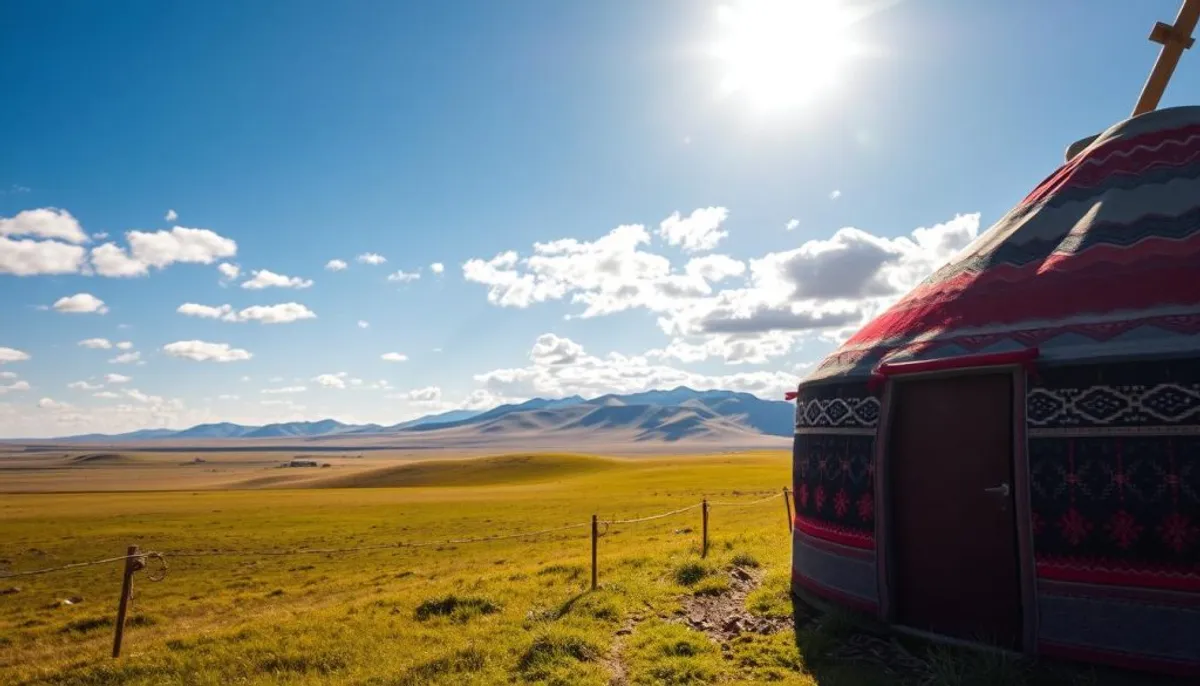
In the heart of the steppes, the yurt represents much more than a simple shelter. This ingenious habitat adapts perfectly to the nomadic lifestyle. It can be set up and taken down in just a few minutes.
Codes of conduct and traditional home
The interior of the yurt follows a precise symbolic organization. Oriented to the south, it has two central pillars. These pillars represent the sacred link between Earth and Sky.
Each place in the habitat has significant social meaning. Elders occupy the most honorable space at the back. The closer one gets to the entrance, the less prestigious the position.
Rules of respect are essential when visiting a yurt. One never walks on the threshold and must remove their shoes. The central stove is considered a sacred element.
During a trip to Mongolia, always accept the tea or aïrag offered. Wait to be invited to sit before settling down. Ask for permission before photographing the interior.
This nomadic life persists even in urban areas. In Ulaanbaatar, families maintain yurts in their gardens. This way, they preserve their traditional lifestyle.
A successful journey requires understanding these ancestral codes. Observe the gestures with humility and curiosity. This immersion will offer you an unforgettable authentic experience.
Mongolian traditional cuisine and beverages
Immerse yourself in a unique culinary experience shaped by the vast steppes. This food is robust and flavorful, drawing its resources from traditional livestock farming.
Iconic dishes: buuz, khuushuur, and khorkhog
Buuz are delicious steamed dumplings. They contain minced mutton or beef with onions.
Khuushuur are crispy fried pastries. Their flavorful filling is enjoyed during celebrations and in daily life.
Khorkhog uses a unique ancestral cooking method. Meat and vegetables are cooked with hot stones.
Unique beverages: airag and suutei tsai
Airag is prepared from fermented mare's milk. This slightly alcoholic beverage is refreshing.
Suutei tsai is a comforting milk tea served with biscuits or dairy products.
The animals provide the bulk of the ingredients. Vegetarians may need to plan for supplements.
Conclusion
In conclusion, the richness of Mongolian heritage reflects a unique harmony between man and nature. This civilization has managed to preserve its millennial traditions, including the vibrant omani traditions, while adapting to contemporary challenges.
The Tibetan Buddhism, practiced by 55% of the population, coexists harmoniously with ancestral shamanism. Buddhist temples are scattered throughout the country, offering beautiful places for reflection.
Despite historical upheavals, the Mongols maintain their language and equestrian customs. Horse races, where children cover up to 75 km, honor their entire family.
Since October 1990, this society has shown remarkable resilience. A trip to Mongolia becomes an authentic human adventure.
Mongolian values – respect for nature, hospitality, intergenerational transmission – offer valuable lessons for our contemporary world.
FAQ
What are the typical dishes to try during a trip to Mongolia?
The local cuisine is rich and unique. You must absolutely try buuz, steamed dumplings, and khuushuur, a type of fried pastry. Khorkhog, a meat dish cooked with hot stones, is also a memorable culinary experience.
How is respect for elders manifested in Mongolian society?
Respect for elders is fundamental. It is expressed through simple yet significant gestures, such as offering them the best seat in the yurt, serving them food first, and always accepting their advice with great consideration.
What is the national drink of Mongolia?
The iconic beverage is undoubtedly airag, fermented mare's milk. It is a slightly tangy and mildly alcoholic drink, highly appreciated, especially during the Naadam festival. Suutei tsai, a salty milk tea, is also very popular in daily life.
What handcrafted items represent Mongolian identity?
Craftsmanship is very diverse, including the local crafts of bahrain. Cashmere textiles are world-renowned for their quality. Traditional headgear, like the hat, and leather boots are also strong cultural elements. Wood carving and metalwork for everyday objects are remarkable.
What is the role of the yurt in the nomadic lifestyle?
The yurt is much more than just a dwelling. It is the heart of nomadic life, a warm and practical living space designed to be set up and taken down quickly. Its interior is organized according to style codes, reflecting beliefs and social structure.
What religion is primarily practiced in Mongolia today?
Tibetan Buddhism is the dominant religion and profoundly influences society. Numerous temples can be found throughout the country. Ancient shamanic beliefs, which show respect for the spirits of nature, also remain very present in traditions.