
Welcome to your ultimate guide to exploring the riches of a North American nation with grand landscapes and a unique character. Get ready for a captivating journey into the heart of an identity shaped by history and diversity.
With over 37 million inhabitants, this vast land has forged its own spirit. It has been influenced by its European roots, the wisdom of its Indigenous peoples, and the contributions of many immigrant communities.
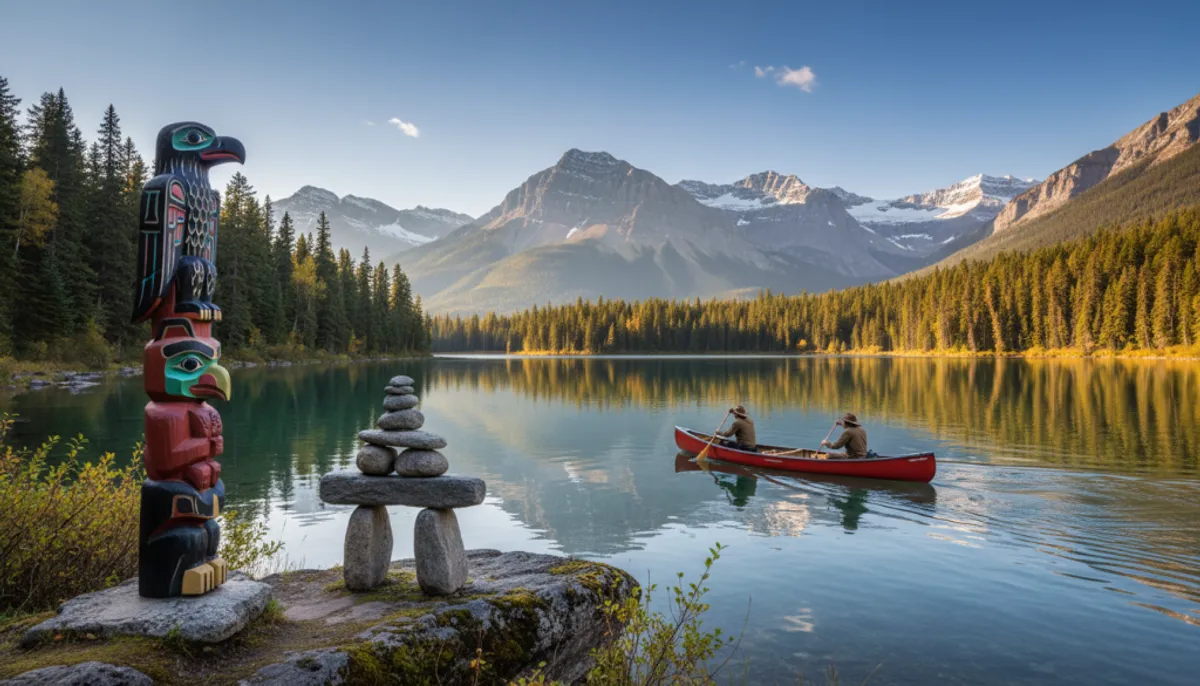
You will understand how these influences blend harmoniously. From official languages to culinary traditions, art, and festivals, each dimension holds surprises for you.
This country is much more than a simple destination. It is a true laboratory where modernity and heritage coexist. Each province has its own character, and the legendary hospitality of its inhabitants makes every stay unforgettable.
Key Points to Remember
- Canada has a distinct cultural identity, born from a blend of historical influences.
- It is a geographically vast country, where traditions vary from one region to another.
- Its cultural journey encompasses language, gastronomy, arts, and celebrations.
- The warm welcome of Canadians transforms every visit into an authentic experience.
- It offers a unique balance between preserved nature and vibrant cities.
- Exploring this culture means discovering a model of diversity and openness.
Introduction to Canadian Culture
Canada presents itself as a living mosaic, where each piece adds its color and history to a harmonious overall picture.
To grasp its full richness, an overview is essential. This section lays the groundwork for your discovery.
General Context
The identity of this country has been built over time. It draws its roots from the traditions of the First Nations, British and French heritage, and the ongoing contributions of immigrant communities.
Its immense territory also explains its many facets. From the coasts of British Columbia to the villages of Quebec, the habitats and customs vary greatly.
This diversity is a strength. It attracts visitors from all over the world each year, curious about its landscapes and folklore.
| Source of Influence | Characteristic Contribution | Contemporary Manifestation |
|---|---|---|
| Indigenous Peoples | Deep connection with nature, ancestral knowledge | Recognition of rights, national art and symbols |
| European Heritage (UK/France) | Official languages, legal and political systems | Language duality, historical architecture |
| Multicultural Immigration | Ethnic and religious diversity, new traditions | Community festivals, dynamic ethnic neighborhoods |
| American Neighboring | Media and consumerist influences | Popular entertainment, economic exchanges |
“Canada is a country where diversity is a strength, not a weakness. It is this idea that shapes our national character.”
Objectives of the Guide
This guide aims to help you discover both the historical roots and modern expressions of this society. We will explore its daily life, arts, and gastronomy.
We wish to accompany you on your discovery journey. Our approach is friendly and accessible, whether you are planning a trip or simply wish to learn.
You will understand why this country occupies a unique place, capable of harmonizing multiculturalism and cohesion. Get ready for an enriching journey into the heart of a fascinating identity.
The Origins and History of Canadian Culture
An exploration of historical foundations reveals how diverse peoples have interacted across this vast territory of North America.
European and Indigenous Influences
The history begins over 25,000 years ago in Yukon. The First Nations developed complex societies long before the arrival of Europeans.
The beginning of contact came from the Vikings in the 10th century. Systematic French exploration followed with Jacques Cartier in 1534.
Colonization intensified around 1600. Trading posts like Tadoussac, and then Quebec in 1608, were established. These encounters created an initial blending.
Key Historical Moments
The era of European empires leaves lasting marks. The Treaty of Utrecht (1713) and then the British conquest (1763) redraw the country.
The birth of the Dominion of Canada in 1867 is a major milestone. The patriation of the constitution in 1982 consolidates national independence.
Thus, over the years, the legacies of the First Nations, French, and British have merged. They form a unique and rich identity today.
Language and Ethnic Diversity in Canada
The linguistic map of the territory reveals a diversity far more complex than the simple English-French duo. This richness profoundly shapes the identity and daily life of the nation.
Official Languages and Minorities
The country recognizes two official languages. English is spoken by 75.5% of the inhabitants, and French by 24.5%.
French predominates in several provinces. Quebec is its stronghold, followed by New Brunswick and some parts of Ontario and Manitoba.
Immigrant communities add their voices. Spanish, Italian, German, Cantonese, and many other languages are commonly heard.
Indigenous Peoples and First Nations
The First Nations and Inuit represent 4.3% of the population. Their rights and heritage occupy a central place.
More than 150 indigenous languages are still spoken. They testify to the antiquity and richness of the original peoples.
| Group | Characteristic | Percentage / Number | Regions / Notes |
|---|---|---|---|
| British Origin | Founding group | 57% of the population | Present throughout the country |
| French Origin | Founding group | 21.7% of the population | Concentrated in Quebec, N.B., Ontario |
| Chinese Community | Largest minority | Over 1.7 million | Main cities like Vancouver, Toronto |
| Indigenous Languages | Ancestral linguistic heritage | Over 150 languages | Across the territory |
| Italian Speakers | Major immigrant language | 660,945 people | Long-established communities |
This mosaic makes Canada a unique example of successful multiculturalism. Each group enriches the whole while preserving its heritage.
Traditions and Celebrations in Canadian Culture
The Canadian calendar is a symphony of celebrations that unite the country while honoring its regional particularities. These moments punctuate the year for the inhabitants.
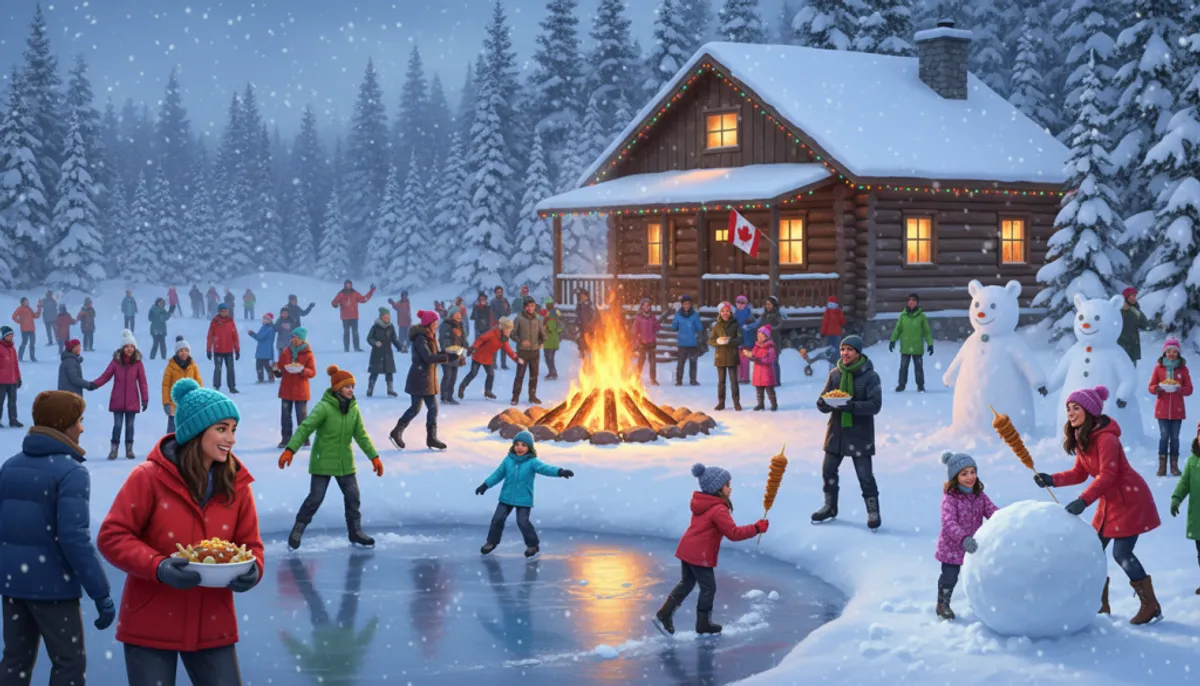
Major Holidays and National Festivities
National holidays begin on January 1st. They end with Christmas on December 25th and 26th.
July 1st is Canada Day. It celebrates the creation of the Dominion in 1867. The festivities are spectacular both in large cities and small villages.
Other important days include Thanksgiving in October and Labor Day in September.
Regional Festivities and Local Customs
Quebec celebrates its national holiday on June 24th. It is Saint-Jean-Baptiste Day, marked by bonfires and performances.
The third Monday of February has several names depending on the provinces. It is referred to as Louis Riel Day or Islander Day.
An emblematic tradition is maple taffy. During the Sugar Festival, hot maple syrup is poured over snow, creating a delicious treat that reflects an argentine tradition.
These holidays and customs create a strong sense of belonging. They illustrate the balance between national unity and regional diversity.
Music and Arts: Expression of Canadian Culture
The Canadian artistic scene vibrates to the rhythm of creativity as vast as its territories. It offers a unique journey through sounds and forms that captivate the world.
This powerful artistic expression unites legacies and invents the future. It is a fundamental pillar of collective identity.
Traditional and Contemporary Music
Classical excellence shines with icons like pianist Glenn Gould. Major symphony orchestras and chamber ensembles are acclaimed internationally.
Legendary singers, from Leonard Cohen to Céline Dion, have made their mark in history. Rock, with the band Rush, and the electro-industrial scene showcase remarkable vitality.
Traditional roots, whether Indigenous, Acadian, or Celtic, enrich this soundscape, including aspects of traditional malagasy culture. This diversity reflects the soul of the country.Visual and Performing Arts
Visual and theatrical creation completes this panorama. Numerous festivals, especially in October, highlight innovative talents.
These artistic expressions attract visitors and admirers each year. They demonstrate the ability of Canadians to innovate while honoring their heritage.
“Music is the language of the soul. In Canada, it speaks with a thousand accents.”
Exploring this scene means understanding an essential part of the national spirit. It is an invitation to discover universal emotions.
Craftsmanship and Intangible Heritage
Beyond monuments, the true treasure of a nation often lies in its intangible know-how. This craftsmanship connects generations and tells unique stories.
It reflects a deep relationship with nature. It is an essential part of collective identity.
Traditional Craft Techniques
The First Nations have developed remarkable techniques. The making of dreamcatchers and wampum necklaces is one example.
Woodworking is central. It brings to life traditional furniture and imposing totem poles.
These objects carry strong symbolism. They convey legends and values.
Contemporary Innovations and Know-How
Unfortunately, a large part of these techniques regressed with the beginning of colonization. This loss has intensified over the course of globalization.
Today, creators skillfully blend ancestral methods with modern approaches. Glass and stone work are also evolving.
In villages, many artisans open their doors to travelers. They share their passion and precise gestures.
This dynamic ensures the survival of a living heritage. It enriches the creative landscape of the country.
Canadian Culture Through Provinces and Territories
Exploring Canada is embarking on a journey through thirteen regions with distinct identities. Each province and territory composes an essential part of the national mosaic.
The English-speaking provinces and territories offer varied experiences. British Columbia enchants with its Pacific coasts. Newfoundland impresses with its vast spaces.
Nova Scotia charms with its maritime atmosphere. Niagara Falls attracts millions of travelers each year.
Cities like Toronto and Ottawa embody dynamism. They place the country on the international stage.
Quebec has a unique personality. Warmth and culinary delights occupy a central place there.
Quebecers are known for their human warmth. Their heritage is discovered in Montreal, Quebec City, and along the St. Lawrence River.
The Prairies (Alberta, Saskatchewan, Manitoba) reveal endless horizons. Their land has shaped a culture linked to agriculture.
The Great North, with Yukon and the Northwest Territories, presents exceptional environments. Inuit communities continue their traditions there.
Each journey through these regions reveals a different facet of the country's soul. Canadians are united in this diversity, proud of their particularities.
Film and Literature: Cultural Mirror
The screen and the printed page offer a unique window into the soul of a nation. These two forms of art powerfully reflect the concerns and dreams of a people.
Notable Films and Television Productions
Film has established itself on the international stage with visionary directors. David Cronenberg, born in 1943, explores the body and death in films like The Fly and Crash.
Contemporary Quebec cinema shines with Xavier Dolan. His intimate works, often featuring actress Anne Dorval, conquer festivals.
The Canadian Academy of Cinema and Television presents its awards each year in October. This ceremony celebrates the excellence of creations.
Humor also exports very well. Artists like Jim Carrey and Mike Myers have conquered Hollywood. The Just for Laughs Festival in Montreal attracts comedians from around the world every October.
Influential Authors and Writers
Literature constitutes another essential cultural mirror. It reflects the linguistic duality of the country.
It includes literature in French and Canadian English. This group of writers is recognized internationally.
The prestigious Governor General's Award honors the best works each year. Other literary distinctions encourage creativity.
This production testifies to the ability of Canadians to reach a universal audience. It makes the country a major cultural player.
The Influence of Nature on Canadian Culture
The vastness of Canadian landscapes forges a unique artistic sensitivity. This deep relationship with the environment permeates every aspect of life.
Landscapes, Environment, and Artistic Inspiration
The vast wilderness offers breathtaking panoramas. From majestic Rockies to boreal forests, each place inspires creators.
The famous Group of Seven revolutionized art by capturing the essence of these landscapes. Their distinctive style celebrates nature as a foundational element of identity.
This connection dates back to Indigenous traditions. For these peoples, the relationship with the land is spiritual and sacred.
The marked four seasons rhythm social life. Each period brings its own activities and celebrations.
The country attracts millions of travelers seeking authenticity. They come to reconnect with preserved environments.
This influence is reflected in the environmental values of Canadians. They are committed to protecting this precious heritage for the future.
Gastronomy at the Heart of Canadian Culture
Tasting local cuisine is diving into the heart of the traditions and landscapes of this vast territory. Each region unveils its specialties, creating a unique mosaic of flavors.
Typical Dishes and Local Flavors
Maple syrup is the gourmet symbol of the country. Its spring harvest leads to the Sugar Festival and tire, a sweet treat.
The Atlantic provinces excel with their seafood. One can savor Nova Scotia lobster as well as Prince Edward Island mussels.
In Quebec, comforting dishes reign. Tourtière, baked beans, and the famous poutine warm the hearts during the cold months of December.
The West offers Alberta beef and the bold Prairie Oysters dish. Pacific salmon is a star of the coasts.
The Great North offers specialties like caribou stew. Canadians accompany these dishes with craft beers or delicious ice wines.
Sports and Recreation in Canadian Culture
From crowded arenas to vast national parks, sports and recreation rhythm the daily lives of the inhabitants. This collective passion forges a strong sense of belonging.
It unites communities from one ocean to another. Each activity reflects a facet of this country's identity.
Iconic Sports
Ice hockey reigns supreme. It is considered the national sport, captivating Canadians during long winter evenings.
Wayne Gretzky, born in 1961, is the absolute legend. His number 99 has been retired across the entire National League in tribute to his genius.
Lacrosse shares this iconic status. This sport finds its beginning in the traditions of the First Nations.
Inhabitants also practice football, basketball, and baseball. Cycling, athletics, and tennis complete this highly diverse sports panorama.
Sporting Events and Traditions
Autumn is rich in competitions. Numerous championships take place, especially in October.
The famous Stampede races in Calgary are a unique spectacle. They attract thousands of travelers each year.
The nation shines on the international stage. It participates in the Olympic, Paralympic, Commonwealth, and Pan American Games.
Institutions honor these achievements. The Quebec Sports Hall of Fame, created in 1990, awards prestigious prizes.
Sports festivals and group competitions bring everyone together. They create a collective celebration and national pride.
These moments strengthen social ties. They are an integral part of the journey to discover this dynamic culture.
Cultural Tourism in Canada
Cultural tourism represents a privileged gateway to understanding the soul of this northern nation. It combines historical discoveries, authentic encounters, and grand landscapes, with culture checks accepted as part of the experience.
This experience is facilitated by the two official languages. French speakers can communicate easily, especially in Quebec.
Must-See Itineraries and Discoveries
A successful journey includes major metropolises and exceptional natural sites. Prestigious museums and festivals animate the country throughout the year.
A concentration of events takes place in October. It is an ideal time to visit.
The Royal Canadian Mounted Police, with its red uniform, is part of the international image. Its ceremonies are a major attraction.
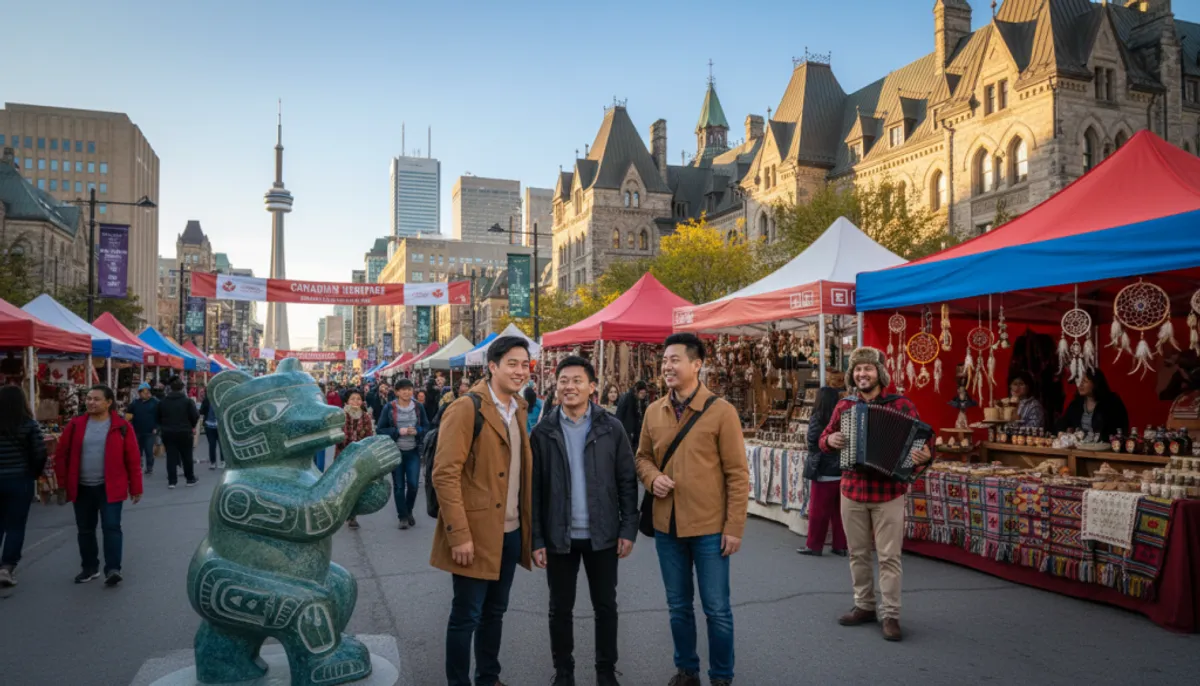
Before departure, the Canadian Cultural Centre in Paris offers an excellent introduction. Since 1970, it has provided exhibitions and lectures.
Practical Tips for Travelers
Travelers should be aware of some local customs. The prices displayed are before taxes, which vary from 5% to 15% depending on the province.
Tip is a common practice. It shows your appreciation for the service provided.
“Traveling is meeting the other in their difference and enriching oneself through that exchange.”
Good manners create a pleasant atmosphere during your stay. Punctuality is very important.
In winter, it is customary to remove your shoes when entering someone's home. Please respect this custom.
| Practical Aspect | Detail | Note |
|---|---|---|
| Restaurant Tip | 15% of the pre-tax amount | Usual |
| Driver Tip | 3-4 dollars per day/person | Recommended |
| Guide Tip | 5 dollars per day/person | Appreciated |
| Legal Drinking Age | 18 years (Quebec), 19 years (elsewhere) | To be respected |
| Behavior | Respect for traffic lights, queues, personal space | Local values |
These tips will help you fully enjoy your journey. They will allow you to integrate harmoniously.
Conclusion
This journey through Canadian identity and sexual identity has shown us how diversity and unity can coexist harmoniously. Our journey is coming to an end, but your personal exploration of this extraordinary country is just beginning.
This society has built a distinct identity over time. It places respect, creativity, and openness to the world at the heart of its values. From arts to gastronomy, every aspect reveals remarkable vitality, including the effects of cultural globalization.
We invite you to plan your own journey. Meet the inhabitants and discover why this nation occupies such a special place. Its complex history and founding nations have forged an inspiring model.
Canada demonstrates that it is possible to celebrate differences. This valuable lesson resonates well beyond its borders.
FAQ
What are the founding influences of the country's identity?
How does linguistic diversity manifest in daily life?
French and English are the two official languages at the federal level. You will hear them in government services, such as those of the Royal Canadian Mounted Police, and on product packaging. In provinces and territories, this duality is more or less pronounced. For example, in Quebec, French predominates, while other regions are predominantly English-speaking.
Are there typical celebrations beyond Canada Day?
Absolutely! Each season brings its festivities. Thanksgiving in October is a major family gathering. New Year's Day is celebrated with fervor. Communities also organize many regional festivals, often linked to harvests or local history, which are worth visiting for travelers.
Who are some iconic musical artists?
The music scene has given the world extraordinary talents. Legendary singers and groups like Leonard Cohen, Joni Mitchell, Céline Dion, and The Weeknd have topped international charts. Their works often reflect the vast landscapes and innovative spirit of the inhabitants.
What role does nature play in artistic expressions?
Nature is a powerful muse. Vast forests, lakes, and mountains constantly inspire creators. This can be seen in the paintings of the Group of Seven, in literary narratives, and even in cinema. Maple syrup, a local product, is itself a cultural and gastronomic symbol celebrated.
Can one discover unique traditional craftsmanship?
Yes, Indigenous craftsmanship is of profound beauty and meaning. Ancestral techniques of beadwork, leather, and woodwork have been passed down for generations. Today, many artists innovate by blending these skills with contemporary designs, creating unique pieces that tell a story.
Does local gastronomy go beyond poutine?
Of course! While poutine is a famous comfort dish, the table offers many other flavors. From East Coast seafood to Pacific salmon, game, and wild berry pies, each province has its specialties. Culinary discovery is an essential part of the experience for any visitor.