Imagine a land where ancestral rhythms meet vibrant modernity. This country in East Africa invites you on a unique sensory journey.
Its identity is a fascinating kaleidoscope. More than 40 distinct ethnic groups weave an extraordinary social fabric.
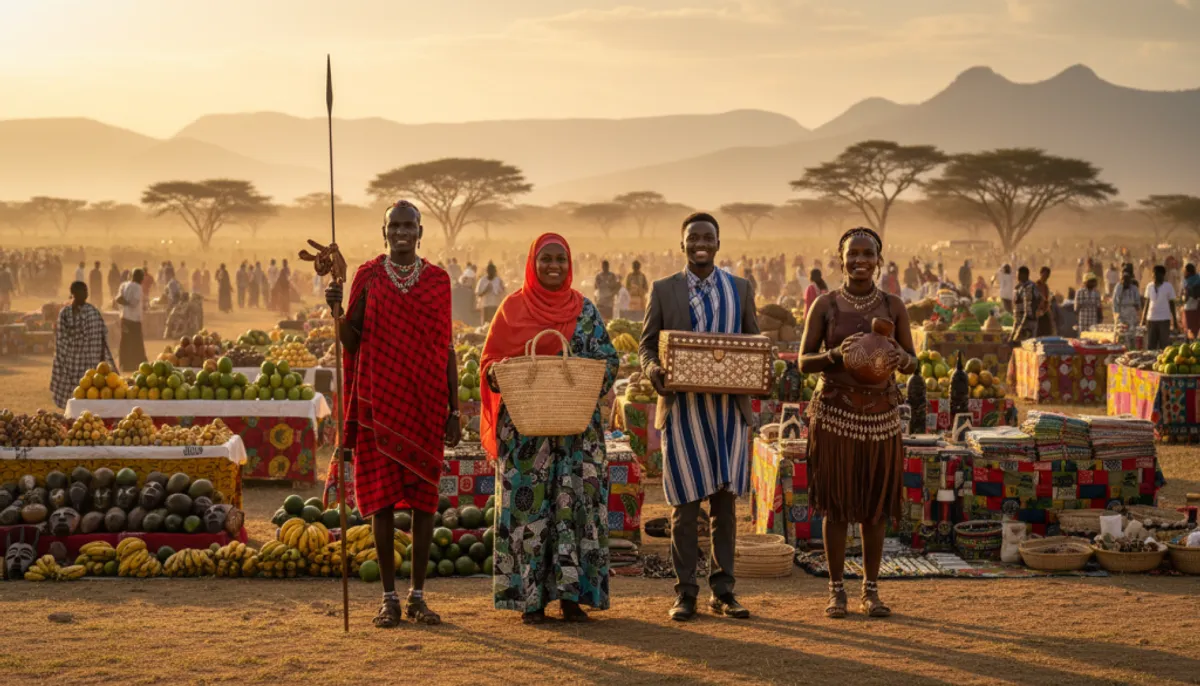
This human mosaic, with about 42 million inhabitants, is the beating heart of the nation. Each community brings its colors, sounds, and stories.
The local art of living reveals itself through melodious languages, catchy music, and generous cuisine. The immense natural heritage is also an integral part of this wealth.
Understanding this diversity is key to an authentic and profound travel experience. It transforms a simple stay into a true immersion.
Kenya is an unmissable cultural crossroads. Every visit becomes an exploration of this exceptional variety.
This article will guide you through the facets of this heritage. Get ready to discover treasures that will amaze all your senses.
Key Points
- Kenya is a nation characterized by a great ethnic and cultural diversity.
- Its identity is a dynamic blend of ancestral traditions and modernity.
- Understanding this heritage greatly enriches the traveler's experience.
- The arts, music, cuisine, and languages are fundamental pillars.
- The natural landscape plays a central role in local culture and traditions.
- Exploring this wealth offers a much deeper immersion than classic tourism.
The Origins and History of Kenyan Culture
The roots of Kenya run deep into the very cradle of humanity. This land witnessed the birth of the first civilizations thousands of years ago.
The Early Civilizations and Influences
The Rift Valley is a major prehistoric site. Fossils of hominids have been discovered there, testifying to a very ancient past.
Over time, various groups settled and evolved. The people developed complex societies long before outside contact.
As early as the 8th century, the coast attracted Arab and Persian merchants. These exchanges gave birth to the rich Swahili culture.
The British colonial period then marked the country. It transformed its social and linguistic structure in a lasting way.
Independence, achieved in 1963, launched the construction of a modern national identity. These multiple heritages still shape the Kenyan people today.
They influence daily life and form an exceptional diversity.
Kenyan Culture
More than just a heritage, it is a shared way of life that unites diverse communities. This collective identity is built on fundamental values and observable practices in everyday life.
The philosophy of Ubuntu, “I am because we are,” is an essential pillar. It profoundly influences social interactions and strengthens the sense of community.
Warm hospitality and respect for elders are immediately perceptible. The extended family plays a central role, providing a strong support network.
Contemporary society finds a delicate balance between these ancestral traditions and modern influences. National symbols, like the flag, reflect this common identity that transcends differences.
Ethnic Groups and Ancestral Traditions
Social organization is still largely structured by blood ties and ancient clan systems. This structure forms an essential part of each community's identity.
Languages and Cultural Heritage
Swahili and English are the official languages, uniting the nation. But each group preserves its own language, a direct reflection of its heritage.
The Kikuyu, who are the majority, have a strong agricultural tradition. The Luo, near Lake Victoria, excel in fishing. The famous Maasai are nomadic pastoralists.
Ceremonies and Rites of Passage
Traditions mark every stage of life. Initiations, weddings, and funerals strengthen the cohesion of the group.
A unique rite exists. After marriage, the man wears women's clothing for a month. This helps him understand their daily life.
The name given to a child also holds great importance. It often reflects the circumstances of their birth. These practices are sacred and perpetuated over time.
Art and Craftsmanship in Kenya
Artistic expression in Kenya skillfully blends ancestral heritage and contemporary visions. This abundant creativity is observed in galleries and markets.
Painting, Sculpture, and Visual Media
Painting has evolved since the 1960s. It has transitioned from an “afro-saxon” style to more personal expressions.
Figures like Jak Katarikawe, with his soft palettes, and Sane Wadu, a painter of urban scenes, are noteworthy. Their work is recognized worldwide.
Women play a pioneering role. Rosemary Karuga, a leading painter, has won numerous international awards over the years.
Nairobi is a vital center. Galleries like Watatu and RaMoMa attract artists from around the world.
In the Limuru region, collective studios like Banana Hill promote sharing. Artists develop their techniques together there.
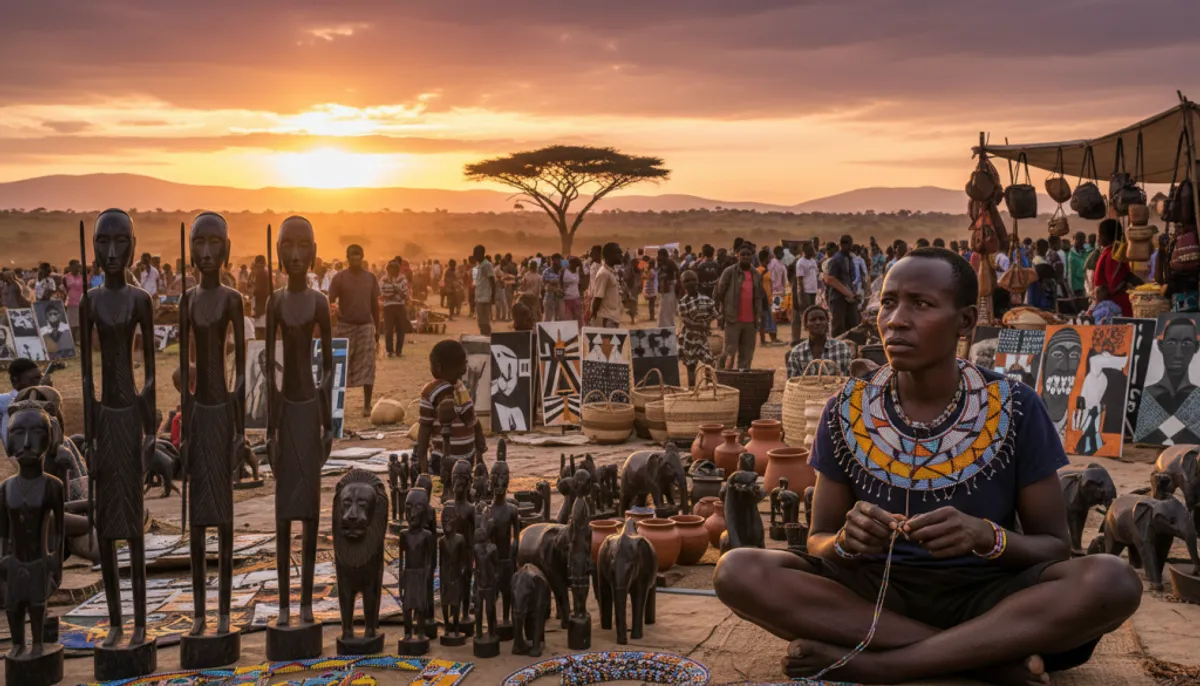
Textiles, Jewelry, and Woodcraft
Traditional craftsmanship reveals exceptional know-how. Makonde wood carving is particularly renowned for its intricacy.
Jewelry incorporates beads and cowrie shells. The Kikuyu and Kiondo bags, handwoven, are both beautiful and practical.
Leather and metal work complement this rich artisanal offering. Each piece tells a story.
Colorful textiles, like Kanga and Kitenge, are ubiquitous. Worn by women, their vibrant patterns often carry messages.
| Artistic Domain | Characteristics | Examples / Artisans |
|---|---|---|
| Contemporary Painting | Evolved since the 1960s, personal and colorful styles. | Jak Katarikawe, Sane Wadu, Rosemary Karuga. |
| Wood Sculpture | Detailed and narrative art, often in ebony. | Makonde sculptures, family workshops. |
| Textile Craftsmanship | Colorful printed fabrics with messages, worn daily. | Kanga, Kitenge, local weavers. |
| Traditional Jewelry | Use of beads, cowrie shells, and metals, strong symbolism. | Maasai adornments, artisans from Mombasa. |
Music and Performing Arts
From traditional rhythms to urban beats, music embodies the vibrant soul of this nation. It is an essential part of daily life and celebrations.
The country offers a unique acoustic panorama. Each community brings its distinct sound.
Traditional and Modern Melodies
The ngoma (drum) unites ethnicities in a common rhythmic tradition. Benga, born among the Luo, dominates dance floors with its electric guitars.
Other regional styles enrich the offering. Ohangla animates ceremonies, while Swahili taarab accompanies weddings.
Artists like David Owino Misiani have made history. The group Them Mushrooms created “Jambo Bwana,” a hymn known worldwide.
The gospel scene and choirs, like Muungano, are very popular. They express a fervor born from the churches.
Dance and Theater in Daily Life
Theater was revolutionized by Ngugi wa Thiong'o. He wrote in Kikuyu to reach a broader audience.
The sigana is a form of total performance. It blends storytelling, dance, and rites in community performances.
These living arts transcend time. They remain pillars of contemporary cultural life.
| Musical Style | Origin & Characteristics | Representative Artists |
|---|---|---|
| Benga | Contemporary dance music, Luo origin, electric guitars. | David Owino Misiani, Uyoga and Kapere Jazz Band. |
| Ohangla | Luo rhythms for ceremonies, modern harmonica. | Tony Nyadundo. |
| Taarab | Swahili music from the coast, for weddings and celebrations. | Traditional singers from Mombasa. |
| Hip-hop/Rap | Reflection of urban youth, modern sounds. | Duo GidiGidi MajiMaji, singer Amani. |
Kenyan Cuisine and Its Authentic Flavors
The Kenyan table offers a unique sensory experience, a direct reflection of its geographical and human diversity. Each dish tells the story of a country with many faces.
This gastronomy varies considerably from one region to another. It adapts to local resources and community heritages.
Traditional Dishes and Local Drinks
The ugali is the essential staple of the diet. This simple and nourishing maize dough accompanies almost every family meal.
Surrounding it are flavorful dishes. The nyama choma (grilled meat) reigns during celebrations. The sukuma wiki, sautéed greens, adds freshness.
Near the lakes, fresh fish is celebrated. These specialties create an intense social life around sharing.
Traditional drinks complement this feast. Millet or sorghum beers, palm wine, and Chang'aa enliven ceremonies.
In 2021, UNESCO recognized this heritage. It inscribed the safeguarding of food practices in the register of good practices.
Having a meal here is much more than just nourishing oneself. It is celebrating a culture of conviviality that unites every family and every region of the country.
The Natural Wonders and National Parks
Kenya is home to a network of parks and natural reserves that cover nearly 10% of its territory. This mosaic protects remarkable biodiversity and breathtaking landscapes.
Safaris in the Maasai Mara
The Maasai Mara reserve is the most famous. Its vast stretches of savanna are the stage for the Great Migration.
From July to October, millions of wildebeests, zebras, and gazelles cross the Mara River. Predators like lions and cheetahs lie in wait. One can observe the famous animals of the “Big Five.”
Discovering Tsavo and the Rift Valley
Tsavo National Park is the largest. It is divided into East and West. Its spectacular red landscapes are home to the “red elephants” covered in ochre dust.
The Rift Valley runs through the country from north to south. It is home to alkaline lakes like Nakuru and Bogoria, where millions of flamingos create a unique spectacle.
Other parks are worth a visit. Amboseli offers views of elephants in front of Kilimanjaro. Hell's Gate is ideal for mountain biking amidst wild nature.
| Park / Reserve | Main Characteristics | Iconic Wildlife |
|---|---|---|
| Maasai Mara | Endless savanna, stage for the Great Migration (July-Oct). | Big Five, wildebeests, zebras, cheetahs. |
| Tsavo | Red landscapes, largest national park, lava caves. | Red elephants, maneless lions, baobabs. |
| Rift Valley (Lakes) | Geological fault, alkaline lakes, hot springs. | Flamingos, hippos, numerous birds. |
These preserved spaces offer a total immersion in nature. They allow for the admiration of an incredible variety of animals in their habitat.
Discovering Nairobi: Art, Culture, and Heritage
In the heart of Kenya, Nairobi stands as a green metropolis where technological innovation meets unique national parks. This vibrant capital is the gateway for most journeys.
It offers a fascinating blend of modernity and history. You will find a dynamic art scene and renowned conservation sites.
Must-See Museums and Galleries
The National Museum houses fascinating ethnographic collections. The Railway Museum traces colonial history with its steam locomotive.
For contemporary art, visit the historic galleries. Paa Ya Paa Arts and Watatu have been institutions for many years.
New galleries are also blooming at the Village Market. They offer a view of current creation.
Modernity and Urban History
Nairobi is nicknamed “Silicon Savannah.” It is a major African technological center attracting innovators from around the world.
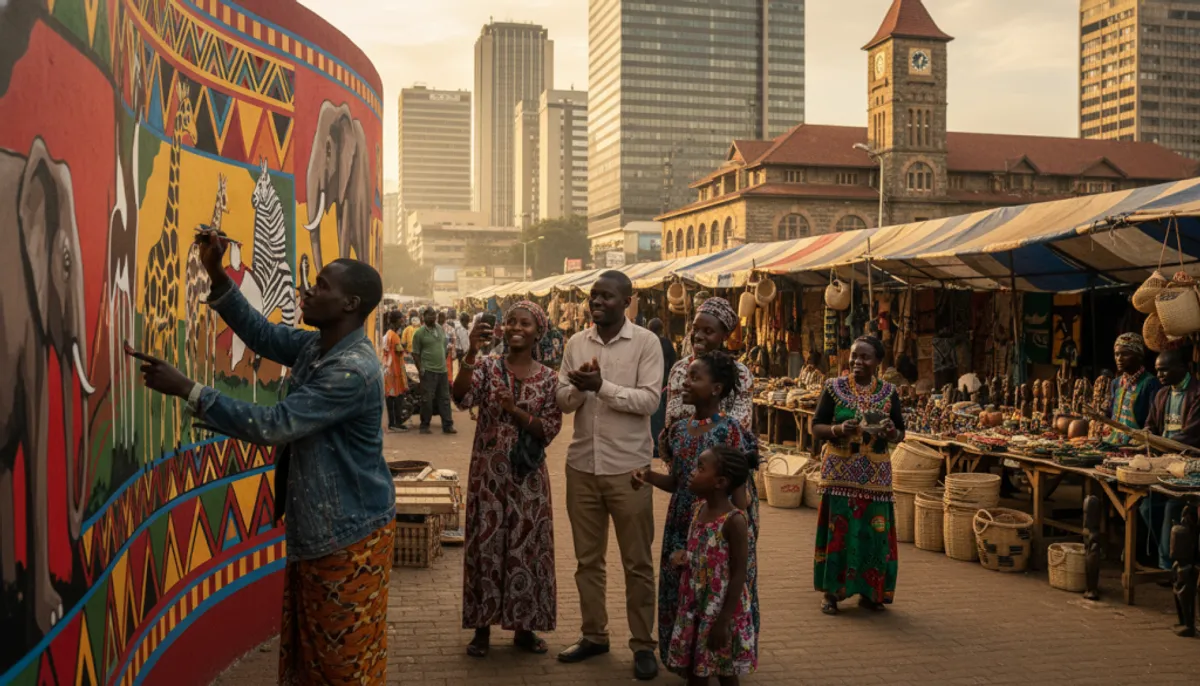
Its architecture blends colonial buildings and skyscrapers. This reflects the rapid evolution of one of Africa's major cities.
Don’t miss the Nairobi National Park, unique in the world. Lions and giraffes roam with downtown buildings in the background.
The Giraffe Centre and the Sheldrick Wildlife Trust are moving centers of conservation. They allow for close encounters with iconic animals.
For souvenirs, the Maasai market in the center offers crafts and creations. The urban contrasts provide memorable photos.
| Attraction | Type | Key Experience |
|---|---|---|
| Nairobi National Park | Natural park | Safari with view of the skyline, see the “Big Five.” |
| National Museum | Museum | Discover historical and ethnographic collections. |
| Giraffe Centre | Conservation | Approach and feed Rothschild’s giraffes. |
| Watatu / Paa Ya Paa Galleries | Art | See works by contemporary artists, affordable entry fee. |
Taking photos here is a true delight. Every street corner reveals a new contrast between nature and urbanity.
Compared to other dynamic cities, Nairobi stands out for this coexistence. It deserves thorough exploration.
The Travel Experience in Kenya
Traveling to Kenya is to embark on an adventure that leaves a lasting impression and transforms one’s perspective on the world. Your journey becomes a total immersion between animal discoveries and human encounters.
Each day brings its share of wonders. This unique experience blends spectacular nature with rich exchanges.
Tips for a Successful Safari
Plan your safari between July and October. The month of August is ideal for observing the Great Migration.
Consider a circuit of at least 10 to 15 days. This allows for visiting several parks and reserves.
Different types of safaris are available. Choose between the classic 4x4, hiking with a Maasai guide, or the photographic version.
Advance organization is essential. Book your accommodations and transfers in advance for a smooth stay.
“We loved that everything was organized. Serious drivers and professional staff at every step. It was 15 days of wonderful discovery!”
Don’t forget the eTA (Electronic Travel Authorization). This online formality, simple and quick (around 30-35 USD), is mandatory since January 2024.
Culture and Ecotourism in Action
Ecotourism is a reality here. Opt for responsible safaris that support wildlife conservation.
Many eco-friendly lodges exist. They also fund local community projects.
Traveling with family is entirely possible. Educational safaris and child-friendly activities are offered.
For a serene experience, check your vaccinations and get insurance. Always follow safety guidelines during excursions.
| Type of Safari | Best Period | Recommended Duration | Key Experience |
|---|---|---|---|
| 4x4 Safari (Classic) | July to October | 7-10 days | Observation of the “Big Five” and migration. |
| Walking Safari (with guide) | June to September (dry season) | 2-3 days (as a supplement) | Sensory immersion, animal tracks, small mammals. |
| Photographic Safari | All year round (depending on species) | 10-15 days | Unique shots with specialized equipment and guides. |
| Culture & Nature Circuit | January-March & August | 12-15 days | Combination of national parks and village visits. |
Cultural Itineraries and Iconic Visits
The northern coast of Kenya hides UNESCO-listed cultural treasures, such as Lamu Island. These destinations offer a complementary experience to classic safaris.
They allow for a deeper journey. You discover living history and local initiatives.
Lamu, Pearl of the Swahili Coast
Lamu is a small island where time seems suspended. Its narrow alleys wind between coral houses with carved doors.
No cars circulate there. Movement is on foot, by donkey, or in traditional dhows.
This place plays a major spiritual role. It is an active center for Muslim celebrations and Swahili festivals.
Ol Pejeta, Model of Conservation
At the foot of Mount Kenya, the private Ol Pejeta reserve is an example of sustainable tourism. It protects the last northern white rhinos and a chimpanzee sanctuary.
Your visit directly supports the fight against poaching. It also funds educational programs for neighboring communities.
Not far from there, Lake Victoria inspires artists. The region is the cradle of Luo fishing traditions.
The coastal village of Watamu, with its white sandy beaches, is another top destination. Its marine reserve is at the forefront of turtle protection.
These itineraries give a central place to encounters. They transform a simple stay into a memorable human adventure.
The Challenges and Perspectives of Kenyan Culture
The current challenges in Kenya reveal the constant tension between rapid modernity and millennia-old customs. This country moves forward in a globalized world while protecting its soul.
The balance is delicate. Preserving ancestral traditions remains an essential part of the identity of the people.
Modernization and Respect for Traditions
Freedom of expression illustrates this tension. In 2016, Kenya was ranked 95th out of 180 for press freedom.
A significant degradation has been observed since the period of the 2013 laws. This is a major challenge for contemporary society.
Diversity and the Future of the Kenyan People
The diversity of ethnic groups, with over 40 groups, is both a strength and a challenge. Managing this wealth is crucial for the future.
Women are playing an increasing role. About thirty artists showcase works on femininity and social achievements.
Literature is also experiencing a revival. Since the mid-2000s, authors like Yvonne Adhiambo Owuor have gained international recognition.
These successes demonstrate a dynamic culture. The new generations, connected, are shaping a future where diversity remains a pillar.
The country continues to innovate while honoring its heritage. This is the promise of a rich future.
Conclusion
The name “Kenya” now evokes a wealth far beyond spectacular landscapes.
This country brings together more than forty ethnic groups. Their heritage creates a vibrant mosaic.
From contemporary paintings to the rhythms of benga, each artistic expression tells a unique story.
Your journey becomes a complete experience. Explore the great national parks and the white sandy beaches.
Discover Nairobi, a modern metropolis at the gates of the savanna. Then dive into the atmosphere of coastal villages.
Share a meal with a local family. This immersion transforms your stay into a human adventure.
The younger generations proudly carry this heritage into the future. They innovate while honoring their roots.
Plan your visit to experience this authentic encounter. Kenya awaits you, ready to share its treasures.
Its name now symbolizes natural beauty, diversity, and warm hospitality.
FAQ
How many main ethnic groups are there in Kenya?
The country has over 40 distinct communities. The Kikuyu, Luhya, Kalenjin, Luo, and Maasai are among the most significant. Each has its own traditions, languages, and social practices, creating a fascinating mosaic.
What is the best time for a safari in the Maasai Mara?
To observe the famous great migration, visit between July and October. This is a spectacular period. For quieter safaris and lush nature, the months of April to June are also very pleasant.
What traditional dishes should one absolutely try?
Don’t miss the *nyama choma* (grilled meat), *ugali* (a maize dough), and *sukuma wiki* (sautéed greens). By the sea, fish and coconut dishes, like biryani, are delicious.
Is Nairobi worth a cultural visit?
Absolutely! The capital is home to unique places like the Karen Blixen Museum and Nairobi National Park. Its dynamic downtown blends colonial history with a very vibrant modern art scene.
What are the main UNESCO World Heritage sites in Kenya?
The Lamu archipelago, a preserved Swahili gem, and the national parks of Lake Turkana are part of it. These places protect both a unique architectural heritage and rare ecosystems.
How to respect local customs while traveling?
A> It is essential to ask for permission before photographing people. In villages, wear modest clothing and show respect for ceremonies. A local guide is often the best gateway to an authentic experience.
Where can one discover traditional craftsmanship?
A> The markets of Nairobi (like the Maasai market) and Mombasa are full of Maasai jewelry, wooden sculptures, and colorful textiles. These items tell the story and skills of different peoples.