
Welcome to a fascinating exploration of Zimbabwean identity. This journey takes us to the heart of an African nation with millennia-old traditions. You will discover how ancient history meets modern practices.
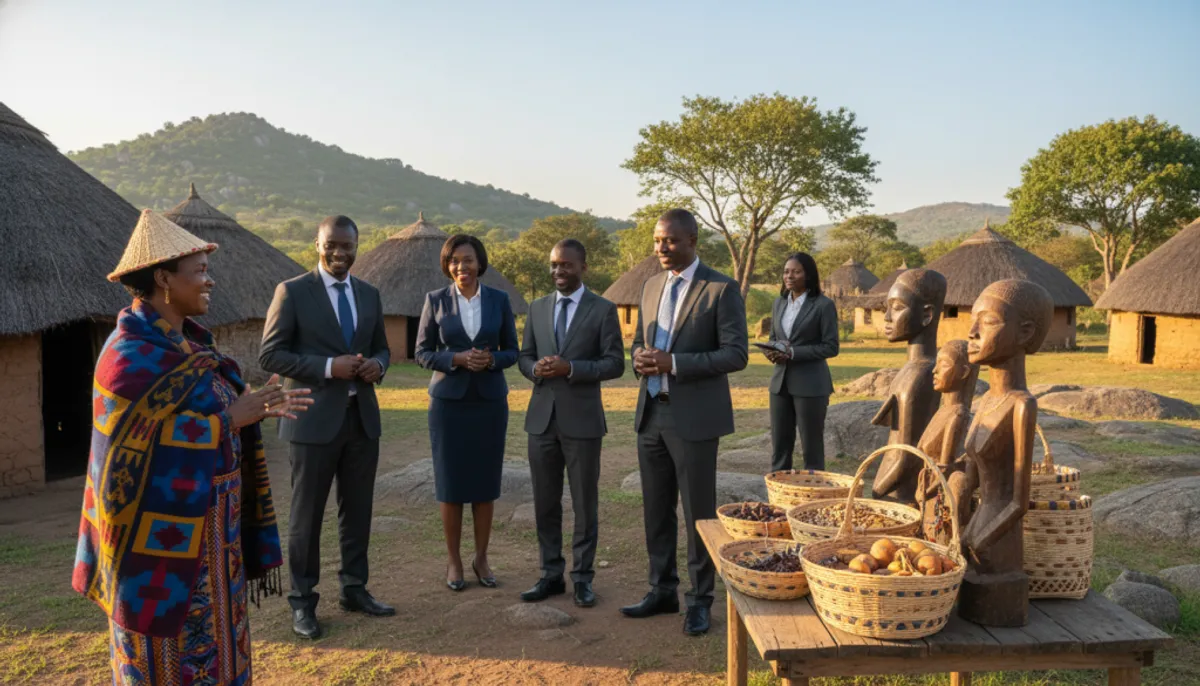
Zimbabwe is a landlocked country in Southern Africa with about 15 million inhabitants. This growing population preserves an exceptional heritage. The Great Zimbabwe National Monument symbolizes this historical richness.
This unique society maintains a subtle balance between ancestral traditions and contemporary realities. Spiritual practices coexist with modern artistic expressions. Each ritual tells a story passed down through generations.
Through this article, we will explore how this identity influences not only Africa but also the entire world. Get ready to discover living traditions that continue to evolve.
Key Points to Remember
- Zimbabwe has a rich history dating back thousands of years
- The current population exceeds 15 million inhabitants
- The Great Zimbabwe Monument testifies to this exceptional heritage
- Ancestral traditions coexist with modern practices
- This cultural identity influences Africa and beyond
- Art and spirituality remain fundamental pillars
- Each generation contributes to preserving this unique heritage
Introduction to Zimbabwean Culture
At the heart of Southern Africa, Zimbabwe cultivates a unique heritage shaped by time. This African nation possesses a deep identity born from a complex and rich history of bulgaria.
The roots of this society trace back to the ancient empire of Great Zimbabwe. This flourishing civilization dominated the region between the 11th and 15th centuries.
The country is home to a mosaic of major ethnic cultures. The Shona represent about 80% of the population, while the Ndebele make up 20%.
Origins and Historical Influences
Over the years, this land has undergone profound transformations. The British colonial period lasted until independence in 1980.
This historical turning point marked the assertion of national identity in the face of external influences. Each ethnic group brings its own traditions and languages.
Symbols, Languages, and Ancestral Traditions
The national symbols reflect the deep soul of this nation. The anthem "Kalibusiswe Ilizwe leZimbabwe," adopted in 1994, celebrates the Zimbabwean land.
The motto "Unity, Freedom, Work" embodies the core values. The Zimbabwe Bird, discovered in ancient ruins, remains a mysterious emblem.
The religious landscape shows a harmonious coexistence. Christianity dominates while traditional beliefs persist.
The Spiritual Heritage and Traditional Rites
The mystical heritage of Zimbabwe represents a bridge between the visible world and that of the ancestors. This spiritual dimension profoundly influences daily life.
The Role of Mediums and Sacred Sticks
The N’anga, or mediums, have held a prestigious social position for thousands of years. They serve as intermediaries between the living and ancestral spirits.
Their work consists of maintaining the psychological balance of the community. Mbuya Nehanda, a legendary Shona figure, expresses herself through them.
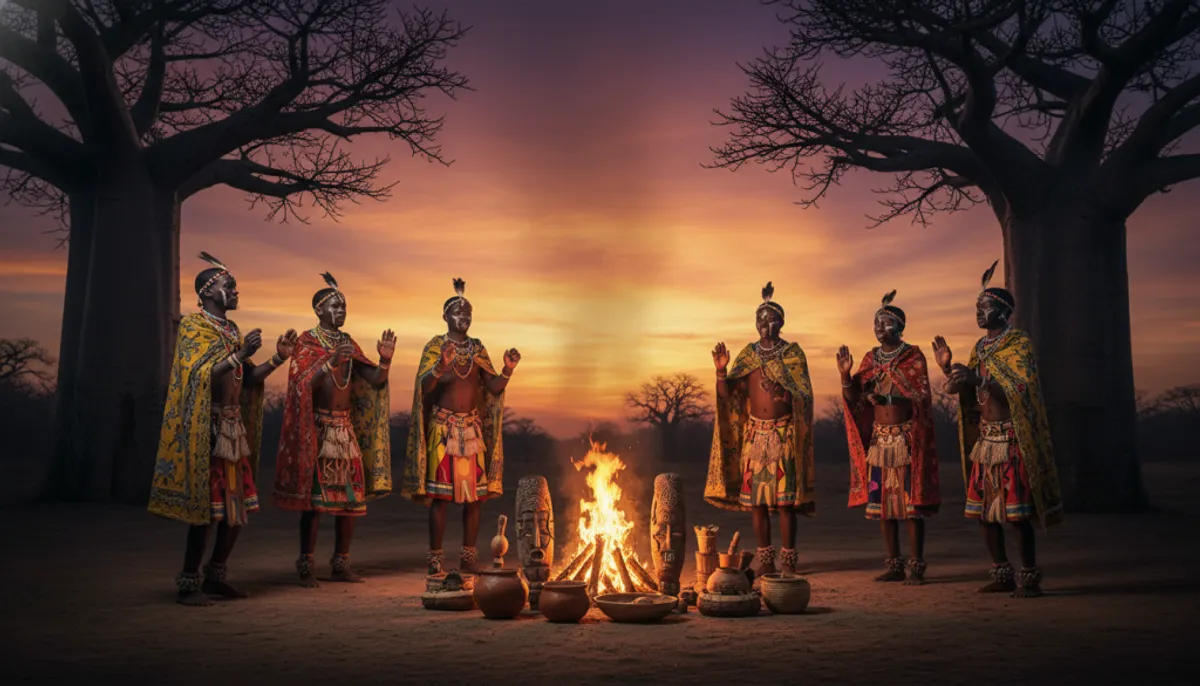
The sacred sticks are among the most symbolic objects. Carved with animal motifs, they manifest spiritual authority.
Religious Practices and Community Rituals
Traditional ceremonies coexist harmoniously with Christianity. This fusion creates a unique religious syncretism in the country.
The rituals strengthen community bonds at every stage of life. They have played a crucial role more than once in national history.
This spiritual transmission contributes to the well-being of all humanity. It preserves valuable ancestral knowledge.
Exploration of Zimbabwean Culture
A unique creative effervescence characterizes the artistic landscape of this African nation. This exploration reveals an exceptional heritage recognized worldwide.
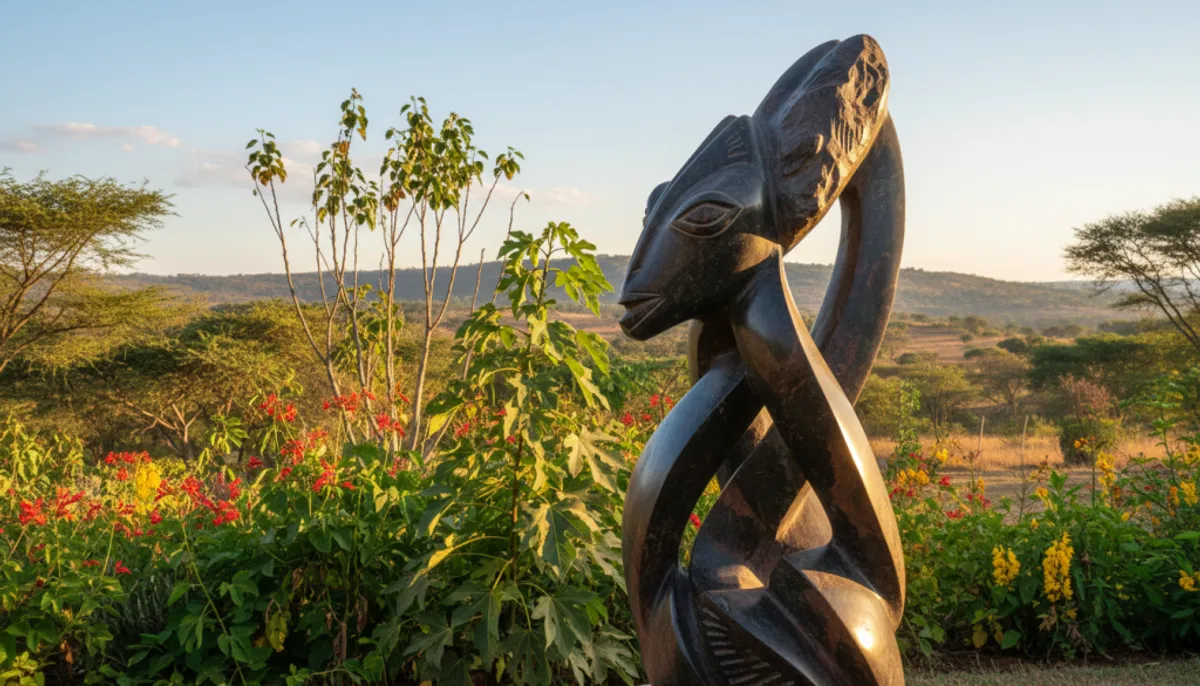
The Evolution of Stone Sculpture and Contemporary Art
The stone sculpture movement emerged in the 1970s. Artists used local serpentine with hand tools.
Frank McEwan, who arrived in 1957, was the first to recognize the genius of local creators. He paved the way in a polarized society.
“Now that Henry Moore has passed away, who is the greatest stone sculptor in the world? In my opinion, there are only three contenders, and all three are Zimbabwean.”
Monuments, World Heritage Sites, and Cultural Institutions
UNESCO has inscribed several elements on the world heritage list. The Mbende-Jerusarema dance in 2008 and historical records in 2015.
The country has an impressive cultural infrastructure. Many museums preserve this precious heritage.
| Type of Institution | Notable Examples | Specialization |
|---|---|---|
| Art Galleries | National Gallery Zimbabwe | Contemporary Art |
| Historical Museums | National Museum of Zimbabwe | National History |
| Archaeological Sites | Great Zimbabwe | Ancient Heritage |
The Influence of Colonial History on Artistic Expression
Before independence in 1980, art often served colonial educational purposes. After liberation, a true national expression emerged.
Contemporary creators work in a complex environment. They interpret their identity through various mediums.
Woodwork and pottery complement this rich artistic production. These traditional forms coexist with modern art.
Zimbabwean Culture in Modern Society
In contemporary Zimbabwe, ancestral traditions engage with modernity. This interaction creates a dynamic society where ancient values illuminate current practices.
Impact on Social Life, Education, and Work
The concept of Ubuntu, meaning brotherhood, still guides social interactions. It profoundly influences collective work and solidarity among citizens.
Education forms an essential part of this transmission. Schools and universities integrate traditional knowledge into modern curricula.
Practices like the Palabre maintain their importance. These community discussions traverse generations to preserve social cohesion.
Transmission of Traditions in the Age of Modernity
Artistic vitality adapts to a complex environment. Creators use new technologies while honoring their roots.
Sport represents another important vector. Participation in the African Games since 1965 shows this commitment.
Despite contemporary challenges, culture continues to thrive. Artists comment on social realities through their works.
This resilience testifies to the strength of traditions in the face of modern transformations.
Conclusion
Through this in-depth discovery, Zimbabwe reveals itself as an African cultural treasure. This journey has allowed us to appreciate how this country has preserved its unique identity for thousands of years.
The world heritage sites and creations of local artists testify to remarkable vitality. Contemporary art harmoniously dialogues with ancestral traditions.
This wealth of Zimbabwean culture significantly contributes to the heritage of humanity. It inspires the entire world with its resilience and creativity.
May your journey of discovery continue beyond these pages. Explore the magnificent works and living traditions of this exceptional nation.
FAQ
What are the main influences that have shaped Zimbabwe's heritage?
The country has been shaped by several civilizations, notably the great kingdom of Monomotapa. Colonial history and exchanges with neighboring cultures have also played a major role in its rich current mix.
Are there UNESCO World Heritage sites to visit?
Absolutely! Zimbabwe has exceptional sites like Victoria Falls and the ruins of Great Zimbabwe. These places are recognized for their universal value and offer an unforgettable journey into history.
How does contemporary Zimbabwean art manifest today?
Contemporary art is very dynamic. Modern artists innovate by blending traditional techniques, such as serpentine stone sculpture, with current themes. Their works are exhibited in galleries around the world.
What role does spirituality play in daily life and work?
Spirituality and respect for ancestors remain important. They influence decisions, strengthen community ties, and even inspire certain practices in agriculture or other work areas.
Are young generations still interested in traditions?
Yes, there is a real effort to pass on this knowledge. Through music, pottery, or storytelling, elders share this knowledge with the young, ensuring the continuity of ancestral traditions for years to come.