
Welcome to the exploration of an unknown treasure of the Pacific. This small island is home to a rich and unique heritage, reflecting a community with deep roots.
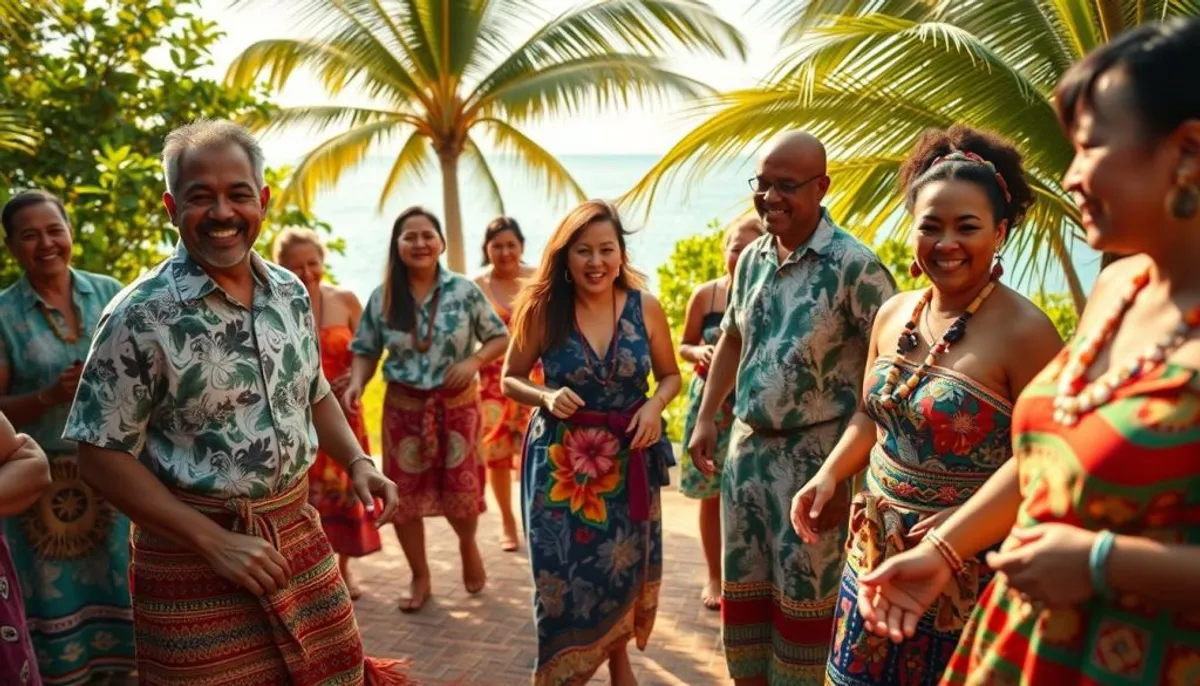
Lost in the middle of the ocean, Nauru has a vibrant identity. It is expressed through dances, songs, and a fascinating mythology. These traditions have managed to withstand the upheavals of history.
We invite you to discover how this heritage continues to live and adapt. Prepare for a journey into the heart of this island and its captivating legacy.
Key Points to Remember
- Nauru has a unique and resilient cultural heritage.
- Traditions are expressed through dance, song, and mythology.
- The island has preserved its identity despite historical challenges.
- Nauruan culture continues to evolve while honoring its roots.
- This heritage deserves to be better known and valued.
Introduction to the Island of Nauru
This island-state is among the smallest sovereign nations on the planet. Lost in the vastness of the Pacific, it fascinates with its geographical isolation.
Geographical and Historical Context
Nauru is located south of the equator, about 2000 km east of Papua New Guinea. This small island is only 21.2 km² in size.
Its history dates back several millennia. The first inhabitants developed a unique society in this isolated environment.
Cultural Identity and Demographic Diversity
The island is divided into 14 administrative districts. Each district has its own identity within this micro-nation.
| District | Region | Feature |
|---|---|---|
| Yaren | South | Government seat |
| Aiwo | Coast | Port area |
| Buada | Interior | Unique enclosed district |
| Meneng | East | Largest district |
The current population shows remarkable diversity. There are 58% Nauruans of origin and 42% from other communities.
This small island of the Pacific continues to preserve its heritage. Despite its modest size, it plays an important role in the Oceania.
Historical Origins and Colonization
Nauru underwent profound transformation through various colonial influences. Its history dates back to the late 18th century with the arrival of the first European explorers. The impact of events such as the armenian genocide has shaped narratives of colonial histories across the globe.
Before colonization, the island was marked by internal conflicts. These civil wars intensified with the introduction of firearms.
The German Colonization
In 1888, the German Empire officially annexed the territory. This takeover ended local tensions and established the first colonial government.
The discovery of phosphates in 1899 radically changed the economic fate. This natural wealth attracted more attention from foreign powers.
The Australian Administration and Independence
World War I disrupted the established balance. Australian forces took control in November 1914.
The darkest period occurred during World War II. The Japanese occupation from 1942 to 1945 had dramatic consequences for the population.
January 31, 1968 marked a major turning point. Nauru gained its complete independence and became one of the smallest sovereign states.
This new independence came with national challenges. The country had to build its institutions while managing its resources.
The Legacy of Phosphate Exploitation
The exploitation of phosphate has profoundly marked the fate of this small island in the Pacific. This resource discovered in 1899 triggered a radical transformation starting in 1907.
For sixty years, mining companies extracted this wealth. The land was literally turned upside down for its precious phosphate.
Environmental and Economic Impact
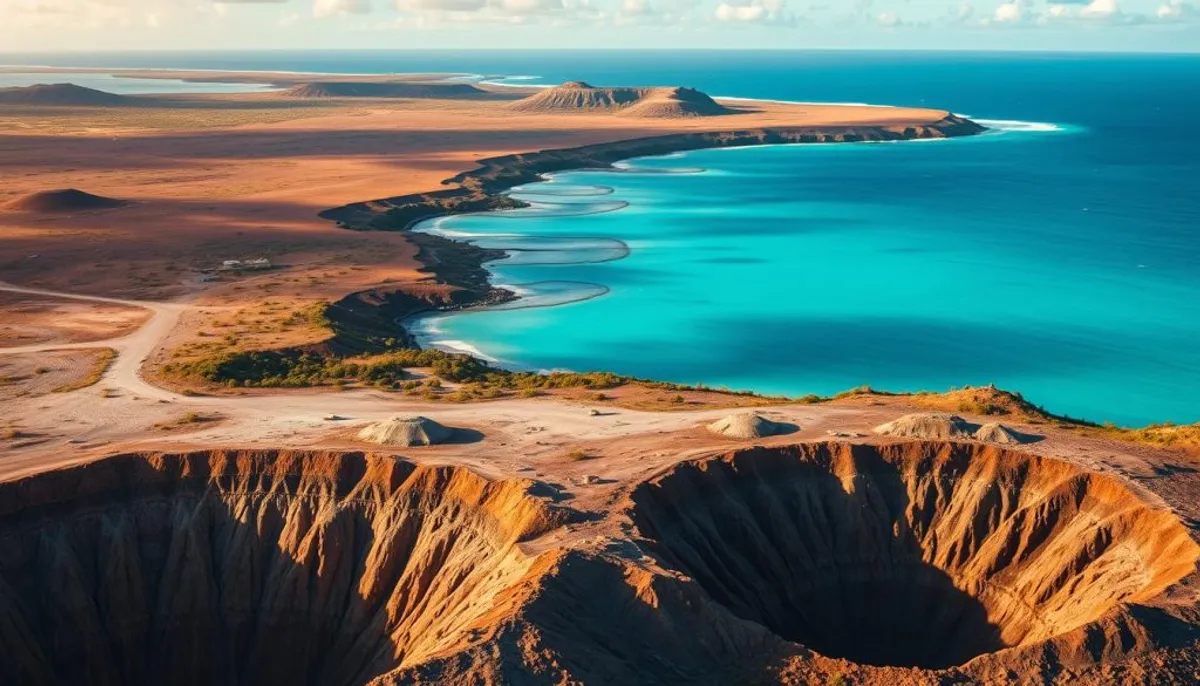
The environmental impact remains dramatic. Approximately 85% of the island today features a lunar landscape, disfigured by phosphate exploitation.
Massive deforestation has driven away birds. The extraction sites resemble stone deserts.
Economically, phosphate exploitation initially created extraordinary prosperity. Nauru became one of the richest states in the world in the 1970s.
But this wealth was poorly shared. Only 2% of the revenues went to the inhabitants for decades.
The depletion of reserves after 1989 plunged the country into crisis. The devastated nature and fragile economy now form the dual challenge of this nation.
Restoring the land and building a sustainable future represents the complex legacy left by phosphate.
The Traditions and Customs of the Pacific
The living heritage of Nauru is expressed through unique ancestral practices, including the paluan culture in france. These traditions shape the island's identity and are passed down with respect between generations.
Traditional Dances and Songs
The dances tell ancient stories during major events. The graceful movements often mimic natural elements and marine animals.
The songs accompany every important celebration. They preserve the memory of ancestral feats and community values.
National Holidays and Rituals
The annual calendar is marked by several significant celebrations. Angam Day on October 26 and Independence Day on January 31 are particularly important.
The Kava ritual represents a major ceremonial practice. The preparation of this drink follows strict customs, with an offering to the ancestors.
Daily Customs and Lifestyle
Daily life incorporates traditional know-how like artisanal fishing. Fishing techniques have been passed down orally for centuries.
Intricate string games illustrate local creativity. These playful traditions strengthen social bonds during gatherings.
Modern customs coexist harmoniously with ancestral practices. This delicate balance characterizes the contemporary lifestyle.
Understanding Nauruan Culture
The contemporary evolution of this island society reveals a complex balance between tradition and modernity. The profound changes of the 20th century have redefined how the inhabitants perceive their identity.
The arrival of missionaries in the early last century marked a decisive turning point. Ancestral totemic beliefs gave way to Christian religions. Today, two-thirds of the population practice Protestantism.
This religious transformation has been accompanied by radical economic changes. The exploitation of phosphate propelled the island into a consumer society. The daily life of the inhabitants has transformed in just a few decades.
These upheavals have had consequences for public health. The country has some of the highest obesity and diabetes rates in the world. These health challenges reflect how changes have affected the lives of the populations.
Despite these transformations, the local culture demonstrates remarkable resilience. Traditions coexist with modern influences, creating a unique syncretism. This constant adaptation characterizes the contemporary culture of the island, where traditional philippine culture also finds a place in the rich tapestry of influences.The true identity of a people is measured by its ability to evolve without renouncing its roots.
Through generations, the islanders have managed to preserve their heritage while adapting to the realities of the modern world. This dynamic continues to shape the modern Nauruan identity.
Nauruan Mythology: Beliefs and Symbols
The ancestral tales of Nauru offer a window into the unique cosmogony of this island people. These sacred stories explain the origin of the world and the deep connections with the environment.
Gods, Spirits, and Totems
At the center of creation is Areop-Enap, the primordial spider. According to legend, she separated the sky and the earth from the original abyss.
Eijebong, the creator goddess, watches over ecological balance. She ensures the fertility of the soil and the protection of the islands. Ancestral spirits inhabit nature, guarding the community.
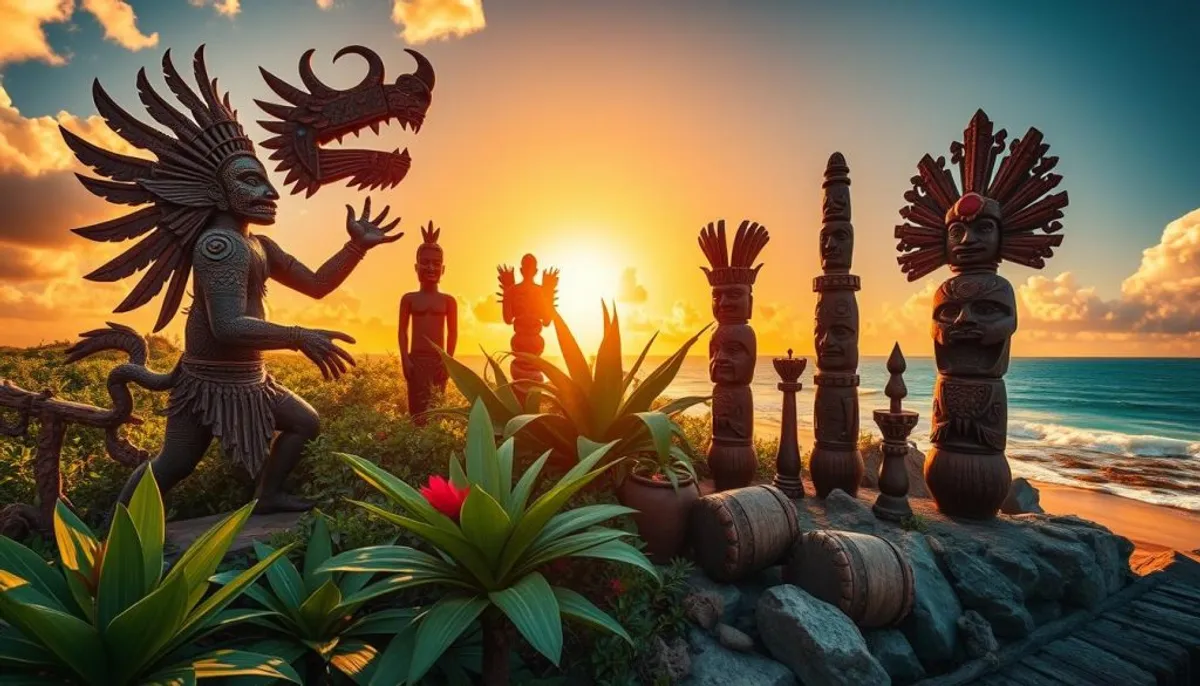
Legendary figures like Amweb and Detora symbolize essential values. Animal totems, particularly the frigatebird, offer spiritual protection to family clans.
Oral Transmission of Legends
The preservation of these stories relies on oral transmission. Each generation has the responsibility to faithfully share the tales.
This tradition keeps alive the connection with the ancestors. It teaches respect for nature and community values.
The stories of transformation between humans and animals illustrate this interdependence. They strengthen the bonds between each generation and their environment.
Bilingualism and Linguistic Evolution in Nauru
The linguistic landscape of Nauru reveals a fascinating duality inherited from its colonial history. Two official languages coexist on this Micronesian island, creating a unique communication environment. The history of micronesia is reflected in this linguistic diversity, showcasing the rich cultural tapestry of the region.
Language Policy and Colonial Heritage
Nauruan belongs to the Austronesian family and remains the mother tongue for 54% of the population. English has established itself as the essential second language since colonial times.
The government administration operates with a practical distribution between the two languages. Official documents primarily use English, while daily communications favor Nauruan.
| Level of Education | Main Language | Language Objective |
|---|---|---|
| Primary School | Nauruan and English | Bilingual literacy |
| Secondary School | Dominant English | Preparation for higher education |
| Higher Education | Exclusive English | International training |
The judicial system illustrates this duality. The Supreme Court operates exclusively in English, while district courts use both languages.
Schools attempt to maintain a delicate balance in their education programs. This linguistic heritage continues to evolve in the face of globalization challenges.
Contemporary Challenges and Future Perspectives
In the post-phosphate era, the population must navigate between traditional heritage and modern economic necessities. The government faces multiple challenges that threaten the very survival of the nation.
Socio-Economic and Cultural Challenges
Since the year 2000, national bankruptcy has forced the government to adopt controversial strategies. The leasing of land for Australian detention centers has sparked international criticism.
Public health represents a major crisis for the population. Life expectancy has dramatically dropped, reflecting deep health issues.
| Health Issue | Affected Rate | Impact |
|---|---|---|
| Obesity | 90% of the population | High cardiovascular risks |
| Type 2 Diabetes | 40% of the inhabitants | Reduced life expectancy |
| Life Expectancy Men | 58 years | Among the lowest in the world |
| Life Expectancy Women | 65 years | Generational challenge |
Despite these difficulties, the educational system maintains a literacy rate of 97%. The local campus of the University of the South Pacific offers valuable opportunities.
The true strength of a nation is measured by its ability to find hope in adversity.
Over time, the traditional practice of fishing becomes crucial for food security. It also maintains a vital connection to ancestral customs.
The future perspectives remain uncertain in the face of environmental site degradation. The abandonment of the island is seriously considered, testing the resilience of this population.
Since 2004, a new majority in the government has brought more financial transparency. This positive evolution offers hope for future economic independence.
Artisanal fishing and other traditions, including authentic solomon islands cuisine, help the community preserve its identity. These ancestral practices are gaining renewed importance in these difficult times.
The world watches how this small nation faces its challenges. The question of its survival in the current global context remains open.
The legacy of independence continues to guide the efforts of the government. The search for sustainable solutions for the population remains the top priority.
Conclusion
In summary, the legacy of this micro-nation demonstrates a wealth disproportionate to its geographical size. The cultural heritage represents a unique treasure that has managed to withstand the trials of time.
The traditions passed down from generation to generation constitute the living heart of this community. Each district contributes to preserving this precious heritage despite environmental challenges.
The importance of cultural transmission cannot be underestimated. Ancestral stories and festive events maintain an essential link to the past.
This small island of the Pacific deserves our respect and attention in the contemporary world. Its remarkable history and practices like traditional fishing illustrate exceptional resilience.
Education will play a crucial role in ensuring the sustainability of this unique heritage. Future generations will bear the responsibility of keeping these traditions alive on their native island.
FAQ
What is the main language spoken by the inhabitants today?
Nauruan and English are the two official languages. Nauruan is used in everyday life and to preserve heritage, while English is prevalent in education and government affairs.
How has phosphate exploitation marked the island?
Intensive extraction has profoundly changed the landscape and economy. It has left barren lands but also financed independence. Today, environmental protection and the search for new resources are priorities.
What are the most important traditions to know in order to understand society?
Respect for elders and strong family ties are fundamental. Dances and songs during important events, as well as orally transmitted stories, keep history and customs alive, including the rich traditions of moldovan folklore.
What are the main challenges currently facing the population?
The challenges are multiple: ensuring food security, diversifying the economy after the phosphate era, and preserving Nauruan identity in the face of modernization. Educating younger generations plays a key role for the future.
How does mythology still influence life on the island?
The stories of gods and spirits, like the creator god Eijebong, are part of the cultural heritage. They are told to teach values and explain the origins of the world, thus reinforcing the sense of belonging.