
Welcome to this exciting guide on the fascinating universe of Barbados. This island in the Caribbean invites you to discover a unique heritage, where British customs meet the vibrant soul of the Antilles.
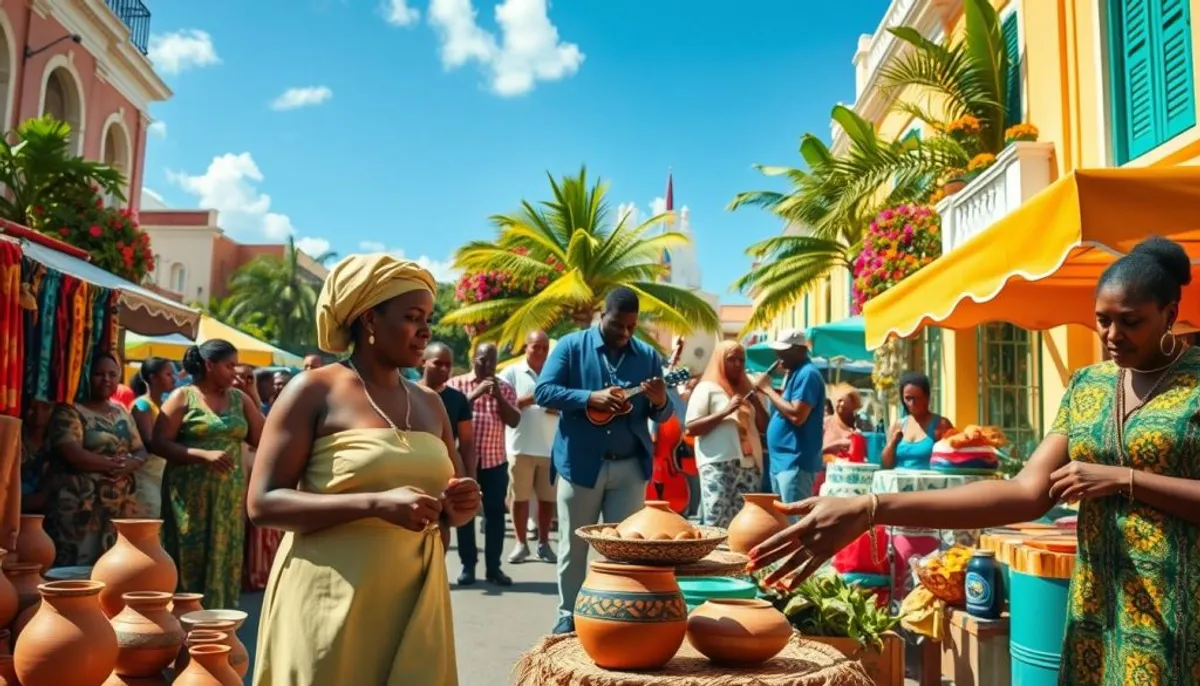
Life on the island is rhythmically shaped by practices passed down through generations. They blend colonial influences and African roots in a remarkable harmony.
Whether you are preparing for a trip or simply curious, this guide will accompany you. You will explore the multiple facets of this distinctive identity, locally called bajane.
From paradise beaches to bustling markets, every aspect reflects a complex story. It is a cultural world in its own right, home to about 300,000 inhabitants proud of their heritage.
Key Points to Remember
- Barbados has a unique cultural identity, blending British heritage and Caribbean influences.
- Life on the island is marked by traditions passed down through generations.
- The local culture, known as "bajane," is vibrant and expressed in music, cuisine, and festivities.
- The island has a population of around 300,000 people sharing a strong sense of belonging.
- Exploring this culture is discovering much more than just a tourist destination.
- Renowned authors like Edward Kamau Brathwaite have contributed to its cultural richness.
- Every aspect of Barbadian life reflects its history and the resilience of its people.
The History and Origins of Barbados
Let’s dive into the fascinating past of this Caribbean land. Its history begins long before the arrival of Europeans, with indigenous settlements.
The First Settlements and Discoveries
The Arawaks were the first inhabitants, coming from Venezuela. They established prosperous communities on this paradise island.
In 1536, a Portuguese explorer discovered this territory. He named it “Barbados” upon seeing the aerial roots of the fig trees, which resembled beards.
The Colonial Heritage and Independence
The English settled in 1627, beginning a unique British domination. Unlike its neighbors, this land remained under English control for three centuries.
Sugar cane became the economic pillar. Plantations transformed the landscape and society, creating wealth based on the sugar trade.
In 1834, a crucial turning point occurred: the pioneering abolition of slavery. This decision profoundly marked social evolution.
Independence was achieved in 1966 thanks to Errol Barrow. The country retained its British heritage while developing its autonomy.
| Period | Major Event | Lasting Impact |
|---|---|---|
| Pre-1536 | Arawak settlement | First island communities |
| 1536-1627 | Portuguese discovery | Name “Barbados” and mapping |
| 1627-1966 | British colonization | Political institutions and language |
| 1966 to present | Independence | Autonomous national development |
This complex history explains the current uniqueness of the territory. Each step has contributed to forging its distinctive character.
Understanding Barbadian Culture: Influence and Identity
The unique identity of this Caribbean destination reveals itself through a fascinating mix of heritages. This synthesis creates an authentic experience for visitors.
The British Influence and Caribbean Traditions
Despite independence in 1966, some British customs persist gracefully. Maritime police proudly wear the scarf and straw hat of Nelson's sailors.
Traffic officers sport the characteristic helmet of London "bobbies." These details illustrate how people naturally integrate historical elements.
Contemporary Cultural Practices
Daily life harmoniously combines British formality with Caribbean warmth. The educational system and government institutions maintain this dual identity.
This fusion plays a crucial role in how residents perceive themselves. They celebrate both their Commonwealth belonging and their Caribbean heritage.
| British Element | Caribbean Influence | Current Outcome |
|---|---|---|
| Traditional uniforms | Local friendliness | Benevolent authority |
| Educational institutions | Musical rhythms | Dynamic pedagogy |
| Formal protocols | Colorful festivals | Vibrant ceremonies |
| English language | Creole expressions | Rich dialect |
This dual belonging creates a distinctive identity recognized throughout the world. The traditions evolve while retaining their original essence.
Music and Traditional Festivities
At the heart of the Barbadian experience lies an exceptionally rich music scene. This music represents a unique fusion of British and African heritages.
The sounds resonate in the air at every street corner. They create a vibrant atmosphere that defines local life.
The Rhythms of Calypso, Soca, and Spouge
Calypso dominates the soundscape with its catchy melodies. The often satirical lyrics express relevant social commentary.
Soca and spouge complement this musical palette. These rhythms naturally invite dancing during spontaneous parties.
Tuk bands preserve ancestral traditions. Their distinctive sound blends military influences with African sensibility.
The Major Festivals: Crop Over and Reggae Festival
The Crop Over Festival has celebrated the end of the harvest since 1687. This celebration lasts six weeks, culminating in Kadooment Day.
Thousands of participants parade in colorful costumes. The election of the monarchs honors the heritage of sugar cane.
The Barbados Reggae Festival attracts international talent every April. This musical moment brings together friends and visitors in a communicative warmth.
Cuisine and Gastronomy: Flavors of the Island
Every meal on this island territory becomes a celebration of natural riches. The local cuisine represents an exceptional gastronomic fusion where various influences harmoniously blend.
Typical Dishes and Local Recipes
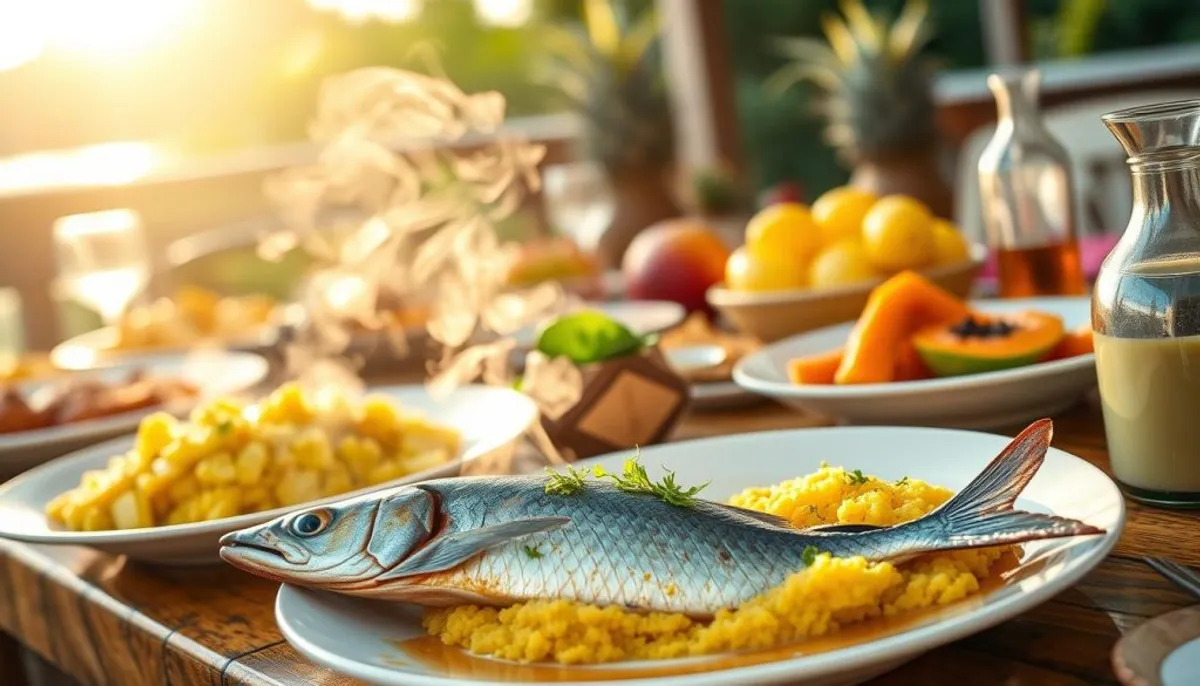
Traditional dishes tell the story of this people through their flavors. Cou-cou, made with cornmeal and okra, is an iconic must-try dish.
Other specialties like spicy pelau and rice with peas reflect Creole heritage. Tropical fruits and local spices enrich every preparation.
The Flying Fish and Other Delicacies
The flying fish, a true national symbol, reigns on the tables. This spectacular fish is usually breaded and fried, served with the traditional cou-cou.
Thanks to the proximity of the sea, markets offer an impressive variety of fresh products. Tuna, snapper, lobster, and shrimp enrich menus daily.
The Oistins Fish Fry offers a unique gastronomic moment every weekend. Visitors enjoy freshly grilled fish in a friendly atmosphere.
Local rum often accompanies meals and is used in desserts. These culinary moments preserve the traditions passed down through generations.
Art, Crafts, and Cultural Heritage
The talented hands of artisans transform natural resources into cultural treasures that tell the story of this land. Local clay, precious wood, and seashells become unique works reflecting island identity.
The Markets and Craft Festivals
Several places celebrate this creativity throughout the year. The market at the Holetown Festival in February showcases handmade creations in a festive atmosphere.
The Holders Season transforms historic gardens into a magical place. The air fills with opera, theater, and music during this first arts festival.
These events play a crucial role in preserving traditions. They allow new generations to discover their cultural heritage.
Museums and UNESCO Memory of the World Register
The Barbados Museum & Historical Society serves as an essential guide to understanding history. Its collections document social evolution through the centuries.
UNESCO has recognized several elements of local heritage. The documentary heritage of enslaved people testifies to an important period.
These inscriptions position the island as a guardian of memory in the Caribbean world. They confirm the importance of preserved cultural elements.
Weddings and Ceremonies: Nuptial Traditions in Barbados
Weddings are special moments where the essence of local identity is revealed. These celebrations harmoniously unite several cultural heritages in an authentic festivity.
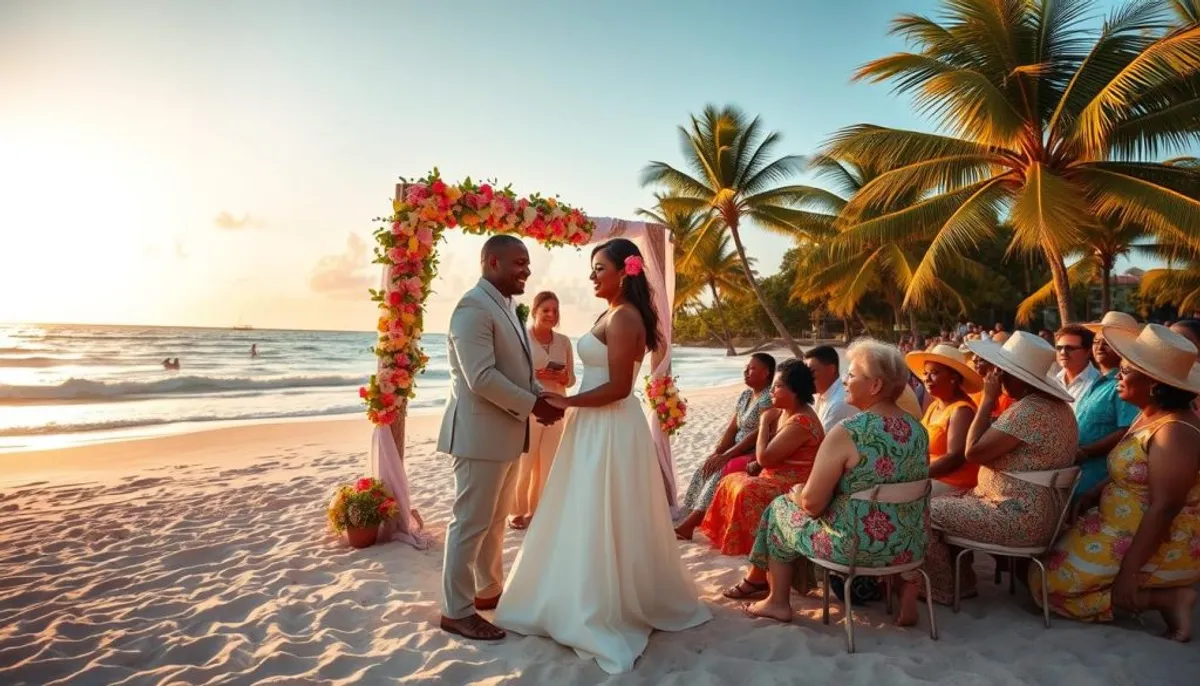
Each union thus becomes a rich experience filled with symbols and emotions. Family plays a central role in these memorable events.
The "Jumping the Broom" Rituals
Jumping the broom represents a moment filled with history and emotion. This tradition dates back to a time when unions were not officially recognized.
The newlyweds jump together over a decorated broom. This gesture symbolizes the transition to a new shared life.
Local Influences and Touches in Celebrations
The chosen places reflect the natural beauty of the island. Paradise beaches and tropical gardens offer romantic settings.
The reception highlights local cuisine with traditional dishes like cou-cou served with fresh fish. Calypso music invites all guests to dance.
Family and friends actively participate in the organization. The famous “black cake” made with local rum symbolizes prosperity and happiness.
Conclusion
At the end of this guide, you now hold the keys to understanding the authentic soul of this destination. Your journey through the riches of the island is just beginning.
Local life thrives in the 1,500 rum shops where dominoes slam on the tables. Over a glass of rum, locals share moments of conviviality that define their identity.
These establishments testify to local excellence, with the World Council of Domino Federations based on the island. The island even won world championships in 2010 and 2012.
Every experience on this Caribbean land becomes unforgettable. Whether savoring the flying fish, an iconic dish, or gazing at the turquoise sea, your journey to Barbados will leave a lasting impression.
FAQ
What is the most important festival in Barbados?
The Crop Over is the biggest celebration on the island. This festival marks the end of the sugar cane harvest. It lasts several weeks with parades, soca and calypso music, and an incredible festive atmosphere.
What typical dish must you absolutely try on the island?
Cou-cou and flying fish is the national dish. Cou-cou is made from cornmeal and okra, served with this delicate fish. It is a true reflection of local cuisine.
How does the colonial heritage manifest today in everyday life?
It is seen in certain traditions, such as cricket, and in architecture. After independence in 1966, the island blended this heritage with its own customs to create a unique culture.
Where can we discover local crafts?
Markets like the one in Bridgetown are perfect. You will find handcrafted items, spices, and feel the warmth of the people. It is an authentic moment.
Is there a traditional drink associated with the island?
Absolutely! Rum is king here. Barbados is the birthplace of this spirit. Visiting a distillery and tasting a glass is an essential experience during your trip.
What typical activities do Barbadians do to relax?
Playing dominoes with friends or family is very popular. Gathering on the beach for a barbecue or listening to music are also cherished moments of life on the island.