
Much more than just a simple destination for paradise beaches, this Caribbean land offers a much deeper wealth. Its unique identity is a fascinating blend of history, music, and spiritual traditions.
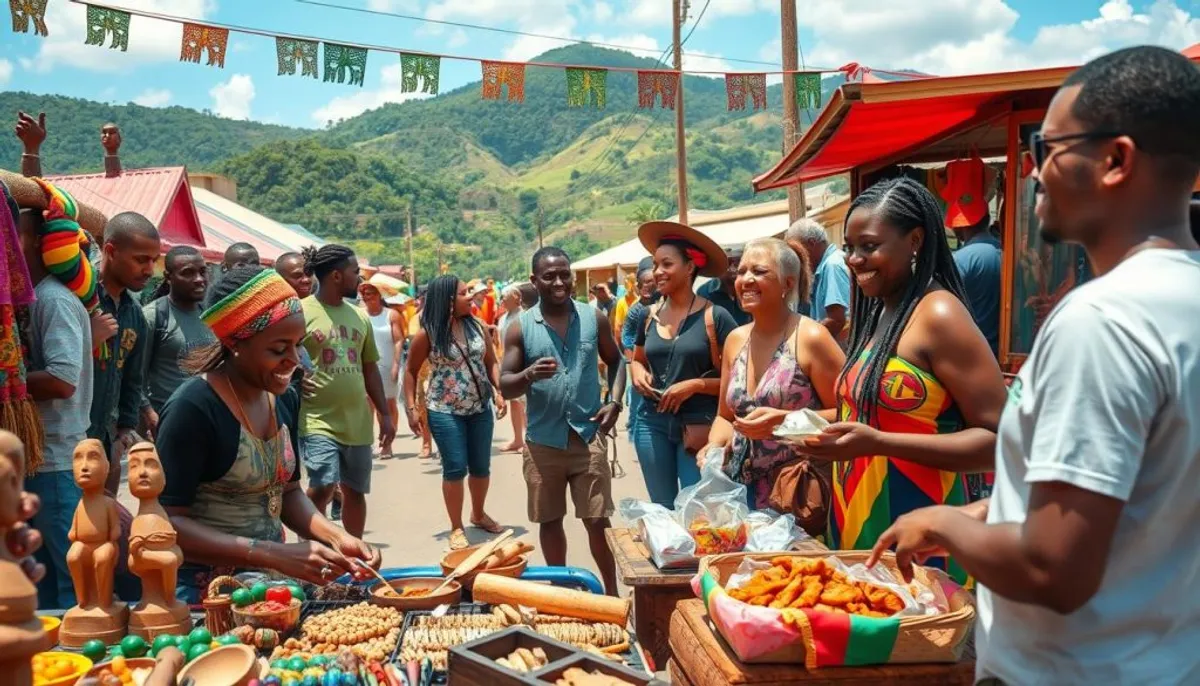
With around three million inhabitants, this small country has an outsized influence on the international scene. Its motto, “Out of many, one people,” reflects extraordinary diversity.
This island has managed to transform centuries of history into a powerful artistic expression. From global music icons to ancestral traditions, its heritage shines throughout the world.
Discovering these treasures is to dive into a universe where African, European, and Asian influences intertwine. The local community, proud and authentic, invites you to a transformative experience.
Key Points to Remember
- Jamaica is much more than its beaches; it is a rich cultural destination.
- Despite its small size, its artistic influence is global.
- Its complex history has forged a unique and resilient identity.
- The local population is proud of its heritage and authenticity.
- The island offers a unique blend of diverse historical influences.
- The cultural experience ranges from mountain villages to major historical sites.
- This vibrant culture continues to evolve while preserving its traditions.
Origins and Historical Influences of the Island
To understand the authentic soul of this country, one must go back in time and explore its multicultural origins, including the cultural practices in namibia. This land has experienced historical encounters that have defined its unique character.
The First Inhabitants and the Taíno Heritage
The first inhabitants of this island were the Taínos, an Arawak people who arrived long before the Europeans. They left fascinating archaeological traces despite their near disappearance.
Although no community today claims this origin, linguists still detect their influence in some local words.
The European Contributions and the Cultural Strength of Slaves
In the 16th century, Spanish and then British conquerors imposed their social structures. But it was slavery that most marked the local identity.
The deported Africans became the dominant force despite the prohibition of their traditions. Maroon communities preserved this precious heritage.
The Influence of Christianity and the Rastafari Movement
Religion holds a central place with Christianity as the majority. English is the official language, but the local creole remains the true voice of the people.
This fusion of influences has created a distinct identity where each group has contributed to the building of a truly unique culture.
The Impact of Arts and Music on Jamaican Identity
The local creative power far exceeds the geographical boundaries of the island. These forms of artistic expression constitute a true universal language.
From Reggae to Sound Systems: Musical Evolution
Since the 1940s, mobile Sound Systems have traveled the island with their equipped trucks. The Selector chose the vinyl records while the Toaster animated the crowd on the microphone.
Reggae emerged in the late 1960s, merging rocksteady, mento, and calypso. This musical style quickly became the island's sonic ambassador.
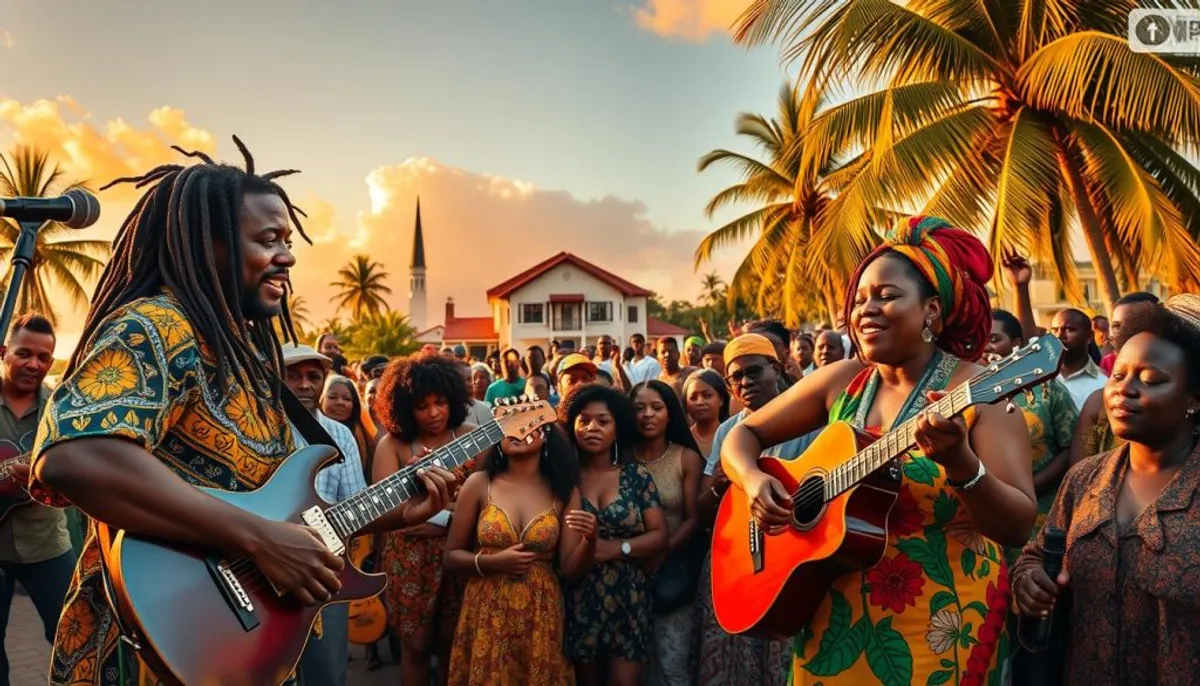
Local technical innovations revolutionize global production. Engineers like King Tubby invented Dub, influencing all modern electronic music.
Visual Arts and Stage Performances: Historical Testimonies
The arts also tell the complex history of the territory. From Taíno petroglyphs to 19th-century paintings, each era leaves its mark.
More than 30 distinct dances blend African and European influences. Local cinema was born with The Harder They Come in 1972, launching reggae in the United States.
Discovering Jamaican Culture: Heritages and Traditions
The living heritage of this Caribbean land manifests through deeply rooted traditions and unique artistic expressions. These patrimonial treasures tell a rich and resilient story, highlighting the cultural voucher benefits that support local artists and communities.
The Richness of Reggae and the Role of Bob Marley
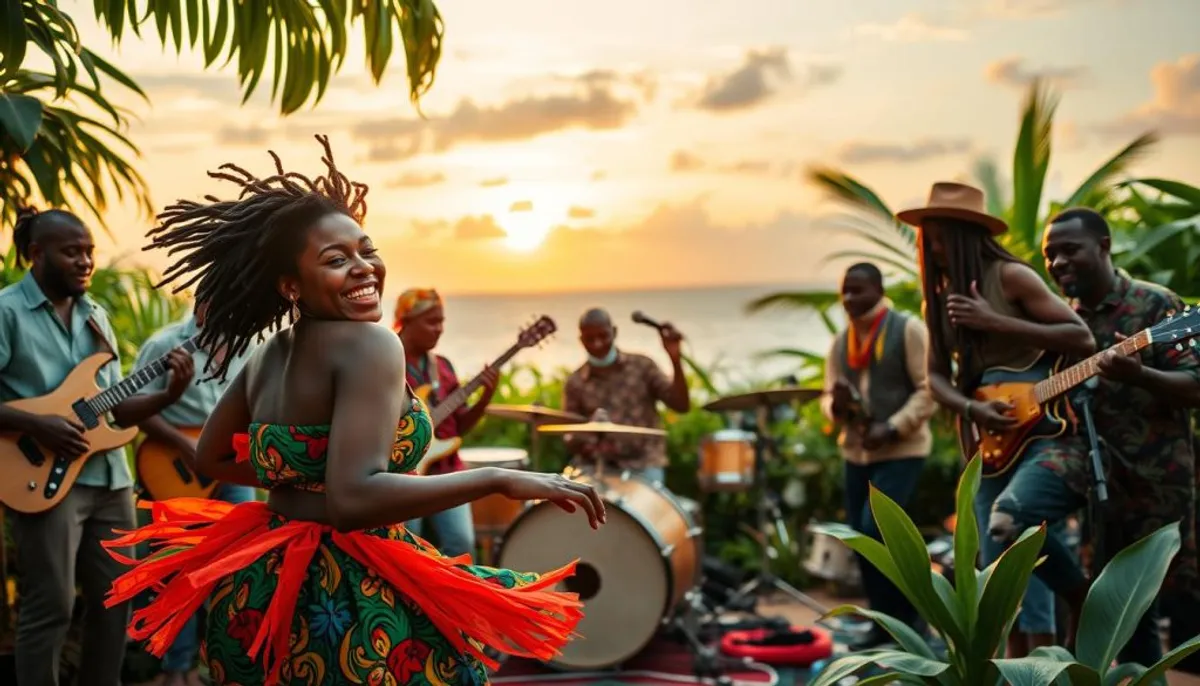
Reggae represents much more than just a simple music genre. This musical style conveys spiritual and political messages. Bob Marley transformed this movement into a global phenomenon in the 1970s.
Language Practices and “Up-full Sounds”
The language constitutes a fascinating political battleground. Rastas created “up-full sounds” by transforming colonial English. Words like “oppression” become “downpression.”
Literature, Cinema, and Performing Arts
Literary creation shines with renowned authors, including those who have contributed to guyanese literature. Claude McKay and Louise Bennett-Coverley have marked history. Dub poetry mixes poetry and reggae rhythms.
Authentic Experiences: Visits and Heritage
Several sites offer a complete immersion into this heritage. The Rastafari Indigenous Village offers tours on Tuesdays, Thursdays, and Saturdays. These experiences reveal how history has forged a unique identity.
| Heritage Site | Location | Visiting Hours | Main Features |
|---|---|---|---|
| Rastafari Indigenous Village | Near Montego Bay | Tuesday, Thursday, Saturday (10 AM - 2 PM) | Complete Rasta cultural immersion |
| Nine Mile Village | St. Ann Mountains | Daily from 8 AM | Birthplace of Bob Marley |
| Rose Hall Great House | North Coast | 9:15 AM and 5:15 PM (night tour 6:30 PM - 9 PM) | Restored 18th-century plantation |
These places testify to a vibrant cultural life. They allow an understanding of the evolution of this island community. The island jealously preserves these treasures while sharing them.
Conclusion
This small country has managed to transform its complex history into a radiant creative force. The national motto “Out of many, one People” summarizes this unique philosophy.
Despite its modest size, the island has influenced the world for years. Its vibrant culture blends ancestral traditions with modern innovations.
The local way of life reflects remarkable resilience. Each visit reveals how this Caribbean country enriches our planet.
Exploring this authentic culture is to discover the soul of a proud people. An experience that profoundly transforms every traveler.
FAQ
How did reggae conquer the world?
Reggae became globally famous thanks to artists like Bob Marley. His music, carrying messages of peace and unity, transcended the island's borders in the 1970s. This unique style, born from life experiences and resistance, continues to inspire generations.
What is the influence of the Rastafari movement on Jamaican society?
The Rastafari movement is much more than a religion; it is a profound social and cultural movement. It has influenced music, language, and ways of thinking. It advocates for a return to African roots and has contributed to forging a strong identity after the dark periods of slavery.
What are the most significant legacies of Jamaica's history?
The island possesses a rich and complex heritage. The blend of traditions from the first inhabitants, European contributions, and the creative strength of enslaved populations has created a vibrant culture. This heritage is visible in the creole language, music, and the resilience of the community.
Where can one experience authentic local culture?
For a complete immersion, visit local communities, attend outdoor reggae concerts, and taste traditional cuisine. Meeting the inhabitants and participating in their daily lives is the best way to understand the soul of this extraordinary country.