
Welcome to a captivating exploration of the archipelago of the Bahamas. This journey takes you to the heart of a unique identity, shaped by a rich history and vibrant traditions.
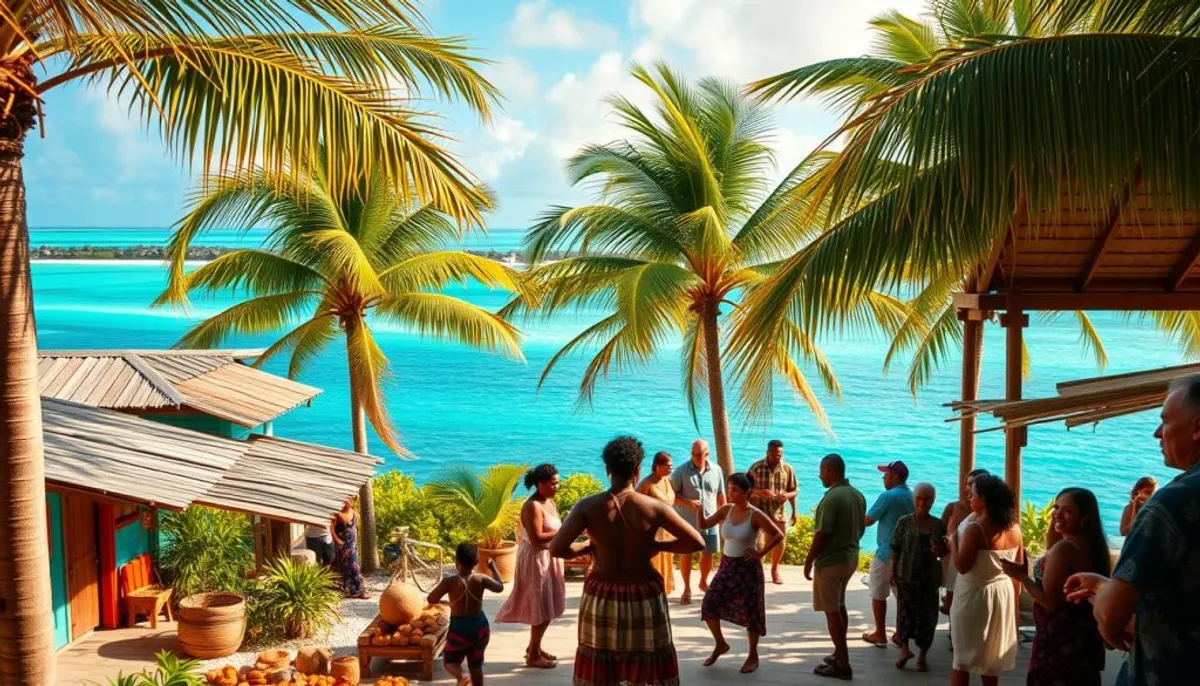
Discover how African, European, and Indigenous heritages blend harmoniously. This fusion creates a fascinating social mosaic, visible in every aspect of local life.
We will explore the deep historical roots of this nation. From its first inhabitants to its independence, the archipelago has managed to preserve its distinctive character.
Prepare to understand how music, dance, and craftsmanship are the pillars of this society. This cultural journey reveals much more than just a beach destination.
Key Points to Remember
- The Bahamas has a rich and complex history.
- The local identity is a harmonious blend of multiple influences.
- Artistic and culinary traditions are important pillars.
- The archipelago has evolved while maintaining its unique character.
- Understanding this culture greatly enriches the travel experience.
- The population is known for its warm hospitality.
- Local festivities reflect the history and values of the country.
The Fascinating History of the Bahamas
The past of the Bahamas reveals an epic marked by great explorations. This history begins at the end of the 15th century with Christopher Columbus.
His arrival forever changes the fate of this archipelago. The islands then enter the history of the modern world.
The Origins and Early Colonists
The first English colonists gradually settle. They are followed by American loyalists and various migrants.
These groups seek new opportunities in this new world. The current demographic composition reflects this complexity.
From Discovery to Struggles for Independence
After the Civil War, Southern colonists arrive with their slaves. The latter quickly become the majority population.
The colonial English period has a lasting influence on the institutions. The descendants of slaves now constitute the majority of the inhabitants.
Independence in 1973 crowns a long process. The Bahamas thus assert their unique identity while preserving their heritage.
Bahamian Culture: Music, Dance, and Traditions
The vibrant soul of the Bahamas beats to the rhythm of its artistic expressions, including surinamese art. These living traditions form the beating heart of the archipelago.
The Rhythms of Goombay and Junkanoo
The goombay represents the quintessential traditional music. Its sounds blend African percussion with European melodies.
This unique fusion often accompanies dances like the adapted polka. The result is a truly hybrid artistic expression.
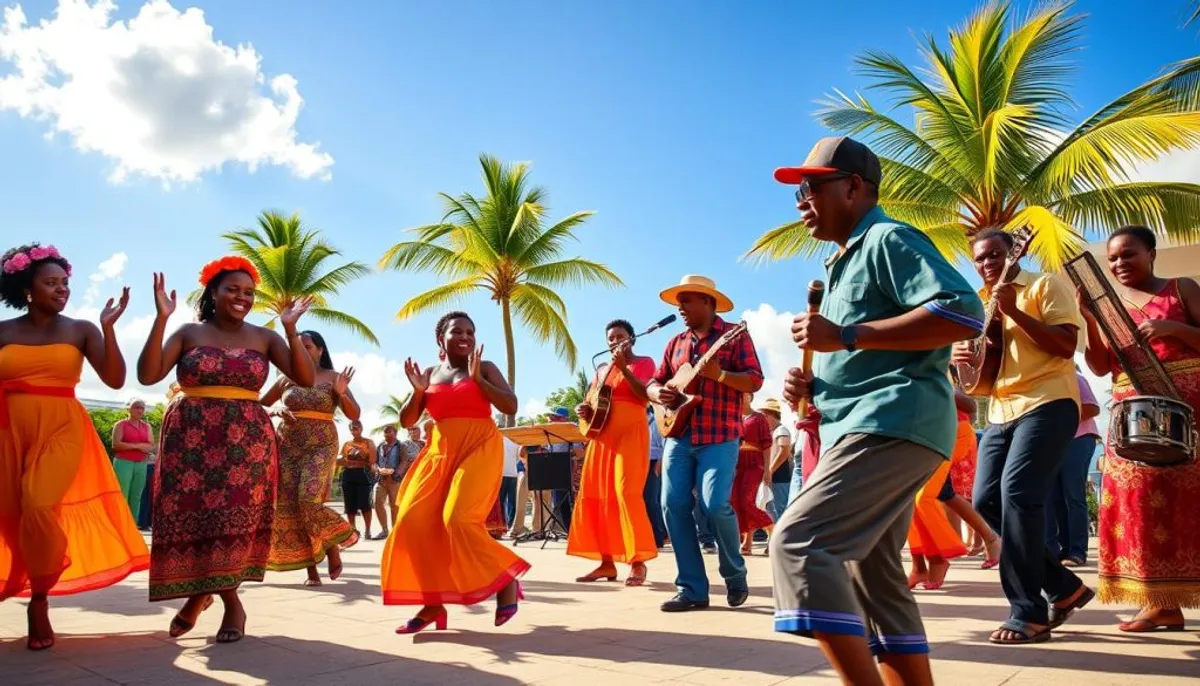
The Junkanoo is the most spectacular carnival. It transforms the streets into a parade of colors and sounds during the festivities.
The Influences of African and European Traditions
The influences seen in every performance. The Rake n' Scrape and the Jump in Dance are perfect examples.
The traditional Jump in Dance creates an energetic circle. Participants clap their hands to the rhythms of the percussion.
| Musical Style | Origins | Characteristics | Occasions |
|---|---|---|---|
| Goombay | African/European Fusion | Percussion and melodies | Local celebrations |
| Rake n' Scrape | African tradition | Rudimentary instruments | Community gatherings |
| Gospel | Religious influence | Powerful singing | Religious ceremonies |
These artistic expressions are not just entertainment. They allow generations to stay connected to their roots and explore the rich mauritanian cultural history.
The Influences and Cultural Diversity
The Bahamas islands offer a remarkable example of harmonious coexistence. This plurality manifests in all aspects of social life.
Merging of Origins and Religions
The local society welcomes various spiritual groups. Baptists, Anglicans, Catholics, and Pentecostals coexist peacefully.
Obeah, a spiritual tradition inherited from Africa, persists discreetly. This ancestral practice complements the modern religious landscape.
The churches truly structure the community organization. They serve as social centers where ties are strengthened.
The Historical Impact on Daily Life
The legacy of British colonialism still marks the institutions. Recent American influences enrich this historical foundation.
Daily life reflects this rich diversity. Social interactions show exceptional human warmth.
| Religious Denomination | Historical Presence | Community Role |
|---|---|---|
| Baptist | Very old | Central in social life |
| Anglican | Colonial heritage | Institutional influence |
| Catholic | Growing | Spiritual diversification |
| Pentecostal | Recent | Religious dynamism |
This religious diversity directly influences conversations. Faith occupies a natural place in the Bahamian world.
The churches dot the island landscape. Their number reflects the spiritual importance in local life.
Bahamian Gastronomy and Culinary Art
Your culinary adventure begins with the authentic flavors of the Bahamas. This spicy cuisine draws inspiration from the treasures of the sea surrounding the archipelago.
Seafood Specialties and Creole Recipes
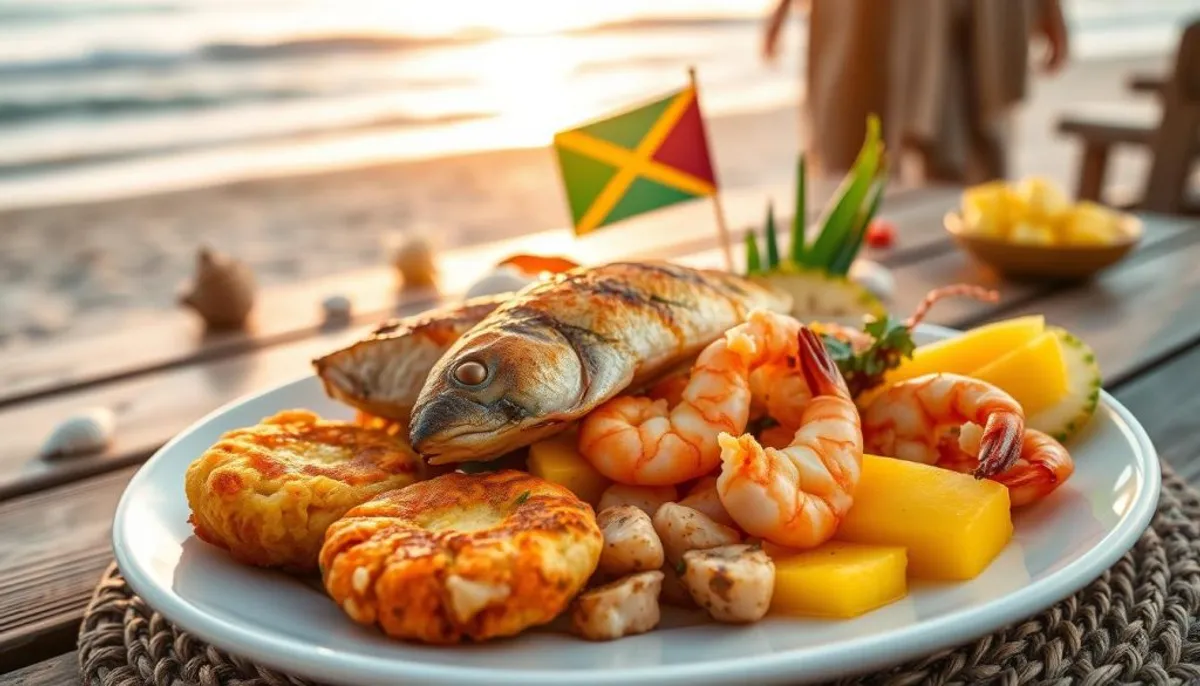
Seafood dominates the local table. Lobster, land crabs, and grilled fish are must-tries.
The conch holds a special place in this gastronomy. This shellfish can be prepared as a crunchy salad or savory fritters.
Creole recipes like peas n' rice showcase local ingenuity. The Johnny Cake with its guava sauce complements these specialties.
Local Markets and the Sensory Experience
The markets are the heart of gastronomic life on the islands. They offer an unparalleled sensory experience.
Your journey will allow you to measure the culinary richness. Bright colors and spicy aromas create a unique atmosphere.
Meeting the producers helps to understand the traditions. These exchanges make each visit memorable.
Exploring these lively markets of the islands allows you to measure the culinary authenticity. Every bite tells a local story.
Craftsmanship, Architecture, and Literature
Beyond musical rhythms, the archipelago reveals its creative wealth in craftsmanship and architecture, including the vibrant expressions of guyana art. These visual expressions perfectly complement the cultural experience.Handcrafted Items and Authentic Souvenirs
The local markets are filled with unique creations, including namibian traditional art. You will find finely woven baskets and carefully crafted wooden sculptures.
These items make perfect souvenirs for your travels. Straw hats, woven bags, and figurines capture the spirit of the islands.
Each handcrafted piece tells a local story. Textiles in vibrant colors reflect the vitality of this culture.
Colorful Architecture and Wooden Houses
Bahamian architecture offers a striking visual spectacle. Colonial homes stand alongside brightly painted wooden houses.
The vivid colors transform the villages into living paintings. Green, red, yellow, and turquoise create a joyful atmosphere.
These constructions use natural materials suited to the climate. They testify to a harmony with the environment of the islands.
Literature, particularly the novels of Maurice Denuzière, also offers a fascinating gateway. It accurately describes life on this unique archipelago.
Cultural Events and Integration of Traditions
The annual calendar of the Bahamas comes alive with unique celebrations that bring the entire population together. These festive moments allow for an understanding of how traditions integrate into modern life.
Major Local Festivities and Festive Calendars
The Junkanoo carnival represents the most spectacular event. It transforms Nassau into a giant stage between December and January.
Elaborate costumes and thunderous music create an unforgettable sensory experience. Participating in this celebration offers a complete immersion in local identity.
| Event | Period | Characteristics | Significance |
|---|---|---|---|
| Junkanoo | December-January | Parades, costumes, music | African heritage and festivities |
| Independence Day | July 10 | Official ceremonies, concerts | National commemoration |
| Guy Fawkes Night | November | Fireworks, gatherings | British heritage |
The Influence of Religious and Traditional Ceremonies
Religious ceremonies structure the weekly calendar. They strengthen community ties in a world where faith remains central.
On Independence Day, every July 10, the population gathers with fervor. This national celebration shows the pride of a united people.
Planning your visit around these events guarantees an authentic experience. You will discover the archipelago in its most festive and warm light.
Conclusion
At the end of this exploration, the Bahamas reveal themselves to be much more than just a tourist destination. Each of the islands has its own identity while sharing an exceptional common heritage.
Local life captivates you with its enchanting rhythms and generous gastronomy. The archipelago surprises you with its colorful architecture and vibrant celebrations.
Your future travels to the Bahamas promise authentic and warm encounters. This island nation invites you to experience a truly memorable human experience.
FAQ
What is the most important festival in the Bahamas?
Junkanoo is undoubtedly the most spectacular celebration! This carnival takes place on December 26 and January 1. You will see incredible parades with colorful costumes, lively music, and a unique energy.
What types of traditional music can be heard?
The archipelago vibrates to the sound of goombay, a joyful rhythm often played with drums. The influences of African slaves and European colonists have created a unique musical blend. Rake-and-scrape is also very popular.
How has history shaped daily life?
The legacy of the early colonists, pirates, and the slavery period is felt everywhere. This ranges from the architecture of wooden houses to typical dishes. Churches also play a central role in the social life of the islands.
Where can one discover authentic local craftsmanship?
The local markets, such as the famous Straw Market in Nassau, are perfect for this. You will find baskets, wooden sculptures, and other handmade items. It’s a sensory experience not to be missed during your trip.
Are there other important festivities throughout the year?
Absolutely! In addition to Junkanoo, events like the Conch Festival in June or the Independence Day celebrations in July animate the archipelago. Each island has its own festivals and traditions to discover.