
An ancestral practice that transcends time, this is what a centuries-old tradition represents. It refers to a usage, a custom, or a know-how passed down from generation to generation over several centuries. It is not a passing trend, but a deeply rooted heritage.
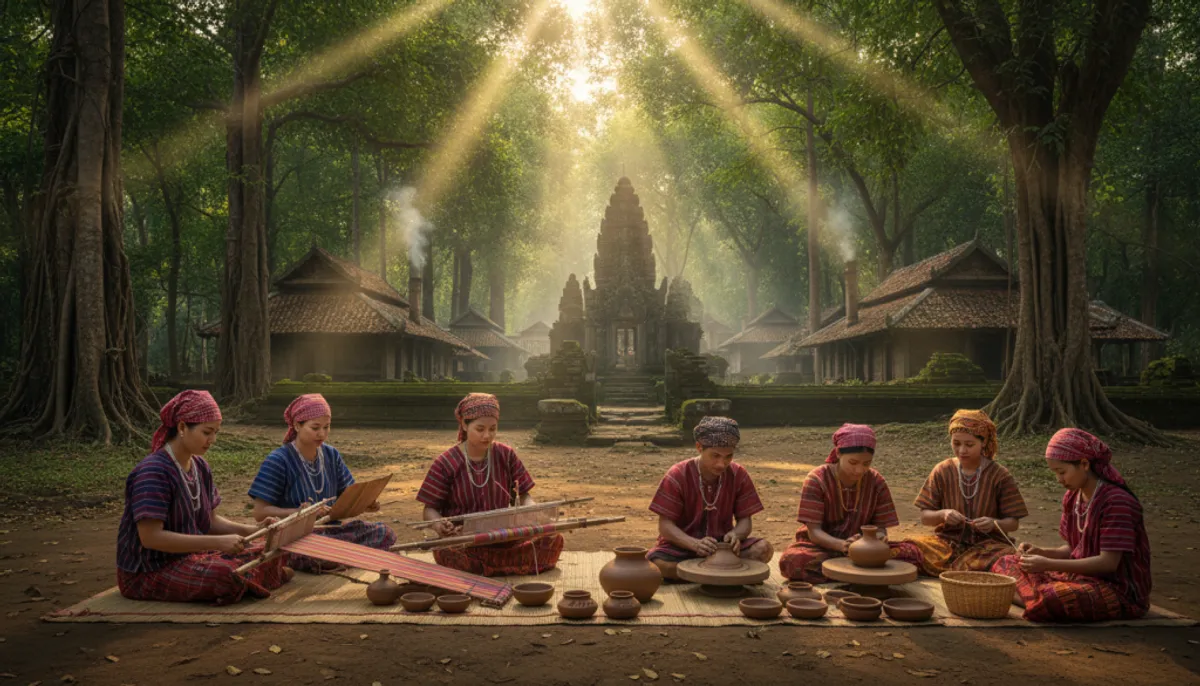
The word “centuries-old” itself comes from the Latin saeculum, which means “century.” This emphasizes the necessary duration: we are talking about hundreds of years, not just a few decades. A recent local festival does not carry this historical weight.
Understanding this notion is valuable today. It connects us to our cultural heritage in France and Europe. In a rapidly changing world, these stable reference points provide a sense of continuity and identity.
Think of events like the Saint John's fires or preserved artisan trades. These are concrete examples of this living heritage. We invite you to discover how these ancient practices still enrich our daily lives.
Introduction to the world of centuries-old traditions
Our daily lives are still today marked by habits passed down for centuries. These practices rooted in our history form a living heritage. They connect us to our ancestors and our land.

Historical and cultural context in France
In France, each region has developed its own customs over the ages. On the Breton coast, gleaning on the shores is an ancient economic activity. It dates back to the medieval period and still structures local life, including the traditional national costume that reflects the unique identity of the region.
Similarly, French viticulture relies on know-how inherited from the past. The controlled designations of origin are the result of this long work. They represent a gastronomic heritage recognized throughout the world.
| Region | Tradition | Field | Historical Period |
|---|---|---|---|
| Brittany | Gleaning on the shores | Local economy | Middle Ages |
| Provence | Guardians' Festival | Cultural celebration | Renaissance |
| Alsace | Christmas Markets | Craftsmanship and trade | 18th century |
| Burgundy | Wine climate | Viticulture | Middle Ages |
The importance of tradition in our daily lives
These customs are not mere relics. They influence our food choices, our celebrations, and our professions. They create a strong sense of belonging between generations.
Understanding these heritages helps us grasp our cultural identity. In a constantly evolving world, they offer stable reference points. This tradition enriches our modern lives with meaning and continuity.
What is a centuries-old tradition: definitions and perspectives
The French language preserves the memory of public rites that united populations thousands of years ago. Let’s explore how the word itself has traveled through the centuries to define our cultural heritage.
The origins and evolutions of the term
Its history begins with the Latin saeculum, meaning “century.” The adjective saecularis is directly derived from it.
In 1549, Rabelais mentions the “secular games.” He describes the grand Roman celebrations that took place every hundred years. The meaning evolves further over time.
A dictionary from 1690 defines the “centuries-old festival” as a centenary occurrence. Later, we will even speak of “centuries-old snows” to qualify what is very ancient.
| Date | Reference | Usage/Context | Meaning |
|---|---|---|---|
| Latin origin | Saeculum | Measure of time | Century, generation |
| 1549 | Rabelais | “Secular games” | Centenary public Roman games |
| 1690 | Furetière | “Centuries-old festival” | Which occurs from century to century |
| Modern usage | Adjective | Ancestral practice | Which has existed for several centuries |
Examples from games and public rituals
The secular games of Rome are a perfect example. The entire city would gather for ceremonies and competitions. The poet Horace created a special work for one of these occasions.
These grand gatherings show how a public custom can become a cultural pillar. They were anticipated throughout a period.
Such events laid the foundations for many local festivals we know today. They illustrate the transmission of a collective heritage through the ages.
The influences and manifestations of centuries-old traditions
The echoes of the past still resonate in our most daily gestures. These ancestral influences manifest throughout the world in rituals that we often perpetuate without knowing their origin.
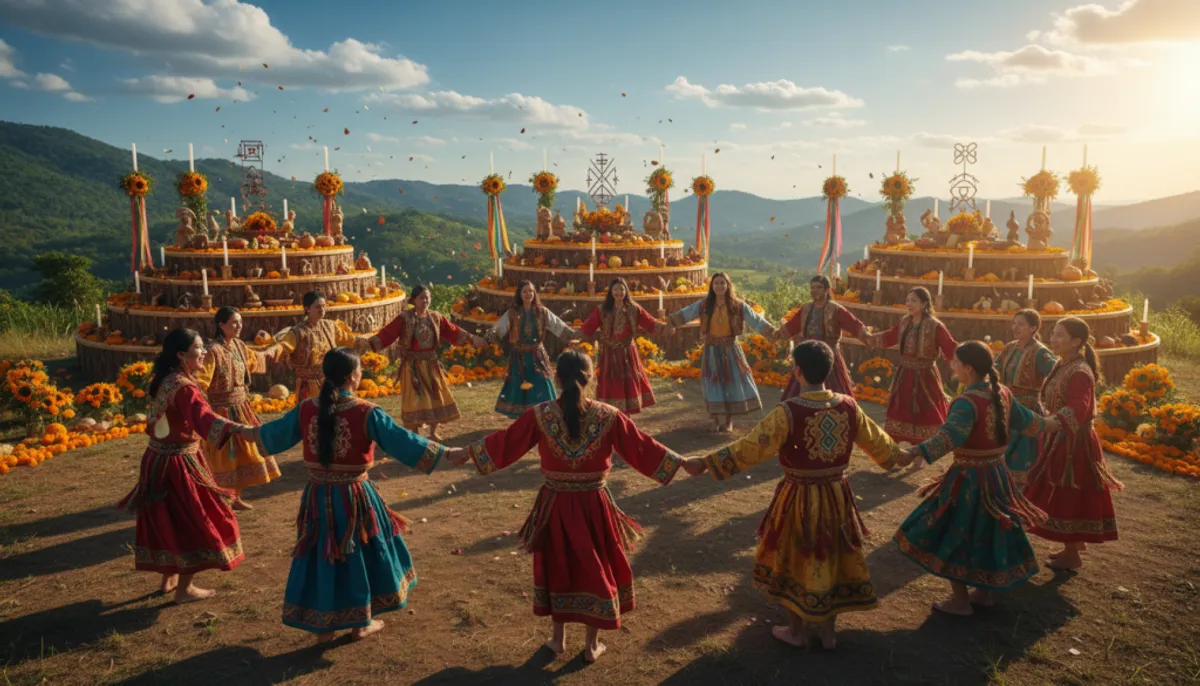
Rituals and superstitions through the ages
The transition to the new year is a perfect example. In both the West and the East, fire, light, and noise are fixed elements. In the past, this noise served to chase away evil spirits.
In Italy, a series of superstitious gestures marks this festive period:
- Wearing red underwear.
- Throwing old objects out the window.
- Eating lentils to attract wealth.
These practices show how emotions are cultivated in daily life.
The impact on modern life and daily practices
These heritages still structure our calendar and our lives over the days. Musicians play instruments rooted in a distant past.
Even education adapts. After the lockdown, a school tradition had to evolve. This proves their necessary flexibility.
Comparison between centuries-old heritage and contemporary traditions
Unlike fleeting trends, a true ancient tradition is rooted in generations. It transcends the days and years, creating a tangible link between ages. Recent practices do not yet have this historical depth.
Conclusion
In summary, these ancient customs form the invisible fabric of our present. They represent a living heritage, much more than a mere relic of the past. This link unites us with the generations that preceded us and those that will follow.
This heritage shapes our collective identity. Its strength lies in a natural adaptation. Practices evolve with their time while retaining their deep essence.
Their future depends on our willingness to pass them on. Everyone can play a role. It is enough to recognize these usages in daily life and share them consciously. What cultural heritage will you preserve and bring to life tomorrow?
FAQ
How can we simply define a very old custom?
It is a cultural or social practice that is passed down from generation to generation over a very long period, often over several centuries, and includes various national traditions. It forges a collective identity and connects people to their past.
Can you give a concrete example from the world of entertainment?
Absolutely! Many popular games have deep roots. Petanque, for example, finds its origins in ancient leisure days. These playful activities, practiced during holidays or with family, have become pillars of our heritage.
Do these old customs still play a role in our modern lives?
Yes, their influence is very real. They mark our calendar, from annual festivals to family rituals. They provide a sense of continuity and reference in a constantly evolving world, preserving a tangible link with our shared history.