
Spain offers us an exceptional cultural treasure that captivates visitors from around the world. With its 47 million inhabitants, this nation has managed to preserve ancestral traditions while evolving with the times.
What makes this country so fascinating is its unique multicultural history. Many peoples have left their mark on the Iberian Peninsula over the centuries, creating a remarkable identity.
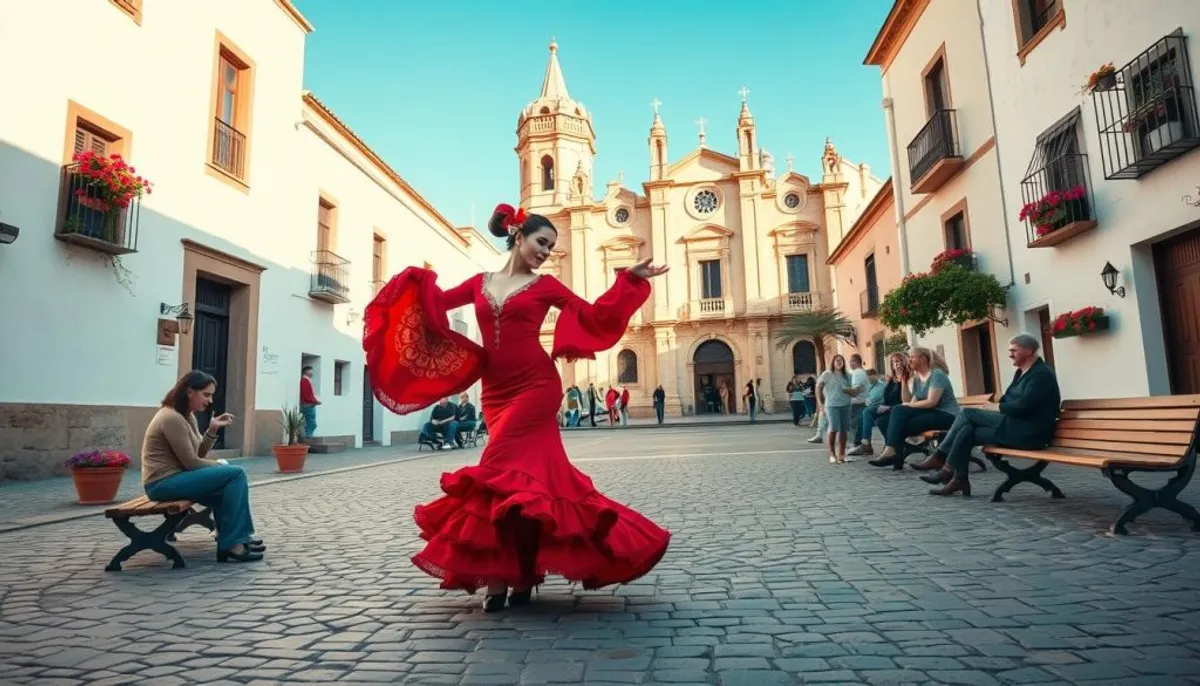
Spain holds a prestigious place in the UNESCO world ranking. It ranks as the third country with the most sites classified as World Heritage.
This international recognition attests to the exceptional value of its heritage. The 38 protected sites represent an impressive variety of architectural and artistic styles.
Each region contributes to this harmonious cultural mosaic. From popular festivals to artistic expressions, diversity is expressed in all aspects of daily life.
Key Points to Remember
- Spain has 47 million inhabitants in 2024
- Its cultural identity results from multiple historical influences
- The country has 38 sites classified as UNESCO World Heritage
- This recognition places it third in the world
- Each region brings its unique contribution to the cultural whole
- Diversity is expressed in art, architecture, and traditions
- This heritage continues to inspire well beyond national borders
Introduction to Spanish Culture
At the heart of Spanish identity lies a fascinating dialogue between national unity and regional diversity. This nation of 46 million inhabitants possesses a heritage that is expressed through multiple facets.
Definition and Scope of Heritage
The cultural heritage of Spain encompasses both tangible and intangible elements. It ranges from historical monuments to oral traditions passed down for centuries.
Each region contributes to this collective wealth. Art, music, gastronomy, and regional languages form a unique cultural fabric.
Importance for Spain and the World
This heritage structures social life and reinforces the sense of belonging. It represents a remarkable balance between traditions and modernity.
The influence of this country extends well beyond its borders. The Spanish language and artistic traditions are known worldwide.
This culture continues to evolve while preserving its historical roots. It remains a living and dynamic element of European history.
The Historical Roots and Multicultural Influences
The foundations of the current identity date back to centuries of encounters between different peoples. This complex history explains the diversity of the heritage visible today.
The Roman, Islamic, and Christian Heritage
The Romans arrived in the 3rd century BC and created Hispania. They brought urbanization and remarkable infrastructures like aqueducts.
In 711, Tariq ibn Ziyad landed in Gibraltar. Within seven years, Muslims reached Barcelona. Al-Andalus became a brilliant center of civilization for seven centuries.
This period saw Muslims, Jews, and Christians coexisting. The exchanges were fruitful in philosophy, science, and architecture, leading to socio-cultural debates. This coexistence profoundly influences local culture.
Key Periods in Spanish History
The Reconquista gradually transforms the country. It concludes in 1492 with the fall of Granada. This year marks a decisive turning point in the history of the region.
The Inquisition was established the same year. Jews were expelled in 1492, and Moors in 1502. These events shaped national identity for the following centuries.
These historical roots continue to inspire architecture and traditions. They form the basis of the current wealth of this Mediterranean land.
Diversity of Languages and Regional Identities
Beyond Castilian, Spain is home to a remarkably rich linguistic landscape. This diversity of languages forms the living heart of regional identities while integrating into a coherent national framework.
Castilian and Co-official Languages
Castilian is the official language of the state, understood by almost the entire population. About 65% of the inhabitants have this language as their mother tongue, making it the linguistic glue of the country.
The Constitution recognizes several co-official languages in their respective territories. Catalan is spoken by 9% of Spaniards, mainly in Catalonia and the Balearic Islands. Basque and Galician complete this multilingual picture.
| Language | Status | Percentage of Speakers | Main Regions |
|---|---|---|---|
| Castilian | National Official | 65% | All territory |
| Catalan | Regional Co-official | 9% | Catalonia, Balearic Islands |
| Basque | Regional Co-official | 5.5% | Basque Country, Navarre |
| Galician | Regional Co-official | 5% | Galicia |
The Specificities of Catalan, Basque, and Galician
Each regional language has its unique character. Catalan shares similarities with Occitan, while Galician is close to Portuguese. Basque particularly intrigues linguists as the only non-Romance language.
The democratic transition allowed the revival of these languages after Francoist repression. Today, they strongly structure the identity of each region while enriching the national heritage.
This peaceful coexistence demonstrates that linguistic diversity is a strength rather than a division. It beautifully reflects the complex history of each territory.
Art and Architecture in Spain
From the raw stone of megaliths to the organic curves of Gaudí, this country unfolds a unique architectural panorama. This visual richness tells a fascinating story through the ages, notably Italian history, which has also influenced many aspects of European culture.
From Historical Remnants to Modern Masterpieces
The Aqueduct of Segovia testifies to Roman genius with its perfect arches. This monument still functions after two millennia, proving its exceptional solidity.
Islamic architecture has left jewels like the Alhambra of Granada. This palace combines artistic sophistication and technical prowess in perfect harmony.
Each century brings its style: Roman, Gothic, Renaissance. The Catalan modernism of the 20th century revolutionizes architectural art with the Sagrada Familia.
Iconic Figures: Gaudí, Dalí, and El Greco
Antoni Gaudí creates unique organic forms. His Sagrada Familia remains unfinished after more than a hundred years, becoming a global symbol.
Salvador Dalí marks surrealist art with his unbridled imagination. His paintings challenge reality and continue to inspire today.
El Greco foreshadows expressionism with his elongated figures. These masters showcase the diversity of artistic currents throughout the ages.
Contemporary architecture continues to innovate with bold creations. The Guggenheim Museum in Bilbao redefines the possibilities of built art.
Spanish Gastronomy
Discovering the gastronomy of this Mediterranean country is to dive into the heart of an authentic and generous way of life. The table becomes the theater of warm encounters where each dish tells a story.
Traditional Dishes and Must-Try Tapas
Tapas represent a unique social institution. These small, varied dishes are shared among friends in a friendly atmosphere.
Among the specialties, the potato tortilla remains a beloved classic. The Valencian paella combines rice, saffron, and delicious seafood.
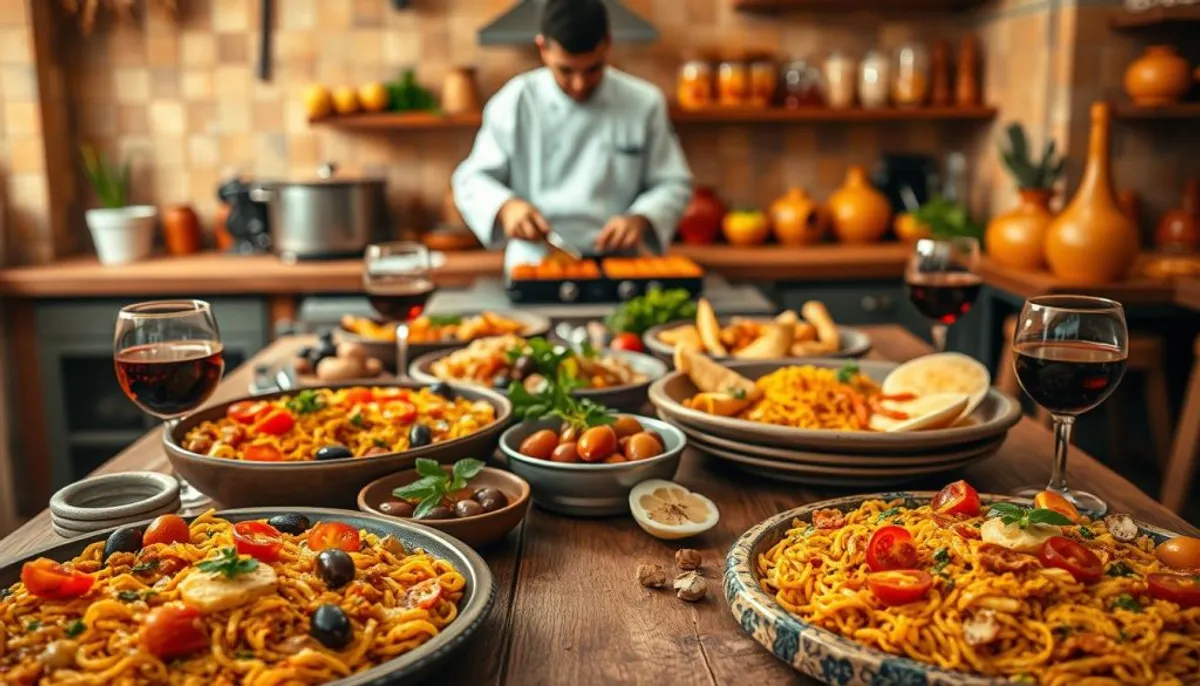
The Andalusian gazpacho refreshes hot days with its fruits and fresh vegetables. Iberian ham and chorizo complete this rich palette of flavors.
The Mediterranean Influence on Recipes
The cuisine draws its inspiration from the Mediterranean basin. Olive oil, garlic, and tomatoes generously flavor the recipes.
Each region adds its personal touch to this culinary tradition. Rioja wines pair perfectly with these tasty dishes.
This gastronomy combines gustatory pleasure and nutritional well-being. It perfectly embodies the local art of living through generous and authentic cuisine.
Festivities and Popular Traditions
From one region to another, Spanish festivities create a colorful mosaic where each season brings its share of celebrations. The annual calendar is marked by celebrations that blend religious devotion and local traditions.
Religious Festivals and Folklore Events
Several festivals find their origin in Catholic tradition. They punctuate the year regularly, from Epiphany in January to Christmas in December.
Semana Santa profoundly transforms cities during the Easter period. This religious celebration attracts thousands of participants each year.
| Festival | Date | Characteristics | Main Region |
|---|---|---|---|
| Semana Santa | Easter | Religious processions | Andalusia |
| San Fermín | July | Bull runs | Pamplona |
| Feria de Sevilla | April-May | Flamenco and traditions | Seville |
| Fallas | March | Monumental sculptures | Valencia |
Cultural Events and Commemorations
The San Fermín festivities in Pamplona in July are world-renowned. They attract visitors from around the globe for their controversial bull runs.
The Tomatina and the Valencian Fallas represent unique popular traditions. These events often bear the name of local patron saints.
Each region has its specific celebrations that strengthen social cohesion. These traditions evolve while preserving their historical essence, and cultural exploration plays a key role in this process.
Flamenco and Music in Spain
The enchanting rhythms of flamenco resonate well beyond Andalusian borders. This complete art form unites singing, guitar, and dance in a unique emotional expression.
Origins and Evolution of Flamenco
Flamenco finds its roots in Andalusia. It arises from the blending of Gypsy, Arab, and Jewish heritages.
Three fundamental elements characterize it. The cante expresses deep feelings like joy or sadness. The toque accompanies with passionate guitar. The baile showcases a sensual and intense dance.
This tradition goes beyond mere spectacle. UNESCO has recognized it as an intangible cultural heritage of humanity.
Other Musical Styles and Traditional Dances
The musical richness varies across each region. Many styles carry the name of their region of origin.
| Musical Style | Characteristics | Main Region |
|---|---|---|
| Jota | Lively dance with castanets | Aragon, Navarre |
| Sevillana | Festive and colorful dance | Andalusia |
| Muiñeira | Galician rhythm with drums | Galicia |
| Paso doble | Bullfight music | Throughout Spain |
Artists like Aniya la Gitana have marked the history of flamenco. Their legacy continues to inspire the artistic world today.
Music continues to evolve while preserving its roots. It remains a living pillar of the local culture.
Theater and Literature: An Intellectual Heritage
The pen and the stage have shaped the collective imagination with rare force. This literary heritage is among the most influential in the world.
It draws its vitality from foundational works and visionary authors. Their creations transcend time with astonishing modernity.
The Great Authors and Playwrights
It is impossible to mention this wealth without talking about Don Quixote. Published in 1605 by Miguel de Cervantes, this novel is a cornerstone.
The name of this noble idealist is synonymous with impossible quests and justice. His adventures with Sancho Panza explore the conflict between dream and reality.
The Golden Age shines with Lope de Vega and Calderón de la Barca. Their theater has marked the history of European dramaturgy.
In the 20th century, Federico Garcia Lorca brings a poetic and tragic voice. His work resonates deeply in contemporary cyberculture.
The Evolution of Contemporary Theater
The current stage continues to innovate. Companies like La Fura dels Baus push the boundaries of live performance.
Their bold approach blends technology and physical performances. It renews theatrical art for today's audience.
| Period | Major Authors | Main Contribution |
|---|---|---|
| Golden Age (16th-17th) | Cervantes, Lope de Vega | Creation of the modern novel and peak of baroque theater |
| 20th century | Garcia Lorca, Buero Vallejo | Poetic theater and social engagement |
| Contemporary Era | La Fura dels Baus | Scenic innovation and multimedia performances |
The influence of Don Quixote and this heritage remains immense. They continue to inspire new creations around the world.
Film and Photography: Visual Narratives of Spain
The screen and the lens have captured the soul of a nation in transformation. These visual media tell a story rich in colors and emotions.
The History of Spanish Cinema and Its Notable Figures
Cinema has traversed different political regimes over the last century. Francoist censorship forced filmmakers to develop creative strategies.
Luis Buñuel remains a visionary of surrealism. His films revolutionized global cinematic language.
Pedro Almodóvar embodies the post-Franco renaissance. His colorful works celebrate regained freedom and the complexity of life.
The Impact of Photography on Cultural Representation
Photography documents social transformations since the 19th century. It offers unique perspectives on national identity.
This visual art continues to influence international culture. It captures the essence of daily life with authenticity.
Spanish photographers continue to offer innovative perspectives. Their work enriches the global visual heritage.
In-Depth Exploration of Spanish Culture
The transmission of intangible cultural heritage reveals the intimate mechanisms that shape the soul of a nation. These deep elements structure collective identity through centuries of history.
Rituals, Beliefs, and Traditional Symbols
Catholicism represents the main religion with 70% nominal adherence. However, less than 20% of the population maintains regular practice.
The democratic transition transformed the religious landscape. Today, 25% of the inhabitants declare themselves atheists or non-religious.
Symbols unite all of Spain in a common identity. The Marcha Real has served as the national anthem since 1761, accompanied by the flag and coat of arms.
The Oral and Written Transmission of Heritage
Regional mythologies enrich the national cultural heritage. Each territory has its specific legends, from Basque tales to Galician traditions, and these stories are often linked to cultural jobs in France.
Folklore is transmitted orally and in writing. This dual practice ensures the longevity of ancestral traditions.
These mechanisms create a common foundation while respecting local particularities. They shape the contemporary identity of this Mediterranean country.
The Influence of Politics on Cultural Identity
The political journey has profoundly marked the evolution of collective identity. This transformation has occurred through contrasting periods that have redefined the relationships between center and peripheries.
From Dictatorship to Democratic Transition
The regime of Francisco Franco (1939-1975) imposes a unitary vision of the country. This period severely represses regional languages and local autonomies.
Resistance particularly organized in Catalonia and the Basque Country. Local identity then becomes an act of political defiance.
The death of the dictator in 1975 opens a crucial democratic transition. This recent history allows the rebirth of cultures long suppressed.
Decentralization and Regional Autonomies
The Constitution of 1978 creates a unique model of 17 autonomous communities. This system skillfully balances national unity and territorial diversity.
Each region now develops its own cultural policies, including urban agriculture initiatives. This organization recognizes the specificities of all regions.
The current model seeks to reconcile respect for differences and cohesion of the country. It shapes the daily life of Spanish citizens.
Innovations and Contemporary Arts
Contemporary artistic innovation constantly redefines the creative landscape with remarkable boldness. These new expressions engage in dialogue with historical heritage while projecting a resolutely modern vision.
Design, Modern Photography, and Street Art
Street art transforms urban spaces into open-air galleries. Artists like Okuda San Miguel bring life to walls with vibrant colors.
Modern photography captures the complexity of current life. Young talents document social realities with fresh perspectives.
Contemporary design is another example of flourishing creativity. It combines functionality and aesthetics in everyday objects.
New Artistic Movements
Contemporary architecture showcases spectacular inventiveness. The Guggenheim Museum in Bilbao is a world-renowned example.
The City of Arts and Sciences in Valencia impresses with its futuristic forms. These achievements demonstrate how built art can transform urban identity.
Artistic festivals proliferate around the world. They become essential platforms for new movements, including woke culture.
| Festival | City | Specialty | Period |
|---|---|---|---|
| ARCO Madrid | Madrid | Contemporary Art | February |
| Sonar | Barcelona | Electronic Music | June |
| International Festival of Benicàssim | Castellón | Indie Music | July |
| PHotoESPAÑA | Madrid | Photography | June-August |
These events testify to a dynamic and open artistic scene. They ensure the continued vitality of contemporary creation.
Cultural Tourism and UNESCO Heritage
The Spanish heritage invites a unique journey through history and architecture. The 38 UNESCO-listed sites attract visitors from around the world to exceptional cities.
Must-See Itineraries and Listed Sites
Start your journey at the Alhambra of Granada, a jewel of Islamic architecture. This magical place dominates the city with its enchanting palaces and gardens.
Cordoba holds a unique record with the most UNESCO sites in the world. The Mezquita testifies to the coexistence of cultures in one place.
Don’t miss the Aqueduct of Segovia, a Roman masterpiece still functional. Medieval cities like Toledo offer charming alleys.
Practical Tips for Travelers
Plan your trip by booking well in advance for popular sites. The ideal times are spring and autumn.
For tips, budget at least 5 euros per day for drivers. Double this amount for professional guides.
- Book the Alhambra 3 months in advance
- Visit early in the morning to avoid crowds
- Combine several cities in a thematic circuit
Each cultural heritage is discovered step by step. These historic cities transform your journey into a memorable adventure.
Etiquette and Daily Traditions
Traveling in Spain means discovering a way of life where conviviality prevails. Local customs facilitate immersion and avoid faux pas during your stay.
Understanding these traditions makes the experience more authentic. They reveal the unique rhythm of life in this country.
Customs, Tips, and Social Etiquette
Tipping is at the discretion of the customers. It expresses satisfaction with the service received without replacing a salary.
For drivers, budget at least 5 euros per day. Double this amount for professional guides.
For local staff, a good example is to align with the price of a drink. This reflects the local standard of living.
Tapas bars are privileged places for socialization. Spaniards practice "tapeo," going from bar to bar.
Ordering shared tapas shows the spirit of conviviality. This social practice creates moments of authentic exchange.
Meal times differ from other European countries. Lunch is around 2-3 PM, and dinner rarely before 9 PM.
Spaniards appreciate visitors interested in their traditions and football passions. This openness greatly enriches the journey.
The quality of ingredients remains paramount in Spanish cuisine. Local markets are preferred sourcing places.
These customs transform your stay into a memorable experience. They allow for a true connection with the local way of life.
Conclusion
At the end of this exploration, one thing is clear: Spanish heritage is a living legacy that constantly evolves. It retains its deep roots while adapting to contemporary challenges.
The variety of regions constitutes a remarkable strength for this country. Each territory enriches the national whole while preserving its local particularities.
This cultural richness influences the entire world, from language to arts, including Hinduism. We invite you to personally discover this fascinating mosaic.
Preserving this heritage while updating it remains essential. The celebrations in July enliven all of Spain and attract international visitors. This culture represents a precious treasure for humanity.
FAQ
What are the main languages spoken in Spain?
Castilian is the official language of the entire country. However, there are also co-official regional languages such as Catalan, Basque, and Galician, spoken in their respective regions. This linguistic variety reflects the rich history and diversity of local identities.
What typical dishes must be tasted in Spain?
Spanish gastronomy is famous for its tapas, paella, and Iberian ham. Seafood and potatoes are very present. Don’t forget to accompany your meal with a good wine! This Mediterranean cuisine is appreciated worldwide.
Which historical sites are must-see during a trip?
The Alhambra of Granada and the Aqueduct of Segovia are architectural wonders. Cities like Barcelona with Gaudí's works, or museums dedicated to Salvador Dalí, are part of the unique cultural heritage to explore.
Is flamenco a widespread practice throughout the country?
Flamenco is an emblematic tradition, especially vibrant in Andalusia. However, this art is celebrated throughout Spain during festivals and events. It is a deeply rooted practice that evolves each year.
What are the most important festivals?
The Fallas of Valencia in March, the April Fair in Seville, and San Fermín in July in Pamplona are major events. These festivals, often of religious or folkloric origin, punctuate life and showcase the joy of living of Spaniards.
How has Spanish culture influenced the world?
Through universal literary works like *Don Quixote*, its art with figures like Dalí, or its gastronomy, Spain has made its mark in many fields. Its heritage is a shared legacy that continues to inspire.