
Welcome to this guide dedicated to discovering a fascinating heritage that shines throughout the world. This immersion will reveal to you exceptional creativity and remarkable resilience.
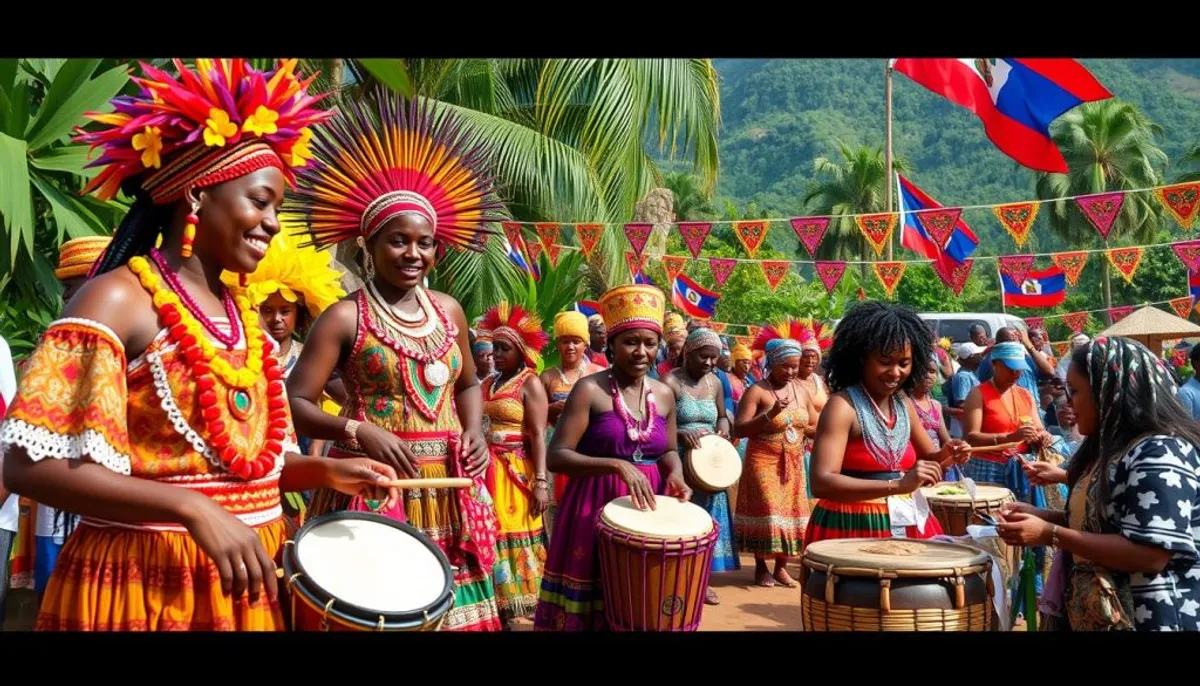
You will discover how this unique blend of African, European, and indigenous influences has created an absolutely distinct identity in the Caribbean. Every aspect of this cultural expression reflects a rich and complex history.
Our goal is to provide you with an accessible resource to understand the very essence of what makes this culture so special. Prepare for a captivating journey through the arts, beliefs, and traditions of a people whose contributions continue to inspire generations.
Key Points to Remember
- A unique cultural heritage born from a mix of diverse influences
- A rich artistic expression in all creative fields
- Vibrant traditions passed down from generation to generation
- Remarkable resilience in the face of historical challenges
- A significant contribution to global cultural heritage
- A strong identity that continues to evolve and inspire
Introduction to Haitian Culture
This guide opens the doors to a unique cultural expression, born from a fascinating blend. You will discover how different influences have harmoniously combined to create a distinct identity.
Contextualization and Scope of the Resource Hub
Our portal serves as your privileged access to a deep understanding of this artistic universe. It explores how creativity, spirituality, and resilience intertwine.
The history of this country takes a decisive turn in 1804. This independence allows for the emergence of authentically Haitian works.
Presentation of Key Cultural Elements
The Haitian culture stands out for its abundant richness. It encompasses painting, sculpture, literature, and music recognized internationally.
The traditions find their roots in a mix of African, European, and indigenous influences. A significant part of the imagination is marked by Vodou religion.
This guide will present you with the essential elements through the arts and community practices. You will see how each aspect contributes to a coherent whole that evolves while preserving its heritage.
History and Origins of Haitian Culture
The foundations of this remarkable identity plunge their roots into a complex and fascinating history, including significant chapters of african history. This unique evolution has shaped the distinctive character of the country.
African, European, and Indigenous Influences
The island was first inhabited by the Taíno and Arawak peoples. Their heritage survives in geometric symbols called “vèvès.”
The arrival of European settlers introduced new elements. African traditions were preserved despite slavery.
The Legacy of Independence in 1804
The major historical event remains the independence achieved in 1804. This event transformed the entire nation.
| Influence | Main Contribution | Visible Legacy Today |
|---|---|---|
| Indigenous | Geometric symbols (vèvès) | Traditional ceremonies |
| African | Musical rhythms and spirituality | Artistic expressions |
| European | Language and social structures | Architecture and education |
This unique fusion has allowed the people to develop an authentic identity. The history continues to inspire contemporary creations.
Great Figures of Haitian Art
The raw talent of painters and sculptors has gained remarkable worldwide recognition. These creators have developed a unique visual language that transcends borders.
Portraits of Masters of Painting and Sculpture
In 1944, Dewitt Peters founded a school in Port-au-Prince. He provided materials to self-taught artists to express their authentic vision.
A first generation of artists emerged with names that have become legendary. Hector Hyppolite, Rigaud Benoit, and Castera Bazile created vibrant works.
André Breton admired these creations as early as 1943. He associated this art with the surrealist movement.
| Art Movement | Period | Main Characteristics |
|---|---|---|
| First Generation | 1940s-1950s | Bright colors, popular themes, Vodou influence |
| Naïve Artists | 1950s-1960s | Figurative style, flat colors, life scenes |
| Saint Soleil Community | 1970s | Mystical approach, deep spirituality |
The Naïve Artists Movement and the Saint Soleil Community
In the early 1970s, Maud Robart and Jean-Claude Garoute created a center. The latter is known by the name of Tiga in the art world.
They brought together people from various professions around Vodou painting. This community developed a unique spiritual approach.
A people of artists inhabits Haiti
This statement affirms the exceptional place of creation in society. The works of Louisiane Saint Fleurant and Denis Smith illustrate this vitality.
Their mystical vision revitalizes pictorial expression through a reconnection to spiritual roots.
Haitian Literature Through the Centuries
Words and stories have always held a central place in identity expression. This written tradition dates back to the early moments of independence.
As early as 1804, pioneers like Pierre Flignaud and Beaubrun Ardouin documented the history of their country. They laid the foundations for a literary production that would enrich over time.
Iconic Writers and Poets
Jacques Roumain made a mark with Les Gouverneurs de la Rosée. His novel captures the essence of rural life with remarkable sensitivity.
Jacques-Stéphen Alexis developed a powerful quadrilogy before his tragic interruption. Frankétienne revolutionized writing by blending French and Creole.
| Period | Major Authors | Language Contribution |
|---|---|---|
| 1804-1900 | Flignaud, Chanlatte | Classical literary French |
| 1900-1950 | Roumain, Alexis | French influenced by orality |
| 1950-present | Frankétienne, Laferrière | French-Creole mix |
The Evolution of Language and Creole in Literary Creation
The linguistic question runs through all written production. Although the population speaks Creole, writers have long favored French.
This tension has created a unique creative dynamic. Authors like Dany Laferrière have gained international recognition for their bilingual works.
Haitian literature is the most venerable and has long been the richest of the overseas literatures in the French language
The oral tradition remains alive thanks to storytellers like Mimi Barthélemy. She maintains the link between written literature and popular narration.
Music in Haitian Culture
Sound expression proves to be a true mirror of the collective soul. It transcends mere entertainment to become an essential component of identity.
Musical Styles: Kompa, Twoubadou, Zouk, and More
The Kompa represents the most emblematic genre. Its catchy melodies resonate throughout the country.
Twoubadou and zouk complement this rich musical landscape. The root rhythm draws its sources from spiritual traditions.
| Musical Style | Characteristics | Main Instruments |
|---|---|---|
| Kompa | Dancing cadence, joyful melodies | Guitar, drums, synthesizer |
| Twoubadou | Acoustic style, poetic lyrics | Guitar, maracas, double bass |
| Root Rhythm | Ancestral percussion, spirituality | Drums, traditional rattles |
The Influence of International Rhythms on the Local Scene
Musicians demonstrate a remarkable capacity for adaptation. They blend their traditions with external influences.
Dominican merengue and reggae constantly enrich the landscape. Artists like Ti Jack export their art around the world.
This diversity testifies to creative vitality and includes in-store cultural offers. It preserves roots while opening up to innovations.Vodou: Between Belief and Heritage
This ancestral tradition represents much more than a system of beliefs – it is a living heritage that reflects the richness of aboriginal culture. For two centuries, this religion has faced censorship and persecution.It is only since the 1980s that it has been officially recognized. This recognition marks an important turning point.
Rituals, Ceremonies, and Vodou Symbolism
The ceremonies offer an intense spiritual experience. Participants enter a trance to communicate with the loas.
The drums beat according to specific rhythms. The temples present Catholic saints confused with spirits.
| Element | Function | Origin |
|---|---|---|
| Vèvès | Geometric symbols personifying spirits | Arawak drawings |
| Loas | Spirits invoked during ceremonies | African traditions |
| Hounforts | Temples where rituals take place | Religious syncretism |
The Impact of Vodou on Haitian Art and Society
The art constantly draws from this rich imagination, including insights from prehistoric archaeology. Painting and sculpture are inspired by spiritual symbols.
In contemporary society, Vodou structures community practices. It remains particularly vibrant in rural areas.
This religion also influences music and literature. It creates a deep connection with ancestral traditions, including the rich cameroonian tradition.
Popular Traditions and Oral Tales
The stories transmitted orally constitute a fundamental pillar of collective identity. This millennial tradition unites generations around shared values.
The act of storytelling represents an essential part of social life. Children gather around the elders to listen to their tales.
The Role of Krik-Krak in Story Transmission
The krik-krak ritual animates storytelling evenings. When a storyteller calls out “krik?”, the audience responds “krak!” to show their attention.
These tales convey life lessons and collective history. They ensure the continuity of traditions even without written support.
| Traditional Element | Social Function | Participants |
|---|---|---|
| Krik-krak | Oral transmission | The whole family |
| Storytelling Evenings | Strengthening bonds | Mixed generations |
| Moral Tales | Informal education | Children and adolescents |
The Dynamics of Konbit and the Importance of Lakou
The konbit illustrates rural solidarity. Villagers work together on each other's lands.
The lakou forms an educational community space. The younger ones learn to live in harmony with their neighbors.
These practices reinforce values of sharing. They keep the collective memory of the community alive.
Traditional Cuisine: Focus on Soupe Joumou
A simple meal can become the symbol of an entire revolution. Soupe Joumou perfectly illustrates this transformation.
This dish occupies a central place in the culinary tradition. It represents much more than a recipe in the local culture.
Each ingredient tells a part of the national history. The preparation itself becomes an act of collective memory.
Historical Origins and Meaning of the Dish
Soupe Joumou draws its roots from a complex past. Before 1804, only French colonists could enjoy it.
On January 1 of this pivotal year, the young nation chose this dish to celebrate its freedom. This decision completely transformed its meaning.
| Period | Status of the Dish | Social Significance |
|---|---|---|
| Before 1804 | Reserved for colonists | Symbol of oppression |
| January 1, 1804 | Consumed by all | Act of liberation |
| Today | UNESCO heritage | Collective memory |
Every year, on New Year's Day, the people perpetuate this tradition. Sharing the soup unites generations around values of freedom.
Festivals and Celebrations in Haiti
The Haitian calendar is marked by festivals and celebrations that transform public space into a stage of collective creativity. These events mark the seasons and unite communities.
Carnival of Jacmel and Iconic Processions
Among the most anticipated festivities, the Carnival of Jacmel shines with its originality. Recognized as a national holiday, it attracts visitors from around the world.
The streets of the main cities come alive for several days before the main event. Groups called Lansèt Kòd parade bare-chested, covered in black paint and wearing bull horns.
This spectacle can impress children but fascinates with its raw energy. This deep cultural fact symbolizes liberation and transgression.
The Celebrations of the Dead and Country Festivals
The month of November is dedicated to the deceased. The Fèt Gede constitutes the climax, where spirits return among the living.
Each locality honors its patron saint during country festivals. These gatherings transform the towns into joyful pilgrimage sites.
The inhabitants warmly welcome visitors and curious onlookers. These celebrations create a unique atmosphere where social barriers fade.
| Celebration | Period | Characteristics |
|---|---|---|
| Carnival of Jacmel | February-March | Colorful paper-mâché masks |
| Fèt Gede | November | Celebration of the spirits of the deceased |
| Country Festivals | All year round | Honor the patron saint of each town |
These events show how every day of celebration strengthens community ties. The colors, music, and dances create lasting memories.
Rural Life and Community Practices
At the heart of the Haitian countryside, a unique social organization transforms work into a true collective celebration. These ancestral practices keep a remarkable tradition of solidarity alive.
Agricultural life relies on a mutual aid system called konbit. During the planting season, all villagers unite their efforts.
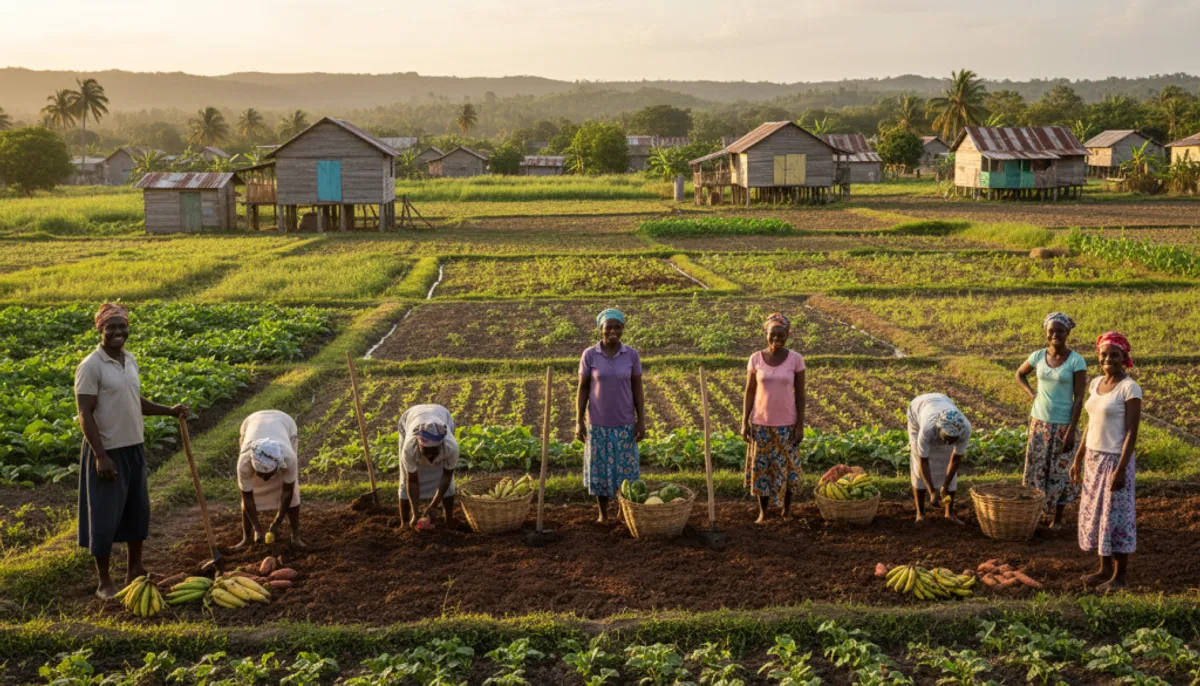
The scene is joyful and lively. Men wield their traditional tools while singing, while women prepare hearty meals.
The Konbit and Mutual Aid in Rural Areas
This community works according to a fair rotation system. Each family benefits in turn from collective assistance for its lands.
The konbit surpasses its original agricultural function. Today, it represents a philosophy of life in harmony and good neighborliness.
Another central place structures these rural practices: the lakou. This shared space functions as a small autonomous society.
| Community Element | Main Function | Social Benefits |
|---|---|---|
| Konbit | Collective agricultural work | Economic solidarity |
| Lakou | Shared living space | Transmission of values |
| Shared Meals | Friendliness and sharing | Strengthening bonds |
Thanks to these structures, villages preserve an essential part of their identity. They resist individualism while adapting to contemporary realities.
The International Influence of Haitian Culture
Paradoxically, exile has contributed to spreading Haitian creative wealth across the globe. This global expansion accelerated during the difficult years of the Duvalier dictatorship.
In the 1960s-1970s, many creators left their country for Canada, the United States, or France. This diaspora paradoxically strengthened artistic presence on the international stage.
Exile and the Global Dissemination of Haitian Arts
Exiled artists found opportunities for publication and exhibition abroad. Poet René Depestre gained considerable recognition thanks to his departure.
The Museum of Modern Art in New York acquired paintings from the most renowned artists. This institutional recognition legitimized their place in the history of art around the world.
Musicians like Ti Jack exported their unique rhythms across continents. Kompa and other musical styles have won new audiences.
Today, this Haitian culture influences various international creative fields. In the context of succeeding in bts general culture, artists maintain a fertile dialogue between their heritage and contemporary trends.
This worldwide recognition testifies to the enduring vitality of this unique expression. It continues to inspire new generations of creators.
Haitian Culture in the Daily Lives of Its Inhabitants
The rhythm of daily life in Haiti reveals a unique fusion of ancestral traditions and modernity. Every day often begins with spiritual rituals that blend Christian prayers and Vodou invocations.
Social interactions show a particular attention to respecting elders. Elaborate politeness formulas naturally structure exchanges among Haitians.
Rituals, Spiritual Practices, and Lifestyles
Daily meals reflect the local culinary richness. Rice with peas, griot, and traditional vegetables follow recipes passed down for generations.
The Creole language used on a daily basis conveys vivid expressions and distinctive humor. This linguistic creativity enriches the experience of everyday life.
| Daily Practice | Cultural Manifestation | Impact on Life |
|---|---|---|
| Morning Rituals | Religious syncretism | Spiritual balance |
| Traditional Meals | Culinary transmission | Intergenerational bond |
| Communication | Creole expressions | Identity strengthening |
| Health Care | Traditional medicine | Therapeutic complementarity |
Traditional healing practices remain vibrant among many Haitians. Consulting doktè fèy and using medicinal plants coexist with modern medicine.
Music naturally accompanies daily life, from radios to public transport. This cultural integration transforms simple gestures into meaningful acts.
Exploration of Visual and Plastic Arts
Visual arts constitute a universal language, but in Haiti, they take on a unique narrative and spiritual dimension. This art has roots well before independence, with wall decorations from the 18th century.
Shortly after 1804, King Christophe founded a painting academy in Cap-Haïtien. This institution marks the young nation's desire to develop its own forms of expression.
Techniques and Styles in Painting and Sculpture
Between 1830 and 1860, artists favored historical themes related to slavery. Religious subjects, notably inspired by Vodou, also structured their imagination.
The “naïve” style gained international recognition. It is characterized by the use of bright flat colors and vibrant scenes of popular life.
Over time, creation diversified to include academic and abstract approaches. Metal sculpture, using recycled drums, has become another characteristic form of expression.
These techniques coexist harmoniously, proving that art remains a privileged means of expression. It occupies a central place in contemporary culture on the island.
Heritage and Legacy: Roots and Modernity
The Haitian cultural heritage navigates agilely between its deep roots and the realities of the present. This delicate balance defines its relationship with modern times.
Conservation of Traditions and Adaptation to Modern Times
Ancestral thai traditions are not frozen relics. They constantly irrigate contemporary expressions on the island.The current society must pass on this heritage to the young. It also integrates global influences brought by the internet.
Institutions actively document this intangible heritage and implement measures for the protection of cultural heritage. They know that know-how risks disappearing without effort.
Many creators innovate while remaining true to their roots. Their works engage in dialogue with culture while being current.
The diaspora serves as a precious bridge. It connects preserved traditions in the country with innovations from abroad.
The new times offer digital tools for archiving and disseminating. This vitality proves the resilience of a unique culture.
Resources for Deepening Haitian Culture
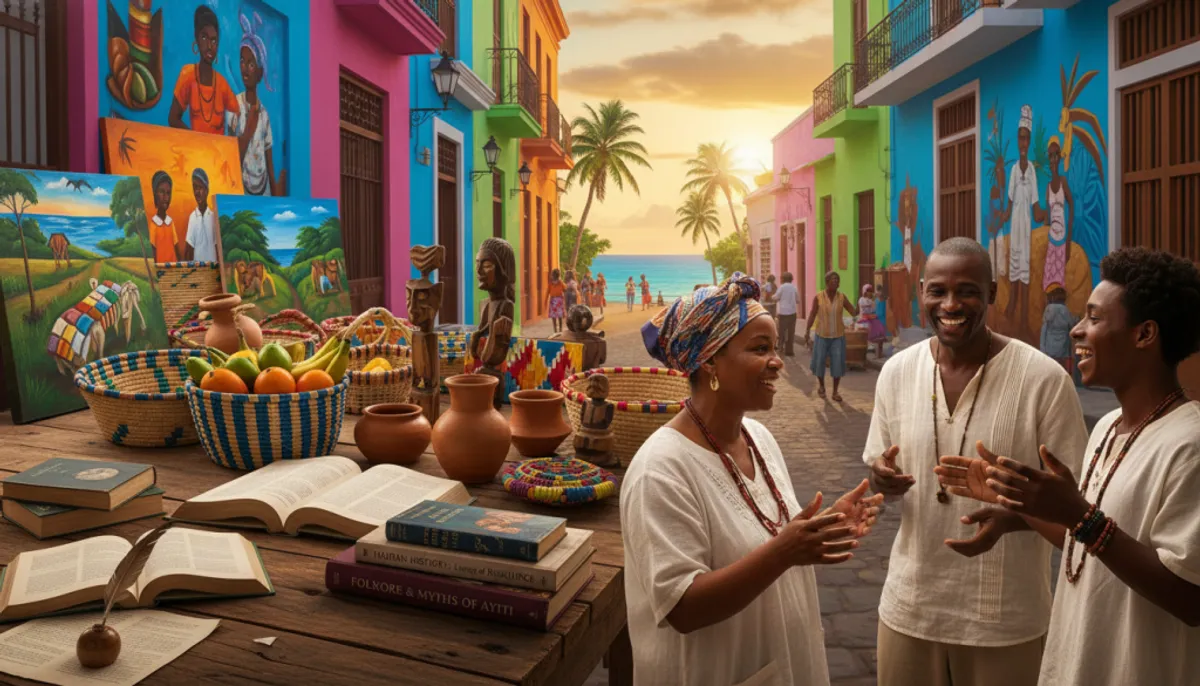
To transform your curiosity into in-depth knowledge, we have gathered a selection of essential references. This hub is your starting point for autonomous and detailed exploration.
Selection of Articles and Thematic Guides
Our collection guides you through specialized analyses and practical pathways. Special attention is given to the contributions of women in all cultural fields.
You will find, in particular:
- Guides on must-visit museums, galleries, and historical sites.
- Analyses on the evolution of music, painting, and literature.
- Recommendations for books, films, and documentaries for total immersion.
- Links to festivals and interactive workshops.
These resources make this hub a lively and constantly updated reference point for all enthusiasts.
Conclusion
This in-depth discovery illustrates how a people preserves its identity while shining on the international stage. The diverse artistic and spiritual expressions form a coherent legacy.
Music, literature, and oral traditions intertwine beautifully. These traditions testify to resilience in the face of numerous historical and contemporary issues.
The Haitians have managed to keep this heritage alive despite the challenges faced. This music resonates as a symbol of this vitality. Their creators now hold a recognized place in the world.
This unique cultural experience is part of a universal message of dignity. It inspires through its ability to transform challenges into beauty.
FAQ
What are the main influences that have shaped Haitian society?
The Haitian nation is a unique blend of African, European, and Taíno influences. These roots are seen in the Creole language, music, beliefs, and traditions. The country's history, especially the independence of 1804, has also forged its strong identity.
How does music play a role in daily life on the island?
Music is everywhere! From the rhythms of Kompa to the melodies of Twoubadou, it animates the streets and celebrations. Famous musicians like Tabou Combo carry these sounds around the world. It is an essential part of the life experience in Haiti.
Is Vodou simply a religion or does it have a broader impact?
Vodou is much more than a religion; it is a living heritage. It influences art, social practices, and even worldviews. Its ceremonies and symbolism are deeply connected to the culture of the people.
What is the tradition of "krik-krak"?
The “krik-krak” is an interactive way of storytelling. A storyteller says “Krik!” and the audience responds “Krak!” before the story begins. It is a fun oral tradition that transmits legends to children and keeps the tales alive.
Why is Soupe Joumou so symbolic for Haitians?
Soupe Joumou represents freedom! Once, slaves were not allowed to eat it. After independence, it became a dish to celebrate New Year's Day. It symbolizes pride, resistance, and community unity.
How do contemporary artists perpetuate cultural heritage?
Modern artists often blend traditional techniques with current themes. They use bright colors and patterns inspired by traditions to address today's issues. In this way, they keep the roots alive while innovating.