
Welcome to this immersion into the heart of a fascinating social phenomenon that goes far beyond the realm of sports. The most dedicated supporter groups have transformed the match experience into true live performances.
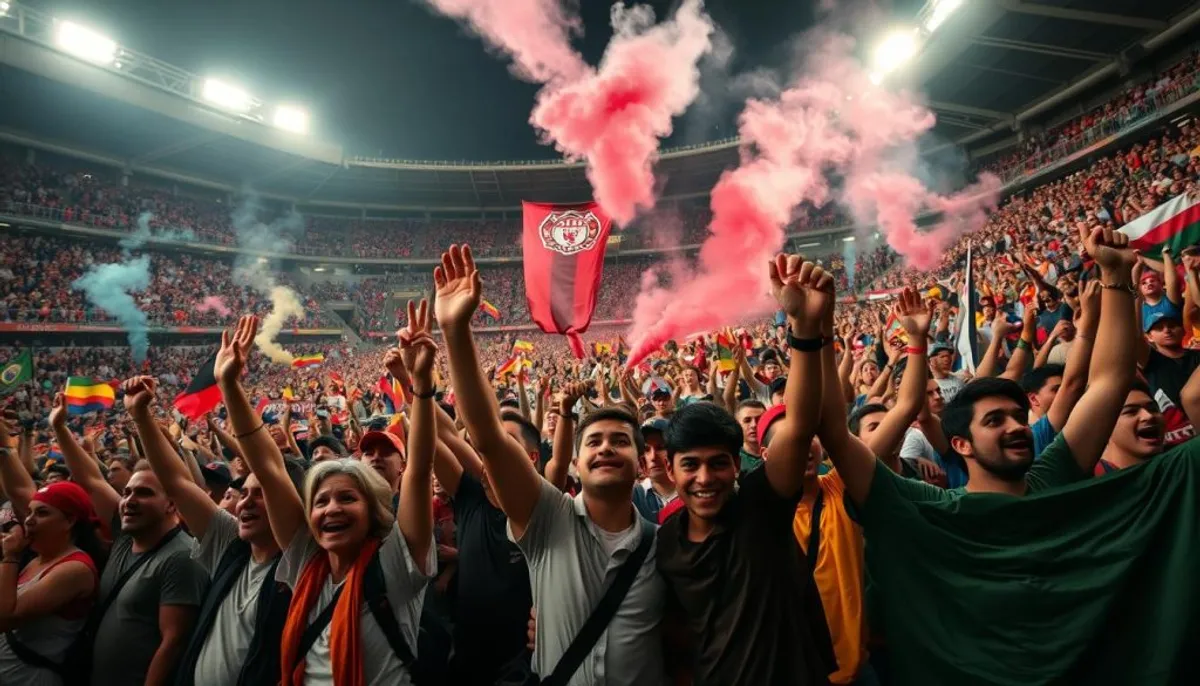
The term “ultra” has its roots in the Latin language, literally meaning “one who goes further.” This definition perfectly summarizes the commitment of these enthusiasts who transcend traditional sports support.
This unique movement emerged between the late 1960s and the early 1970s in Italian stadiums. It was born in a specific political context, marked by what is called the “years of lead.”
Today, this form of collective expression has spread across almost the entire European territory. Only a few countries like Liechtenstein or Latvia escape this influence.
We will discover how these collectives have developed an identity marked by absolute loyalty to their club. Their creativity in the stands and their strong sense of territorial belonging set them apart from conventional supporters.
Key Points to Remember
- The term “ultra” means “to go further” than traditional support
- The movement originated in Italy in the late 1960s
- It has spread across almost all of Europe today
- These groups transform matches into choreographed spectacles
- They develop a strong collective and territorial identity
- The movement faces challenges such as institutional repression
- It is an essential element of the European football landscape
Introduction to the Culture of Passionate Supporters
Beyond the sporting result, there exists a very particular way of living one’s passion for football. This approach goes far beyond simply attending a match.
The most dedicated supporters turn every encounter into an intense collective experience. Their commitment extends beyond the 90 minutes of play.
These supporter groups stand out for their rigorous organization and total independence. They create their own identity, distinct from the official structures of clubs.
At the stadium, their support becomes a true live spectacle. Coordinated chants, giant banners, and impressive choreographies animate the stands.
This form of expression unites hundreds of supporters around the world. It represents a resistance against the growing commercialization of modern sport.
The preparation for animations often occupies the entire week leading up to the match. This anticipation strengthens community ties and belonging to the group.
The Origins of the Ultras Culture
The history of the most dedicated supporters finds its roots in a pivotal time in European football. This movement developed from transalpine influences that marked the 1970s.
Historical Perspectives in Europe
The Italian model served as a reference for many groups across Europe. The first collectives emerged in a particular social context.
This inspiration spread towards the end of the 1970s. France was one of the first countries to adopt these innovative practices.
The Transalpine Cradle and Emergence in France
In France, the movement truly took shape in the mid-1980s. Three pioneering groups marked this foundational period, illustrating the importance of cultural influence in France within the sporting landscape.
The turn became the favored space for these new groups. The members developed a strong collective identity there.
| Founding Group | Supported Club | Year of Creation | Innovations Introduced |
|---|---|---|---|
| Commando Ultra | Olympique de Marseille | 1984 | First identity tarpaulins |
| Boulogne Boys | Paris Saint-Germain | 1985 | Coordinated chants |
| Ultramarines | FC Girondins de Bordeaux | 1987 | Colored tifos |
These first groups transformed the atmosphere of French stadiums. The turn became the sacred territory where the passion for the club is expressed.
The tarpaulin bearing the name of the group symbolizes this collective belonging. It accompanies supporters in every stadium visited.
The Evolution and Identity of Ultras Groups
The identity of supporter collectives has been built around powerful symbols and unique rituals that mark each encounter. These visual and auditory elements define their belonging and history.
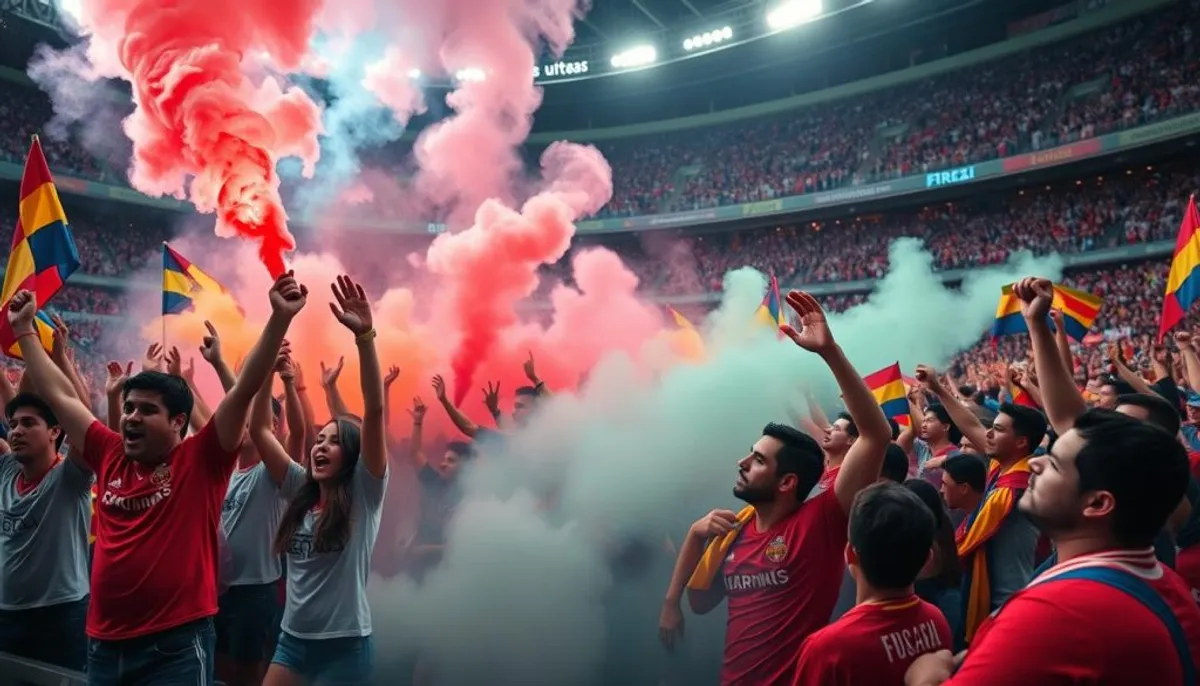
Evolution of Values and Symbols
Traditional flags and banners have given way to more elaborate expressions. Groups have integrated drums, flares, and monumental artistic creations.
Rituals, Chants, and Tifos in the Stands
Tifos represent the pinnacle of this creativity. These immense canvases, prepared over weeks, transform the players' entrance into a magical moment. The coordinated chants unite the stands during the 90 minutes of the match.
The collective experience reaches its peak during events like the 20th anniversary of the Avant-Garde of the Magic Fans in 2019. The Geoffroy-Guichard stadium became a true theater with spectacular tifos and perfectly synchronized choreographies.
Diversity and Territorial Anchoring of Ultras
The link between a supporter group and its territory goes far beyond mere sports support. These collectives embody the soul of their place of origin.
Each group develops a unique identity tied to its city or neighborhood, also integrating elements of Indian traditions. They become ambassadors of their local community.
The example of the Bukaneros in Madrid perfectly illustrates this dimension. This group supports Rayo Vallecano and represents the working-class neighborhood of Vallecas.
Their commitment reflects the leftist values of this territory. This territorial connection drives the groups to undertake concrete social actions.
They organize food drives and support local initiatives. Their role thus extends beyond the strict confines of the stadium.
| Supporter Group | City/Neighborhood | Territorial Actions |
|---|---|---|
| Brigate Autonome | Livorno (Italy) | Local antifascist engagement |
| Hertha Berlin Ultras | Berlin (Germany) | Urban youth projects |
| Green Brigade | Glasgow (Scotland) | Celtic charitable actions |
| Torcida Split | Split (Croatia) | Preservation of Dalmatian heritage |
This geographical diversity creates a rich and varied landscape. Each city contributes its unique input to the movement.
The identity of these collectives varies significantly depending on local contexts. This territorial dimension reinforces the members' sense of belonging.
Artistic and Cultural Expressions in the Stands
The football stands regularly transform into true workshops of passionate artists. The tifos represent the most spectacular expression of this collective creativity.
These immense visual works require weeks of preparation. Every detail is designed to create an immediate visual impact during the players' entrance.
The ultras groups compete in ingenuity in European stadiums. Their creations go far beyond simple decorations.
Humorous banners and colorful flares complement this artistic experience. Each element carries a specific message.
This form of expression now influences professional football. Some clubs integrate these visual codes into their communication.
The preparation of tifos strengthens the bonds between members. It becomes a ritual as important as the match itself.
The Impact of Ultras Culture on Contemporary Football
Modern football must now contend with a new force that profoundly transforms its ecosystem. Organized supporter collectives exert an increasing influence on all aspects of the game, reflecting the current trends of the movement.
Atmosphere and Creativity During Matches
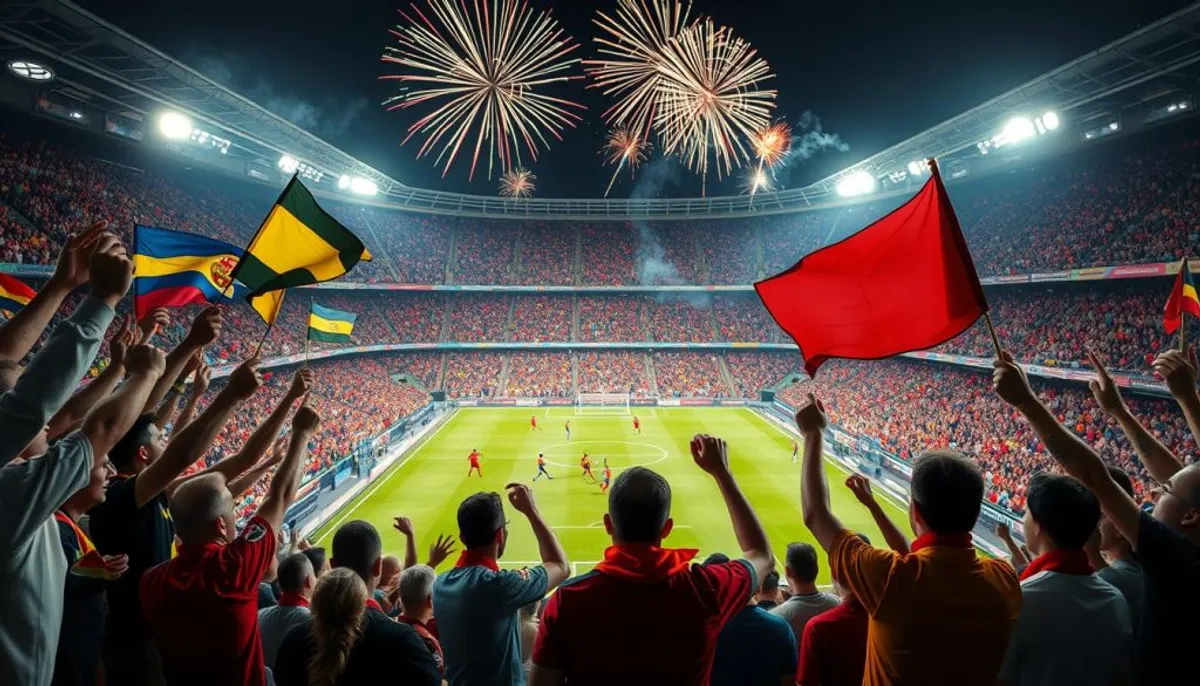
The animations in the stands have become an essential element of the football spectacle. Television broadcasters now dedicate entire shots to the choreographies of the groups.
This media recognition values the creative work of supporters. Clubs understand the strategic importance of this unique atmosphere.
Influence on Club Management and Decisions
Organized groups represent a counter-power to club management. Their voice carries the concerns of ordinary supporters, and they strive to maintain their influence in the football court.
This influence extends to crucial decisions such as ticket prices or match schedules. Clubs now regularly consult their supporter groups.
| Type of Decision | Influence of Groups | Concrete Example |
|---|---|---|
| Ticket Prices | Prior Consultation | Negotiation of popular rates |
| Change of Coach | Symbolic Pressure | Banners demanding departure |
| Security Policy | Constructive Dialogue | Adaptation of repressive measures |
| Special Events | Active Collaboration | Organization of joint tifos |
The football world has integrated this dimension into its daily operations. This evolution marks a recognition of the central role of supporters in a club's identity.
Political and Social Expression of Ultras Supporters
The relationship between organized supporters and political expression constitutes one of the most complex aspects of the movement. This dimension goes far beyond simple media stereotypes.
The French reality shows a great diversity of positions among the different groups. The landscape is much more nuanced than is generally imagined.
Between Militant Engagement and Apoliticism
The dominant discourse within many groups remains one of apoliticism. “Politics has no place in the stands” represents a frequent position.
This attitude coexists with sometimes very marked positions. Politically engaged individuals often remain a minority within the collectives.
In Marseille, antifascist groups dominate the turn. They prevent any expression of the far right in the stands.
In Paris, the situation is completely different. The supporters of Auteuil avoid positions too far left for fear of reprisals.
The movement is also involved in broader social causes. Participation in the Yellow Vests movement or local actions illustrates this commitment.
Contrary to popular belief, the majority of individuals in these groups do not support the far right. Many actively oppose it.
Repression, Challenges, and Evolution of the Ultra Movement
Freedom of expression in sports venues faces increasingly strict limits. Engaged supporter groups navigate a complex environment.
This daily reality imposes constant adaptations to preserve their collective identity.
Repressive Measures and Adaptation Strategies
Repression takes various forms in French stadiums. Travel bans and increased surveillance are part of the challenges faced.
Collective sanctions sometimes affect the entire group for isolated cases. This approach is often perceived as disproportionate.
In the face of these constraints, supporters develop innovative strategies, particularly by following fashion trends. Dialogue with authorities and internal self-regulation become essential.
| Type of Measure | Impact on Groups | Adaptation Strategy |
|---|---|---|
| Travel Bans | Limitation of Mobility | Organization of Local Events |
| Increased Surveillance | Control of Animations | Creativity in Expressions |
| Collective Sanctions | Group Accountability | Self-Discipline Mechanisms |
| Administrative Restrictions | Strict Legal Framework | Defensive Legal Actions |
The distinction from hooliganism remains fundamental. Organized supporters do not seek violence.
This repression raises questions about the balance between security and expression. The debate continues to evolve with the football landscape.
Memorable Experiences and Testimonies in the Stands
Some moments in French stadiums remain etched in collective memory. December 15, 2019, at the Geoffroy-Guichard stadium represents one of those magical moments.
The Avant-Garde of the Magic Fans celebrated its 20 years of existence. This historic ultra group of ASSE transformed the match into a total spectacle.
Case of the Magic Fans and Other Anecdotes
The stands witnessed spectacular tifos and perfect choreographies. Colorful flares created an electric atmosphere for 90 minutes.
The fireworks during Mbappé's goal particularly left an impression. This event showcases the exceptional creativity of this ultra group.
Founded in 1988, the Magic Fans are recognized for their social engagement. Their actions go far beyond the confines of the stadium.
Outraged reactions revealed a profound misunderstanding of this passion. These experiences unite supporters in unforgettable moments.
Conclusion
Ultimately, the phenomenon of organized supporters represents much more than mere stadium animation. The ultra movement has profoundly transformed the experience of modern football.
The tifos and flares are now recognized by an audience well beyond the sports venues. This fact reflects the considerable cultural influence gained by these groups.
The future requires a mutual evolution of mindsets. Supporters must continue to empower themselves while clubs and authorities must better understand this complex reality.
The ultra movement remains essential to preserving the popular soul of football against commercial pressures. Its effect on the atmosphere of matches remains unparalleled.
FAQ
What exactly is an ultra group?
An ultra group is a very organized and passionate supporters' organization. These groups are distinguished by their constant visual and auditory presence in the stands, creating a unique atmosphere during matches while celebrating French traditions.
Where does this supporters' movement come from?
This phenomenon emerged in Italy in the 1960s before rapidly spreading throughout Europe, particularly in France. It represents a new way of living one's attachment to a football club.
What does the term "tifo" mean?
A tifo is a large visual animation created by members in the stands. This can be an immense banner, colorful cardboard mosaics, or flags, creating an impressive spectacle to support the team.
Do ultra groups have an influence on their club?
Yes, their influence can be significant. Through their mobilization, they can impact the atmosphere of the stadium, management decisions, and even the performance of players on the field. Their voice is often heard.
How do groups create their identity?
Identity is forged through strong symbols such as a name, a logo, specific chants, and rituals. It is also deeply linked to the club's history and its anchoring in their city or region.
Is there a political dimension among the ultras?
This varies greatly. Some collectives display a clear militant engagement, while others claim strict apoliticism. The position depends on the history and values specific to each group.
How do clubs and authorities manage these groups?
The relationship is often complex. Clubs value the atmosphere they generate, but repressive measures may be implemented to prevent excesses, which pushes groups to constantly adapt.