
Denmark fascinates with its unique balance between Scandinavian heritage and contemporary innovation. This small country has managed to preserve its traditions while becoming one of the most progressive states in the world.
With around 5.4 million inhabitants, this nation demonstrates that it is possible to combine exceptional quality of life with technological advancements. The Danes have developed an approach to happiness that inspires well beyond their borders.
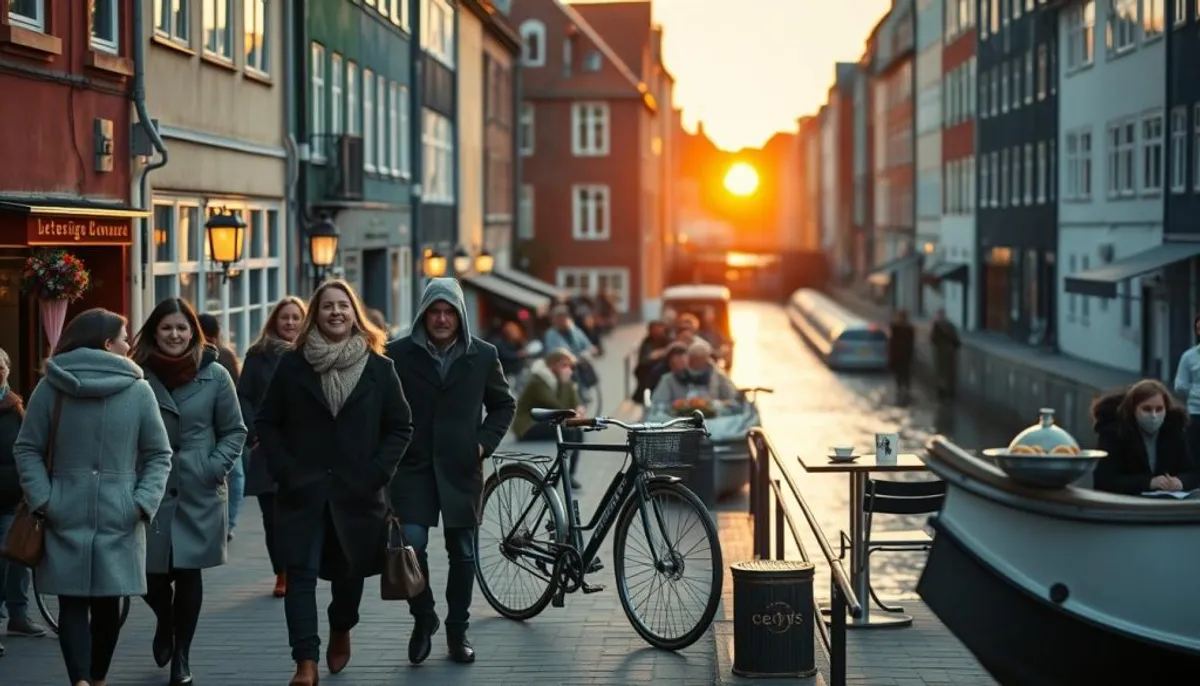
Iconic figures like Hans Christian Andersen and internationally recognized Scandinavian design showcase the influence of this Danish culture everywhere. Their conception of social equality and pursuit of daily harmony captivates observers.
This guide invites you to explore the many facets of Danish culture. We will cover festive traditions, the famous concept of hygge, education, design, and the innovations that make this country an inspiring model.
Key Points to Remember
- Harmonious blend of ancestral traditions and modernity
- Population of approximately 5.4 million inhabitants
- Unique approach to happiness and quality of life
- International influence through design and iconic figures
- Values of social equality and daily balance
- Country considered one of the most progressive in the world
The Historical Foundations and Danish Way of Life
The deep roots of the Danish people trace back to the legendary Viking warriors who marked Scandinavian history. This Nordic heritage has shaped national identity over time, making it essential to pass culture analysis time to understand the evolution of their traditions.
The Lutheran Protestant influence played a fundamental role in social development. The majority of the population comes from small, once very pious rural communities.
Origins, Influences, and Historical Heritage
The country has transformed its Viking past into a modern egalitarian society. The values of humility and collective solidarity stem from this religious tradition.
| Historical Period | Cultural Influence | Impact on Lifestyle |
|---|---|---|
| Viking Era (793-1066) | Nordic Mythology | Community Spirit |
| Protestant Reformation (16th Century) | Religious Egalitarianism | Emphasis on Dialogue |
| Modernity (20th-21st Century) | Jante Law | Rejection of Ostentation |
The Jante Law and Social Equality
The Jantelov represents an unwritten philosophy deeply ingrained in the local people. Its essential principle discourages any form of individual superiority.
This mentality promotes a way of life based on mutual respect and the absence of excessive hierarchy. The Danes prioritize dialogue and collective discipline.
The Essence of Danish Culture: Traditions and Festive Rituals
The year in Denmark is marked by unique celebrations that blend folklore and friendliness. These events signify the passage of time with a touch of magic and symbolism.
New Year Celebrations, Fastelavn, and Easter
The first day of the year begins with a surprising tradition. At the stroke of midnight, the Danes jump from their chairs to attract good luck.
In February, Fastelavn enchants children. They dress up and take turns hitting a barrel filled with candy until it breaks. This celebration recalls an ancient spring ritual.
Easter brings its share of creativity with gækkebreve. These are cut-out letters where the recipient must guess the sender. A lovely way to share chocolates.
Festive Rituals and Symbols in Daily Life
The most anticipated moment of the week leading up to Christmas is J-dag. This first Friday of November marks the official beginning of the festivities.
Birthdays follow an inverted tradition. The birthday child brings the cake to school to share with classmates. A beautiful gesture of generosity.
The national flag adorns all special occasions. It symbolizes pride and unity during family gatherings.
The Concept of Hygge and the Danish Art of Living
At the heart of the Scandinavian art of living lies a unique concept that defines happiness the Danish way. Hygge represents much more than just a word – it is a complete philosophy of life. Understanding the benefits of culture checks can further enhance this appreciation for well-being and community.
Hygge: Comfort, Coziness, and Well-Being
This Norwegian term, adopted in the 18th century, means creating an atmosphere of absolute well-being. Hygge emphasizes simple moments shared with friends or family.
During the long winters, the Danes cultivate this warm way of life. They light candles and create cozy spaces to compensate for the darkness.
Every moment can become hyggelig – a coffee with loved ones, reading by the fire. The important thing is to take the time to savor these moments.
Influence on Interior Decoration and Ambiance Design
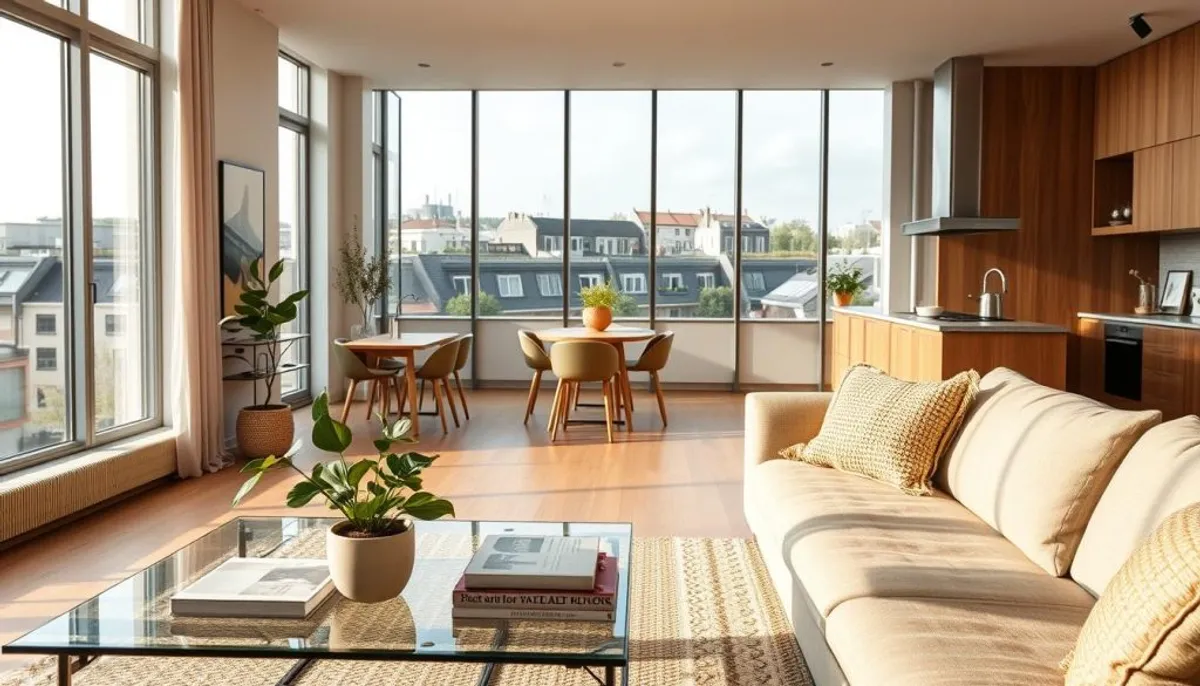
Hygge manifests in every detail of decoration. Interiors use wood extensively to bring warmth and nature.
Light tones maximize brightness during the dark months. Large sofas and cozy fabrics invite relaxation.
This approach to way of life explains why the Danes rank among the happiest people. Hygge transforms daily life into a comforting experience.
Social and Educational Diversity in Denmark
The Danish educational system represents a fundamental pillar of modern society. It combines accessibility and quality, forming engaged citizens from a young age. Various study methods for a multiple choice questionnaire are employed to enhance learning outcomes.
This inclusive approach is reflected in all aspects of collective life.
The Organization of the Educational System and School Life
Public school is free, including university studies. Students who work receive a monthly allowance of about 800 euros.
This support encourages the continuation of studies. It significantly reduces school dropout rates.
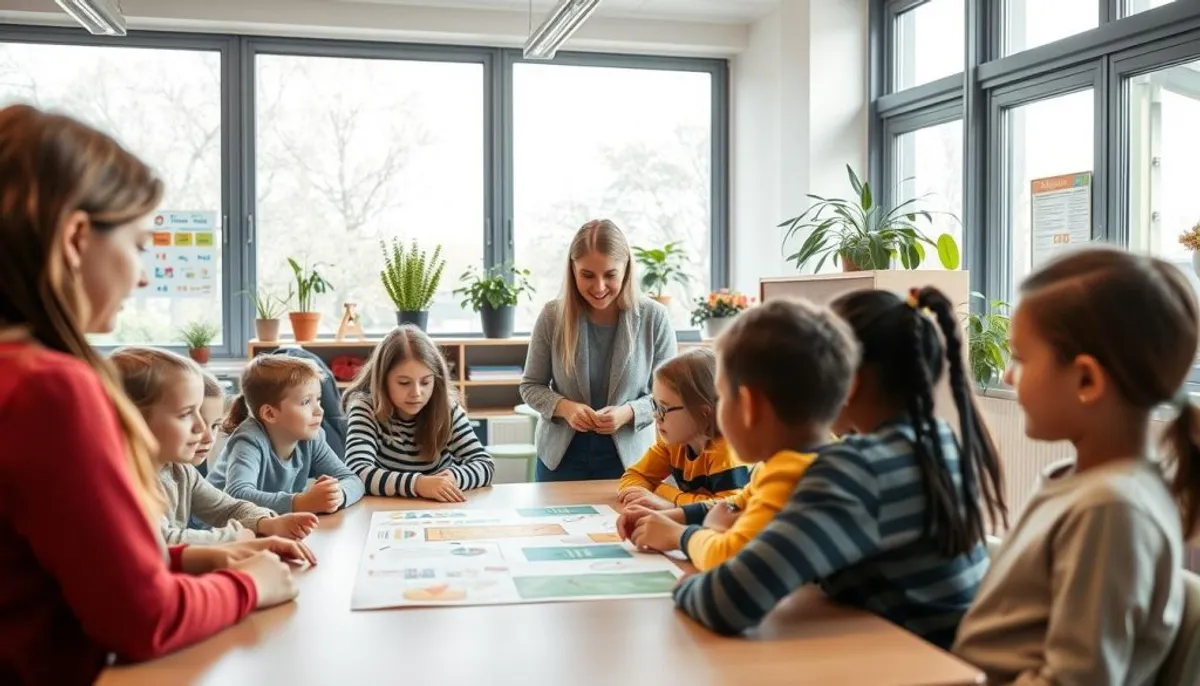
From their entry into school, children learn the importance of healthy eating. They bring their lunch in boxes.
A typical meal includes fruits, vegetables, and rye bread. Teachers closely monitor the eating habits of each child.
| Child's Age | Type of Institution | Particularity |
|---|---|---|
| 0-6 years | Daycare | Development through play |
| 6-16 years | Compulsory School | Free education |
| 16+ years | High School / University | Student allowances |
An Inclusive and Innovative Society
Equality among people is a core value. Women have been voting since 1915. Men take paternity leave.
The country has been a pioneer for same-sex marriage. Social tolerance is remarkable.
Young people become independent around 18 years. They often leave the family home early.
A fun tradition exists: at 25 years, if you are not married, friends cover you in cinnamon!
The Influence of Design and Arts in Daily Danish Life
The creative excellence of Denmark shines through its artistic achievements and functional design. These fields profoundly shape the daily experience of its inhabitants.
The Excellence of Danish Design and Its Icons
Danish design stands out for its elegant minimalism and remarkable practicality. In the early 20th century, the Bauhaus movement influenced local creators.
They quickly developed a unique identity. This approach values high-quality craftsmanship and the noble use of wood.
| Period | Movement | Iconic Designer | Characteristic |
|---|---|---|---|
| 1950s | Modernism | Arne Jacobsen | Organic lines |
| Mid-century | Functionalism | Hans Wegner | Precise cabinetry |
| Contemporary | Innovation | Bang & Olufsen | Integrated technology |
Traditional Craftsmanship, Visual Arts, and Creative Innovation
Painting experienced its Golden Age at the end of the 19th century. Masters like Eckersberg captured authentic scenes of life.
The Canon lists 108 major works of this artistic culture. It celebrates national heritage in various fields.
Danish cinema has influenced the world since 1906 with Nordisk Film. The Dogme school revolutionized cinematic language.
Culinary arts are not left behind. The restaurant Noma was voted the best restaurant in the world in 2010 and 2011.
Modernity, Innovation, and Cultural Adaptation
Danish modernity manifests in various fields, from transportation to work organization. This country has managed to create an environment where technology and well-being intertwine naturally.
The Role of Contemporary Design and Technology
People prefer biking over driving. State-of-the-art cycling infrastructure runs through cities with dedicated lanes and specific traffic lights.
This extraordinary social trust characterizes daily life. Residents often leave their belongings unattended in the street.
Constructive individualism encourages autonomy. Everyone solves their problems alone but remains helpful when directly asked for assistance.
The high standard of living offsets the significant cost. In 2017, the average monthly salary reached 4,599 euros.
Work-life balance is valued. Working overtime is frowned upon in companies.
The minimalist dress style reflects the clean Nordic aesthetic. Black, white, and gray tones dominate.
Innovation positions this country as a leader in many sectors. The world looks at these sustainable solutions with interest.
This ongoing cultural adaptation preserves traditions while embracing modernity. The time spent with family remains sacred.
Conclusion
The Danish social model demonstrates that innovation and traditions can coexist harmoniously. Throughout the year, numerous holidays punctuate the week and strengthen bonds between friends and family.
This unique Danish culture combines simple pleasures like famous craft beers and smørrebrød with deep values. Respect for the ancestral land guides their adaptation to contemporary challenges.
Over the years, this nation has managed to preserve its identity while shining internationally. From music to design, its influence far exceeds its borders.
At the end of this exploration, we remember that happiness lies in balance. Each day can be enriched by this philosophy of life that values authenticity and collective well-being.
FAQ
What exactly is "hygge"?
Hygge is a central concept in the local way of life. It evokes a warm atmosphere of comfort and coziness. It is the art of savoring small pleasant moments, often with family or friends, with a candle, a hot drink, or a cozy blanket.
How does a typical celebration like Fastelavn unfold for children?
Fastelavn is a very popular celebration, especially for the younger ones. It is somewhat similar to Halloween. Children dress up and take turns hitting a wooden barrel filled with candy until it breaks. The one who knocks down the last pieces is crowned king or queen of the cat!
Is the educational system really different for students?
Yes, the school emphasizes well-being and collaboration rather than competition. Children often learn through play and practical projects. The goal is to develop their autonomy and critical thinking from a young age.
What are the traditional beers or drinks to try?
The local culture takes pride in its breweries. You will find a wide variety of beers, from classic pilsners to innovative craft beers. For a non-alcoholic drink, black apple juice (æblemost) is a must, especially at Christmas.
How do residents perceive the "Jante Law" today?
This unwritten rule promoting humility and equality still influences society. People value modesty and the collective. Even though its influence is debated, it partly explains why the gap between the rich and the poor is small in the country.
Is there a particular place to discover traditional craftsmanship?
Absolutely! Open-air museums, like the National Museum in Copenhagen, showcase carved wood, pottery, and historical textiles. Many workshops and shops in the streets of old towns also allow you to admire and purchase these unique creations.