Dive into the captivating universe of Culture Box, a remarkable initiative by the France Télévisions group. This platform was much more than just a website. It represented a true gateway to the French artistic world.
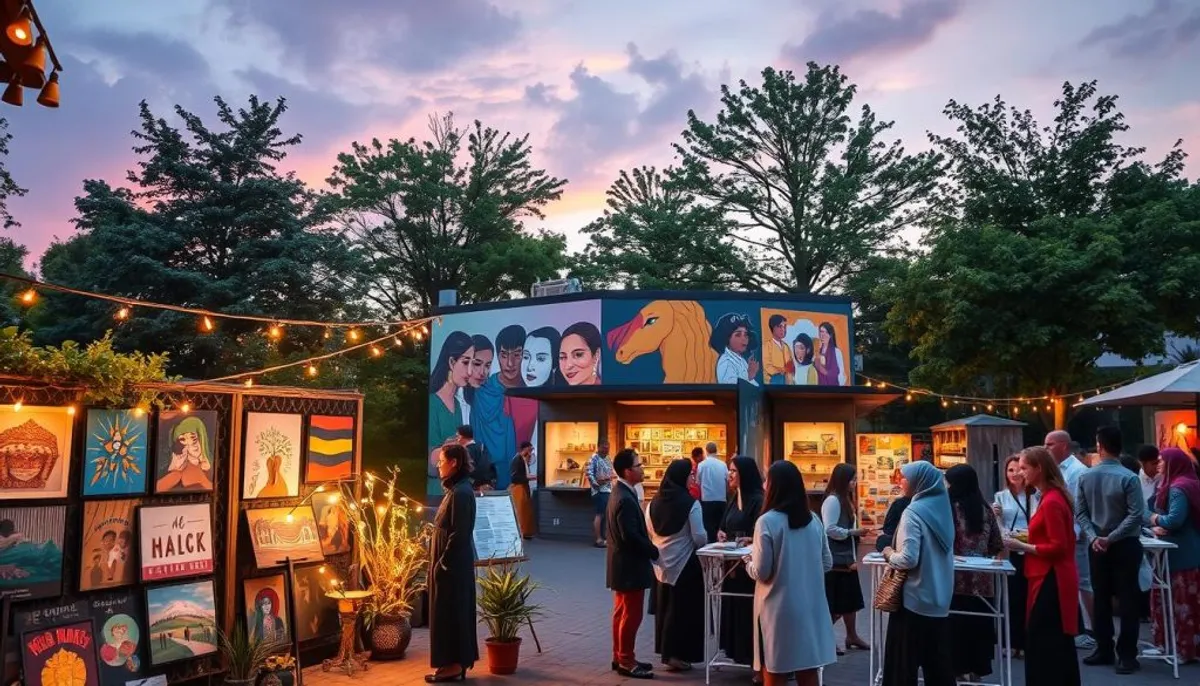
Its main objective was to make a rich and diverse programming accessible. It connected creators with the general public through digital media and television. Every visitor could discover live performances, exhibitions, and exclusive documentaries, as well as a significant cultural event.
The ambition was clear: to democratize access to creation in all its forms. This project marked its time by valuing the national artistic heritage. It offered unique moments, enriching the daily lives of its viewers.
Key Points to Remember
- Culture Box was an audiovisual platform dedicated to artistic promotion.
- The service belonged to the public group France Télévisions.
- It offered access to a rich and varied cultural programming.
- The platform served as a bridge between artists and the French public.
- Its mission was to make culture accessible to everyone, everywhere.
- It evolved from a website to a temporary television channel.
- The initiative aimed to promote the national artistic heritage.
Introduction to Culture Box and Its Cultural Values
At the heart of this initiative lay a simple yet powerful belief: art belongs to everyone. This idea guided every aspect of its programming, aiming to reach the widest possible audience. The goal was to make works accessible, regardless of residence or social background.
The commitment was clear: to celebrate all arts without hierarchy. From cinema to dance, theater to visual arts, each discipline found its place. This diversity reflected the richness of contemporary and traditional creation.
An inclusive philosophy allowed everyone to identify. Young and old, novices or experts, all could discover tailored content. This approach made the artistic universe less intimidating and closer to daily life.
The platform played an essential role in enriching the national cultural life. It actively supported creators by providing them with a unique showcase. Every editorial decision was motivated by this public service mission.
History and Context of the Channel
In October 2008, a new digital platform emerged within the French public audiovisual sector. This initiative marked the beginning of an adventure that would last several years.
The Beginnings on the Web in 2008
Culture Box was born as the cultural platform of France 3. The initial program featured a selection of topics broadcasted in the national and regional news of the channel, highlighting the cultural values of our society.
Internet users could thus discover various artistic content directly online. This innovative approach responded to the growing demand for digital access to culture.
Transition to Television Broadcasting
In 2010, a significant milestone occurred with the integration under the France Télévisions brand. The logo evolved from blue to gray, symbolizing this new identity.
Three years later, in 2013, Culture Box became the official cultural platform of the entire group. This recognition was part of the development of other digital services of public service.
| Year | Event | Scope |
|---|---|---|
| 2008 | Web launch | France 3 platform |
| 2010 | Group integration | France Télévisions brand |
| 2013 | Official recognition | Platform of the entire group |
This evolution over more than ten years demonstrates a constant commitment to artistic broadcasting. The project adapted to new technologies while maintaining its original mission.
Launch and Evolution of Culture Box
At the height of the health crisis, a new chapter opened for this cultural project. On January 22 , 2021, France Télévisions officially announced a major decision that would transform the artistic offering.
Key Stages of the Project
The announcement came in a particular context, with the mission of supporting the struggling sector. This temporary channel presented itself as an immediate response to the closures of cultural venues.
The actual launch took place on February 1 , 2021 at 8:35 PM. This date marked the beginning of an ambitious television adventure, after several years of digital development.
Technical negotiations with the CSA preceded this broadcast. The channel took over channel 19 of the TNT, left vacant after the closure of France Ô.
This evolution over fifteen years demonstrated remarkable adaptability. The project successively transitioned from a web platform to a true national offering.
January 2021 will remain a pivotal moment. Then February materialized this transformation into a unique television experience, marked by debates around wokism.
The Innovative Concept of the Channel
What particularly distinguished this offering was its revolutionary concept. It placed live performance at the heart of each broadcast day. The artists became the true protagonists of this television adventure.
The editorial approach skillfully mixed several formats. Live performances were paired with in-depth interviews. Each show thus offered a rich and varied experience to viewers.
This philosophy of openness welcomed all genres without distinction. The programming reflected an exceptional diversity in the audiovisual landscape. It created a unique cultural melting pot.
The program managed to be both popular and demanding. It valued contemporary creation while remaining accessible. This approach allowed artists from all backgrounds to express themselves fully.
Focus on Culture Box: Experiences and Commitments
The very essence of the project rested on a desire for social transformation. Culture Box aspired to create authentic connections between creators and their public.
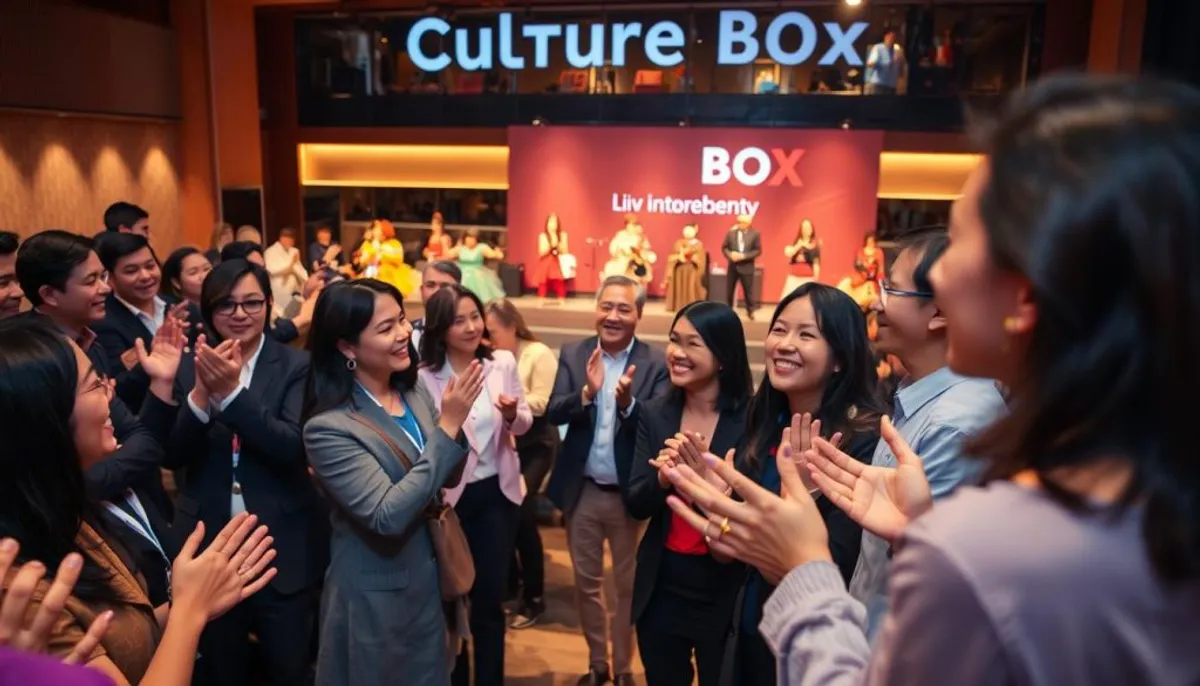
“The goal was to reconcile culture, live performance, and the public, or at least to strengthen this relationship,” says Raphäl Yem. This mission made perfect sense during difficult times.
The platform served as a real springboard for emerging artists. Many found their first national media exposure here. This approach radically renewed the audiovisual landscape, integrating new technologies that transformed how works are presented in the courtry.
“On TV and radio, for several years, we handed the microphone to the same people. It’s great for them, of course, but the cultural scene is so rich!” asserts Daphné Bürki.
This diversity enriched French cultural life. Viewers discovered performances they would never have seen otherwise. Each broadcast became a unique experience.
The concrete commitment supported contemporary creation. The artistic flame remained alive despite the challenges. This inclusive approach valued all expressions.
The national cultural life was transformed. Lasting bridges were built between stages and homes. Access became truly democratic.
The Cultural Programs Offered
The diversity of content offered was the true treasure of this artistic offering. Every day, an eclectic programming awaited viewers with various surprises.
Live Recordings and Performances
Live recordings allowed viewers to experience the emotion of concerts from their living rooms. The program “At the Show at Home” took on its full meaning during difficult times.
Theater performances and festivals like Vieilles Charrues were broadcast in full. This approach made events usually reserved for a present audience accessible.
Flagship Shows and Unforgettable Moments
“Culturebox, the show” hosted guests daily for exclusive performances. This show became an unmissable appointment for art lovers.
Original formats like “Basique, the sessions” or “Le Paname Comedy Club” proposed innovative concepts. The Eurovision song contest also found its place in the lineup.
Educational programs like “Museums at Home” democratized access to art. Each show contributed to enriching the cultural life of the French.
The Recordings and Live Performances
Sixty exceptional performances marked viewers' evenings. These recordings offered professional quality worthy of the greatest national stages.
Concerts, Shows, and Festivals
The Culturebox festival in July 2020 revolutionized access to concerts. Eleven live performances created an immersive musical experience.
The diversity of genres was impressive: from rock to rap, from electro to classical. Each show retained the unique energy of the original stage.
| Type of Performance | Number of Broadcasts | Broadcast Platforms |
|---|---|---|
| Live Concerts | 11 | france.tv, Facebook |
| Theater Shows | 24 | TNT, streaming |
| Complete Festivals | 8 | Prime time television |
| Music Contests | 3 | Multi-broadcast |
Filmed theater performances offered an accessible alternative during closures. This approach maintained the precious link between artists and the public.
The technical quality faithfully recreated the atmosphere of each concert. Historic musical moments thus became accessible to all.
The Public Service Mission of Culture Box
During a period of unprecedented restrictions, access to art became a national priority. This initiative took on a fundamental mission to maintain the link between creators and their public.
The closure of performance venues created a huge void in French artistic life. The project intervened as a lifeline for the sector. It offered a free and accessible alternative to all, thereby reinforcing the passion for culture and the arts.
Institutional support was crucial. Roselyne Bachelot, Minister of Culture, praised this essential initiative. The Superior Council of Audiovisual also provided its support.
Audience figures testify to public support. With 25.6 million monthly viewers, the offering achieved remarkable success. This audience confirms the importance of maintaining artistic programming during a crisis.
| Aspect of the Mission | Measurable Impact | Relevant Period |
|---|---|---|
| Accessibility during Closures | 25.6 million viewers/month | February 2021 and beyond |
| Support for Artists | 60 performances broadcast | During the health crisis |
| Public Funding | Own funds from France Télévisions | Duration of the project |
| Geographical Coverage | National access on TNT | Launch February 2021 |
Self-funding by France Télévisions demonstrates a solid financial commitment. This concrete involvement allowed for an exemplary public service mission. The collective pride in this achievement remains palpable.
During a crisis, maintaining a quality artistic offering was vital. Public service values guided every editorial decision. This approach ensured a diverse and demanding programming.
Talent and Artistic Diversity Presented
The platform shone through its ability to bring together a mosaic of exceptional artists. More than six hundred creators from all backgrounds found a true stage to express themselves.
Famous and Emerging Guests
The show served as a remarkable springboard for young talents. “For artists, the show remains a springboard. It’s often the opportunity for them to make their very first television appearance.”
Zaho de Sagazan made a strong impression with her first appearance in 2021. Since then, Hervé, Terrenoire, and Sheng have followed this promising path.
Axelle Saint-Cirel, discovered in 2023, even sang La Marseillaise at the 2024 Olympics. Her journey perfectly illustrates the impact of this media showcase.
The diversity of disciplines was impressive. From rap to classical music, from theater to cinema, each artist found their place. Writers mingled with actors in a rich programming.
This inclusive approach valued both established stars and new talents. It reflected the richness of the contemporary French scene while being rooted in the history and history of Indian global artistic creation.
Commitment in a Crisis Context
When the doors of cultural institutions closed, an innovative solution emerged. The pandemic created a huge void in French artistic life, necessitating an immediate response.
“We had a pretty tumultuous first year because we had artists who were not doing well,” confides Daphné Bürki. Creators felt “non-essential” during this unprecedented health crisis.
Adaptation to Lockdowns and Closure of Cultural Venues
All venues had to close their doors. Concert halls, cinemas, and museums remained empty for long months. This situation profoundly affected the morale of artists and the public.
The initiative became a vital refuge. “The show asserted itself as a breath of fresh air for artists and the public,” explains Raphäl Yem. For the first time, a virtual stage replaced the closed real stages.
Creative solutions allowed for the maintenance of cultural life. Entire festivals were broadcast live. Music continued to resonate despite the absence of a physical audience.
This rapid adaptation saved many artistic projects. It provided crucial psychological support to distressed creators. The resilience of the sector was built through these life-saving initiatives.
Partnerships and Institutional Support
Major institutional supports allowed this project to come to life and endure. The Ministry of Culture, represented by Roselyne Bachelot, and the Superior Council of Audiovisual provided their valuable support.
The France Télévisions group ensured self-funding. This financial commitment demonstrates the public service's willingness to support artistic creation.
These partnerships played a crucial role in launching the temporary channel. They also enabled its transformation into a permanent offering.
The collaboration between different public institutions was exemplary. This synergy supported the sector during and after the health crisis, illustrating the Jewish wisdom in overcoming collective challenges.
Thanks to this support, the transition from channel 19 to channel 14 was achieved. The channel thus found new life in the evening, following France 4.
Regulatory authorities entrusted the project carried by the group. This institutional recognition guaranteed the initiative's sustainability.
The complementarity with the other channels of the France Télévisions group enriches the overall offering. This coherence reinforces the public service mission.
Continuity is thus ensured through these strong partnerships. The channel can pursue its mission beyond its initial format.
Design and Visual Identity of Culture Box
The visual identity of Culture Box marked a decisive turning point at its television launch. This shift to terrestrial broadcasting in February 2021 required a strong and coherent image.
The Gédéon agency designed a modern graphic charter reflecting the project's values. The new name was accompanied by an innovative logo with two horizontal chevrons.
Creation of the Logo and Sound Identity
The visual symbol represents a permanent dialogue between the arts and the public. These chevrons facing each other evoke exchange and cultural accessibility.
France.tv Distribution developed a complementary sound identity. The jingles created a recognizable atmosphere from the start of each cultural news.
The evolution since January 2008 shows several significant transformations. The France Télévisions group evolved the logo from blue to gray in 2010.
The Contribution of Young Artists
Emerging talents and art school students actively participated. Their contribution enriched the channel's identity jingles.
This young involvement perfectly aligned with the project's mission. The group thus valued the creativity of the new generation.
The visual identity underwent its last major evolution in January 2021. The new name and logo unified all broadcast platforms.
Accessibility on Different Supports
Thanks to a multi-platform broadcasting strategy, access to content became universal. The channel was available on TNT, satellite, cable, and IP television. This approach ensured complete coverage of the metropolitan territory.
The digital terrestrial broadcasting initially took place on channel 19 of the TNT. Subsequently, a strategic shift to channel 14 ensured service continuity. All programs were broadcast in high definition.
The france.tv platform perfectly complemented the air offering. It allowed viewers to watch content live or on catch-up. This flexibility met the new viewing habits of audiences.
| Broadcast Medium | Geographical Coverage | Type of Access |
|---|---|---|
| TNT (channel 14) | Entire Metropolitan Area | Digital Terrestrial |
| Satellite and Cable | National | Subscription |
| IP Television | According to Operator | Streaming |
| france.tv | Worldwide | Web and Mobile |
Evening programming began at 9 PM and ended at 6 AM. This time slot optimized the sharing of airtime with France 4. The air thus became an unmissable cultural appointment.
The Evening Show Appointment
Starting May 3 , 2021, a new cultural appointment settled on French screens every evening. The ministry announced the extension on channel 14 in a “half-time” format with France 4. This historic transition preserved access to the arts during a crucial period.
The programming starts at 8:10 PM, then evolves to 9 PM depending on the periods. Each evening offers a remarkable diversity of artistic content, new technologies, and live music. Viewers thus find their favorite appointments after their workday.
The alternation between different formats creates a captivating weekly rhythm. Live recordings of shows coexist with original programs. This variety maintains the public's interest throughout the week.
| Type of Program | Weekly Frequency | Broadcast Time |
|---|---|---|
| Live Concerts | 3 evenings | From 9 PM |
| Music Festivals | 2 evenings | 8:10 PM or 9 PM |
| Theater Shows | 2 evenings | 9:30 PM |
| Cultural Programs | 4 evenings | 8:10 PM |
The musical diversity is particularly impressive in the evening. A classical concert may precede a rap festival the next day. This eclecticism responds to the varied tastes of viewers, also including performances of trock music.
Each curtain rise creates a unique atmosphere from the living room. The “largest concert hall in France” thus becomes accessible to all. This initiative demonstrates the adaptability of public service in the face of challenges.
Reservation and Practical Information
Access to content requires an understanding of the available consultation modalities. Since June 2025, the france.tv platform centralizes all videos of shows and concerts.
Online Reservation Modalities
Searching on france.tv allows you to easily find your favorite programs. The organization set up since April 2019 separates news from video content.
The “Arts and Shows” page now replaces the old website. You can watch each show multiple times thanks to replay.
Information on Schedules and Participants
The weekly programming is accessible online with all schedules. The content is divided into several parts for tailored consultation.
The sections cover cinema, theater, music, and literature with writers. Information on participants facilitates the discovery of new talents.
This complementarity between franceinfo: culture and france.tv offers a complete experience. The transition of June 2025 simplifies access to this rich artistic programming.
Conclusion
The Culture Box adventure concluded on the night of June 6 , 2025, marking the end of an exceptional chapter. After four years of sharing airtime, the brand made way for France 4. This transition ensures the continuity of cultural programs.
The assessment of this temporary channel remains impressive. More than 600 artists were welcomed and 60 shows recorded. The initiative reached 25.6 million monthly viewers.
The legacy endures under the France 4 brand. Programs like “Les estivales” continue to enrich cultural life. The public continues to benefit from this unique offering.
This adventure demonstrates the importance of maintaining a strong artistic programming. It has transformed access to culture for years to come. The cultural life of France remains marked by it.
FAQ
On which channel can we watch the programs?
You can follow the temporary channel on the France Télévisions website and via the app. Concerts and shows are often broadcast live, accessible for free.
What types of events are primarily offered?
The programming highlights live performance: recordings of concerts, theater plays, festivals, and shows dedicated to the arts like cinema or rap. It is a true showcase for emerging and established artists.
Is the channel accessible after its broadcast period?
Yes, many contents, such as shows or recordings of evenings, are available for replay on the digital platforms of France Télévisions, even after the end of the broadcast on air.
How did the channel support the sector during the crisis?
Faced with the closure of venues, this initiative offered a crucial passage to music and the arts. It allowed for maintaining a link with the public and valuing the work of talents during a difficult period.
Who are the regular participants in the shows?
The channel's news and programs host a diversity of guests, from recognized writers to emerging groups. This variety enriches discussions about the contemporary artistic scene.