
Welcome to Eswatini, a small landlocked kingdom in the heart of Southern Africa. This country promises you an extraordinary travel experience, away from the beaten path. Nestled between South Africa and Mozambique, it reveals a breathtaking diversity of landscapes.
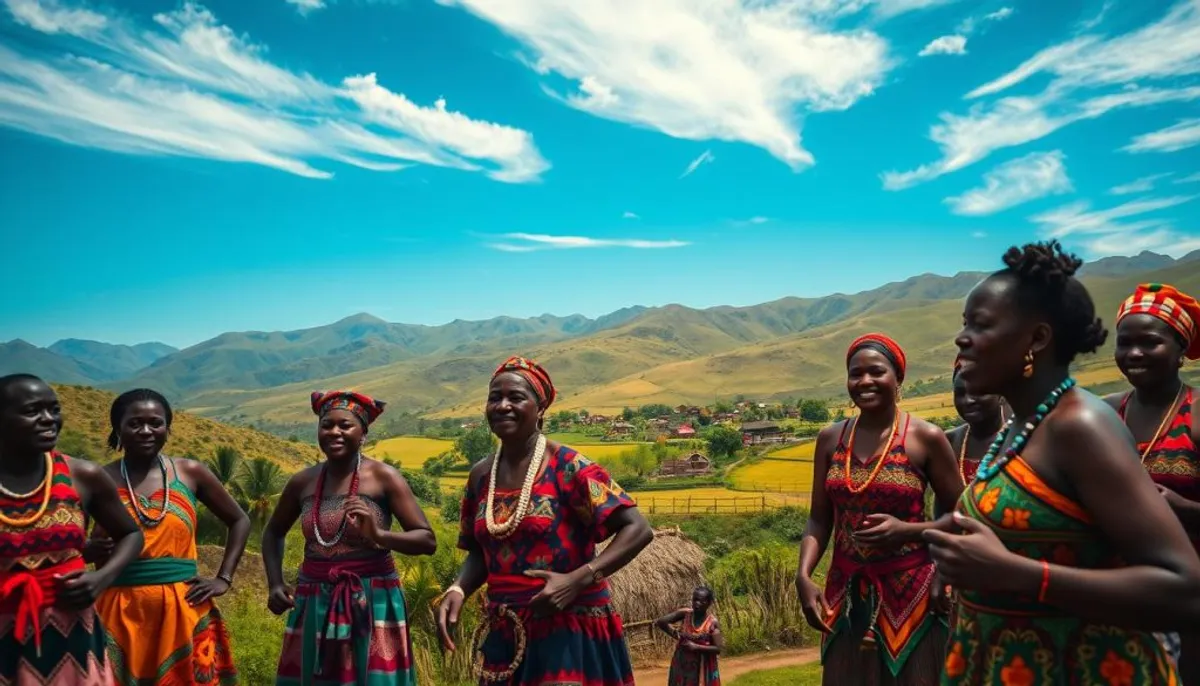
Unlike many destinations, the traditions observed here are authentic. They are not spectacles for tourists but the true way of life of the Swazis. This proud and warm people welcome visitors with legendary hospitality.
Formerly known as Swaziland, the kingdom was renamed Eswatini in 2018 by King Mswati III. This change symbolizes a deep attachment to a unique identity. The executive monarchy actively preserves a remarkable heritage, likely unmatched on the continent, including the rich history of namibia.
This journey into the heart of Southern Africa is an immersion in a living heritage. This article guides you to discover why Eswatini offers a unique opportunity to understand the African soul.
Key Points to Remember
- Eswatini is a unique monarchy preserving an authentic and vibrant Swazi culture.
- The traditions are not tourist spectacles but part of daily life.
- The country, formerly Swaziland, was renamed Eswatini in 2018.
- The Swazi people are known for their extreme friendliness and warm welcome.
- The kingdom offers a great diversity of landscapes and activities in a small territory.
- It is an immersive travel destination to discover authentic Southern Africa.
Discovering Swazi Culture and Traditions
Swazi traditions are expressed with a rare intensity through two major events. These celebrations gather thousands of participants and create unique moments for your journey.
Traditional Ceremonies: Incwala and Umhlanga
The Umhlanga, or reed dance, is an impressive spectacle. Young women dressed in colorful outfits honor the queen mother during this special occasion.
The Incwala represents the most sacred royal ceremony. It marks the first harvest in December and January. Thousands of people sing and pray together to renew the king's power.
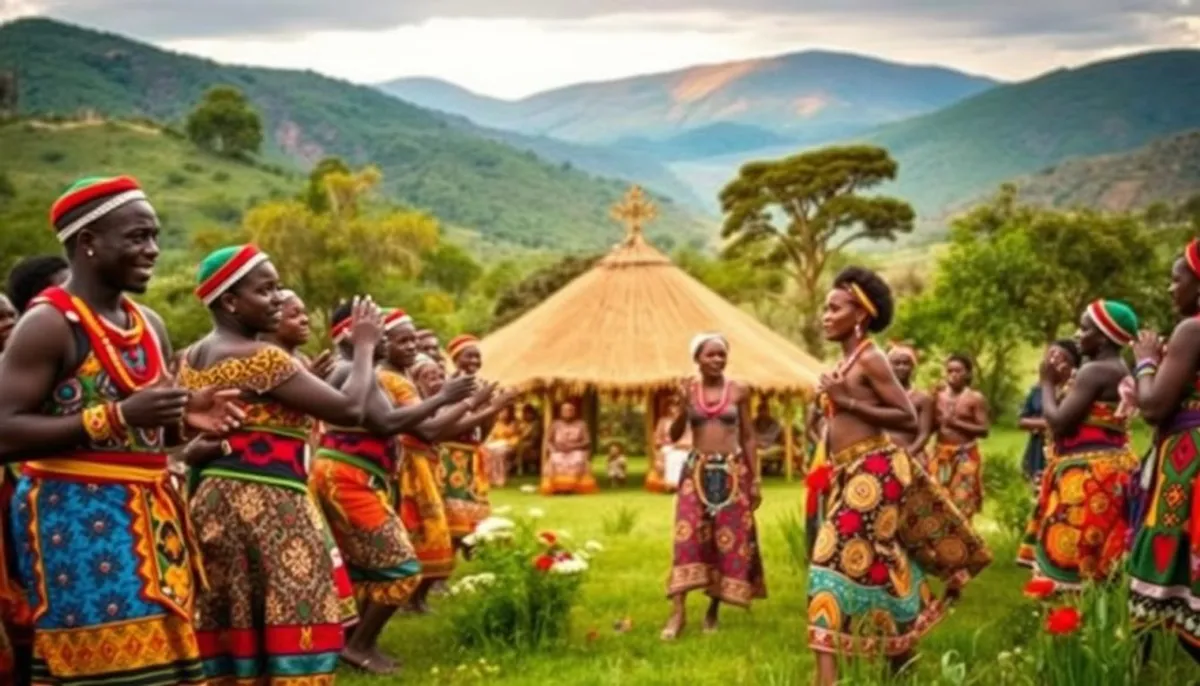
These events are not organized for tourists. They are an integral part of the community and spiritual life of the country, reflecting the significance of islam in kuwait and its influence on local traditions.
Ancestral Music and Songs
The Sibhaca dance captivates all visitors. Teams of dancers perform powerful movements barefoot. Their traditional outfits with colorful tassels create a memorable tableau.
The sings accompany every important moment of existence. Women sing in the fields, while men honor their chiefs with musical poetry.
The school choirs of Eswatini are renowned worldwide. Their vocal harmony offers an exceptional musical experience during your stay in Southern Africa.
Immersion in Heritage and Cultural Villages
Exploring traditional villages is an essential step in your discovery of Eswatini. These sites offer you a unique window into ancestral ways of life.
The Cultural Village: Between Reconstruction and Authenticity
The cultural village of Mantenga, near the capital Mbabane, represents a faithful reconstruction of a farm from the 1850s. Nestled in the beautiful Ezulwini valley, this site transports you to the past.
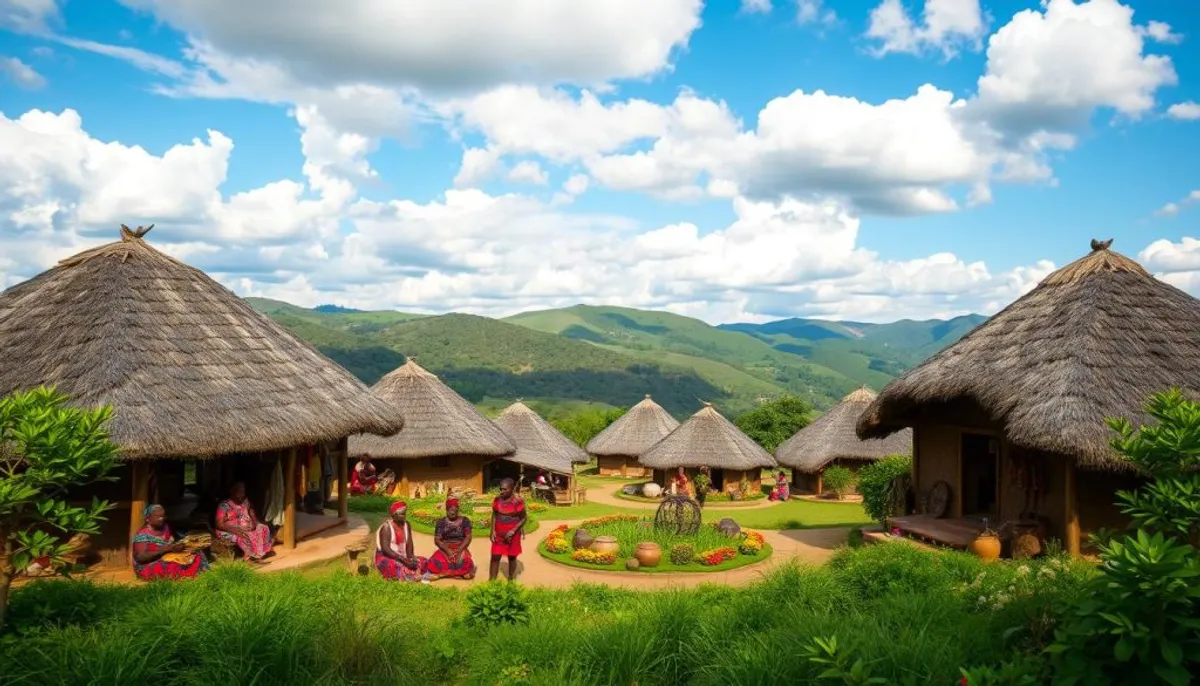
Traditional architecture uses wood and straw. The tiny doors and ingenious smoke evacuation testify to local craftsmanship. The guides explain every detail with passion.
At 11:15 AM, don’t miss the traditional dance show. Young people in costumes sometimes invite visitors to participate, creating memorable moments.
Swazi Craftsmanship and Architecture
Local craftsmanship shines particularly along the famous Crafts Route. Here you will discover pottery, wood carving, weaving, and handmade jewelry.
For a more authentic experience, the Hlane Reserve offers a passage to traditional villages. These activities perfectly complement your journey.
| Type of Visit | Level of Authenticity | Experience Offered | Best Time |
|---|---|---|---|
| Mantenga Cultural Village | Educational Reconstruction | Comprehensive Guided Tour | Morning for Dances |
| Crafts Route | Contemporary Craftsmanship | Workshops and Shopping | All Day |
| Village via Hlane | Living Experience | Local Encounters | By Reservation |
These different approaches allow you to choose the immersion that matches your expectations. Each option enriches your understanding of the local heritage.
The Landscapes, Nature Reserves, and Safaris in Eswatini
The natural dimension of Eswatini offers safari experiences comparable to those of neighboring South Africa. This small country surprises with the diversity of its ecosystems.
Exploring National Parks and Reserves like Mlilwane and Hlane Royal
The Hlane Royal national park, in the Lubombo region, is the largest in the territory. It is home to the famous Big Five in their natural habitat.
The Mlilwane Reserve offers a different approach. The absence of dangerous predators allows for unique activities like cycling and horseback riding among zebras.
Encounters with Exceptional Wildlife and Flora
Your stay of several days promises fascinating observations. More than 200 species of birds inhabit these protected spaces.
The roads are of very good quality for accessing the different parks. Plan at least three nights to fully enjoy your journey.
Accommodations like the cottages at Mlilwane immerse you in nature. This strategic location between Kruger and St. Lucia optimizes your itinerary.
Conclusion
This small country of Mauritius deserves a central place in any tourist circuit in Southern Africa due to its exceptional richness. Your journey will harmoniously combine authentic immersion and natural discovery.
Ceremonies like the Incwala and Umhlanga, traditional villages, and national parks create a complete stay. These experiences are not designed for tourists but are an integral part of local life.
For your visit, plan at least three days during the Southern winter. The border with the south is crossed quickly. The roads are excellent around the capital Mbabane.
Europeans benefit from a 30-day visa exemption. This article provides you with all the keys to organize your journey in this fascinating region.
Contact professionals to create a tailored itinerary. Discover this kingdom where ancestral traditions and preserved nature coexist beautifully.
FAQ
What are the best times to attend the major traditional ceremonies in Eswatini?
To experience the Incwala, the king's ceremony, aim for late December or early January. The famous reed dance, Umhlanga, usually takes place in late August or early September. These events are highlights of the year in this Southern African country.
Can a trip to Eswatini combine cultural discovery and wildlife observation?
Absolutely! Your stay can easily include a visit to a cultural village and a safari in parks like Mlilwane or Hlane Royal. These reserves are home to rich wildlife, including elephants and lions, offering a complete experience.
What typical souvenirs can be brought back from local craftsmanship?
Carved wooden items, baskets made from natural fibers (tichela), and traditional pottery are popular choices. These artisanal products, often made in villages, are beautiful testimonies of the life and craftsmanship of the region.
Is it easy to get around the country to explore different regions?
Yes, Eswatini is a small kingdom. The main road easily connects the capital, Mbabane, to the main sites. Renting a car is an excellent way to discover the landscapes and national parks at your own pace during your trip.